By Syamjith and Faisal Rehman, People & Nature Collective
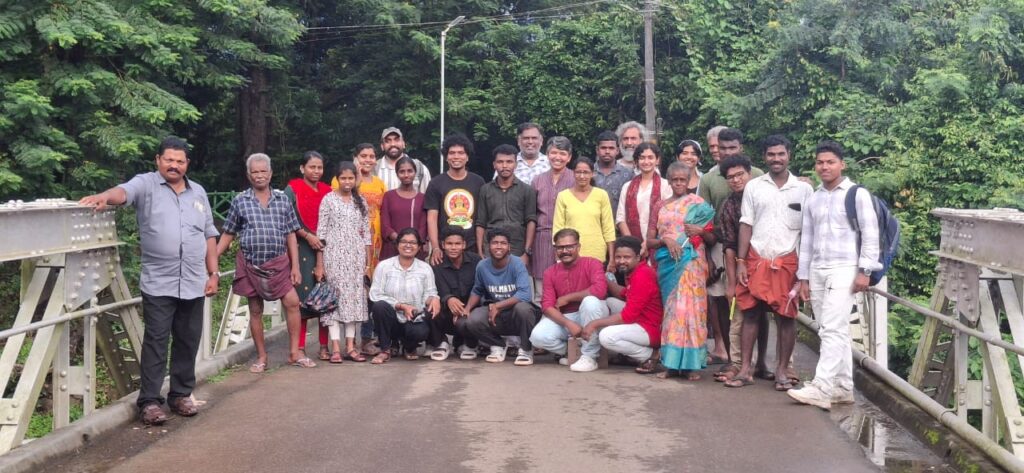
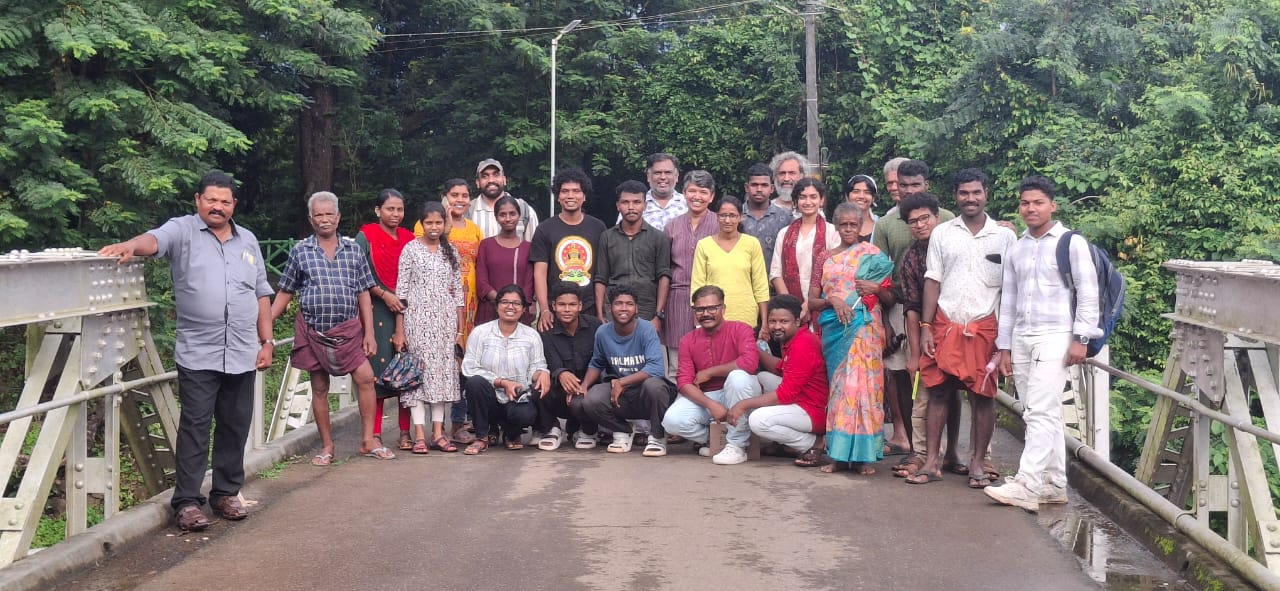
After the previous versions of the Barefoot Linguist Programme and Language Technologies workshop held with Irula community members, the People and Nature Collectives (PNC) conducted its second iteration of the Barefoot Linguists programme workshop in collaboration with Karthick Narayanan and Ktien Hima, at Nilambur Keystone Foundation resource center on 3,4,& 5th July 2025. This workshop was attended by 30 participants from 11 Indigenous speech communities across the Kerala side of the Nilgiri Biosphere. Through the session, participants familiarised themselves with skills in oral language documentation, orthographic representation, and revitalization strategies drawn from global and local practices.
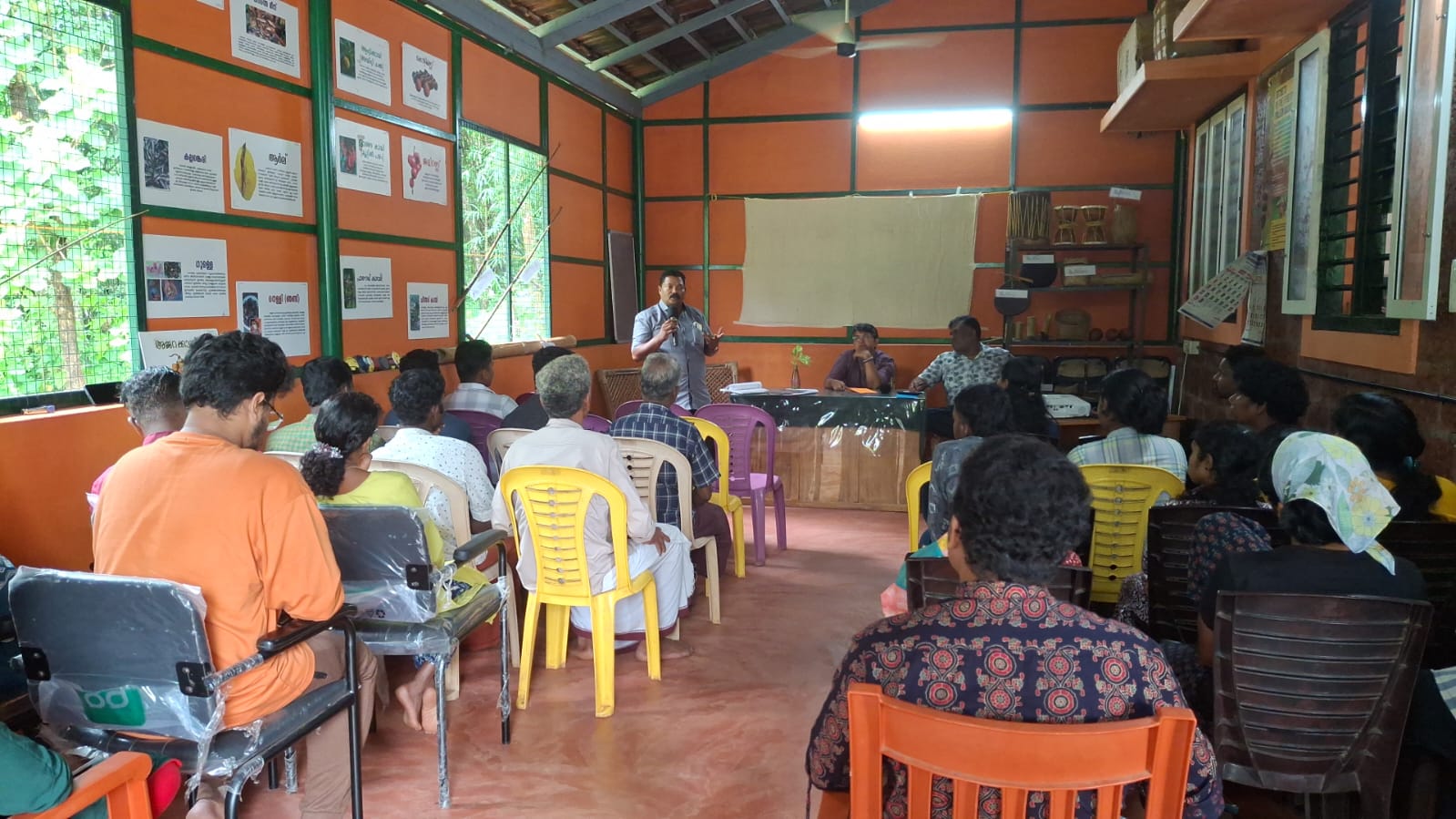
This introductory course in the Barefoot Linguists program is designed as a 3-day participatory session where community members and linguists come together to exchange knowledge and collaboratively explore approaches to language revitalization.
The workshop saw participation from 9 different indigenous groups, speaking 11 language variants from Wayanad, Nilambur, and Idukki regions of Kerala. The communities that participated include Ravular (Adiya), Paniya, Kattunaickan, Cholanaikkan, Malamuthan (Muthuvan), Kurichya, Mullukkuruma, Mannan, and Aranadan.
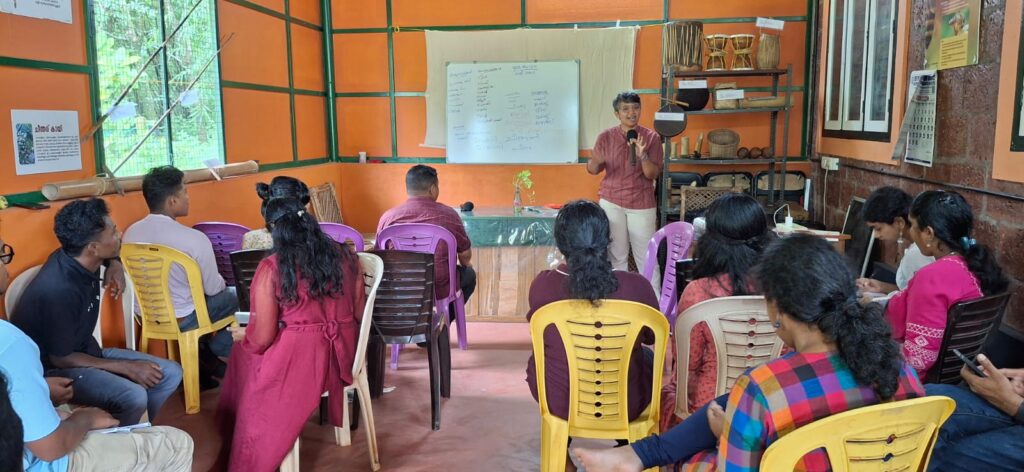
The first day of the workshop began with an introductory session where all participants introduced themselves and shared information about their communities from a language perspective. Dr. Ktien Hima and Dr. Karthick Narayanan facilitated the sessions. Community members from diverse groups exchanged their experiences, highlighting variations in linguistic and cultural contexts. The session was very interesting because the community members from different groups shared their experiences, and the experiences were also different in terms of their culture. The session also explored the relevance of Indigenous languages, their documentation, and possibilities for script development. A group activity involved walking together and recording the names of objects and observations in both Malayalam and Indigenous languages.
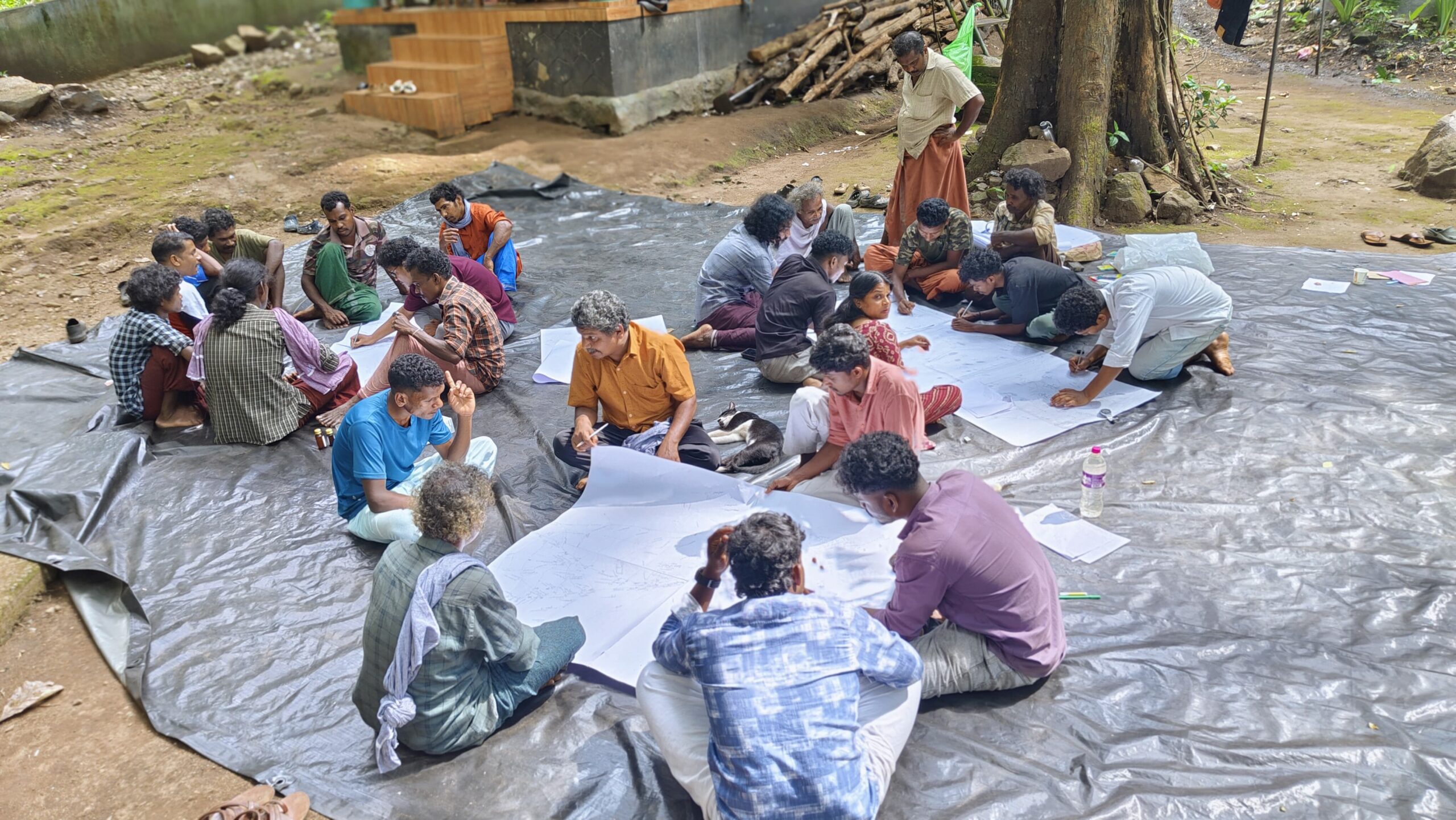
The second day began with a review of the words collected on the first day. Community members gathered in groups and listed words in their languages, transcribing them using the Malayalam script. Participants discussed challenges in writing and pronunciation, and noted variations in vocabulary for the same object across languages. Since these languages are primarily oral with no existing script, the session focused on understanding the limitations of using other scripts to represent them. The day included a technical session on articulatory phonetics, with simplified illustrations and explanations involving the mouth, tongue, and lips. The session concluded with an assignment where participants wrote lines of an Indigenous song using Malayalam script. Both younger and older participants contributed.
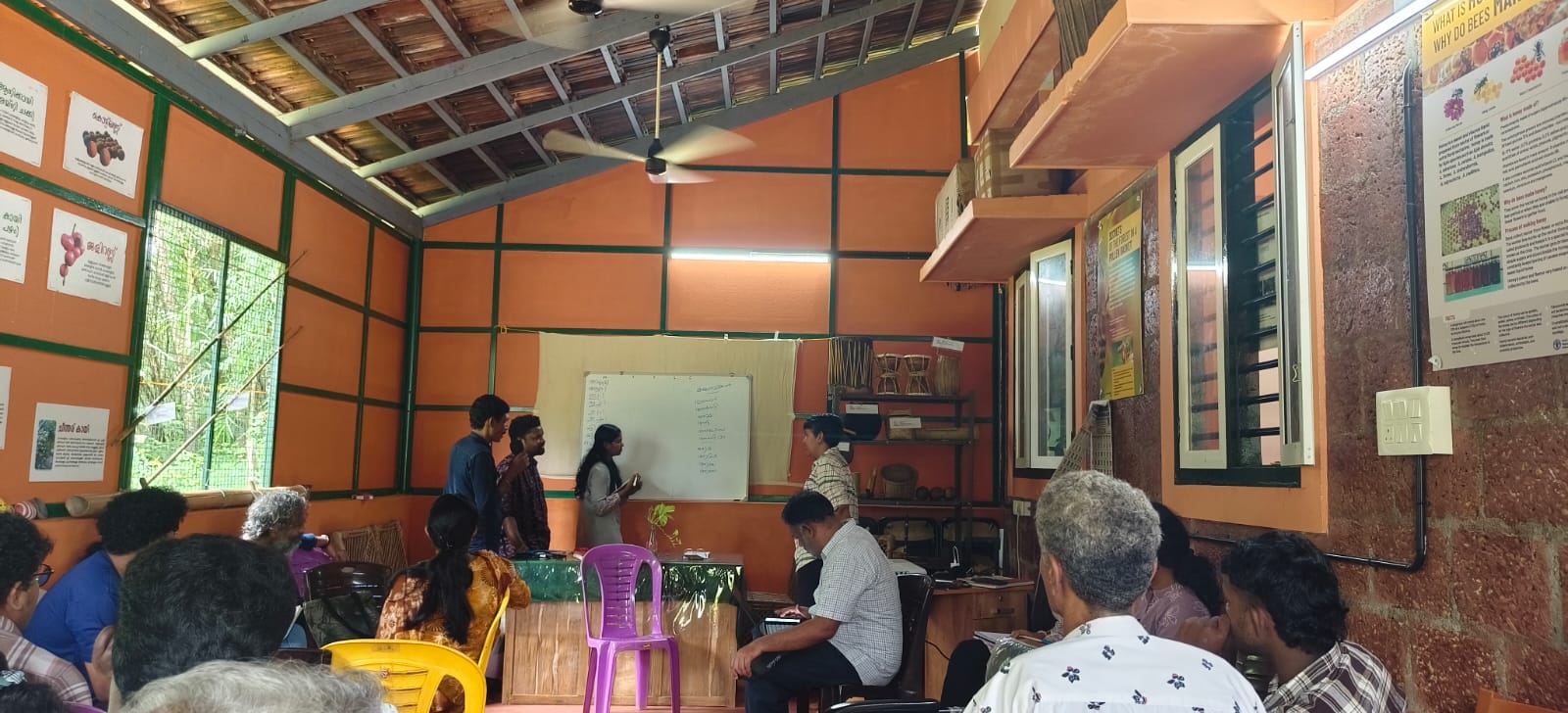
The third day included theoretical and practical sessions focused on future possibilities. Participants examined words and their pronunciations in both Malayalam and their Indigenous languages, paying particular attention to word endings. This presented challenges for many, particularly due to the influence of local dominant languages. The facilitators encouraged participants to experiment with identifying suitable Malayalam characters or consider developing an adapted script specific to their language to aid learning and preservation.
The workshop concluded with examples from international Indigenous language initiatives, including those from Hawaii, Miami, and Sami communities. Plans were discussed for the continued documentation and preservation of Indigenous languages in the region.