






Keystone Foundation in partnership with our local, national and global networks, works to address issues related to community conservation, local food systems, natural resources, wellbeing and livelihoods of indigenous communities.
Our work positively impacts 16 local and indigenous communities, 90 villages and over 2,000 households in the Eastern India landscape. Our 23 community resource people work across 8 districts in Jharkhand, West Bengal and Odisha, partnering with local organisations, community institutions and community members.
Our current projects include the Using Diversity Project supported by MISEREOR, and the Eastern India initiative supported by BothENDS and Rosa Luxemburg Stiftung. These projects employ a focus on participatory action research that actively engages stakeholders of a region in experiential learning. They also involve an interest in documenting and publishing experiences, learnings and outcomes; organising trainings and capacity building workshops on various subjects like traditional methods of farming; and prioritise the need to build locally relevant action steps.
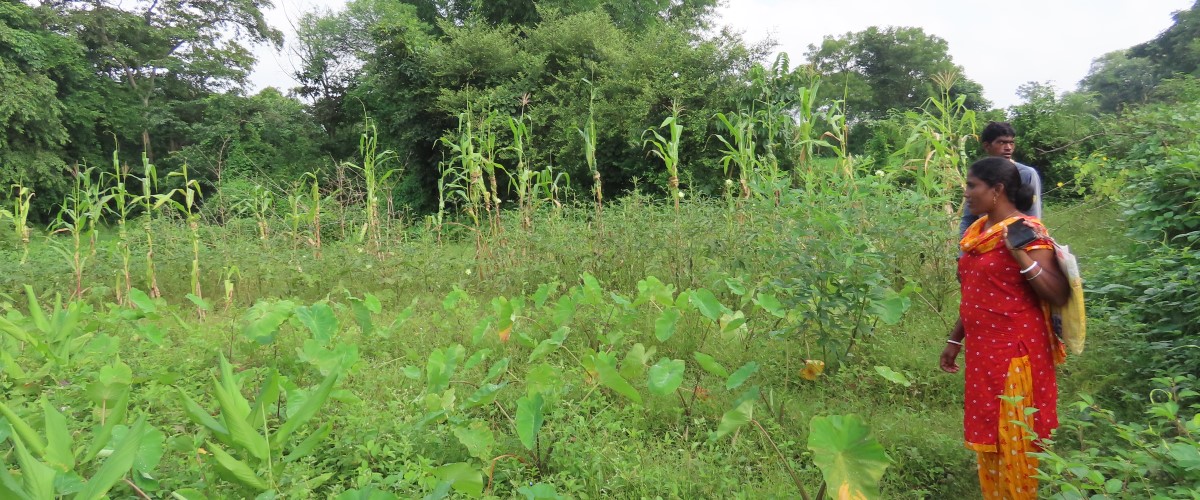
The principal theme of the Eastern India initiative is agroecology, to work towards food sovereignty, water security, and biodiversity conservation. Our implementation strategy for these vital goals include community leadership in environmental governance, climate action and gender justice.
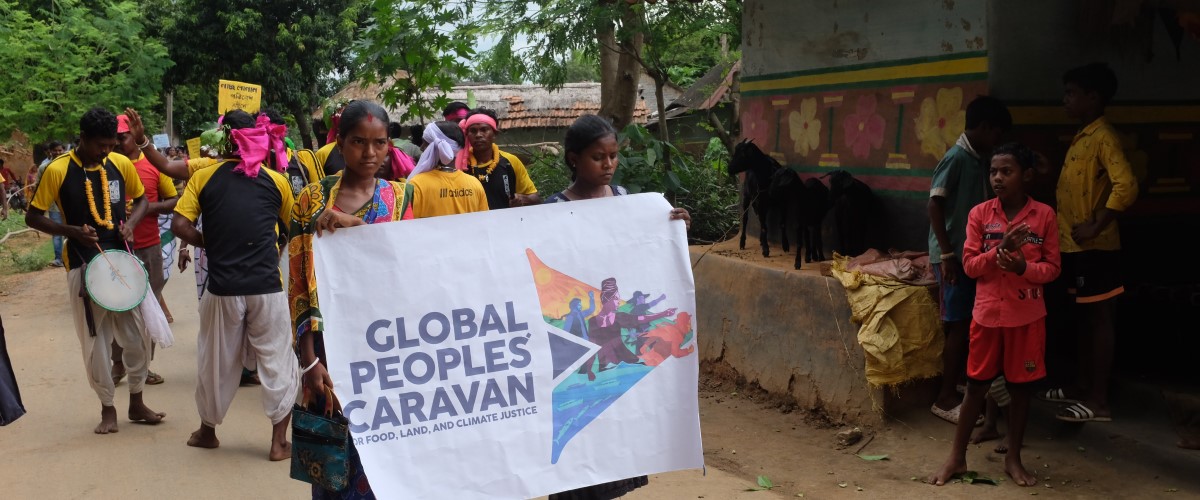
What does gender justice look like? Our team encourages young women to contribute to decision making on development and implementation of strategies at various levels of local society.