Renju K R, Biodiversity Conservation
The Valparai landscape is a mosaic of rainforest fragments, tea estates, grasslands, and wildlife corridors. It is a landscape where elephants move between patches, birds call from shaded canopies, and human settlements exist closely alongside forests. At the same time, it also carries the marks of disturbance — invasive species, monoculture plantations, and fragmented habitats. Walking through this landscape made me realise how urgent and meaningful restoration work is here.
Learning from the Nature Conservation Foundation Nursery:
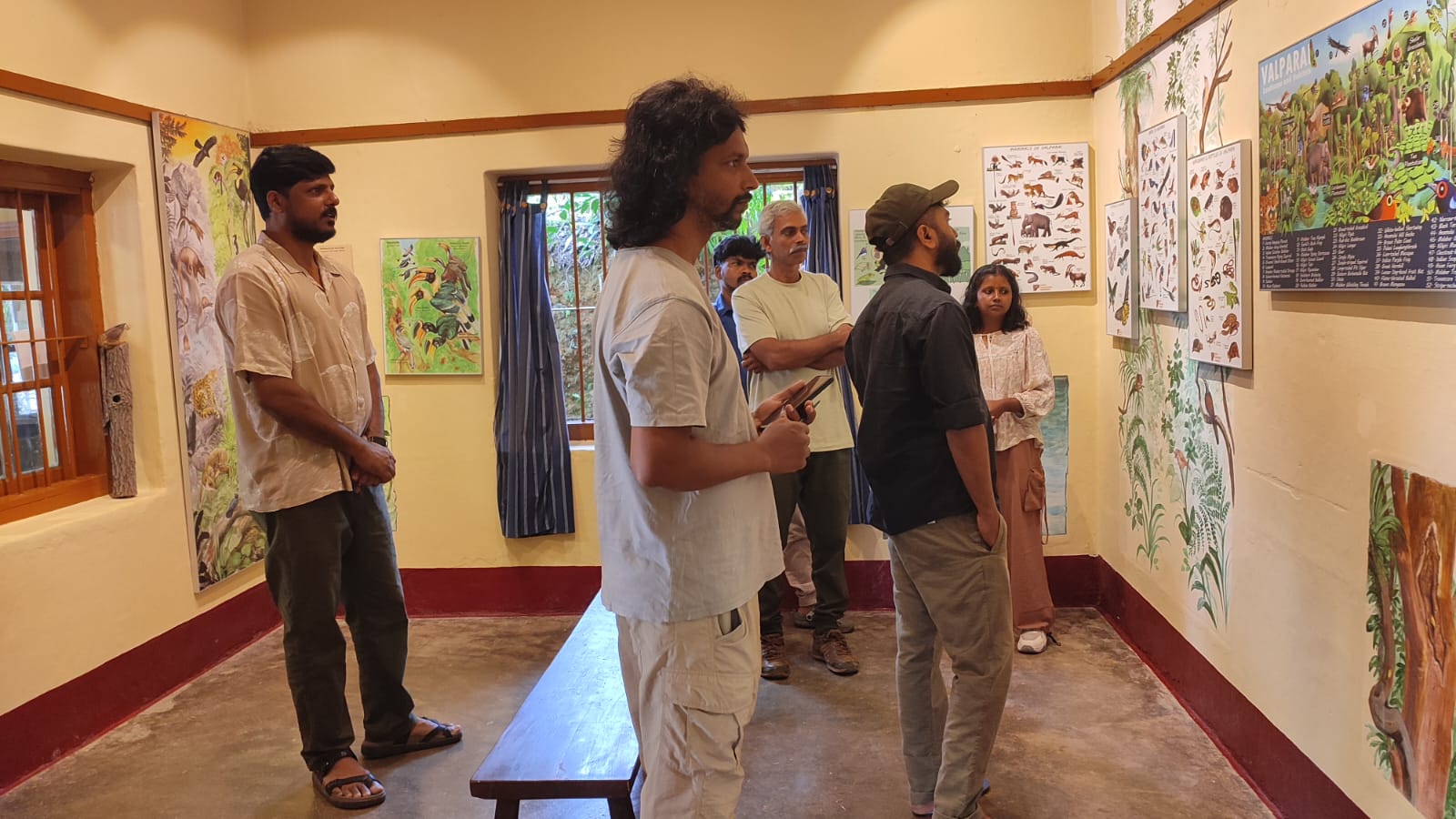
Visiting the Nature Conservation Foundation in this region was both inspiring and educational. In their nursery, I observed the technical precision behind restoration. From preparing the 4:1:1 soil mixture to carefully raising 150–200 native species like Ficus and Elaeocarpus, every step was done with long-term ecological thinking. I understood that restoration does not start in the field — it starts with seeds. Collecting seeds from forest edges and roadsides helps maintain genetic diversity and ensures healthy planting stock. Seeing thousands of saplings being nurtured showed the patience behind rebuilding a rainforest.
Observing Restoration in Practice:
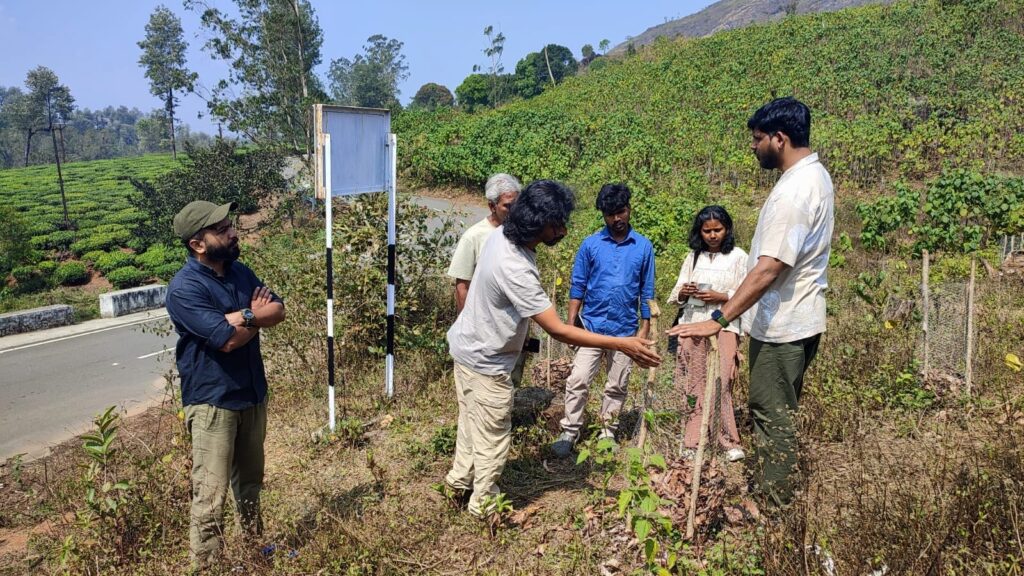
When we visited the restoration sites, the impact of sustained effort became visible. Areas once dominated by abandoned coffee, invasive Lantana, and Eucalyptus (degraded patches) are slowly transforming into diverse native habitats. Bird diversity has increased, young trees are forming canopy layers, and the soil feels alive again. It was powerful to see how persistence over years can change a degraded space into a functioning ecosystem.
Ground Realities of a Barefoot Ecologist:
At the same time, the visit reminded me of the ground realities we face as barefoot ecologists — constant removal of invasive weeds, protection of saplings from grazing or cutting, adapting to extreme weather, and engaging with local communities. Restoration is not only ecological science; it is also about people management and long-term commitment.
Hope from Long-Term Restoration:
Seeing a 25-year-old restoration site filled me with hope. It proved that even heavily altered landscapes can recover if given protection, time, and consistent effort. This visit strengthened my belief that slow, patient work truly makes a difference, and it motivated me to continue restoration efforts with deeper understanding and dedication.
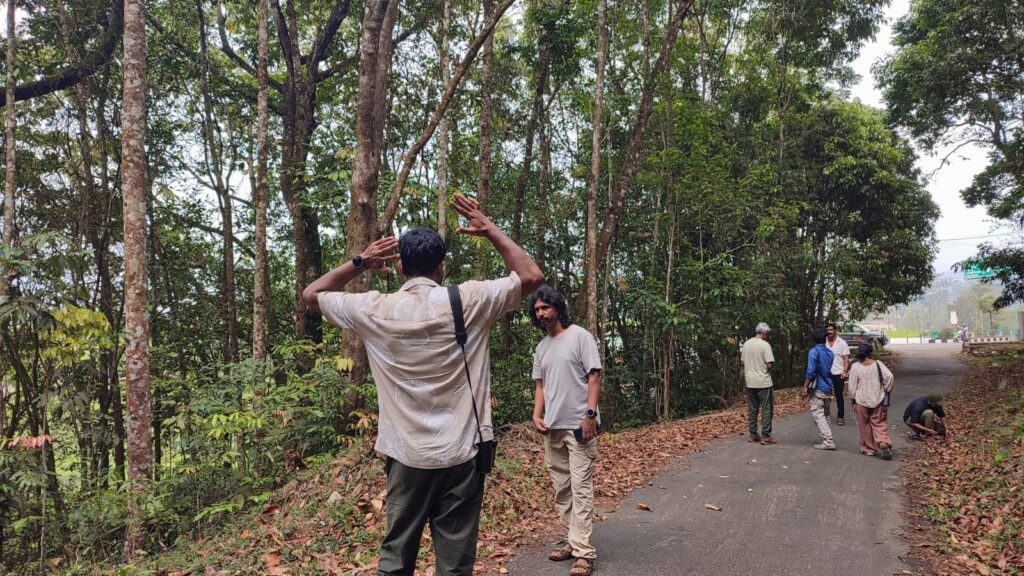
Photo credit: Vinayan & Renju