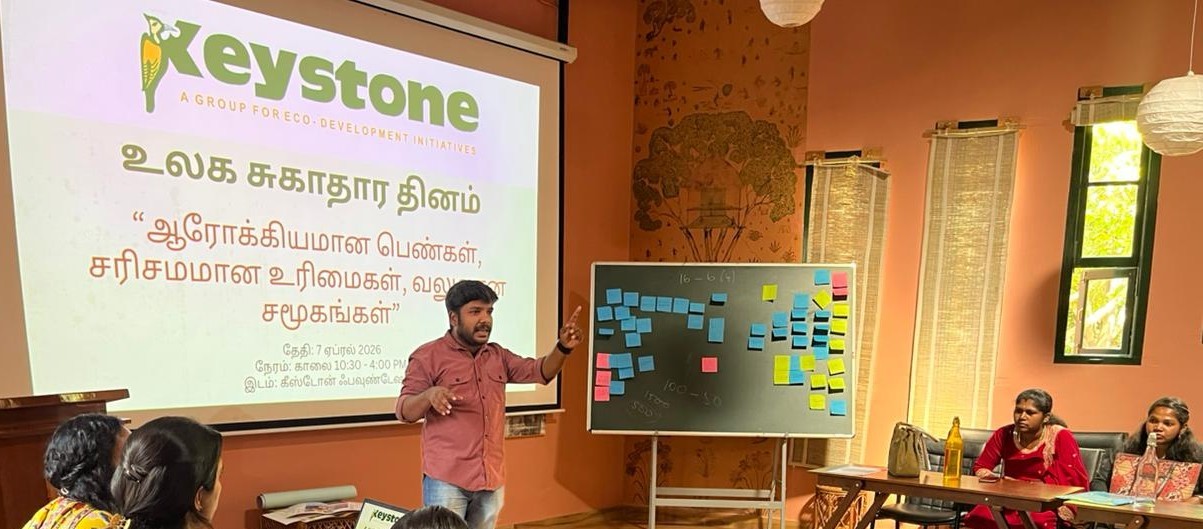
Monisha Ravi, Community Wellbeing
The Community Well-Being team at Keystone Foundation commemorated World Health Day on 7th April, marking the founding of the World Health Organisation in 1948, through a participatory programme that highlighted the interconnected nature of health and well-being.
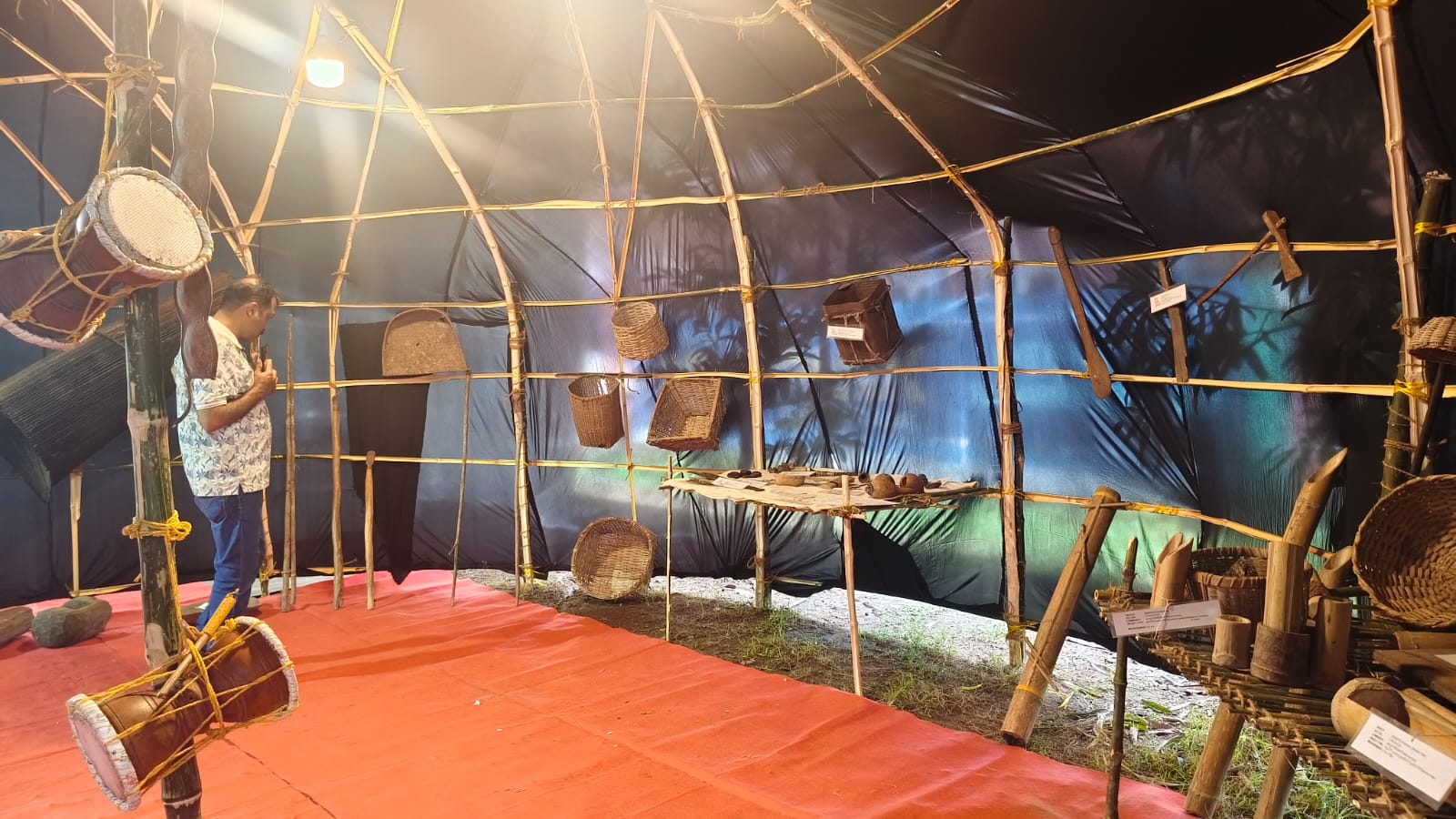
The event aimed to demonstrate that health is not an isolated issue. Instead, it is deeply shaped by economic, social, and political factors. At Mandarae, organisers created an interactive space with exhibitions illustrating how health links to economic security, land rights, forest tenure, and political participation.
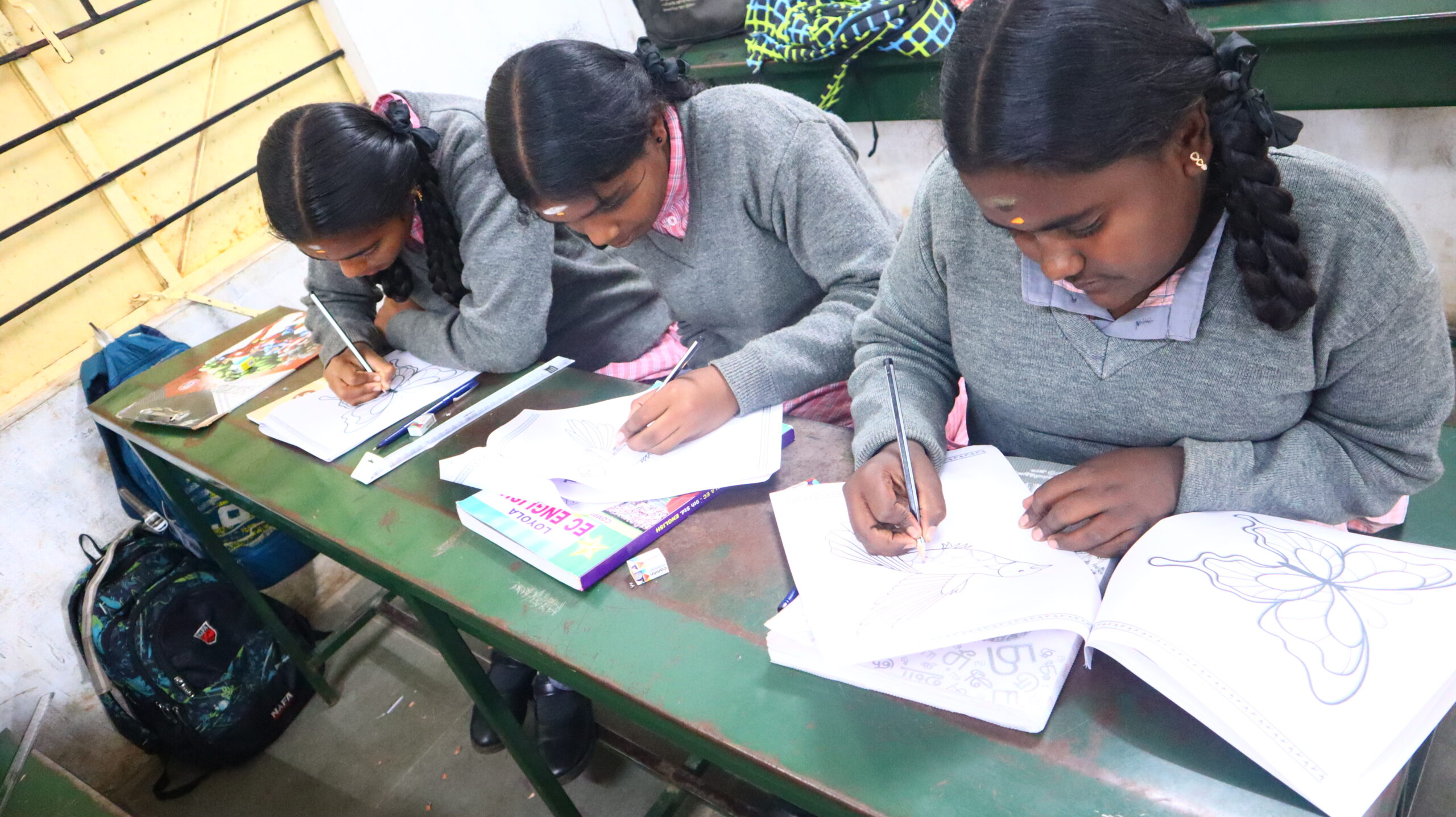
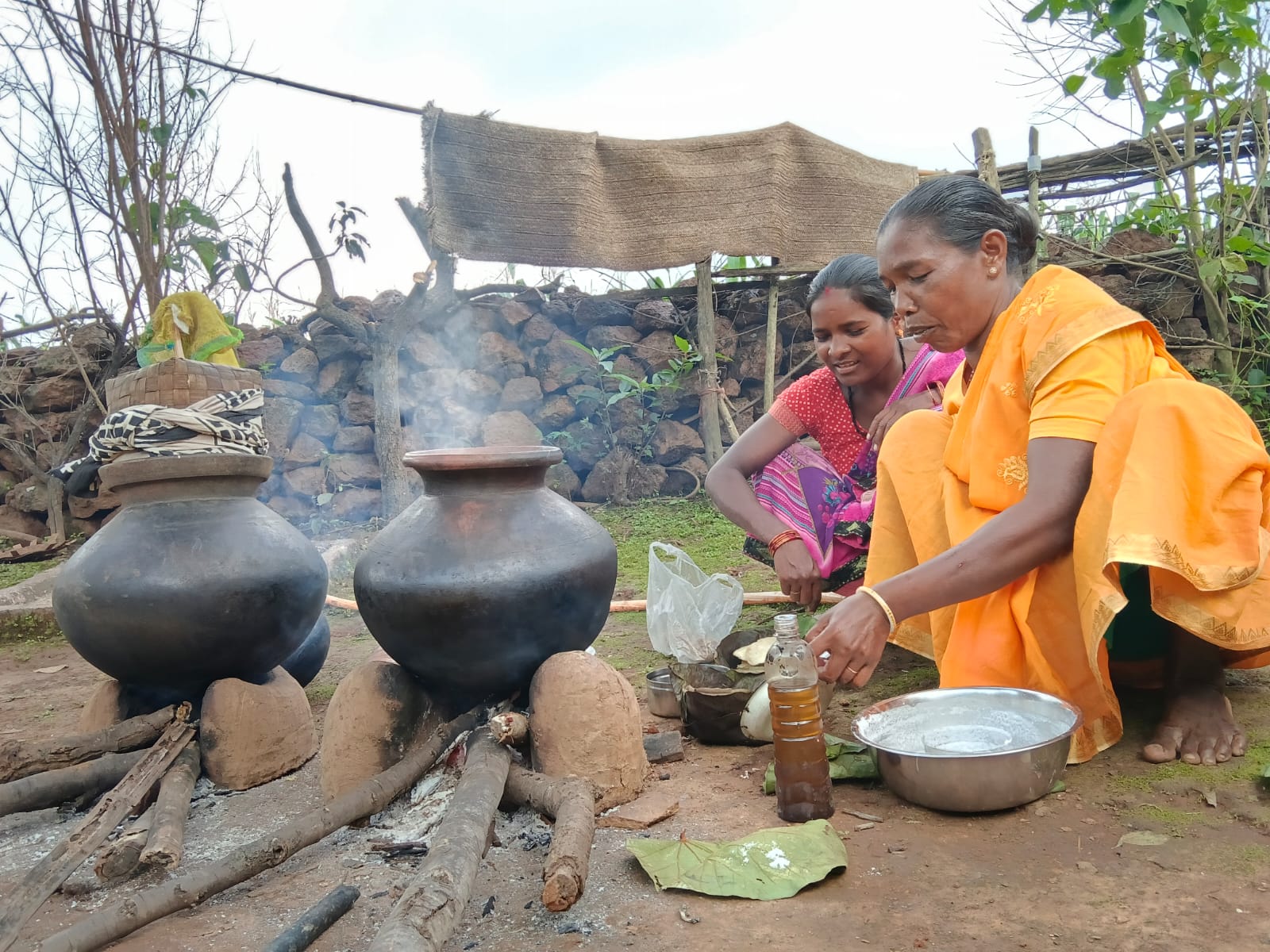
The programme primarily aimed to raise awareness about women’s health, Forest Rights Act (FRA) entitlements, and overall well-being. In addition, it placed a special focus on women and adolescent girls from indigenous communities. Over 80 participants from five regions attended, bringing energy and enthusiasm to the event. Many women arrived in vibrant sarees, accompanied by their young children who eagerly took part in the event.
The event began with participant registration facilitated by Community Health Workers (CHWs). Attendees marked their presence through signatures and thumbprints using coloured paint, symbolising identity, inclusion, and collective participation.
Mr Bagavanidhi, Mrs Jyotsna Krishnakumar, and Mrs Saral from Island Trust delivered the welcome address and introductory remarks. An engaging icebreaker session, led by CHWs and coordinators, invited participants to introduce themselves by sharing one practice they follow to stay healthy. This helped foster connection, ease, and a sense of shared experience among participants. Ground rules were also established to ensure a safe, respectful, and inclusive environment for all.
Ms Saral K from Island Trust facilitated Session 1 on Women’s Day, gender, rights, and everyday challenges. Through discussions and storytelling, participants reflected on the meaning of Women’s Day, understood the journey of women’s rights, and shared local challenges faced in their communities.
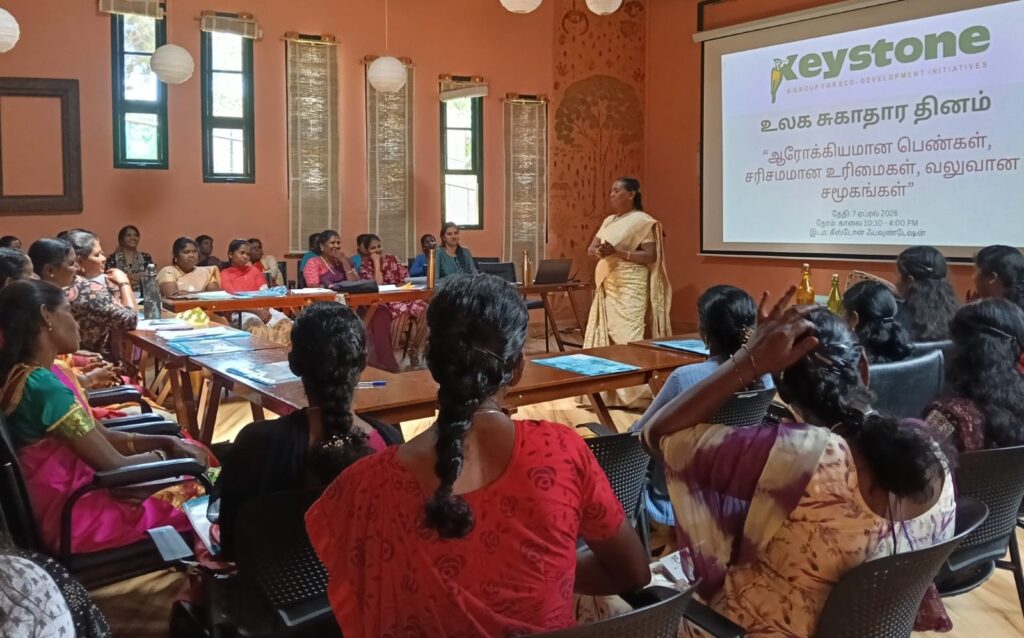
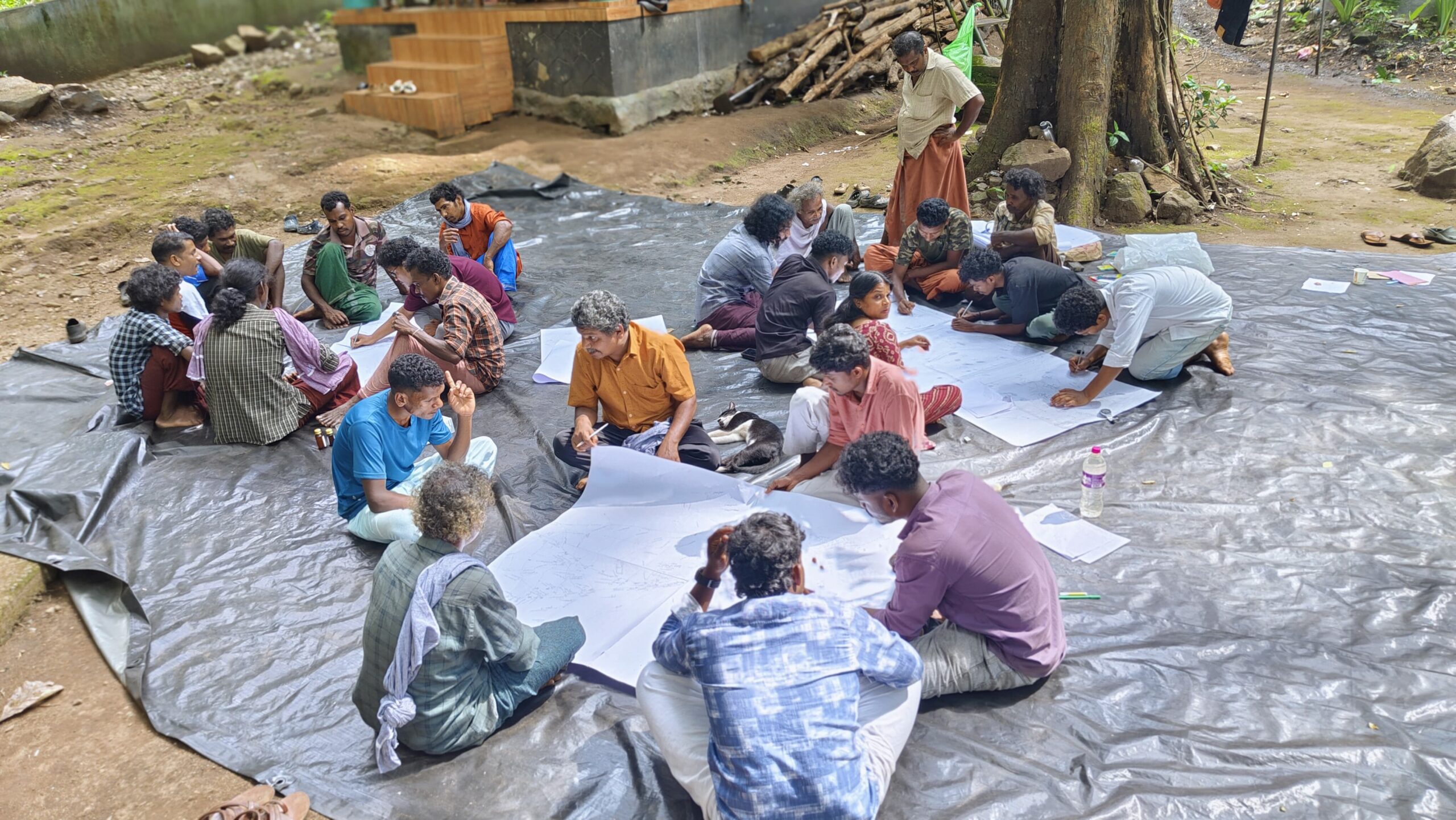
Session 2 featured a Forest Rights Act quiz across five groups, encouraging active participation while strengthening participants’ understanding of rights. Mr Bagavanidhi, Additional Programme Coordinator, led a session highlighting women’s land access and participation in community decision-making processes.
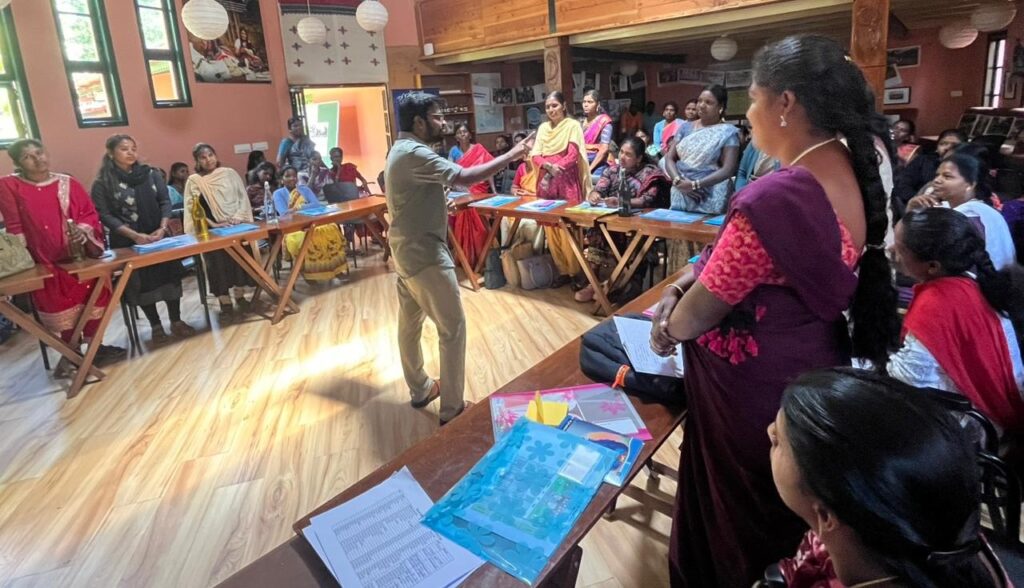
Session 3 started with a quiz on understanding health. Ms Monisha Ravi and Ms Vidya, Technical Coordinator, facilitated a session on climate change and well-being. They addressed key issues including anaemia, fatigue, menstrual health, adolescent health concerns, and climate change impacts on overall health. Participants openly shared their experiences, creating a supportive space for reflection, dialogue, and shared learning among all attendees.
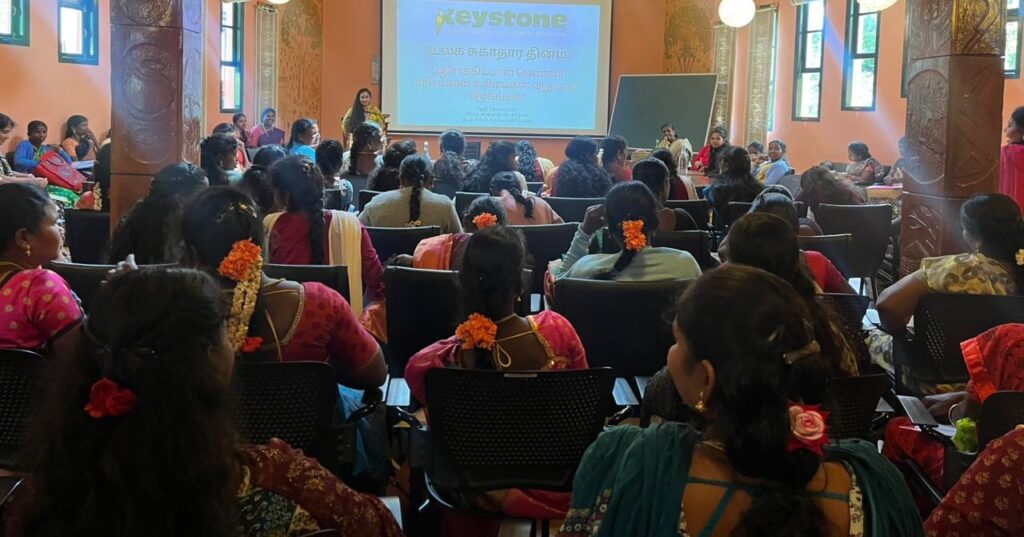
Session 4, focusing on livelihoods and financial security, was led by Mr Sriram, Technical Coordinator. Through group discussions with the Aadhimalai collective, participants explored livelihood opportunities, income challenges, and importance of self-help groups, savings, enterprises.
The programme concluded with a closing session facilitated by the coordinator. Participants, working in groups, identified one health-related action and one rights- or livelihood-related action to take forward in their communities. This exercise reinforced the day’s learnings and emphasised collective responsibility and continued engagement.
Overall, the programme remained highly participatory and impactful, providing a safe, inclusive platform for women and adolescent girls to share experiences, build knowledge, and reflect critically together. In addition, it strengthened awareness around health, rights, and livelihoods. Furthermore, it fostered a strong sense of empowerment and collective action among participants.