Kavyanjali K K, People and Nature collectives & Vishnu N M, Biodiversity Conservation
From May 10th to 13th, Keystone Foundation organized “Pottukurinji” in Wayanad with support from the ILED Network. Gothradeepam Tribal Library, Chembatti Tribal Library, Makkakkoottam, and Moving School Wayanad collaborated in organizing the camp.
More than 60 children joined the camp regularly. In addition, children from different community study centers visited the camp. Most participants belonged to Indigenous communities across Wayanad and Nilambur.
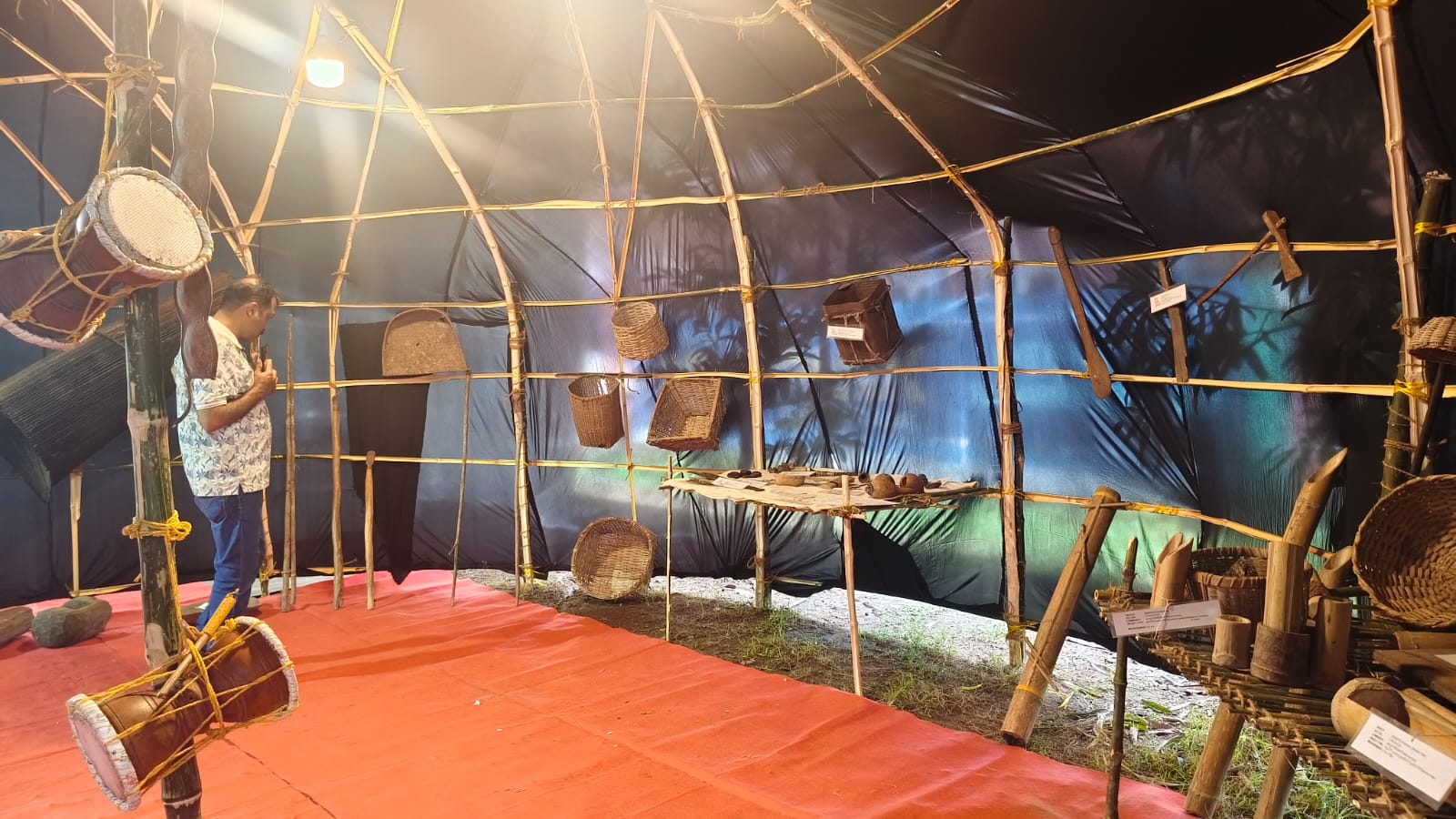
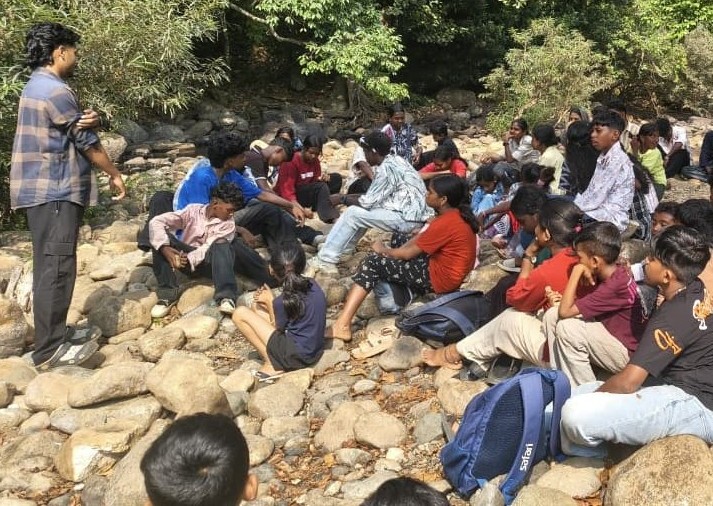
The camp focused on three themes: Food, Language, and Nature. Each day included activities connected to these themes. As a result, children explored their surroundings through experience and observation.
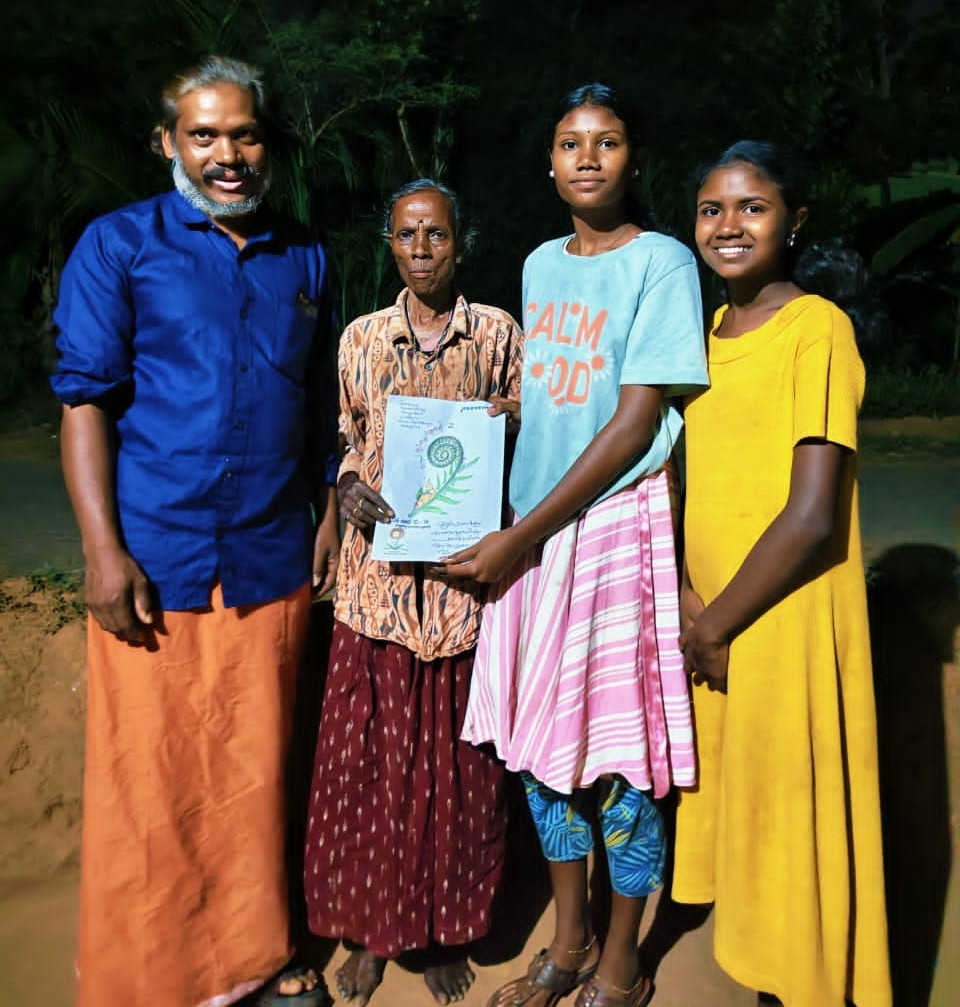
Photo credit: Saneesh P B
The camp encouraged learning beyond the classroom. Instead of formal lessons, children learned from the land, rivers, forests, food, and community interactions. Therefore, the camp became a space for sharing knowledge, creativity, and leadership.
Children joined nature walks, paddy field visits, and fishing activities. They also searched for Nunji (edible shells), crabs, edible leaves, and uncultivated foods. Through these activities, children rediscovered traditional ecological knowledge from their communities.
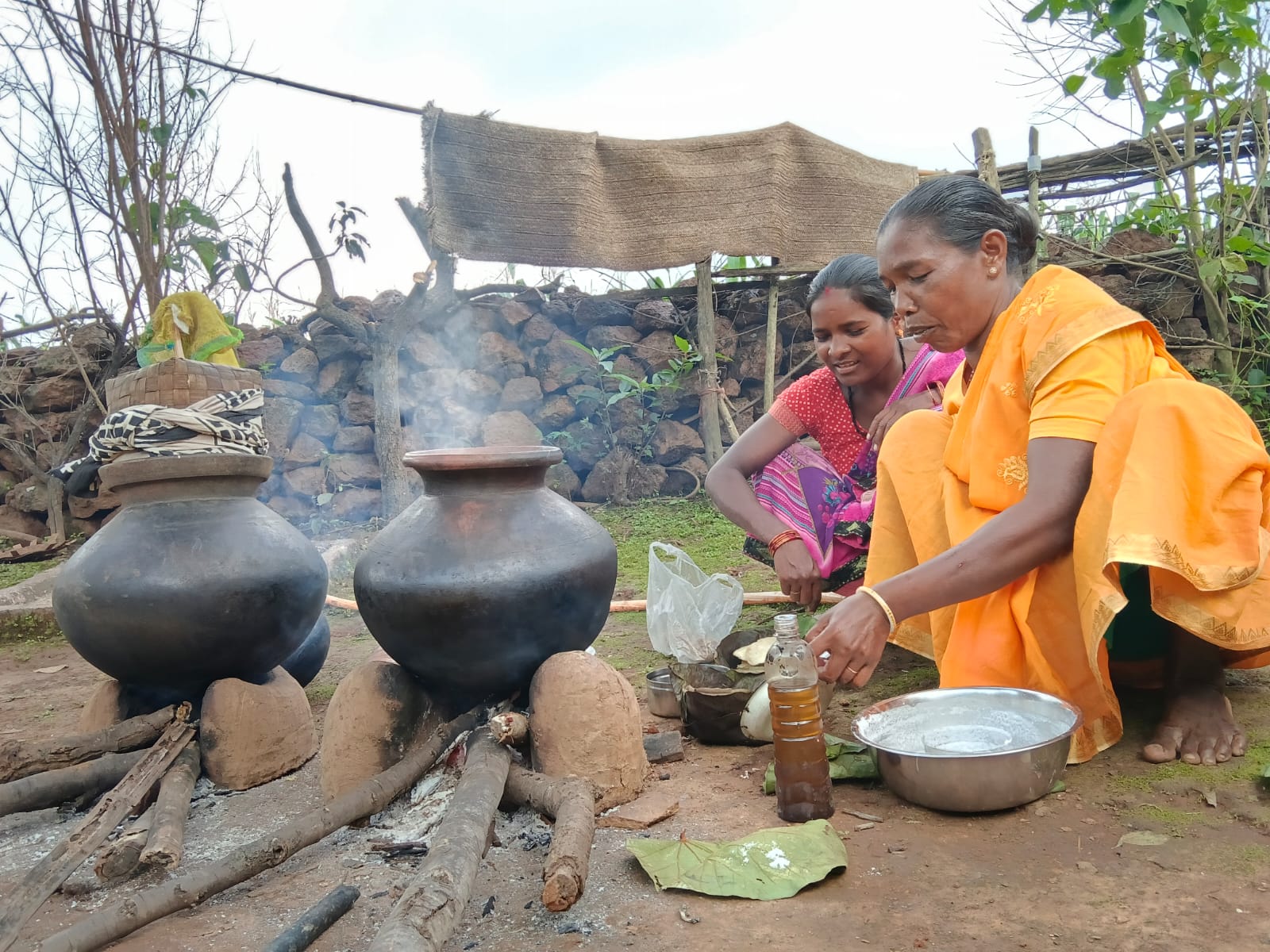
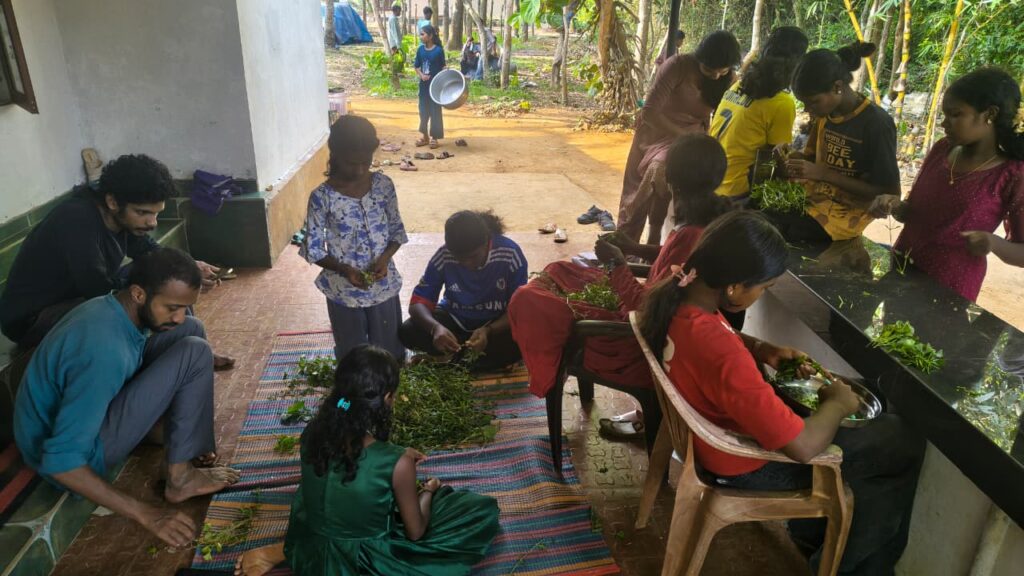
One important activity was the collective cooking session on the second evening. Children gathered ingredients from nearby areas and prepared food together. Later, everyone shared the meal as a community. This experience strengthened friendship, teamwork, and cultural connection.
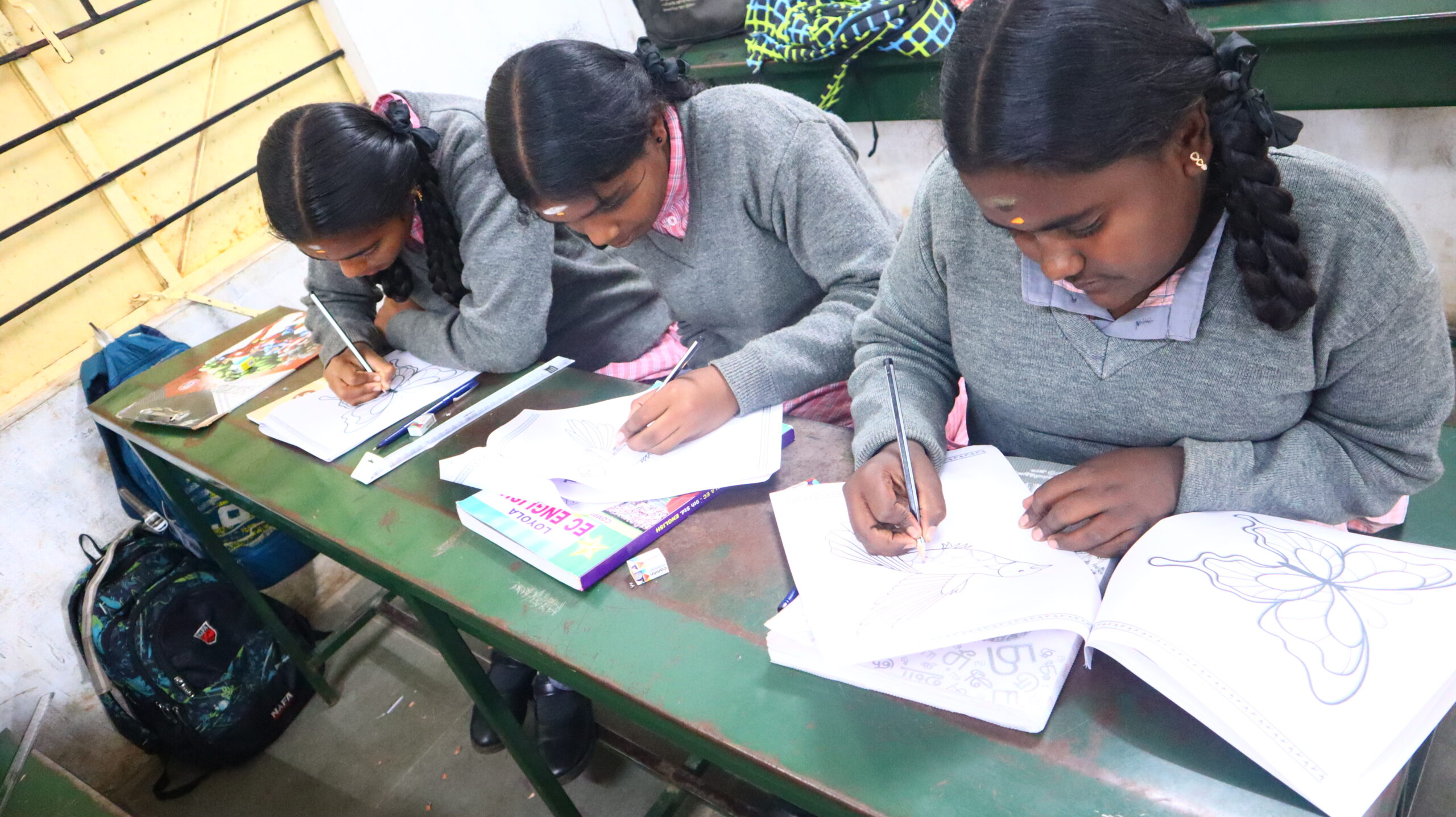
Every evening, children created handmade magazines in Malayalam and their native languages. They included drawings, stories, poems, and camp reflections. In addition, clay sculpting workshops, storytelling sessions, dance, and group discussions enriched the camp experience.
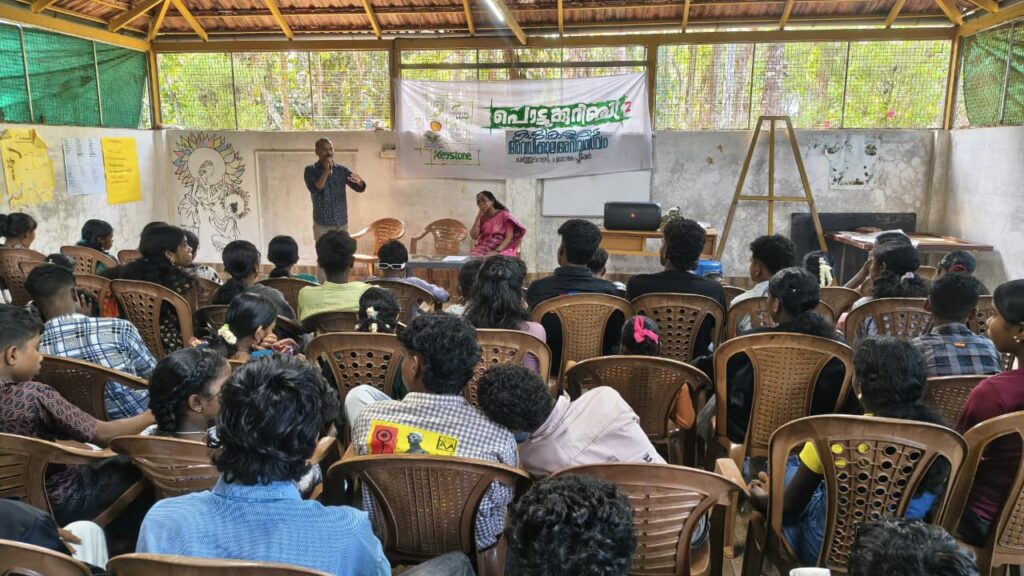
Photo credit: Saneesh P B
The camp inspired many children to think about their communities differently. During the final feedback session, several children expressed interest in starting similar activities in their villages and libraries. Some wanted to protect their languages and traditional food practices. One child even expressed interest in studying edible leaves in the local area.
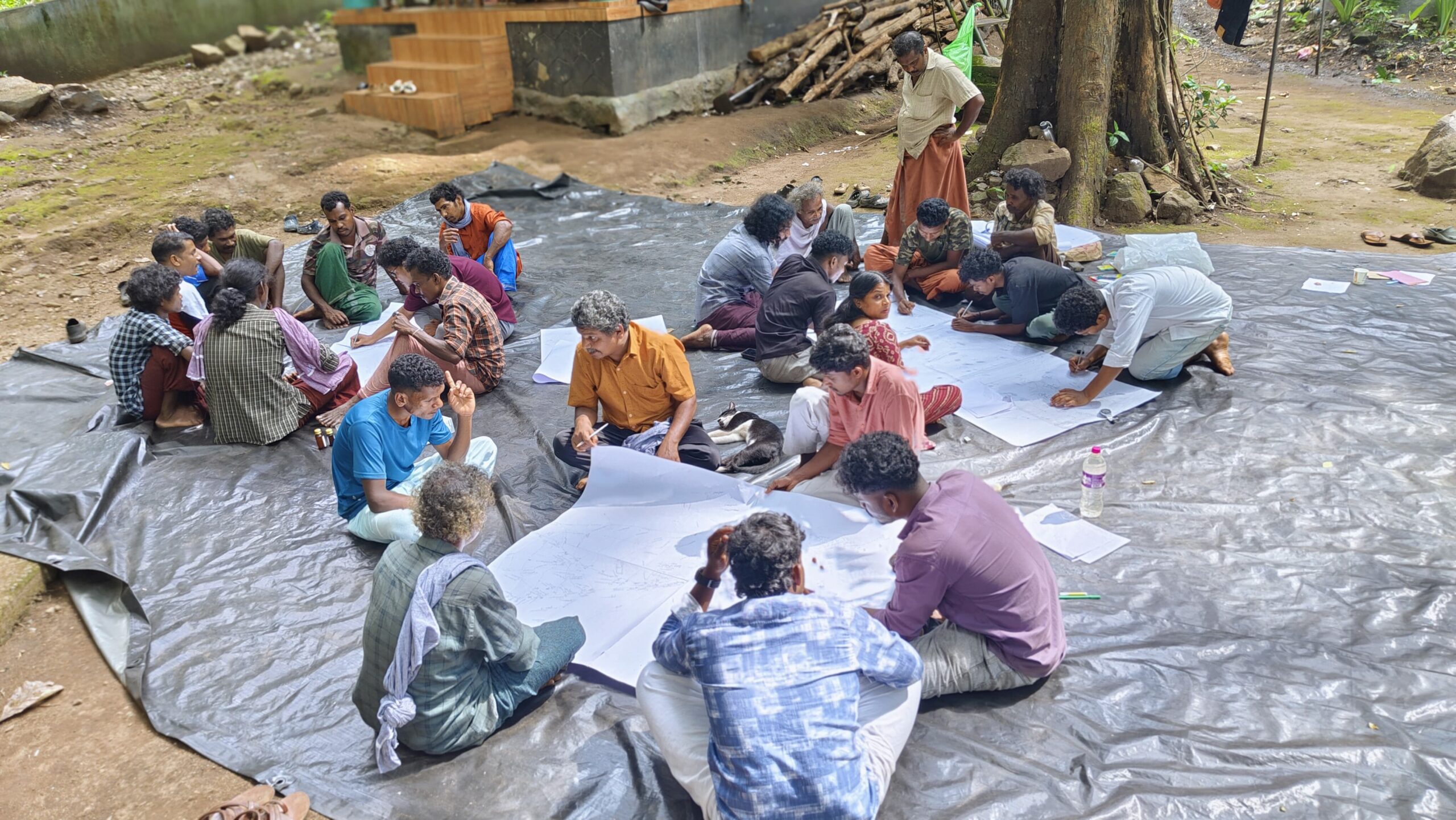
Educators, artists, environmentalists, library representatives, and community leaders guided different sessions throughout the camp. Their support helped create a joyful and meaningful learning space for the children.
More than a summer camp, Pottukurinji became a space for children to learn from nature, from each other, and from their own traditions. The organizers hope to continue this initiative and involve more children in the coming years.