Monisha Ravi, Community Wellbeing
Welcoming Young Earth Defenders
Keystone Foundation successfully conducted its annual summer camp, “Little Earth Defenders – Every Life Matters,” at the Keystone campus, bringing together 23 enthusiastic students from diverse backgrounds for two days of immersive learning and exploration. The camp was jointly facilitated by the Biodiversity Conservation with Community Wellbeing, Climate Change, and Knowledge Hub teams, with the objective of helping children understand the close connections between biodiversity, human health, and climate change.
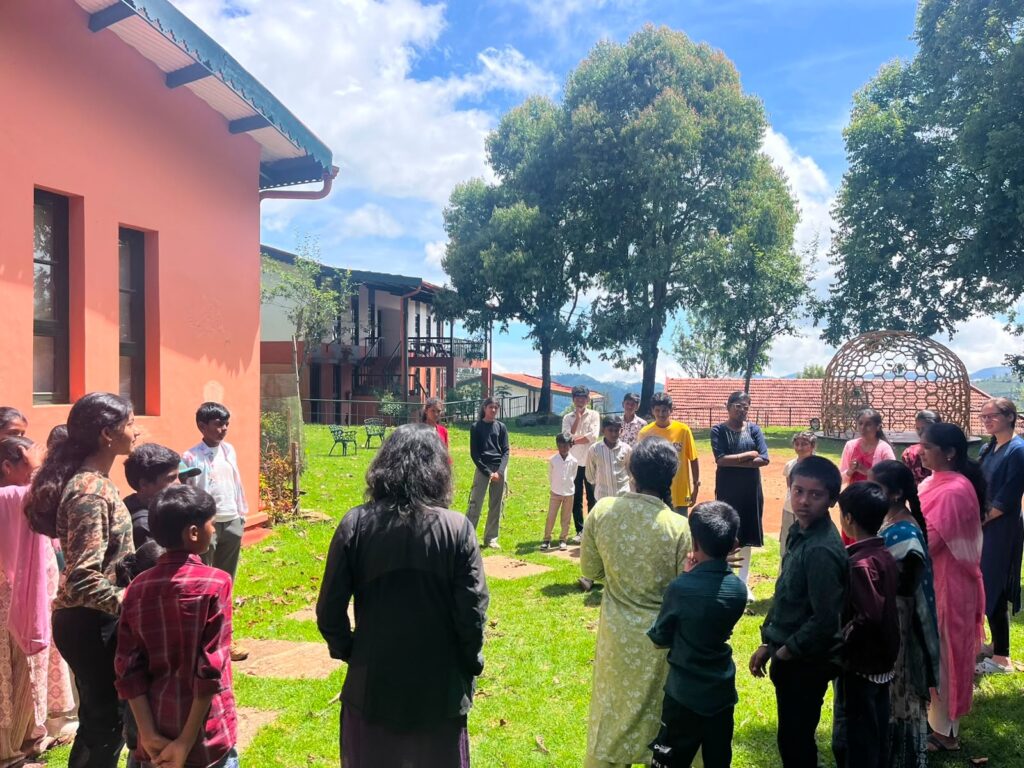
The camp commenced with the registration of participants who had enrolled online. Each student received a camp kit containing materials and resources required for the various activities and sessions planned throughout the programme. To help participants get acquainted with one another, the camp began with a self-introduction session, followed by an overview of Keystone Foundation and its work in biodiversity conservation, community wellbeing, and environmental awareness. A series of fun ice-breaking games helped create a comfortable and engaging learning environment before the day’s sessions began.
Learning About Biodiversity and Waste Management:
Following that, students participated in an awareness session on Biodiversity and Waste Management, facilitated by Ms Harshavardhini. They learned about waste segregation, reducing plastic consumption, recycling practices, and maintaining clean surroundings to protect wildlife and ecosystems.
An interactive waste management activity encouraged students to think critically about responsible waste disposal and share their ideas on environmental stewardship. The session emphasized that everyday choices can have a direct impact on both people and the environment.
Exploring the Link Between Biodiversity and Human Health:
The next session focused on Biodiversity and Environmental Health, facilitated by Ms Monisha Ravi. Students explored the importance of clean water, the threats facing biodiversity, and the responsibility humans have in protecting natural systems.
Through discussions and activities, participants learned that healthy ecosystems are fundamental to human wellbeing. The session helped them recognize that environmental conservation is closely linked to community health and quality of life.
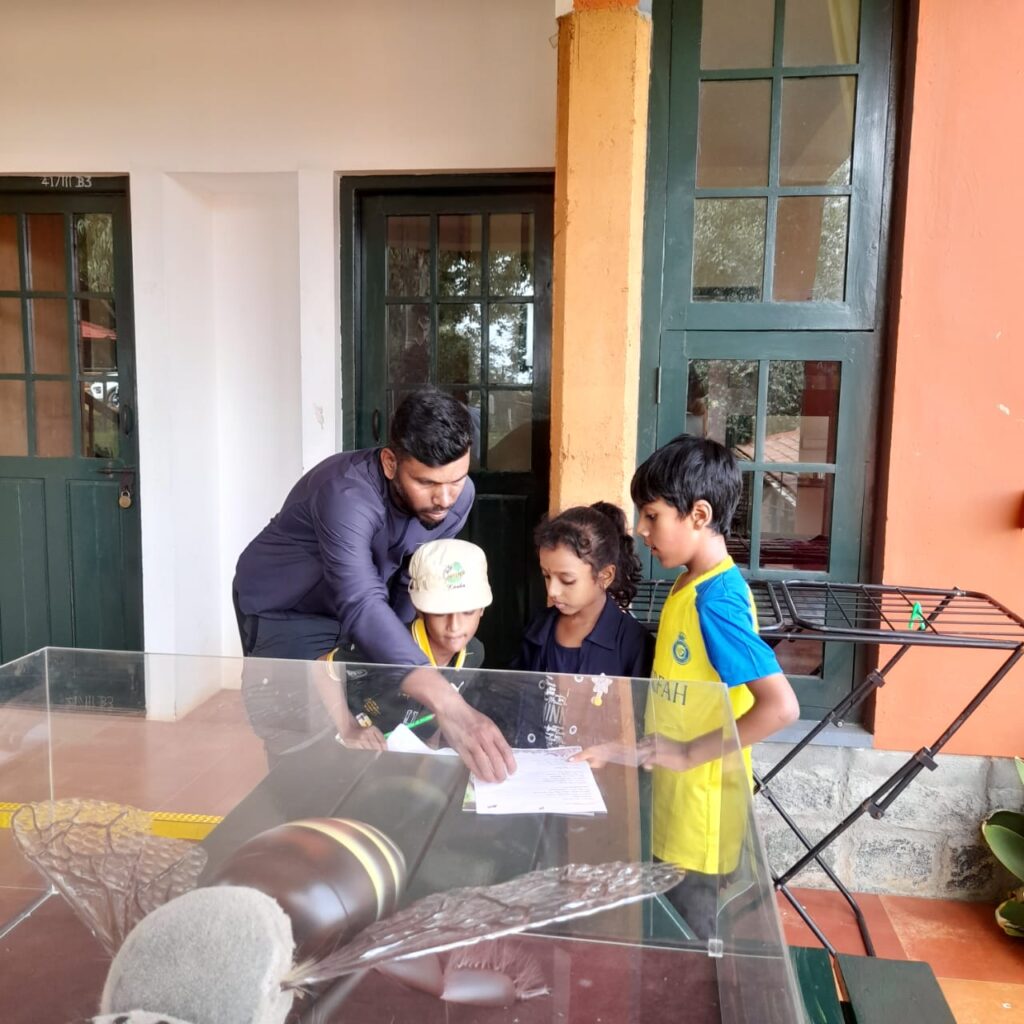
Photo credit: KF team
Learning Through Fun and Interactive Activities:
Throughout the camp, students engaged in several educational and interactive activities designed to make learning enjoyable.
Web of Life
This activity demonstrated how all living organisms are interconnected within an ecosystem and how changes in one part of nature can affect many others.
Bee Pollinators Run
Students learned about the crucial role of bees and other pollinators in maintaining biodiversity and supporting food systems.
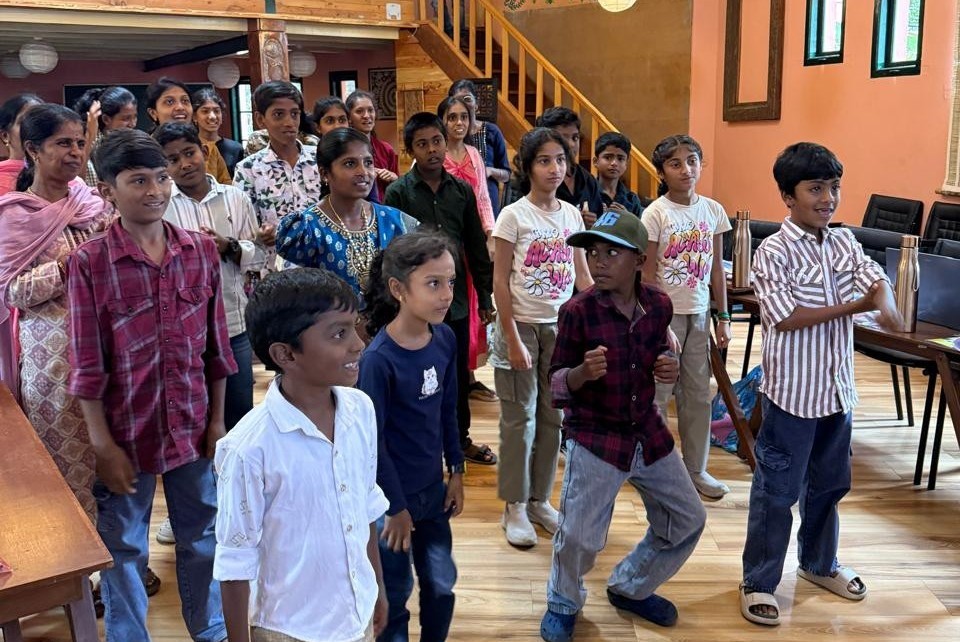
Hand Wash Dance
A lively and engaging activity reinforced the importance of hygiene and healthy habits in a fun and memorable way.
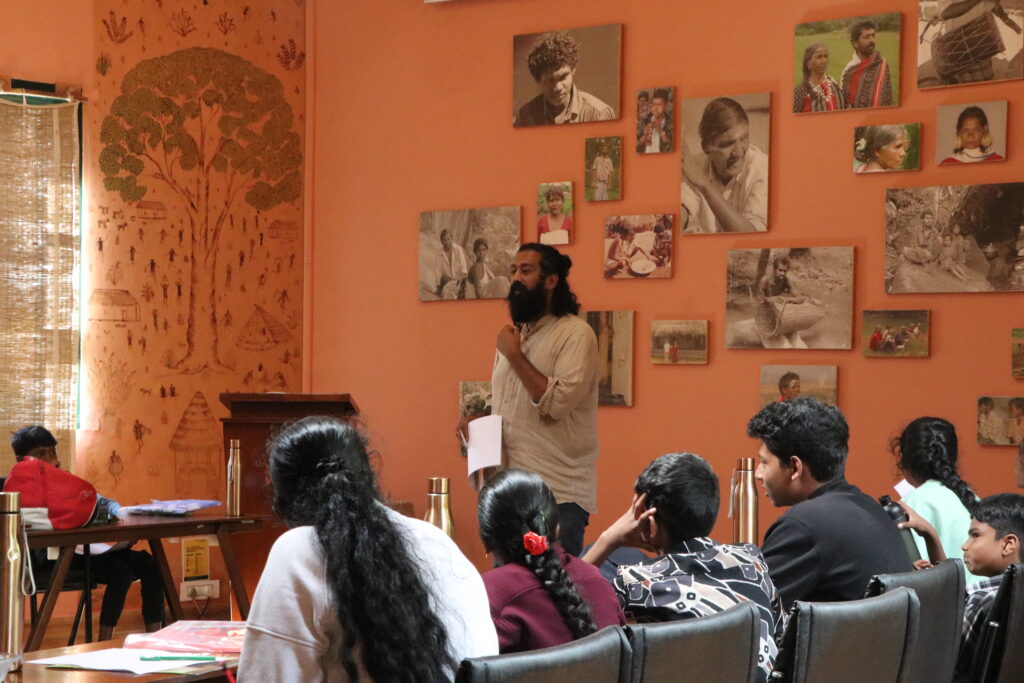
Photo credit: KF team
Healthy Environments, Healthy Communities: on Climate Change Len:
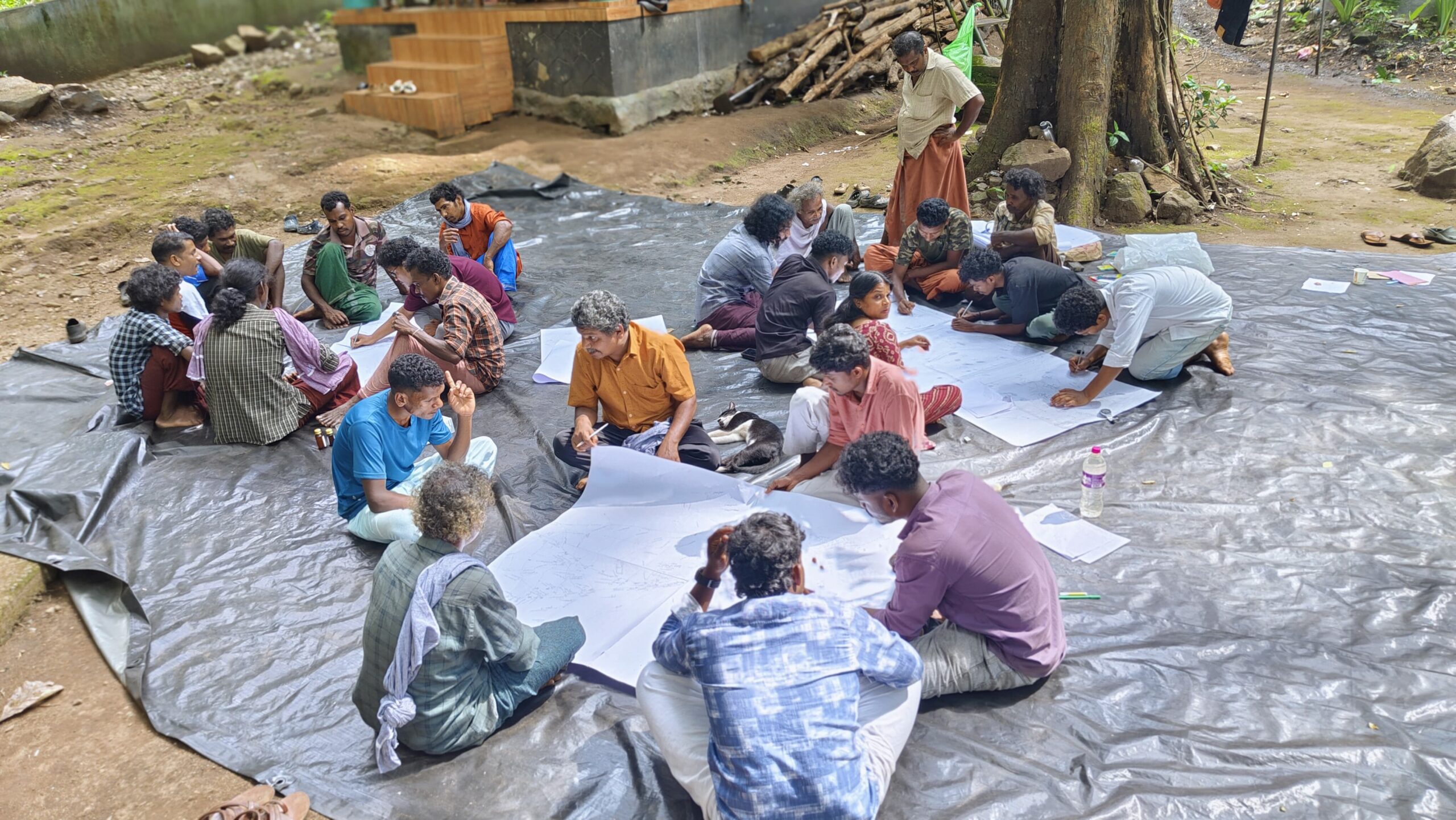
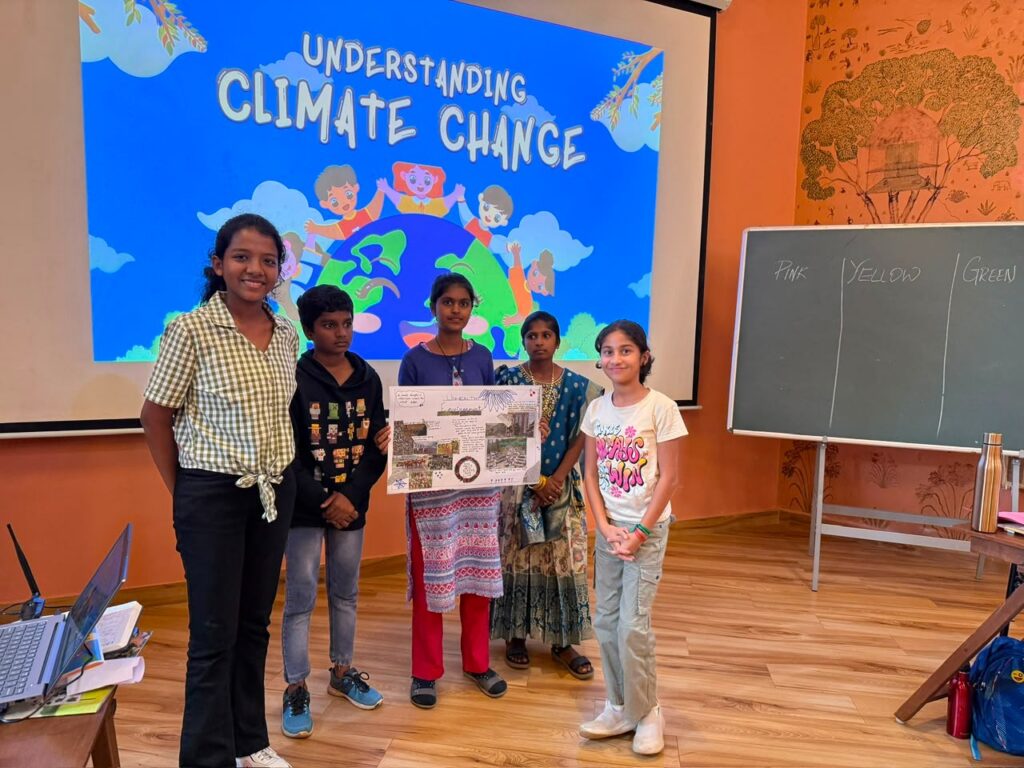
In the second half of the programme, Ms. Vidhya led a chart-making exercise on ‘Healthy and Unhealthy Environments,’ where participants worked in groups. Students identified practices that positively and negatively affect both people and nature and later presented their work to the larger group.
This activity encouraged teamwork, creativity, confidence, and a deeper understanding of environmental and health-related issues. In addition, the children participated in discussions on Climate Change and its Impact on Biodiversity, learning how changing environmental conditions affect ecosystems and communities around the world.
Experiential Learning in Nature:
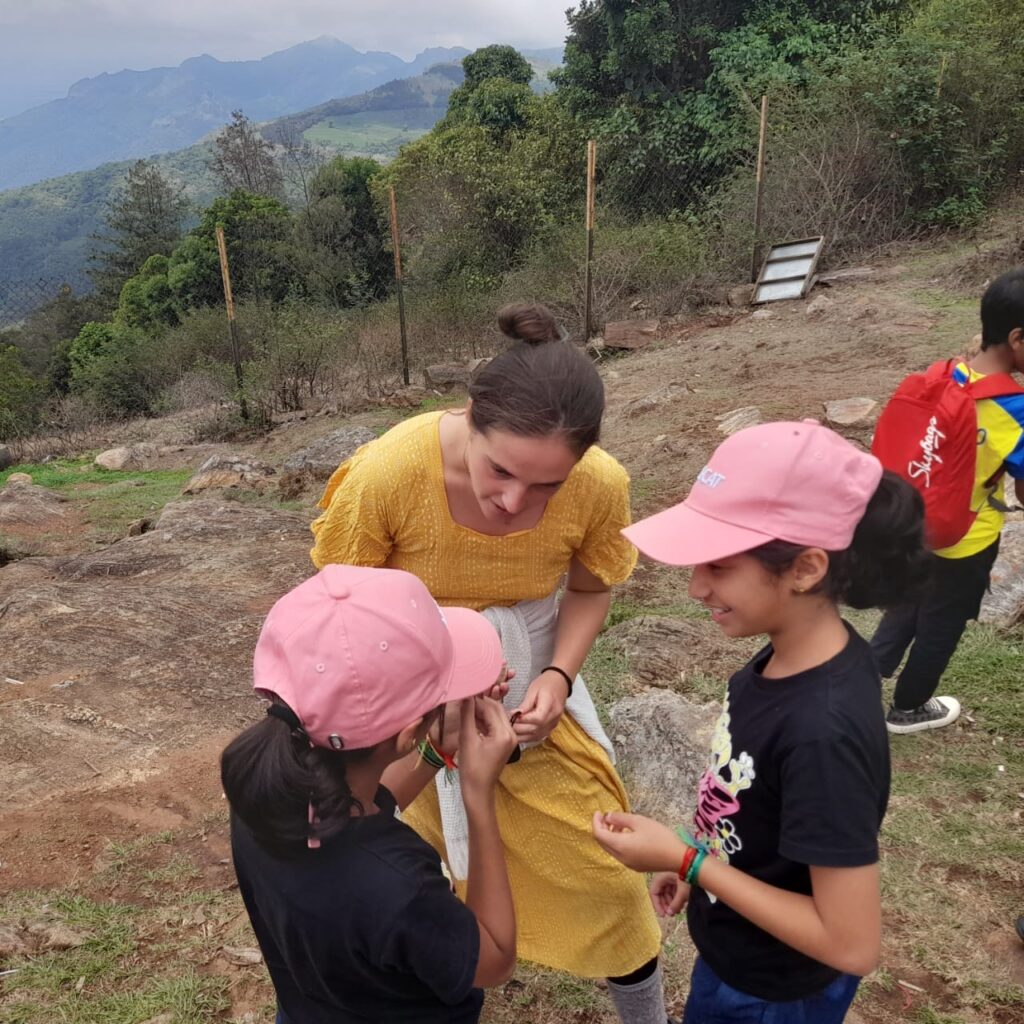
On the second day, students visited Longwood Shola and learned about the ecological significance of shola forests and the importance of conserving these unique ecosystems. Mr. Ramajeyam led the session, giving participants an opportunity to observe biodiversity firsthand.
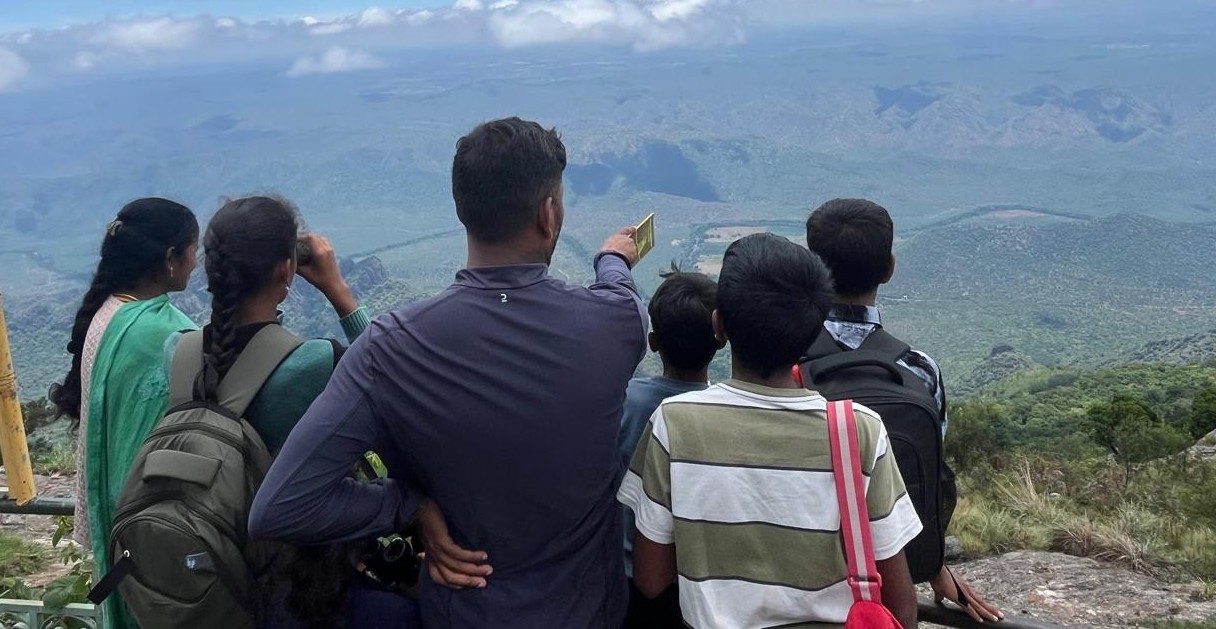
Afterward, the group travelled to Kodanad View Point, where students enjoyed panoramic views of the surrounding mountain ranges and landscapes through binoculars. As a result, the experience generated excitement and curiosity while helping them appreciate the beauty and value of natural habitats.
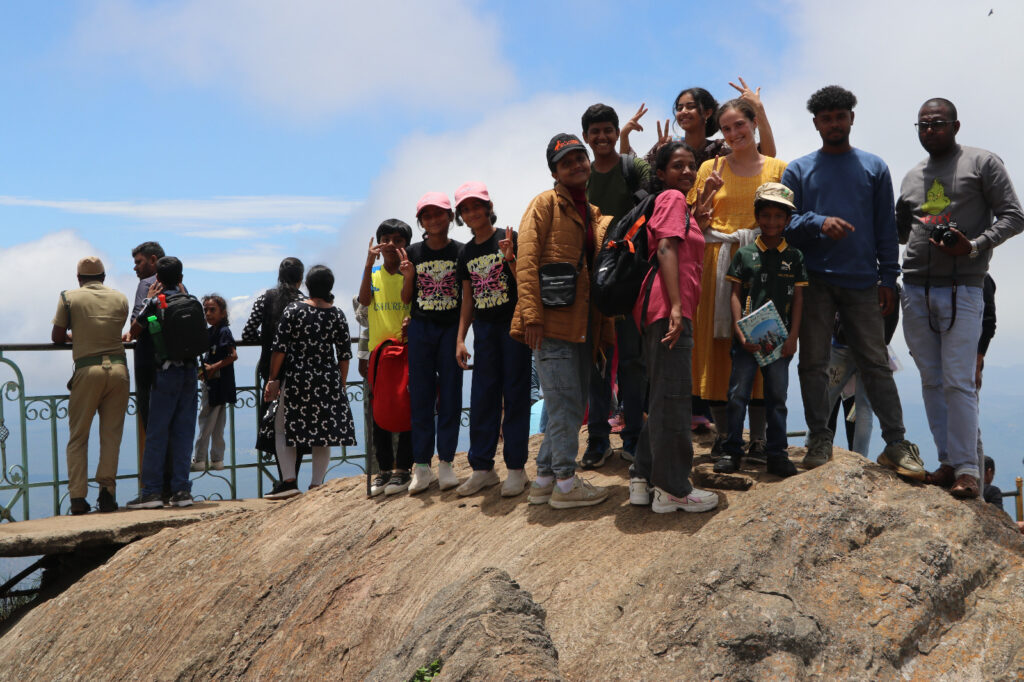
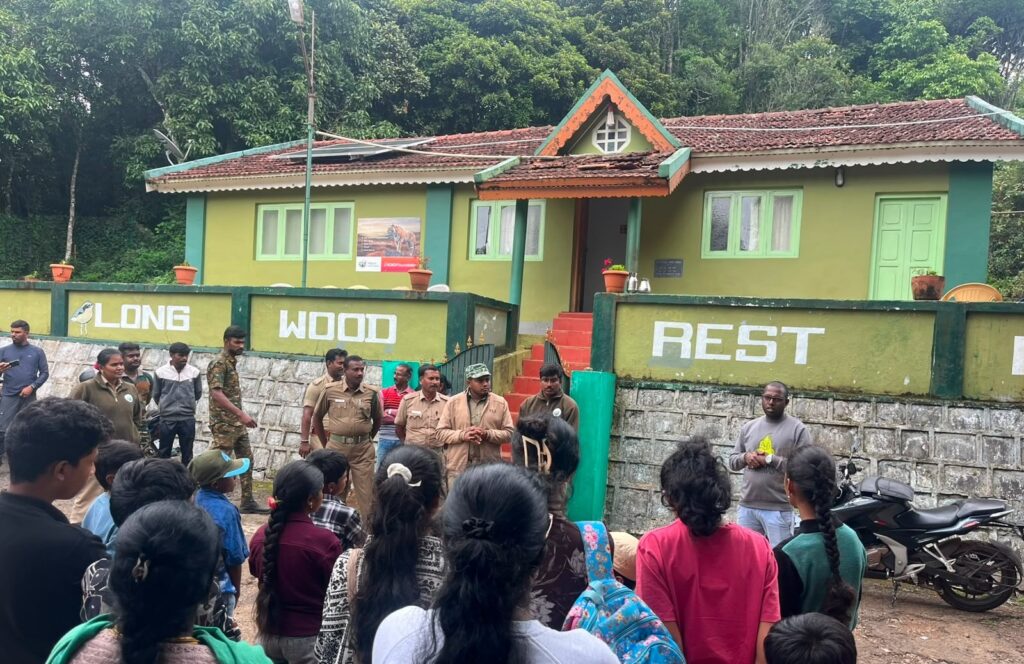
Photo credit: KF team
Celebrating World Bee Day:
After returning to the campus, students participated in a series of activities marking World Bee Day. Facilitated by Mr Shawn, the activities included a treasure hunt focused on bees, pollination, and their importance to biodiversity.
These activities reinforced key messages about environmental conservation and highlighted how even small species play an essential role in sustaining life on Earth.
Reflections and Recognition:
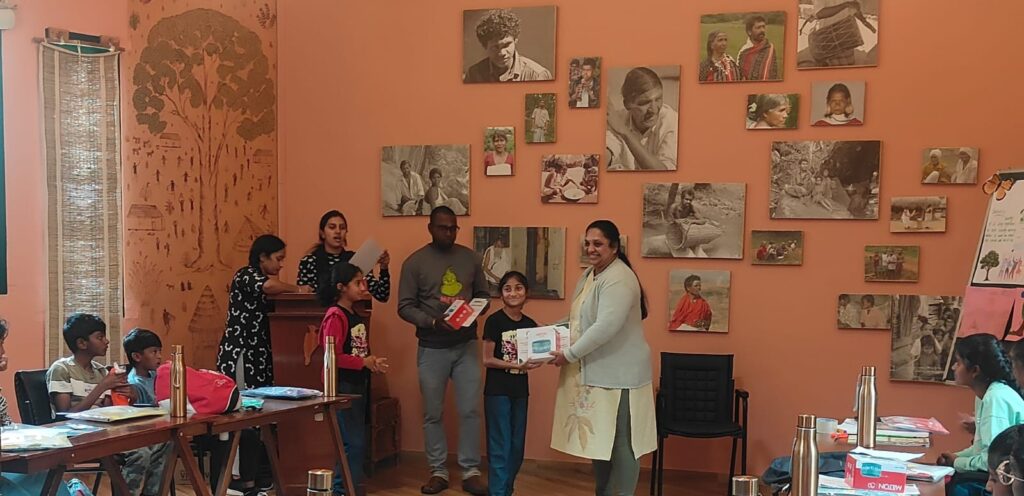
The camp concluded with a feedback session, where students shared their experiences and reflections on the two-day programme. Certificates were distributed to all participants in recognition of their enthusiastic participation and commitment to learning.