Vidya S, Climate Change
The summer holidays provided an opportunity to be with students beyond school classrooms to engage with children in villages across Kotagiri(Nilgiris)and Mananthavady(Wayanad), through three-week summer library-based learning and a two-day summer camp at Keystone. These initiatives were designed to make climate change more relatable by connecting concepts with students’ local environments and everyday experiences.
Learning in Villages:
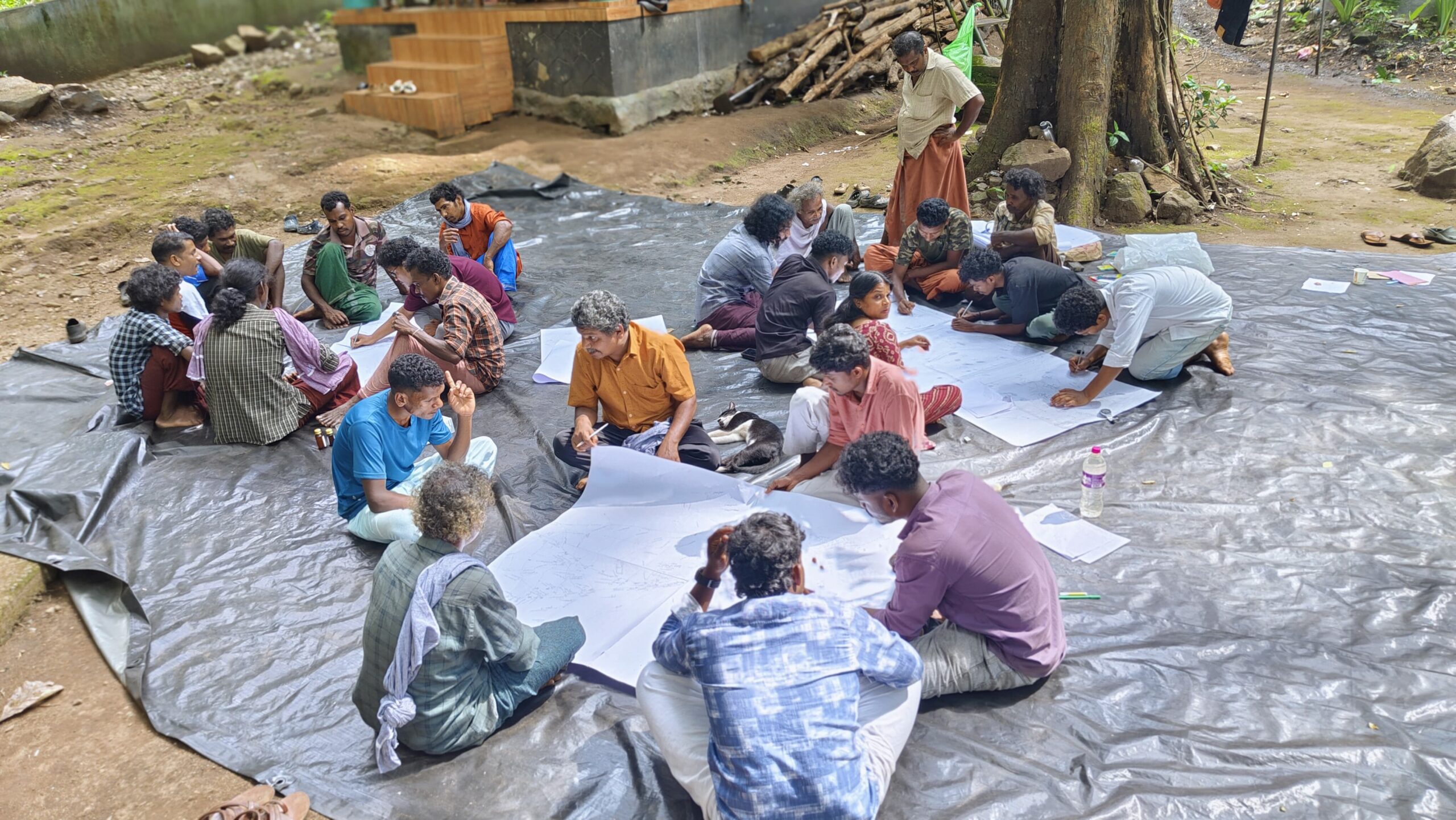
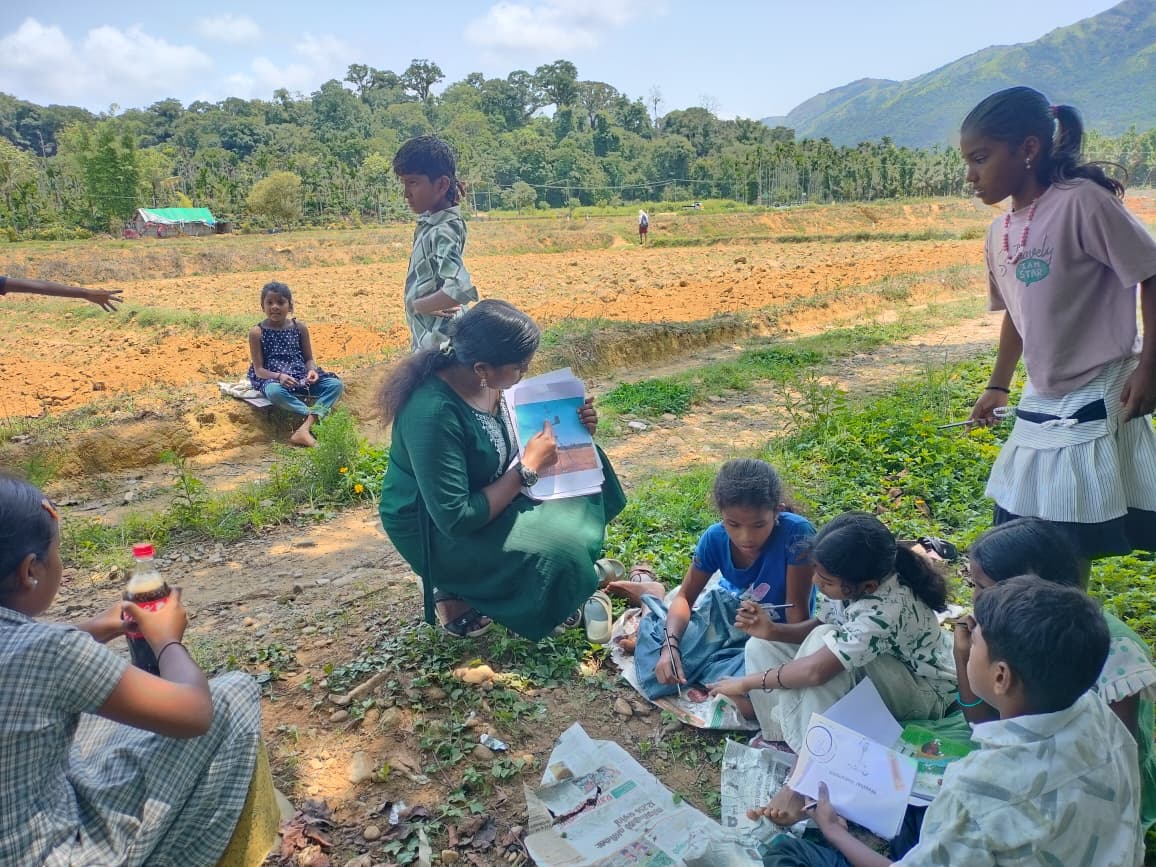
Climate Educators( Ponnamma K, Shailaja C, Bharathi V, Manimegalai M, Gretta T) conducted sessions with children in Valluvar Colony, Kasturibai Nagar, Om Nagar, Krishna Pudur, Thirunelli, and Begur. Around 65 students aged 10–16 years participated in the programme.
These sessions focused on making climate education relevant to students’ everyday lives.
The village itself became a learning space. Students were encouraged to observe their surroundings and identify environmental changes.
This helped them understand their local environment in a new way. Many students shared that they had started noticing things they had never paid attention to before. The sessions created opportunities for intergenerational learning as village elders shared stories about environmental changes during discussions. Students enjoyed the games, which offered a refreshing break from classroom sessions and made learning more engaging.
Our educator Josmi from Mananthavady remarked that “The village became our classroom, where every path, conversation, and observation offered a lesson beyond class,” highlighting the value of place-based learning. Similarly, an educator from Kotagiri shared that “It was exciting to see village elders actively participating in the activities and attending every session alongside the children,”underscoring the importance of community participation.
Creative learning at the library:
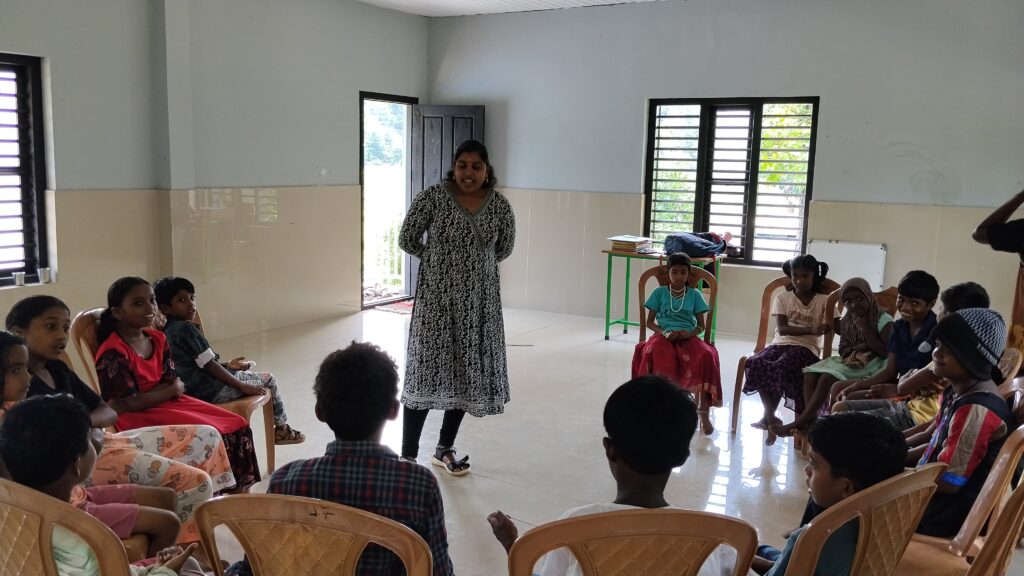
Building on the village sessions, we continued our engagement through the Summer Classes at Kotagiri Library. 30 students from nearby villages and other areas participated in weekly sessions facilitated by Climate Educators and intern Amelia Bronfman.
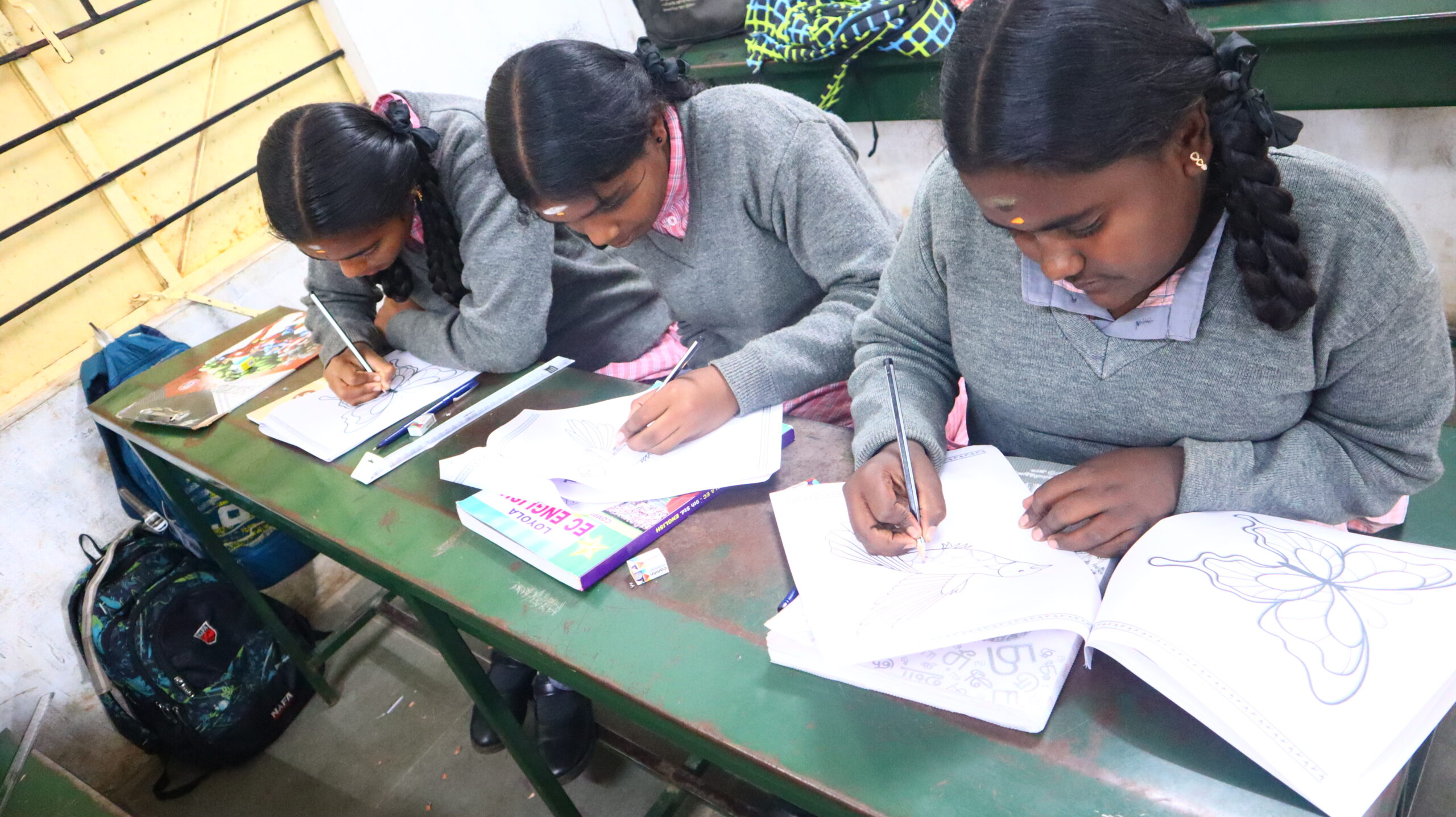
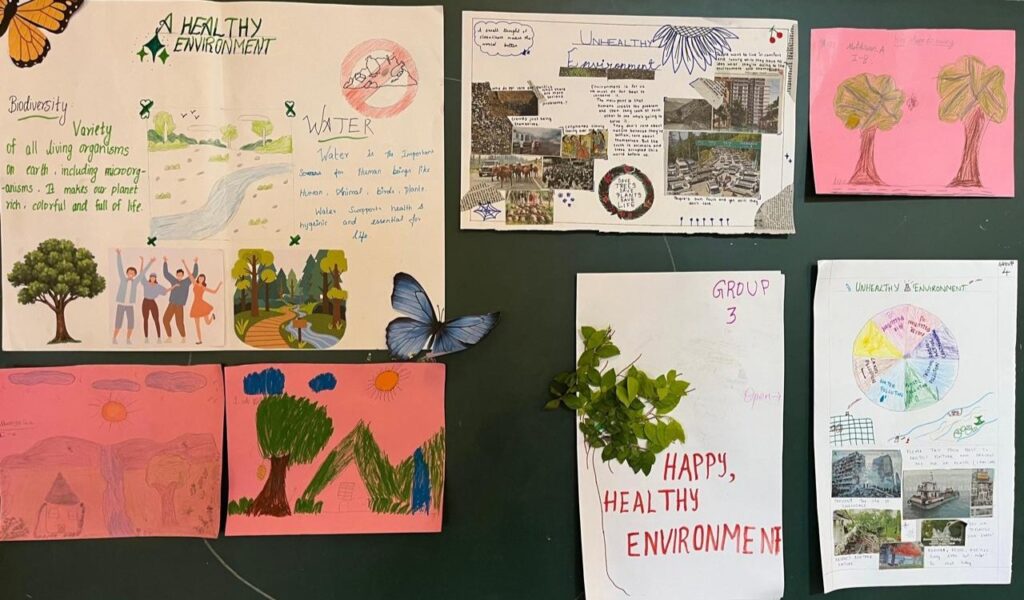
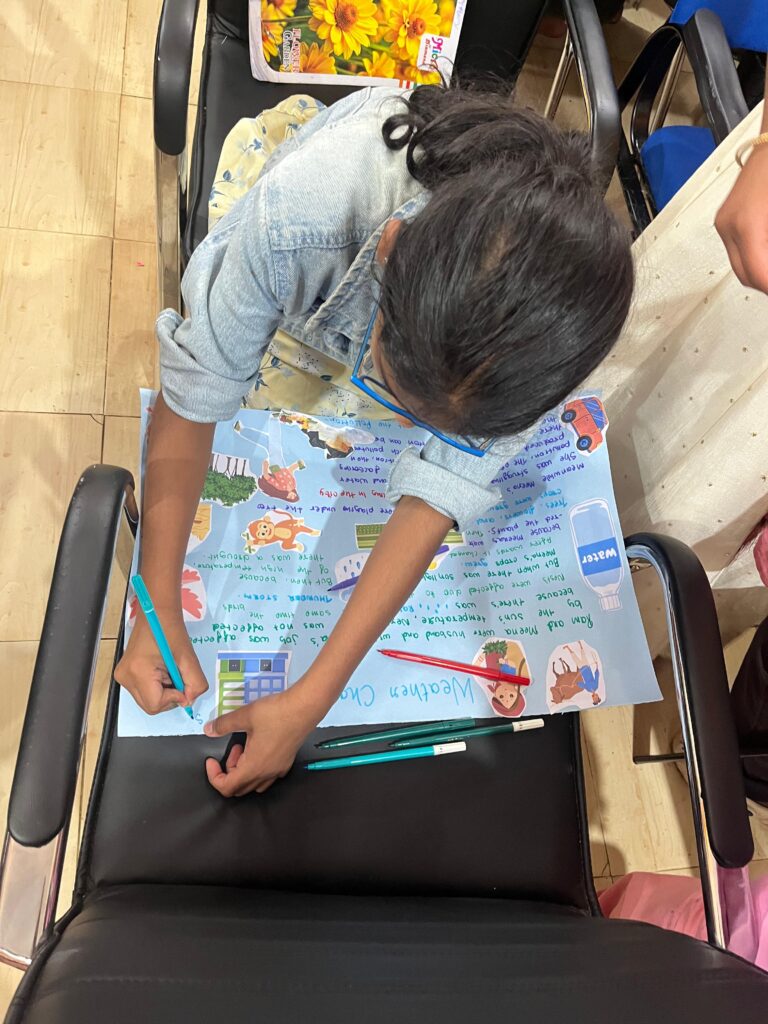
The library provided a space to explore climate themes through creativity and collaboration. Activities such as quizzes, collage-making, photo stories, and group discussions encouraged students to think critically while having fun. These activities not only built knowledge but also encouraged students to express their ideas and perspectives.
Educators reflected that “moving beyond conventional classroom methods and facilitating activities such as biodiversity webs and role plays made the sessions more enjoyable and effective for students”. Our intern Amelia also observed the enthusiasm with which students engaged in artistic exercises, noting how activities like story writing and photo collages enabled them to express their understanding.
Experiential learning at Summer Camp:
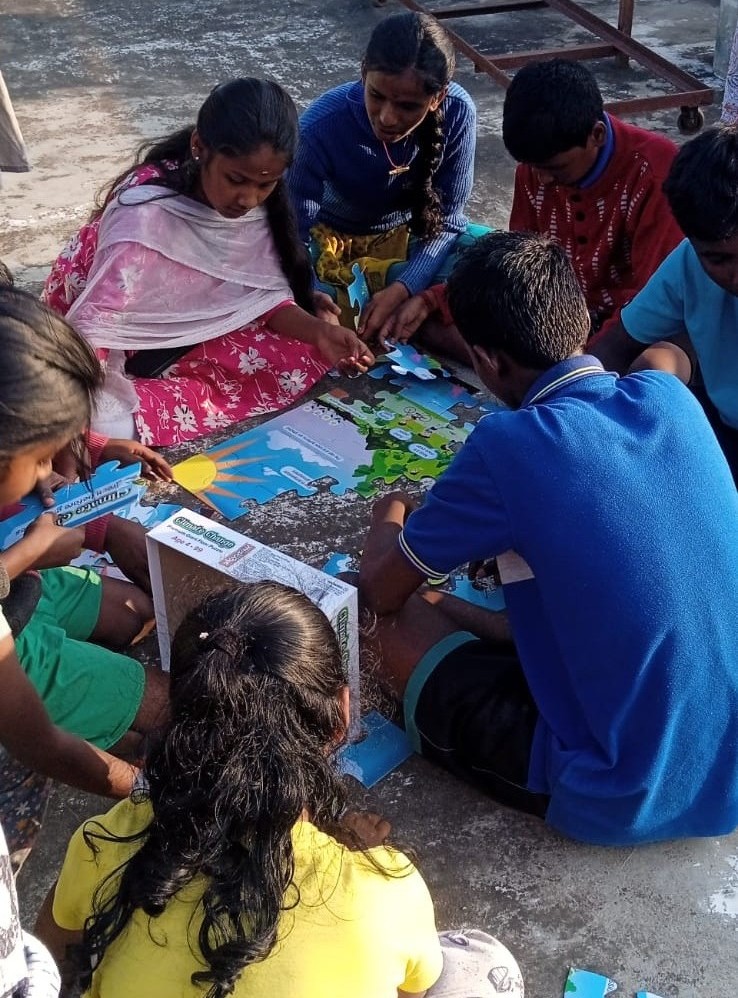
The annual summer camp, “Little Earth Defenders – Every Life Matters,” held at the Keystone campus, served as an engaging space for 23 students from diverse backgrounds to learn, explore, and connect with environment. Facilitated by the Climate Change, Biodiversity Conservation, and Community Wellbeing teams, the two-day camp focused on helping students understand the interconnections between biodiversity, health, and climate change through interactive discussions, games, group activities and field visits.
Together, the village sessions, library classes, and summer camp helped us reach nearly 118 students to explore climate and environmental issues in engaging and meaningful ways. By connecting activities to their local surroundings and everyday experiences, students became more curious and observant. These experiences showed the value of different methods of learning beyond the classroom by building a deeper connection.