By Ramachandran G., Community Wellbeing
Introduction
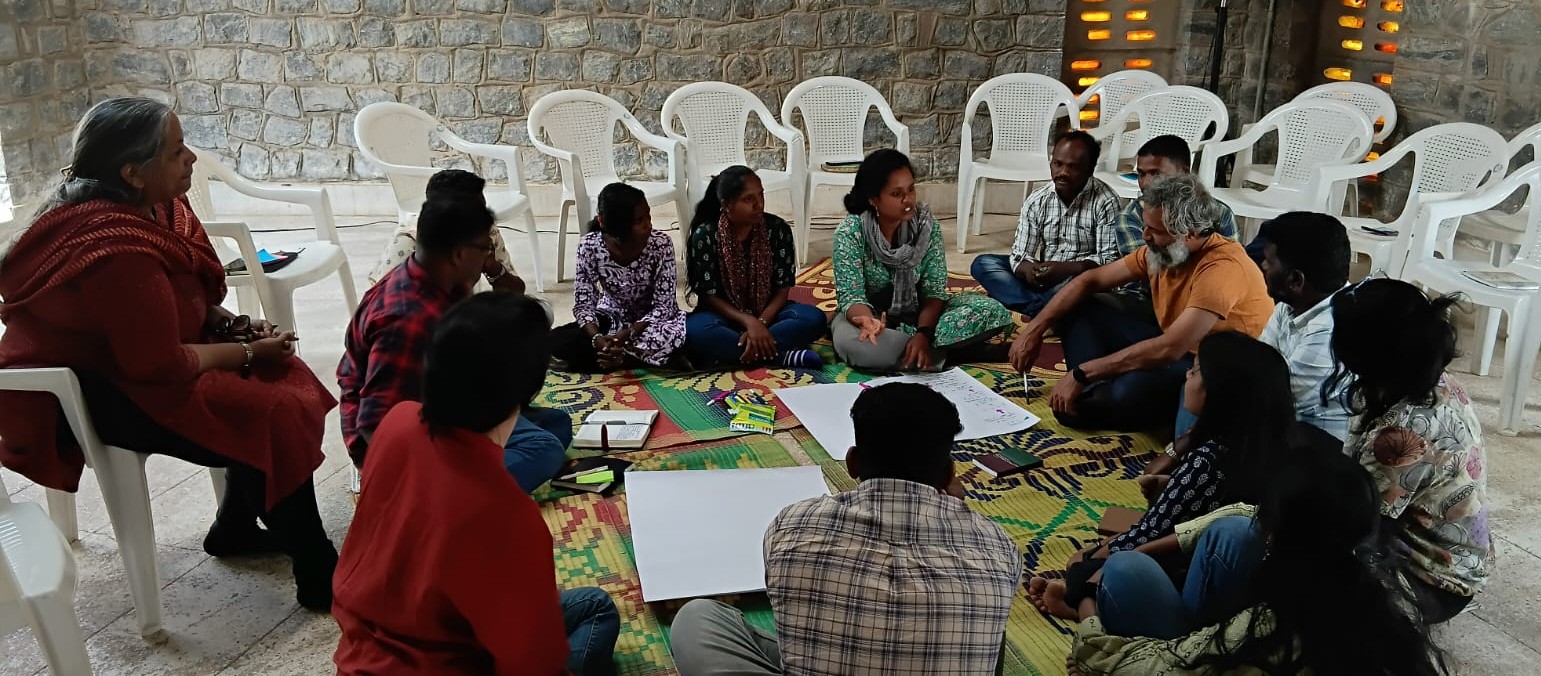
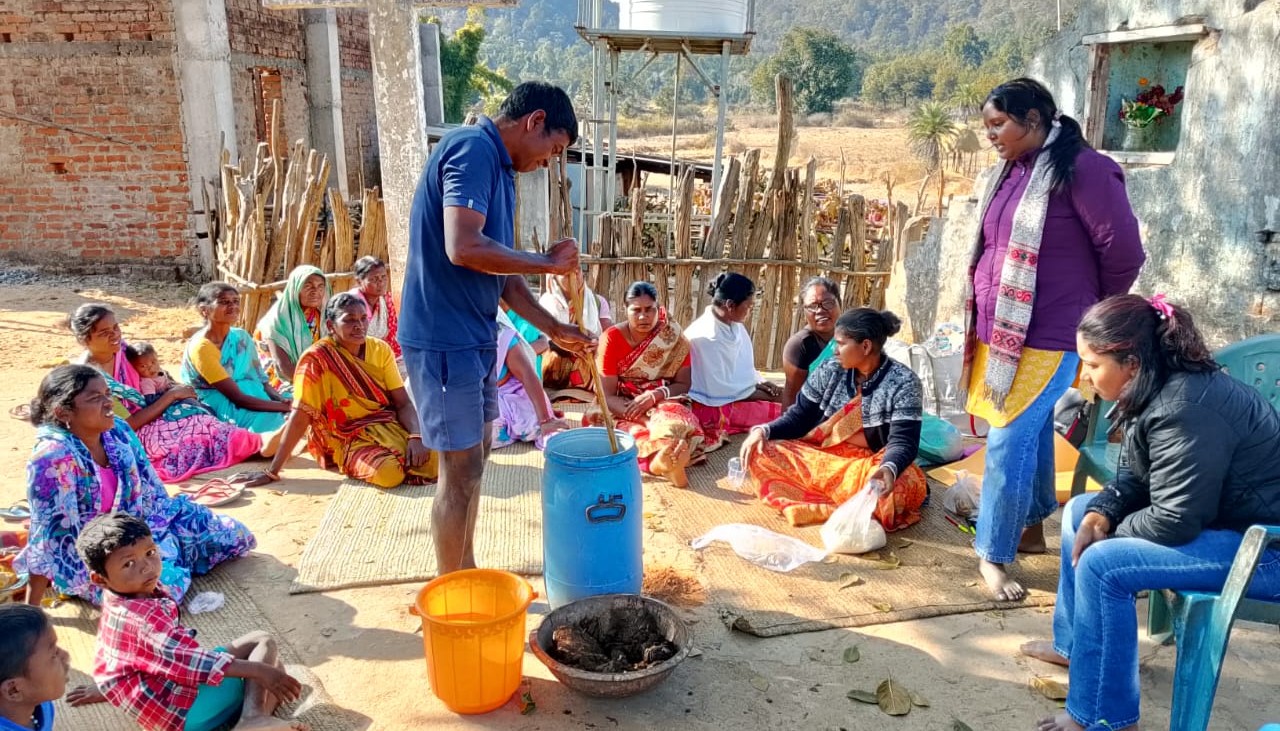
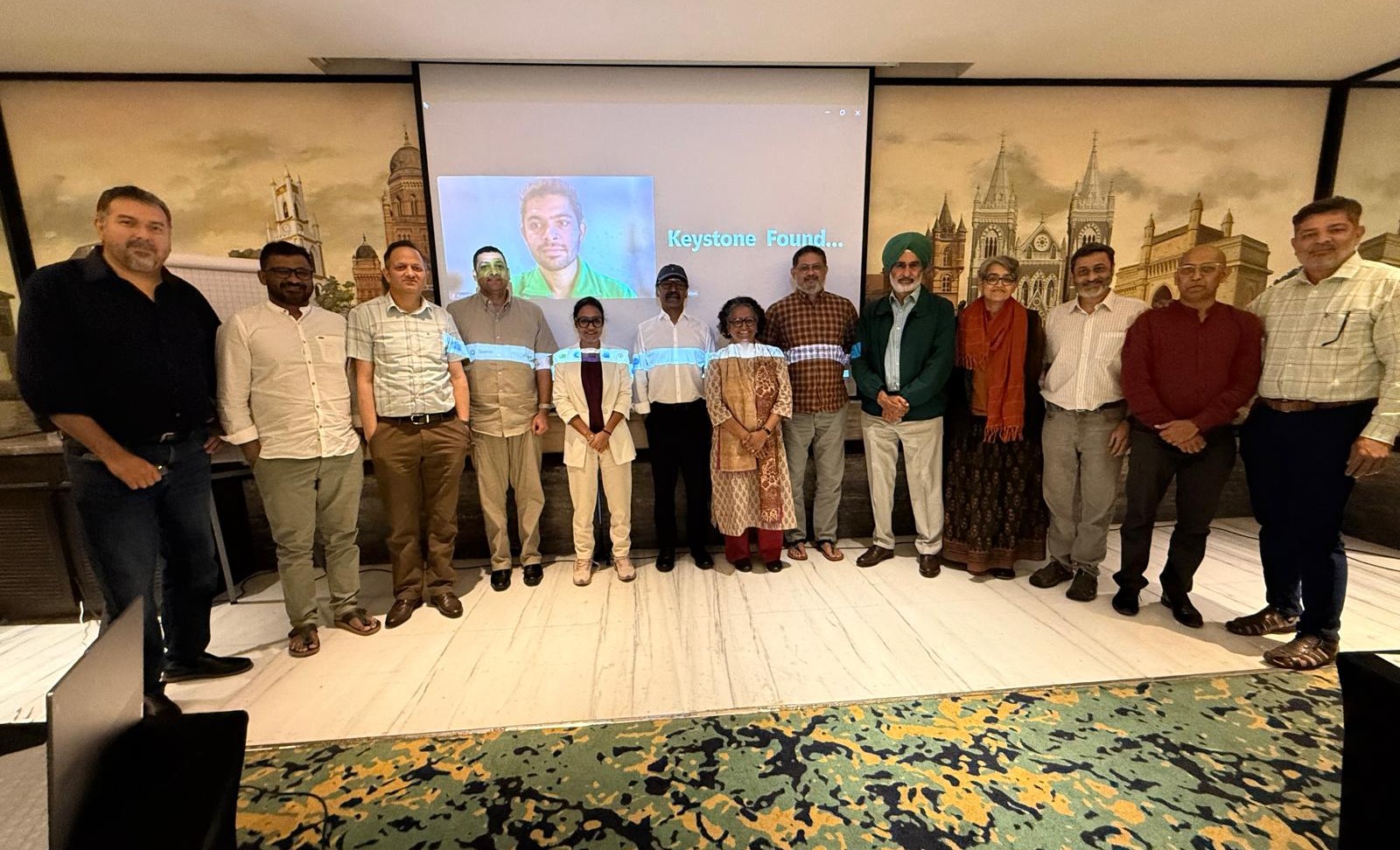
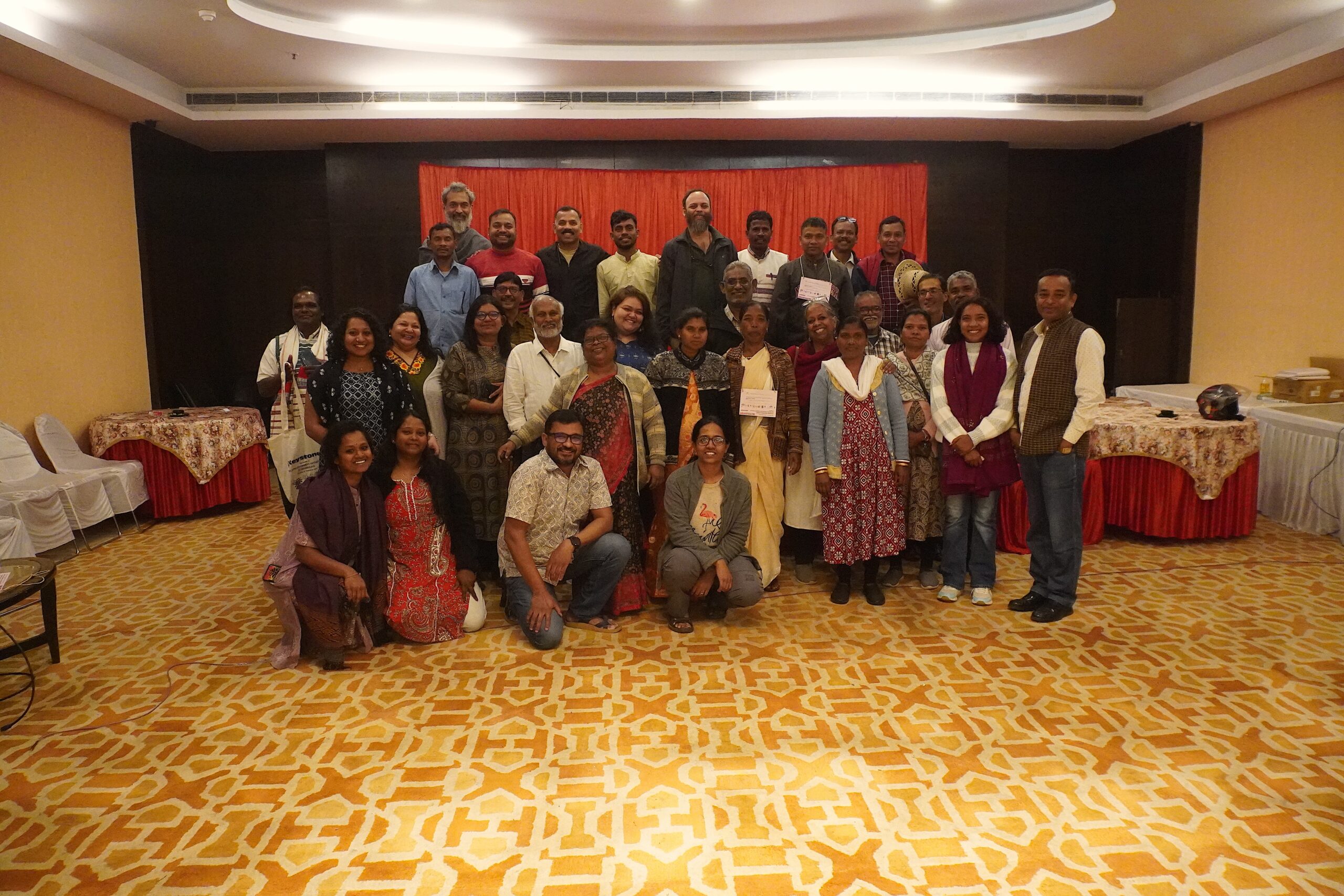
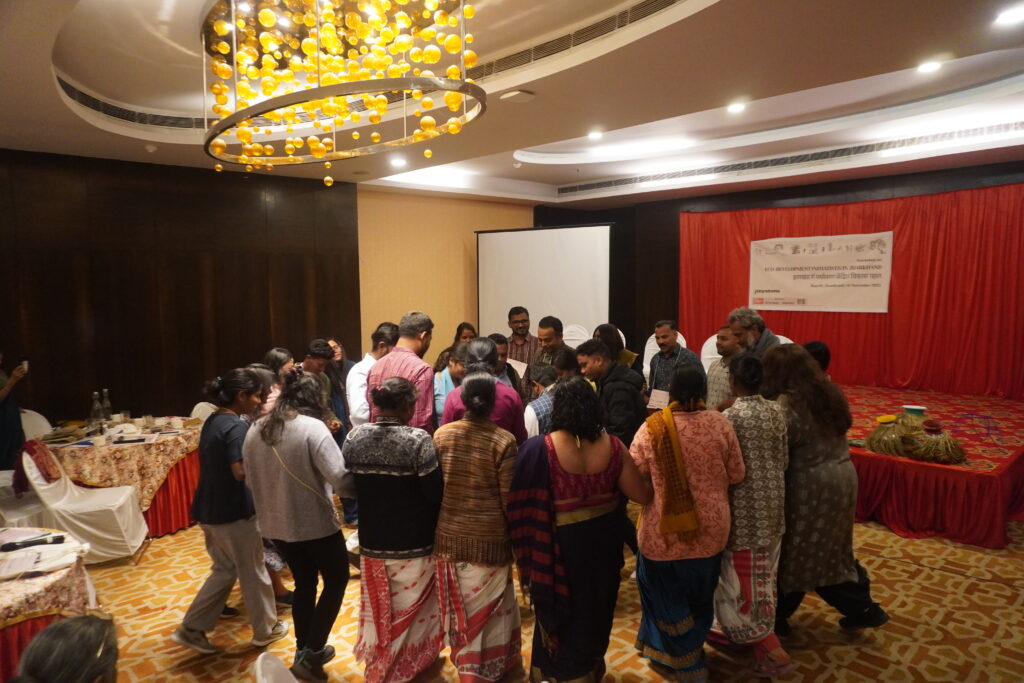
The workshop held in Ranchi on 12th November 2025 was organized to showcase Keystone Foundation’s six years of work in Jharkhand and to deliberate on pressing issues facing the region. The event brought together Non-Governmental Organizations, civil society groups, government representatives, grassroots entrepreneurs, students, and community leaders. The overarching aim was to build solidarity, strengthen relationships, and foster participatory collaboration for eco-development—an approach that integrates ecological sustainability with economic empowerment.
Session 1: Inaugural and Keynote
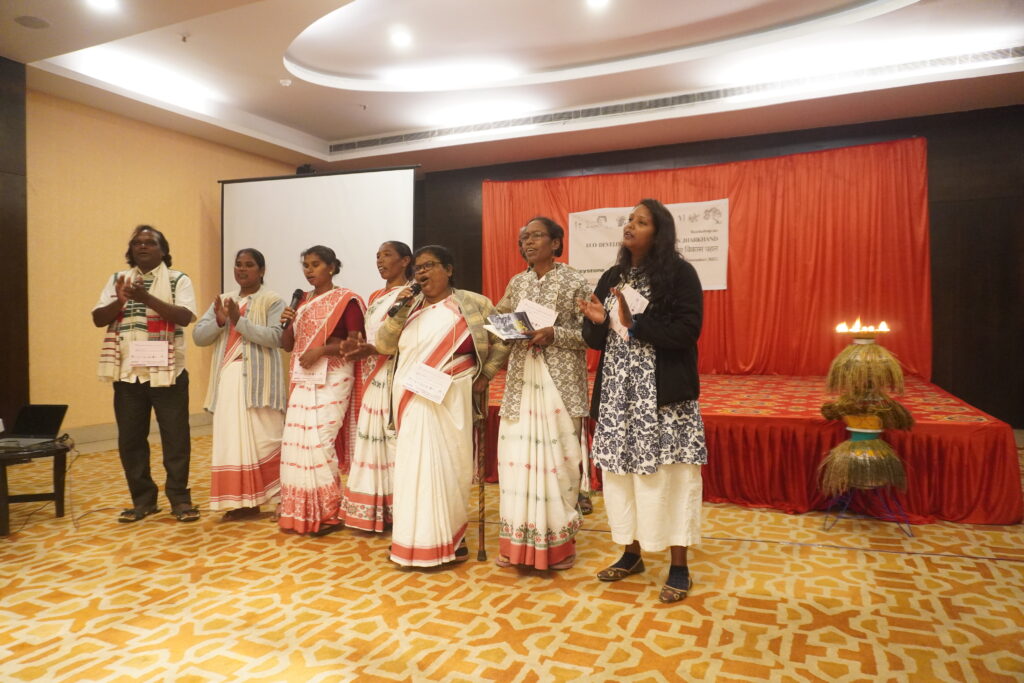
The workshop commenced with a ceremonial lamp-lighting led by leaders from different communities, symbolizing the spirit of collective enlightenment. A cultural performance followed, with Prema presenting an Oraon community song written by Salomi, setting a tone of inclusivity and rootedness in Indigenous traditions.
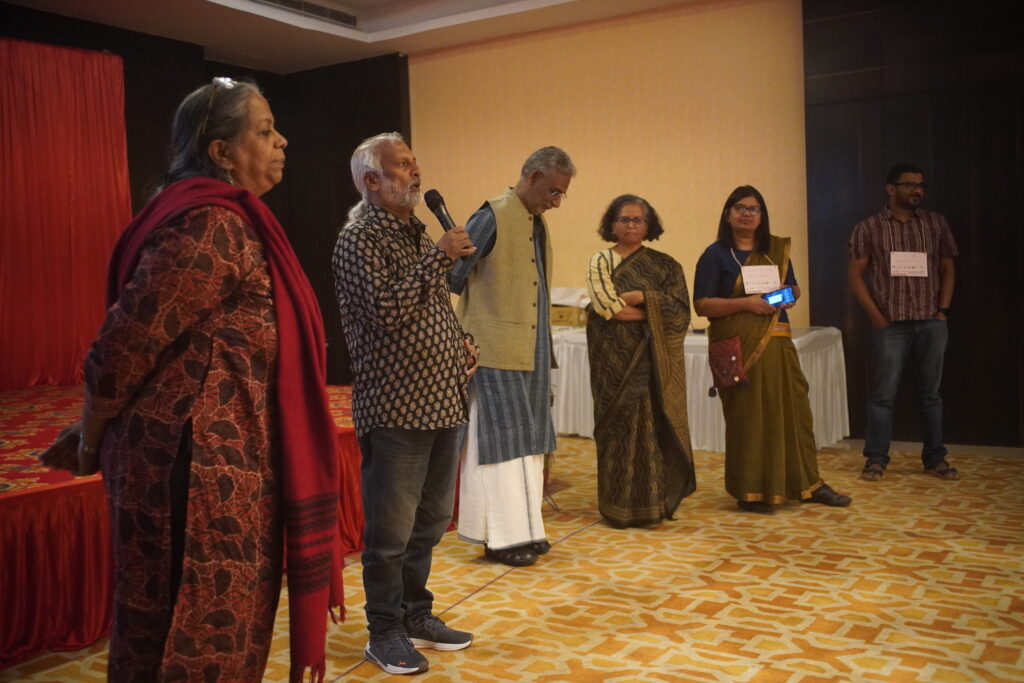
Pratim Roy, the Founder director of Keystone Foundation, delivered the introductory speech and welcomed the chief guest, Manabendra Nath Sanyal, CEO of Youth Aid Foundation. Sanyal emphasized the nuanced meaning of “development,” cautioning against greed and stressing harmony with nature. He highlighted his organization’s achievements since its inception in 2016:
- Training 20,000 women in entrepreneurship, with 12,000 continuing their businesses.
- Several women entrepreneurs achieving turnovers exceeding ₹1 crore.
- Promoting women’s participation in non-traditional sectors such as driving.
- Extending economic empowerment to vulnerable groups, including LGBTQ+ communities.
The Youth Aid Foundation’s mission is to provide entrepreneurial skills to marginalized communities, aiming to reach one million people by 2030.
Case Studies
Two inspiring stories were shared:
- Sanantha, a tribal woman trained in making mahua laddus, achieved an annual turnover of ₹8 lakh after participating in exhibitions and receiving infrastructure support.
- Roopali Mandre, who started with imli candy during the COVID-19 crisis, leveraged seed funding and government loans to build a business with an annual turnover of ₹18 lakh, earning recognition as a best entrepreneur.
A short film on “Adisakhi – WASH Mitra” was screened, showcasing women’s transformative journeys in sanitation and hygiene.
Program Frameworks
Three flagship initiatives were presented:
| Saksham | Sankalp | Sphoorthy |
|---|---|---|
| Identifying and training potential entrepreneurs | Supporting business development | Monitoring and fast-tracking enterprises |
Handholding support was also highlighted through:
| Yes Nidhi | Yes Talk | Yes Summit |
|---|---|---|
| Revolving fund for business development | Platform for sharing insights and accessing tech assistance | National networking and guidance platform |
After the Keynote address, the Founder directors, Directors and Senior Program Coordinators shared their experiences and the work that Keystone Foundation is engaged in.
Session 2: Livelihoods, Water, Agroecology, and Nature Education
Moderated by Rohan Mukherjee, this session focused on Keystone’s interventions in Central and Eastern India. The panellists represented diverse communities and thematic areas.
Key Contributions
Surja Paharia spoke about traditional farming systems of the Paharia community, including Jhara and Kurva (shifting cultivation). Crops such as maize, pearl millet, and cowpea are central to their practices. Cordulla Kujur highlighted women’s nutritional issues, migration challenges, and youth disengagement. She emphasized the need for leadership seminars and women’s groups to address livelihoods and social issues. Jagbandhu Da advocated for traditional seeds and forest protection committees, stressing community-led conservation. Jyoti Patale focused on nature-based education, the importance of vernacular languages, and the role of forest education in climate awareness. Prashanto Da shared experiences with the Sabar community, emphasizing leadership building, decentralized village offices, compulsory education, and women’s financial empowerment. Finally, Soumik Bannerjee discussed water scarcity in mountainous regions and Keystone’s impactful interventions in spring-shed management, which relieved women from the burden of fetching water.
Abhijit from Praxis stressed the importance of promoting local languages in education and bridging traditional and modern knowledge systems.
Concerns were raised about unpredictable market dynamics, microfinance-induced migration, and suicides among ultra-poor communities. Solar irrigation was discussed, with questions about responsibility and sustainability.
The session concluded with a song by DISOM Foundation students, celebrating youth empowerment and social transformation.
Session 3: Just Transitions – The Coal Ecosystem
This session, led by Thasnim Khorakiwala, examined the coal sector’s role in Jharkhand and India’s energy transition. During this session, we learned how coal contributes 72% of India’s fuel emissions.
- India has pledged to achieve net-zero carbon by 2070.
- Jharkhand derives 57% of its GST revenue from minerals and fuels.
- Over 3 lakh people are directly employed in mining in Jharkhand, with 10 lakhs indirectly dependent.
- Sixteen mines have been officially closed, offering opportunities for land reclamation and livelihood enhancement.
The SAATHI network, comprising 30 NGOs, was formed to amplify community voices during the Just Transition process. UNDP identified nine sectors for livelihood augmentation, including skilling and financing.
Panel Discussion
- Kiran: Highlighted youth employment in coal mines, soil degradation, and water scarcity. He emphasized the role of CSO networks in sensitizing communities.
- Panelist 2: Raised concerns about community dignity, socio-cultural impacts, and lack of awareness about Just Transition activities.
- Deepak Sinha: Criticized the diversion of DMFT funds meant for rehabilitation. He suggested alternative livelihoods such as hotels and teashops for coal-dependent families.
- Bhanu (Dhatri): Pointed out misuse of DMFT funds for non-essential projects like wedding halls. He advocated for community-driven land restoration and convergence of funds with government programs.
Session 4: Culture, Community, Knowledge, and Youth Perspectives
This session amplified youth voices on education, culture, and livelihoods. During the session, youths expressed emotional distress over losing their mother tongues, linking language to cultural identity and land rights. Shalini from “Adivasi Lives Matter” shared how conversion and modern education eroded traditional knowledge, but social media is now being used to relearn indigenous languages. Participants emphasized that teaching in mother tongues boosts confidence and preserves cultural heritage. Concerns were raised about digitalization, which, while offering preservation tools, also risks exploitation of Indigenous knowledge, especially seeds and biodiversity. The Leptar tribe’s knowledge of 40 bamboo varieties was cited as an example of rich community wisdom that must be safeguarded.
Donor Feedback
Donors appreciated the breadth of discussions—from livelihoods to culture—and urged Keystone Foundation to sustain solidarity efforts. They recommended forming working groups on specific themes and organizing periodic discussions.
The workshop concluded with Bhavya George of Keystone Foundation thanking participants and ending with a Kannada song symbolizing integration and unity.
Conclusion
The Ranchi workshop was a vibrant melting pot of ideas, experiences, and aspirations. It highlighted the importance of eco-development that balances ecology and economy; the transformative potential of grassroots entrepreneurship, especially for women and marginalized groups; the need for participatory approaches in livelihoods, water management, agroecology, and education; the urgency of addressing challenges in the coal ecosystem through Just Transition frameworks; and the critical role of culture, language, and Indigenous knowledge in sustaining community identity.
The workshop underscored that development must be inclusive, sustainable, and rooted in local contexts. Keystone Foundation’s role as a facilitator of networks and solidarity was reaffirmed, with calls for continued engagement and thematic working groups.
Photos by Rohan Mukerjee