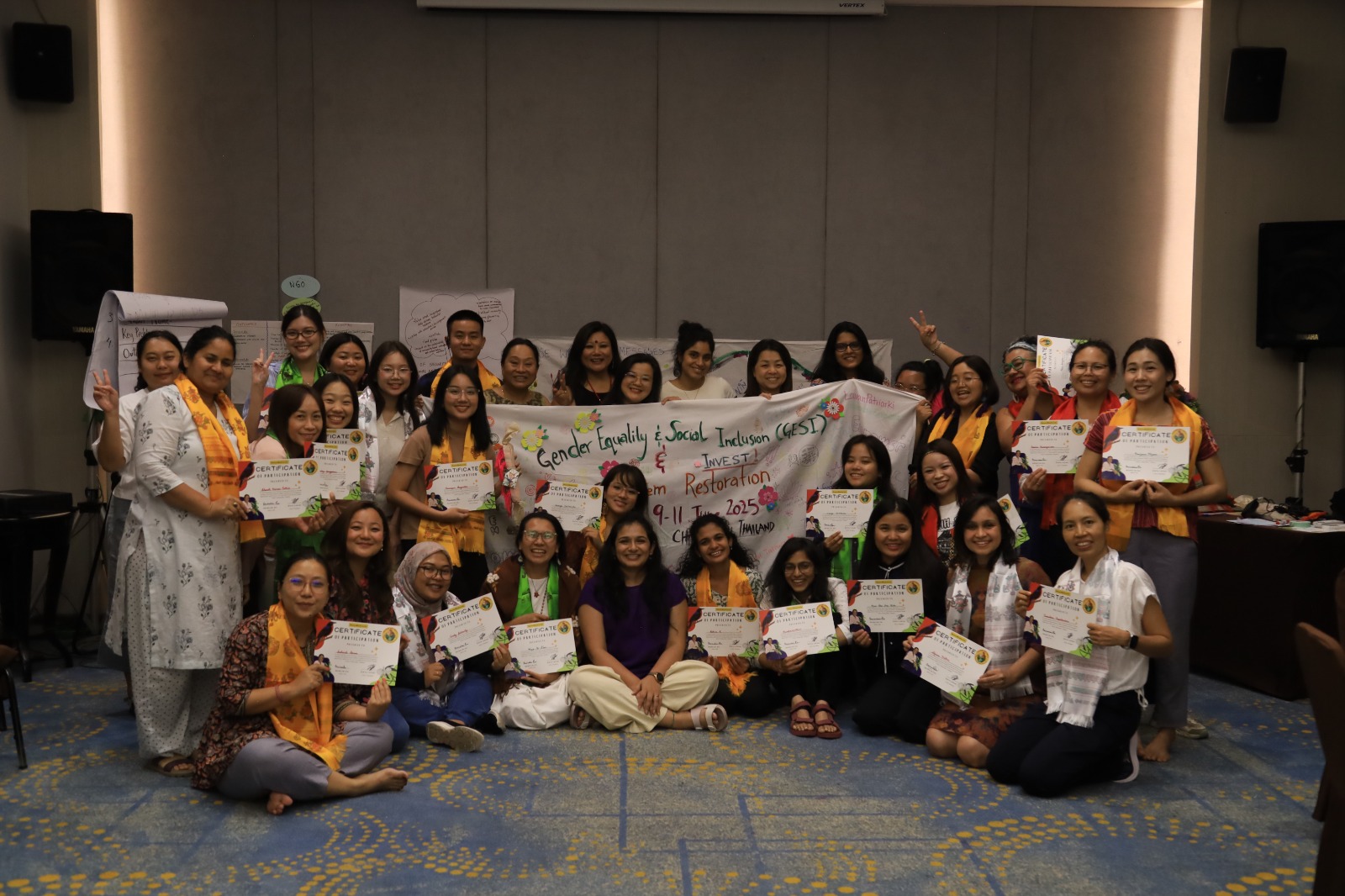
By Reshma- Climate Change, Harsha-Biodiversity Conservation
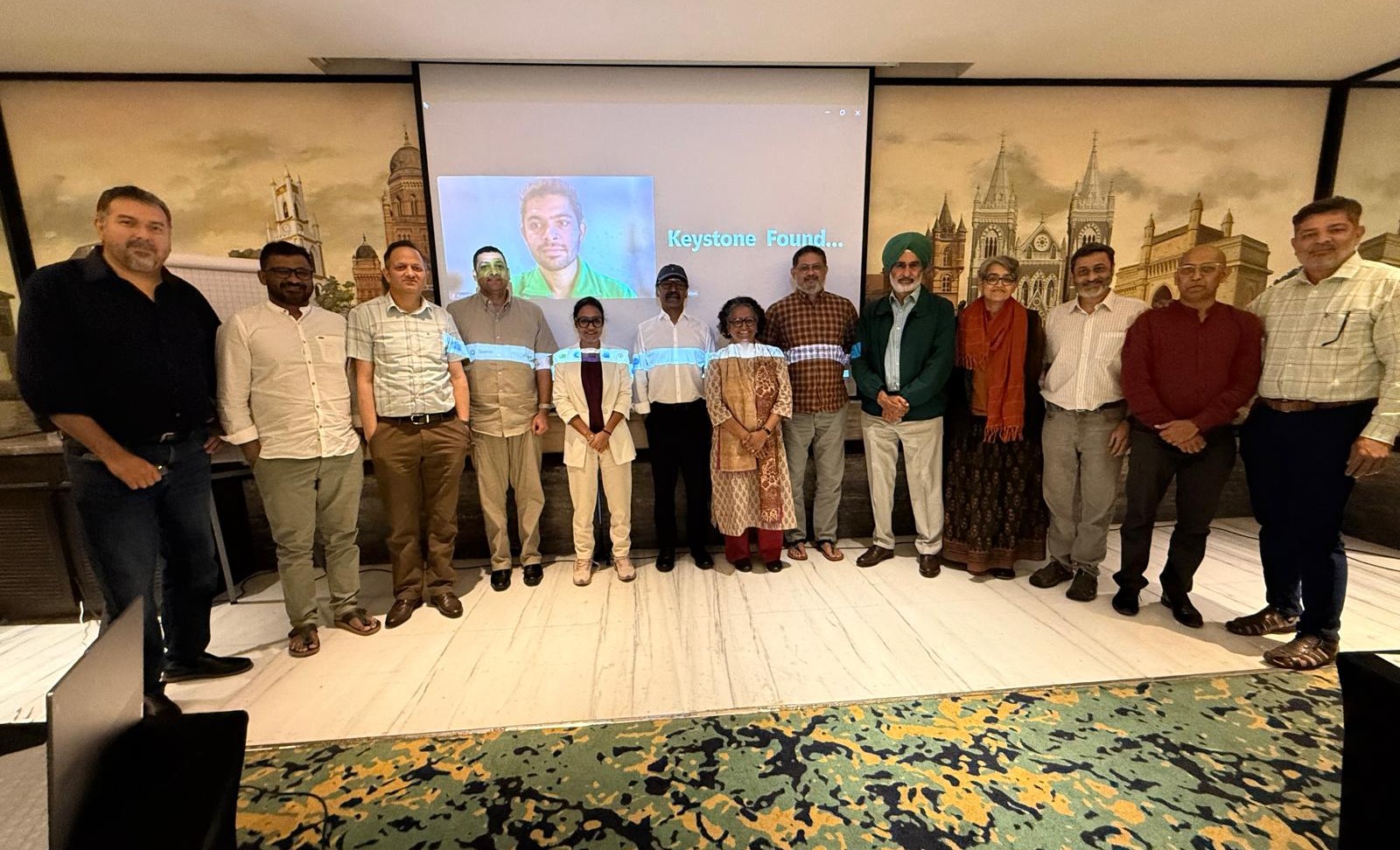
From June 9th to 11th, 2025, Women4Biodiversity, a global advocacy organisation working at the intersection of biodiversity and gender justice, organized a three-day regional workshop in Chiang Mai, Thailand. The workshop, titled “Integrating the GESI Framework into Ecosystem Restoration: A Gender Responsive Approach,” brought together 30 participants from across Asia, including India, Thailand, Indonesia, Myanmar, and Nepal.
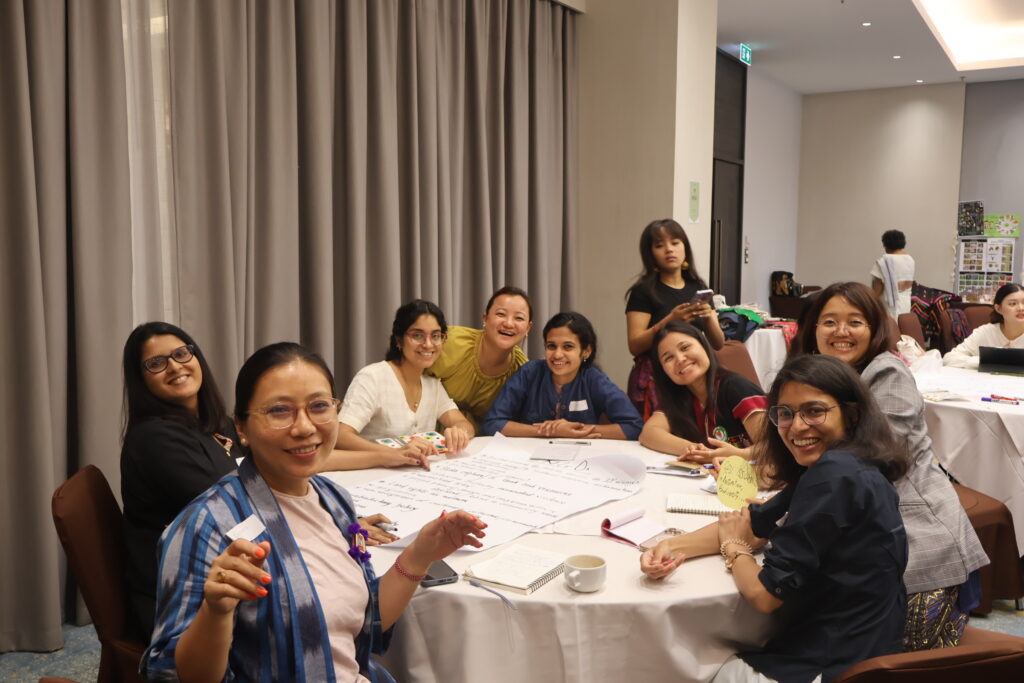
The event focused on strengtheningthe understanding and application of the Gender Equality and Social Inclusion (GESI) framework within ecosystem restoration efforts. It aimed to create a space for learning, dialogue, and reflection on how gender-responsive approaches can be practically integrated into environmental work.
The sessions were led by Ms. Dibya Gurung, an expert in gender, social inclusion, and natural resource management, and Ms. Mrinalini Rai, Founder and Director of Women4Biodiversity, both of whom brought decades of experience and deep insight to the conversations.
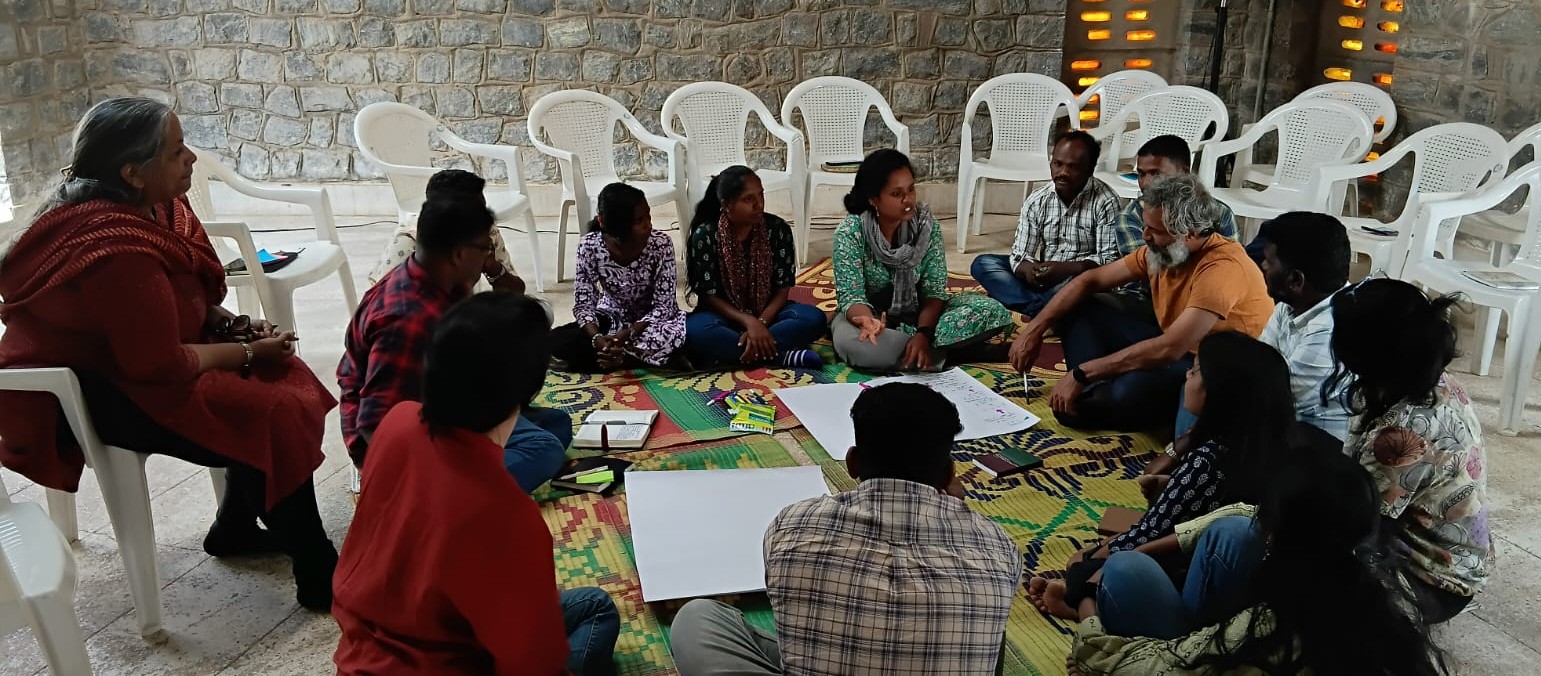
Through a mix of case studies, group exercises, and self-reflection tools, the workshop emphasized moving beyond theory and into practice. It also fostered a collaborative and safe environment where participants could engage openly and share their lived experiences from diverse ecological and social contexts.
Harsha’s reflections from the Workshop
Attending the GESI workshop in Chiang Mai was both a professional and personal milestone for me. Representing Keystone Foundation and India alongside Reshma, I found the experience deeply meaningful—not only because of the rich content shared, but also the safe and inclusive space that was created for all of us to learn and unlearn together.One moment that stood out for me was the “Who Am I?” exercise. Writing anonymously about our identities and reading others’ reflections on the wall helped peel back layers of assumption and self-censorship. It opened a doorway for honest connection, empathy, and awareness that stayed with the group throughout the three days.
The facilitators didn’t just explain the GESI framework—they embodied it. They helped us understand what it truly means to “walk the talk” by giving us practical tools and real-life examples on how to integrate GESI in our work. One important takeaway for me was that integrating GESI is not just about ticking a box in project design—it requires time, trust, and relationship-building with the communities we serve.Beyond the sessions, exploring Chiang Mai’s local culture—from bustling night markets to peaceful temple visits—made the experience even more special. I return with not just new knowledge, but with clarity, confidence, and commitment to bring gender-responsive thinking into our restoration work on the ground.
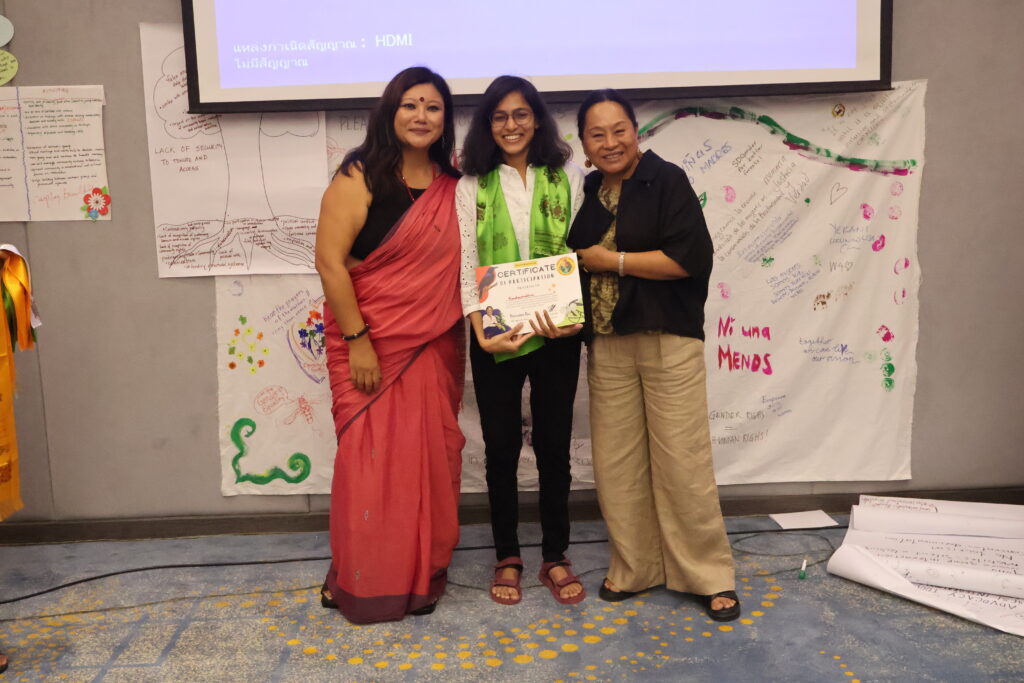
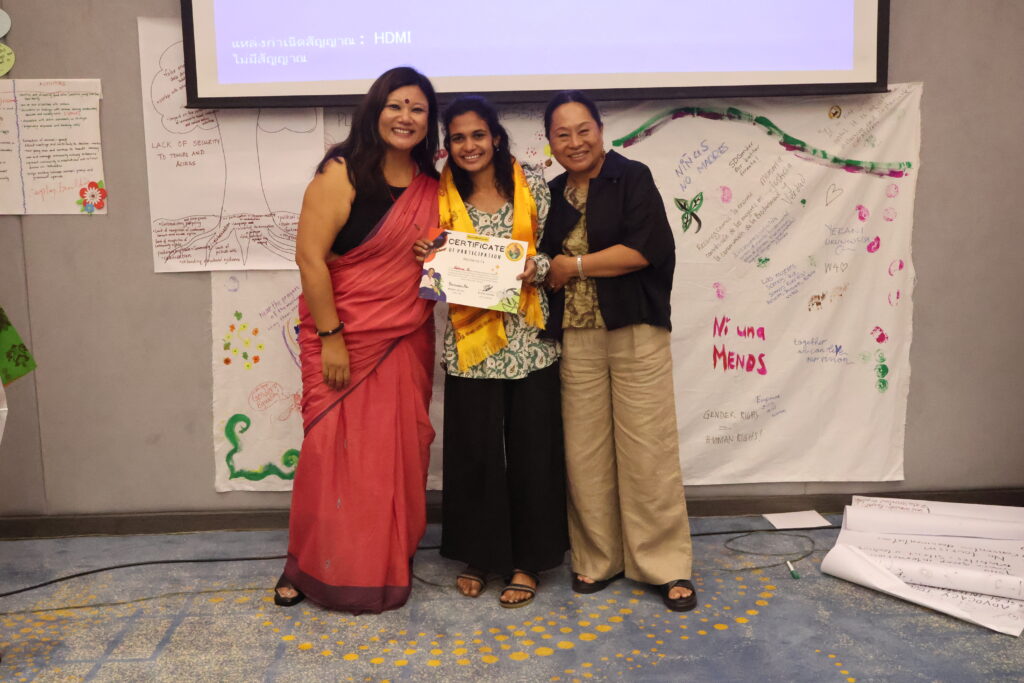
Reshma’s reflections from the Workshop
My first international trip to Chiang Mai, Thailand, to attend a training workshop on integrating GESI into ecosystem restoration organised by Women 4 Biodiversity was filled with many valuable insights and meeting interesting people. Working on themes of Gender and Climate Change with the indigenous community has always provided me with a space to delve deeper. My experience comes from being part of several gender trainings that we organized at Keystone. Attending the training on GESI as a participant gave me a space to discuss and explore topics in detail and gave me a better understanding of the concept. The workshop had an equal amount of conceptual and practical discussion, which made it more interesting and made me want to deep dive into these concepts and incorporate the learnings into my work.
Major Learnings
– Strengthened my understanding of GESI as a concept and its practicality in my work.
– Chance to explore a problem related to restoration, which was a group activity, and to propose solutions with indicators and activities that integrate GESI. Usually, when we started the process, the indicators were mostly quantitative, but to make it more qualitative, we had an immense discussion with many field examples, which made our proposal stronger.
– Got a chance to understand concepts of Implicit bias, Intersectionality (Historical discrimination, Situational vulnerability), and gender relations. These concepts will enable us to move forward in the direction of “Leave No One Behind” (LNOB).- “Women have time poverty, but she has to be in the decision-making” was one of the quotes that I took from the workshop, and I hope to apply it in my work area.
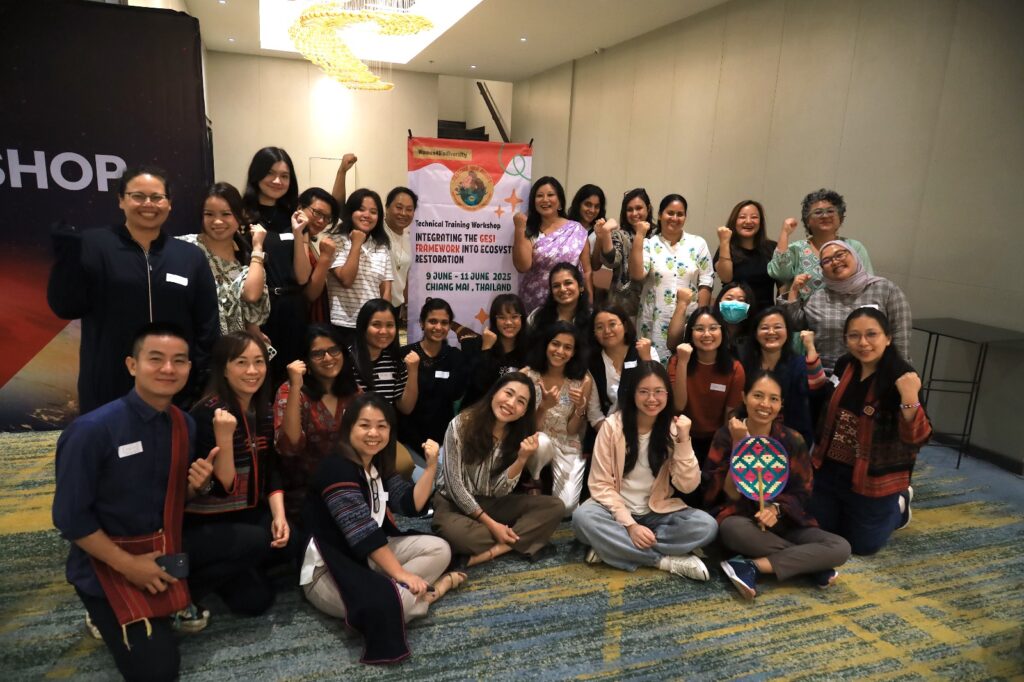

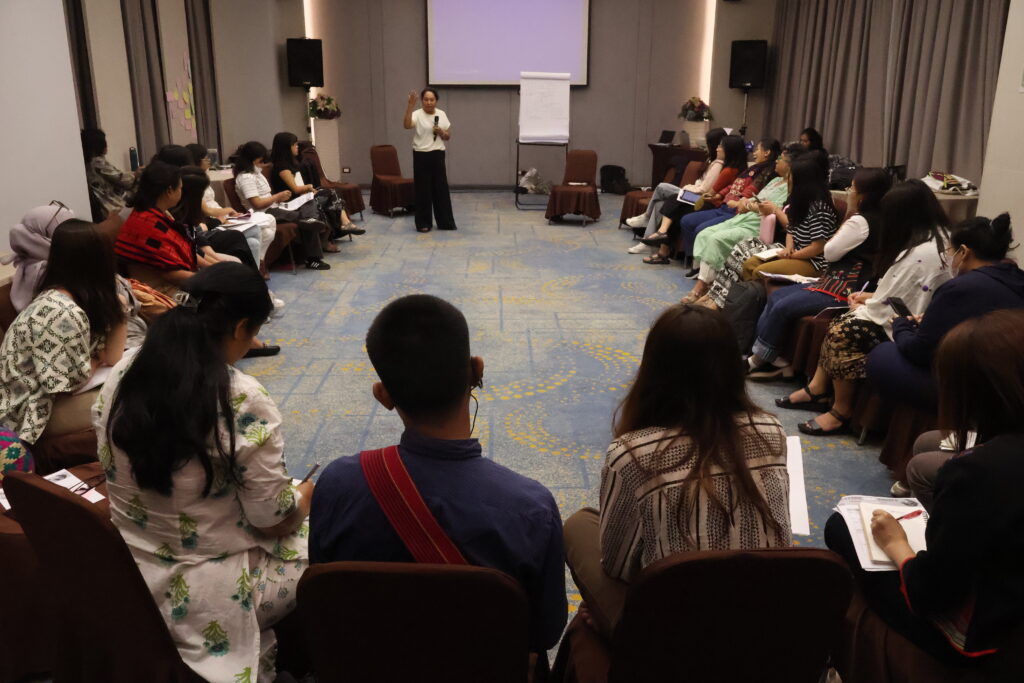
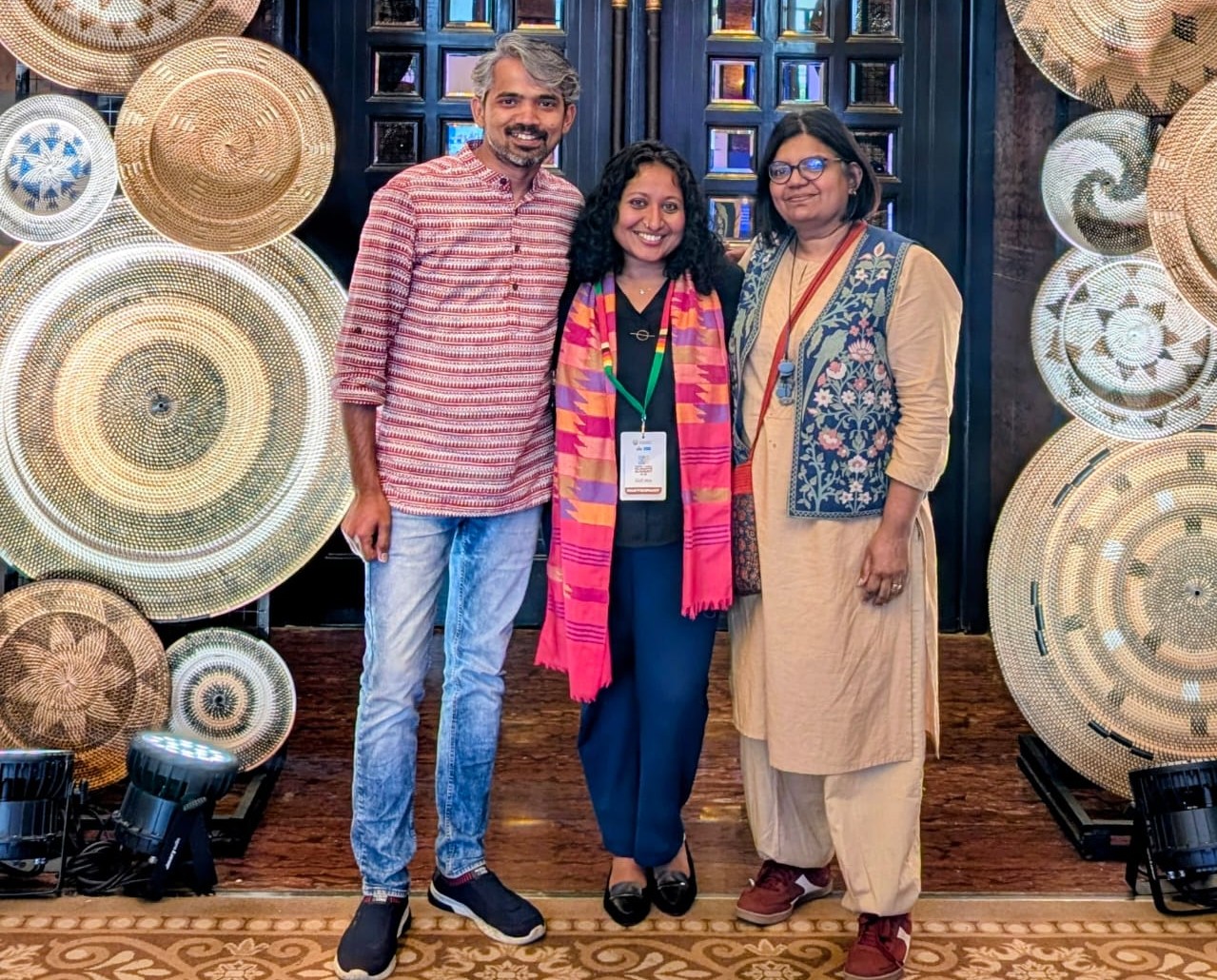
Group Photo Harsha and Reshma Session with Ms.Dibya Gurung
Photo Credit by W4B