By Vinitha Murukesan, Climate Change
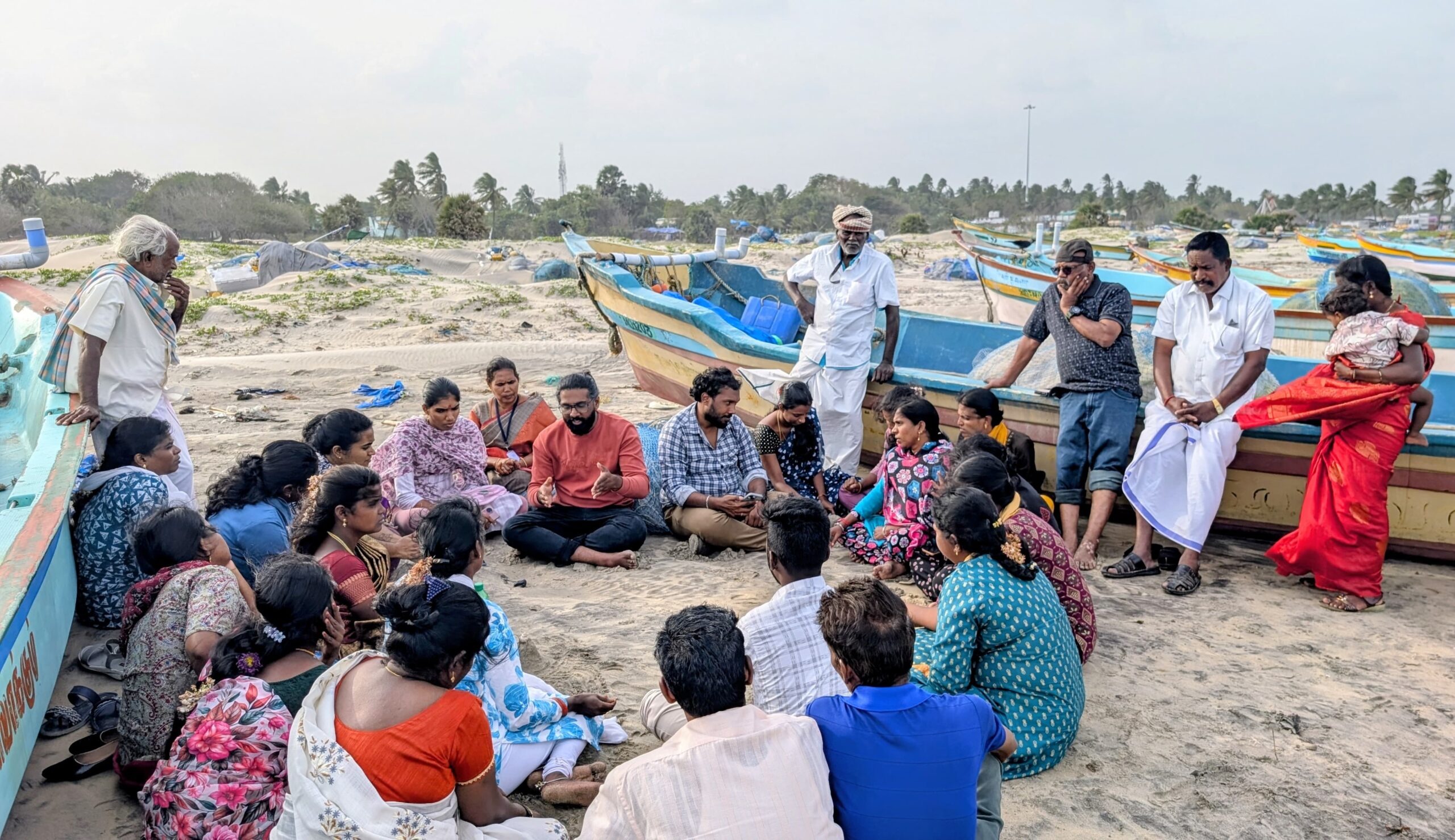
From forests and hills to wetlands and mangroves, a four-day exposure visit (05–08 January 2026) brought together Key Community Stakeholders (KCS) and partner organisations for immersive, cross-site learning on Community-based Monitoring, Reporting and Verification (Cb-MRV), climate action, and ecosystem stewardship.
Kotagiri and Aracode:
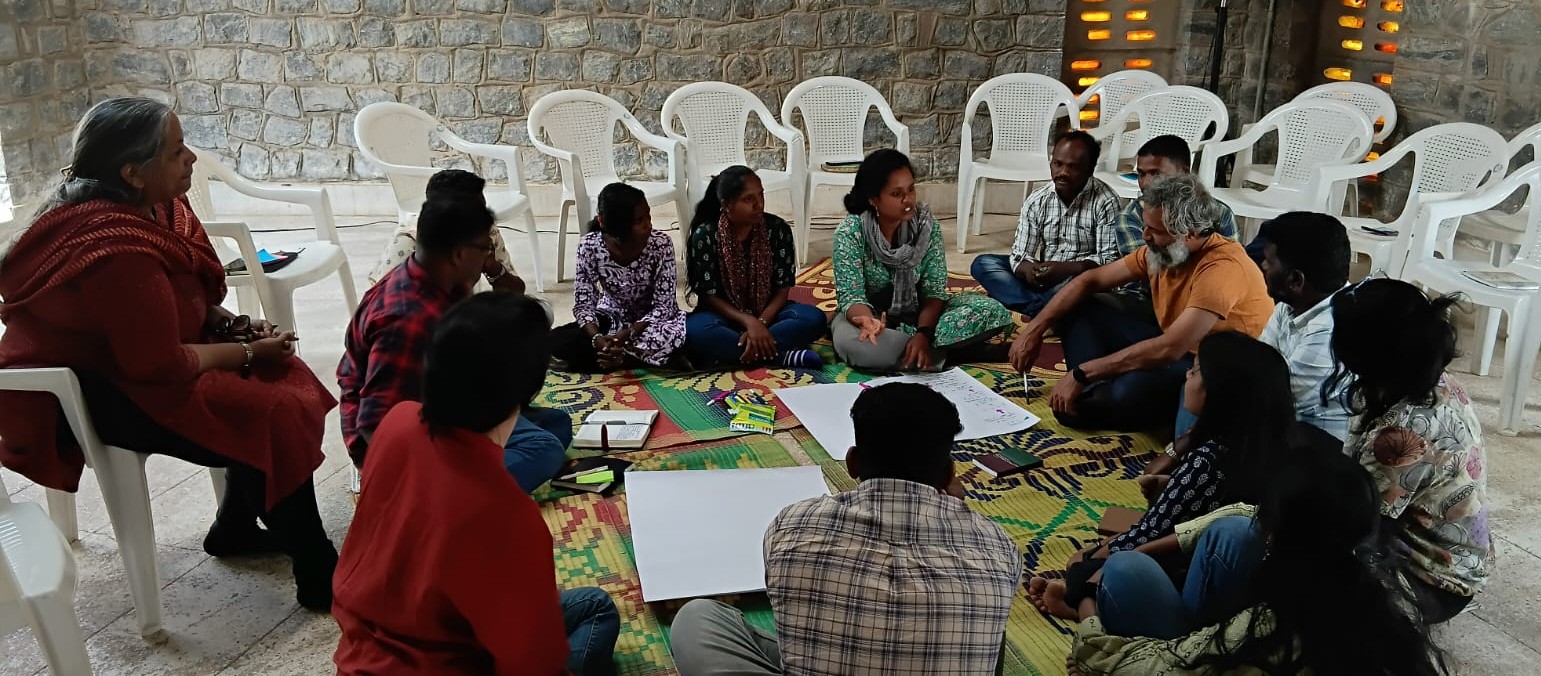
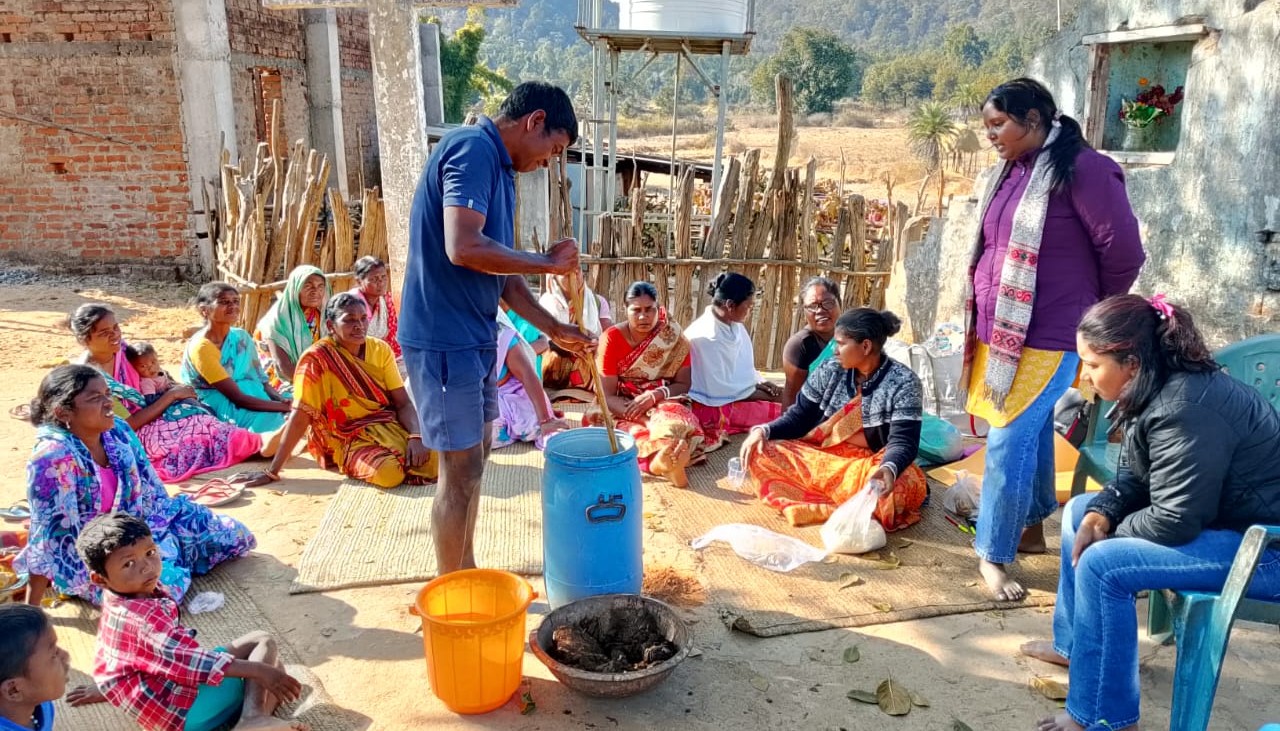
The journey began in Kotagiri and Aracode, where participants learned about Keystone Foundation’s work on conservation, livelihoods, and community-led monitoring. A visit to the Banglapadigai – Aadhimalai Women’s Centre highlighted the role of community institutions in strengthening livelihoods, forest-based enterprises, and collective action. Sessions on institutionalisation and the Forest Rights Act (FRA) underscored how legal frameworks, micro-planning, and community ownership are central to protecting forests and natural resources.
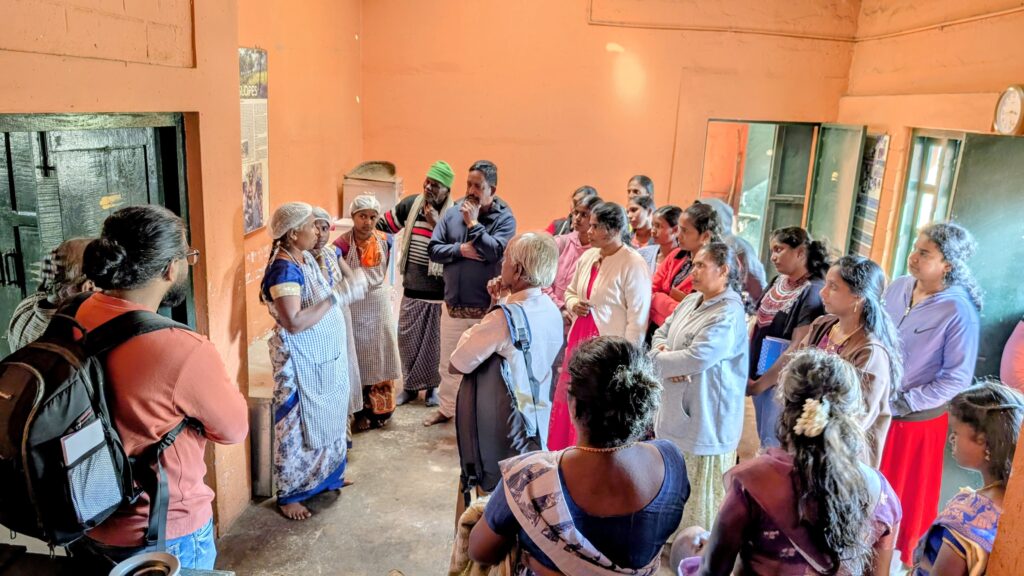
Photo credits- Akhil Sivadas
Wayanad:
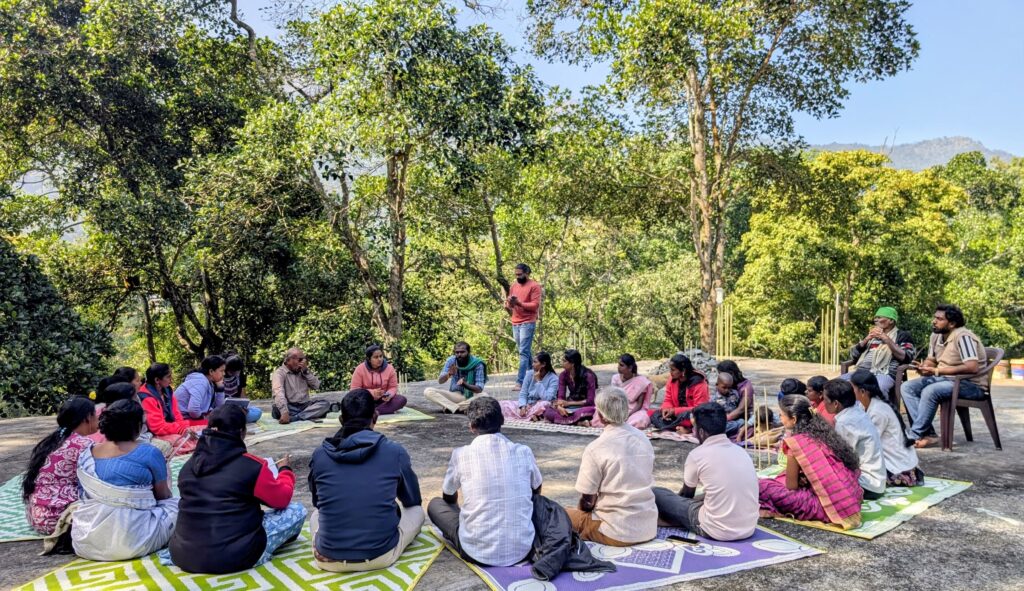
In Wayanad (Meenangadi Panchayat), participants engaged deeply with pathways towards carbon neutrality. This was done through means such as exposure to renewable energy transitions, decentralized waste management systems, biodiversity conservation, bamboo plantations and regenerative agriculture. These approaches, along with innovative initiatives, such as tree banking, demonstrates how climate action can be locally driven and measurable. Interactions with representatives from the disaster management department, Eco Friends, HUME (an NGO), and proactive local political leaders showcased how community-based data, rainfall monitoring, and early warning systems strengthen preparedness and resilience.
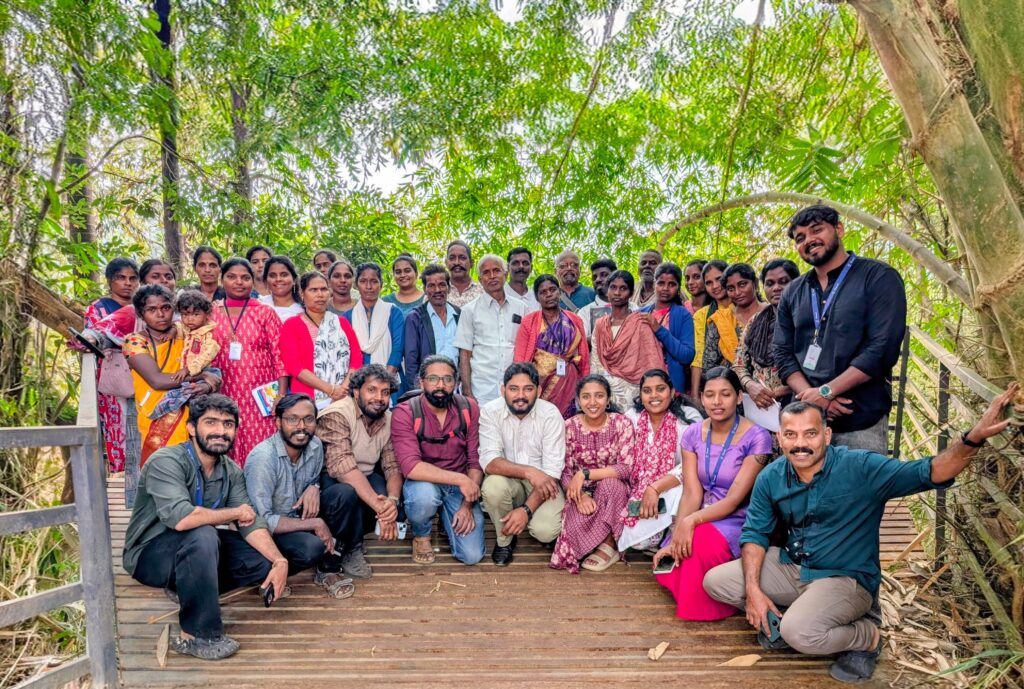
Photo credits- Akhil Sivadas
Vellode Bird Sanctuary:
The visit to Vellode Bird Sanctuary, a designated Ramsar Site, highlighted the interconnectedness of wetlands, biodiversity, agriculture, and livelihoods. Community experiences shared during the field exposure illustrated how traditional knowledge, water management practices, and conservation efforts—alongside the Forest Department- play a crucial role in sustaining wetland ecosystems amid climate change pressures.
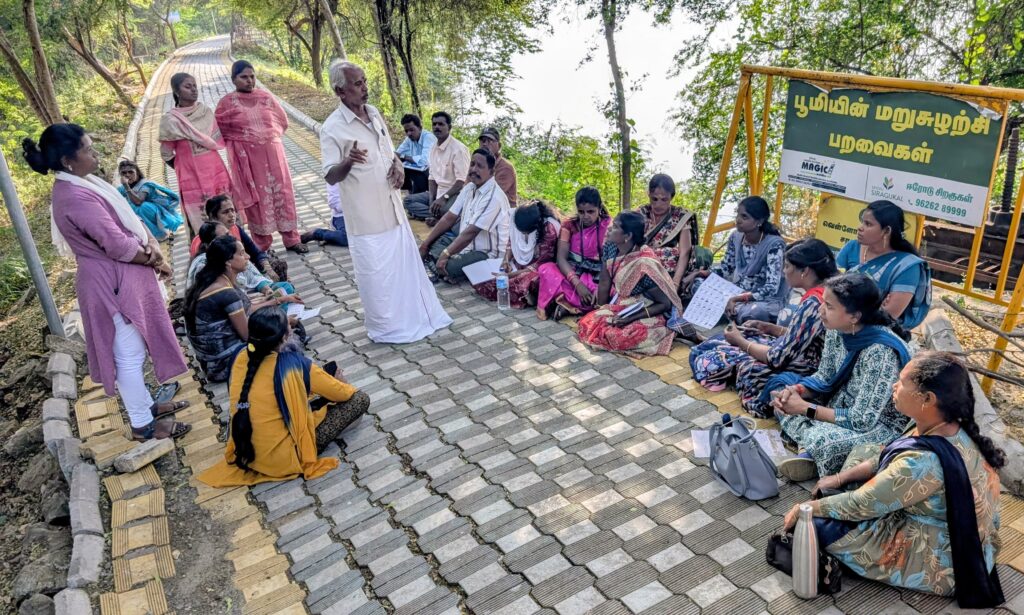
Photo credits- Akhil Sivadas
On the final day, participants visited the Killai–Pichavaram mangrove ecosystem, reflecting on the importance of integrated water–mangrove systems in building coastal resilience. The visit strengthened understanding of mangrove health and community-led monitoring as essential components of climate adaptation in coastal landscapes.
The Way Forward:
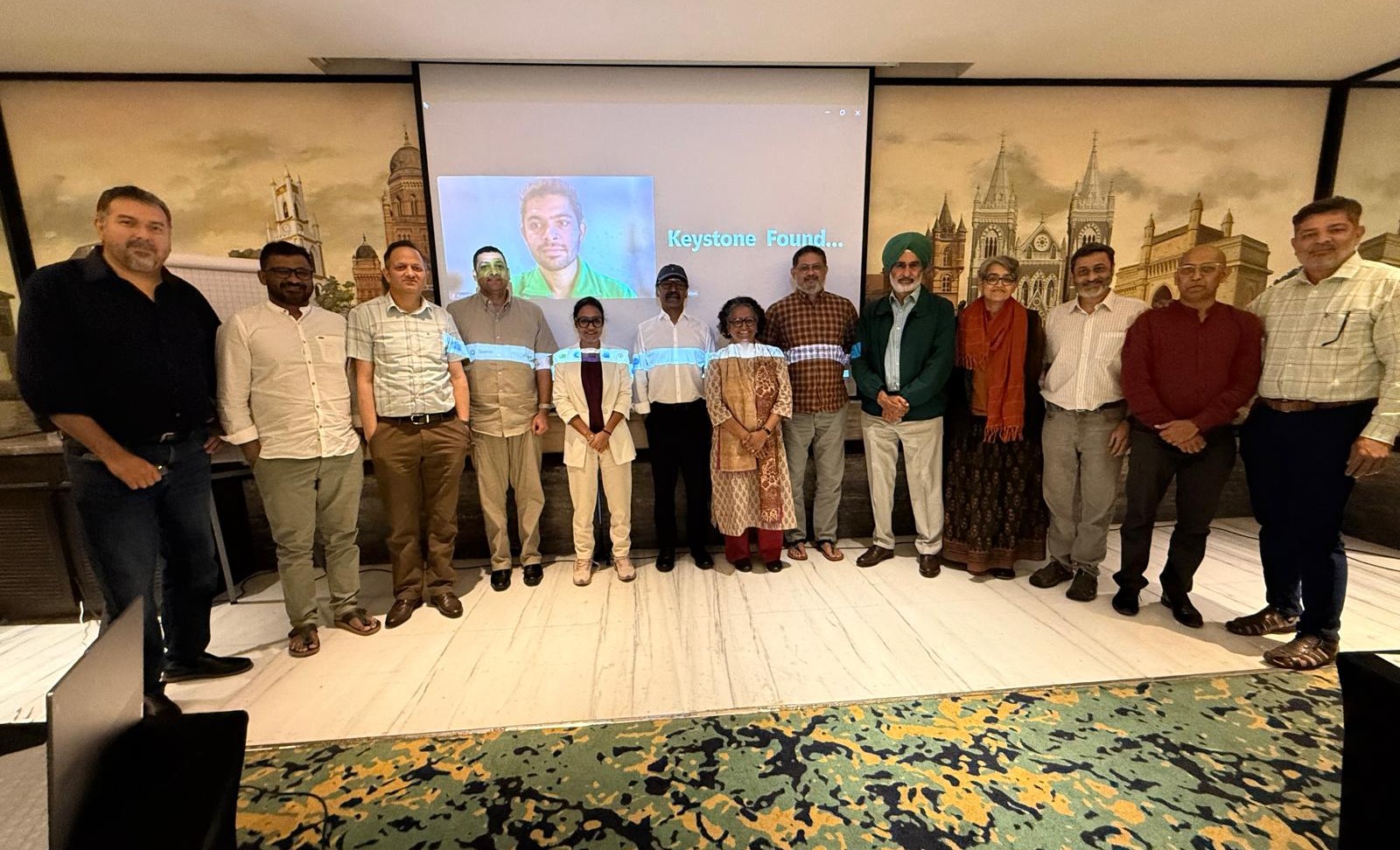
Clear signals on the way forward emerged from collective reflections and team presentations:
- Community-led MRV is most effective when it focuses on one priority issue at a time, enabling depth, ownership, and sustained action.
- Data collection, management, and interpretation are foundational- not only for reporting, but for local decision-making and advocacy.
- Aligning MRV processes with institutional frameworks such as the Forest Rights Act and the Grama Sabha strengthens legitimacy and long-term impact.
- Schools, SHGs, and local institutions are critical entry points for behaviour change, awareness, and leadership development.
- Cross-site learning enables communities to adapt proven models rather than replicate them mechanically.
The discussions converged on a shared understanding:
The next phase of Cb-MRV must deepen field implementation- building strong baselines, sharpening indicators, and strengthening institutions- so that community-generated data can meaningfully inform governance, climate planning, and ecosystem management at scale.