Merab Vilomina Manu, Knowledge Hub
This January, Jeyanthi Akka and I embarked on fieldwork in Wayanad and Sathy to launch the IPON-NFRF project (New Frontiers in Research Fund and international partners, researches the climate-food-health nexus) on nutrition, climate and health. The days we spent in the field felt warm—a refreshing change from January in Kotagiri—and enriched our work as we laid the groundwork for a fruitful (pun intended), community-led initiative.
Early in the month, Vishnu coordinated my trip to Wayanad where rather than begin with the project mandates. we talked about the existing work in this region that deals with nutrition, land security and climate. The team at Mananthavady were keen that we introduce a methodology, that is locally feasible, draws from prior learnings, and by which data on nutrition can be comprehensively collected.
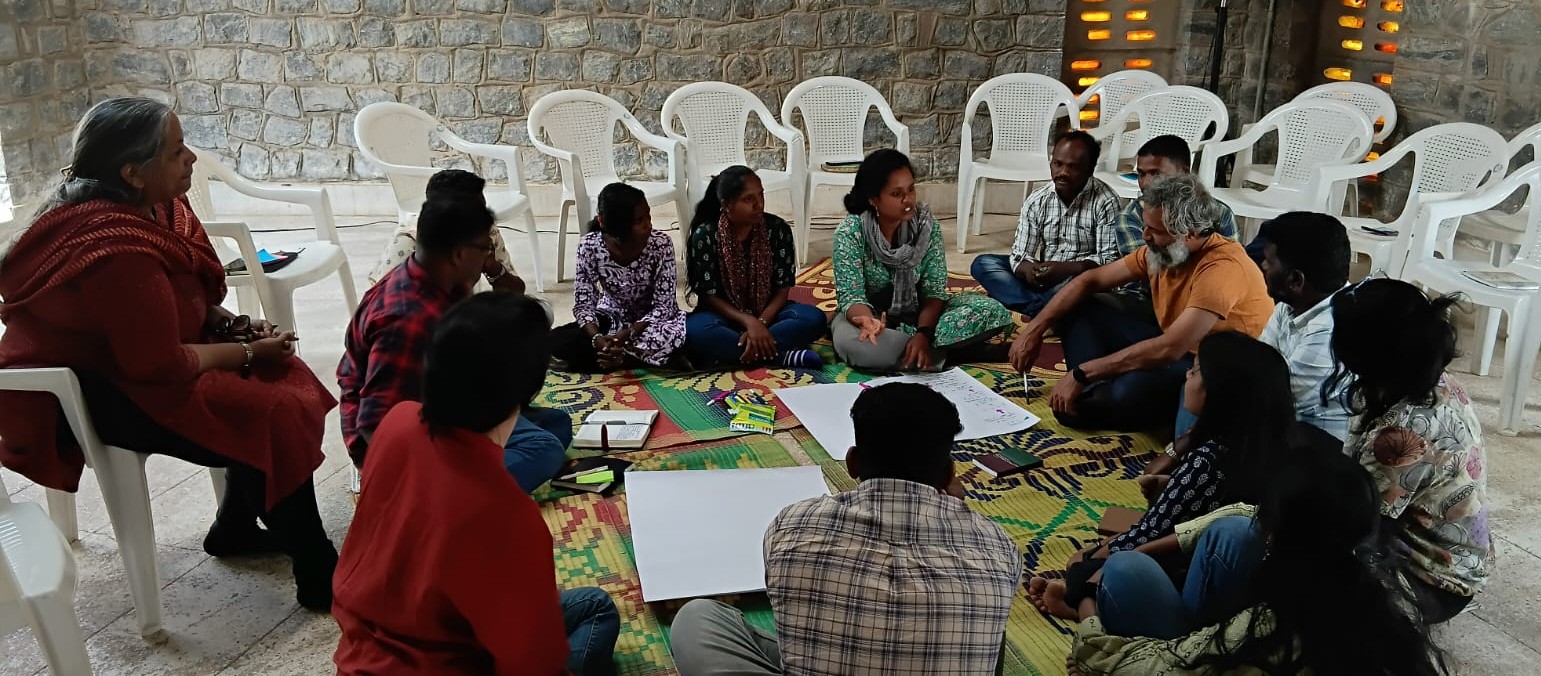
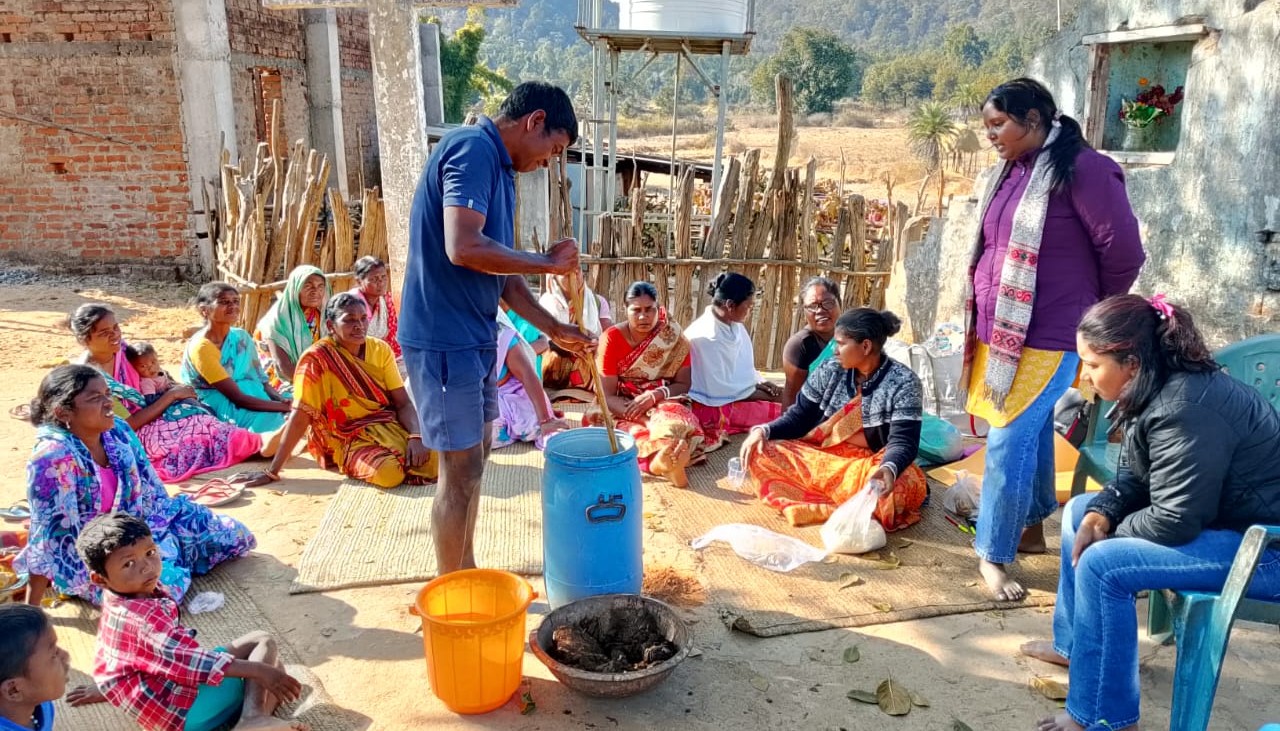
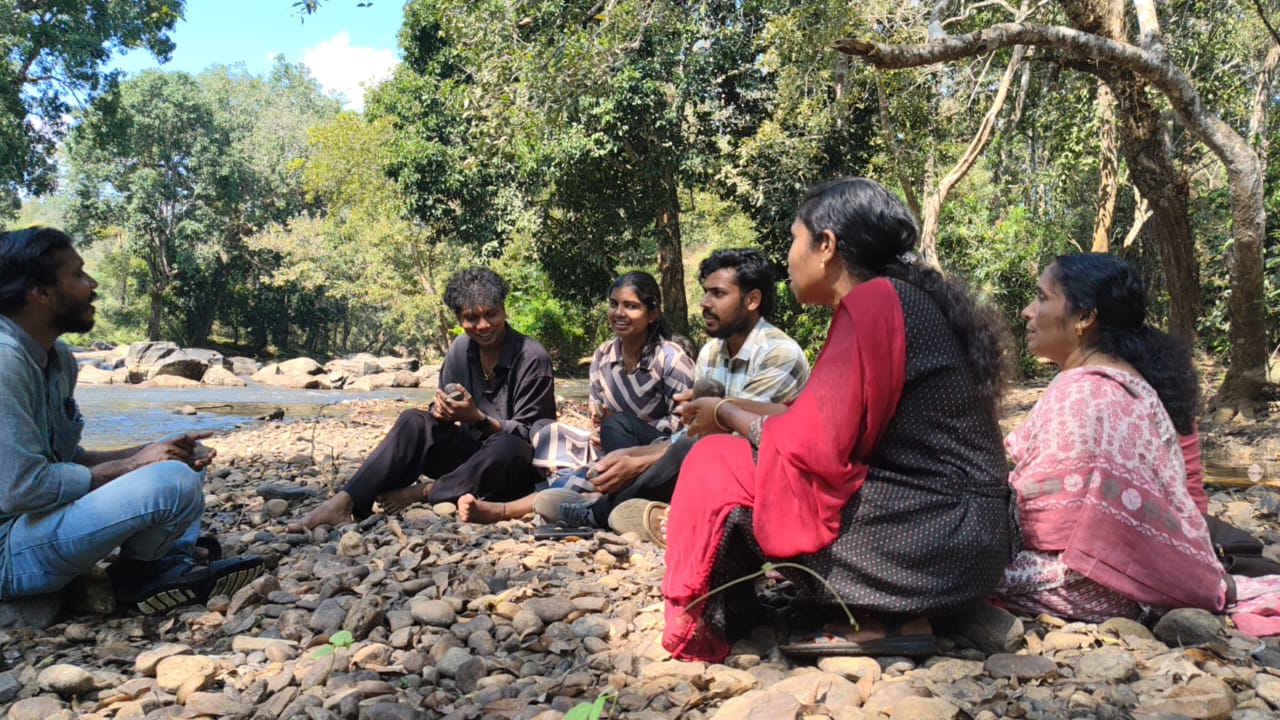
Beginning with a community consultation at the restoration site in Begur was a fun experience. The Kattunayaka, Paniyan, Uralikuruma, Bettakuruma, and Adiya communities were seated on the ground at the forest restoration site. They hesitated to answer my questions, but easily laughed at common things I didn’t know. I returned with many tick bites and many more questions.
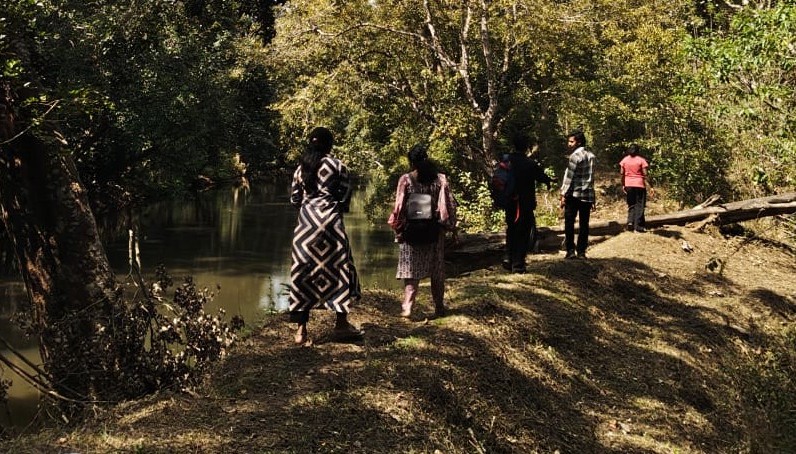
Later, speaking with the health workers in this area – Jaya Chechi and Amrita, I learned that they visit upwards of 1000 homes every month, going door to door, conducting health checkups, getting the community access to basic medical infrastructure. They have even conducted nutritional awareness camps. Their familiarity with four current villages – which will soon expand into four more hamlets of Begur – and their enthusiasm to keep going, and to integrate our project’s objectives into their work, were inspiring.
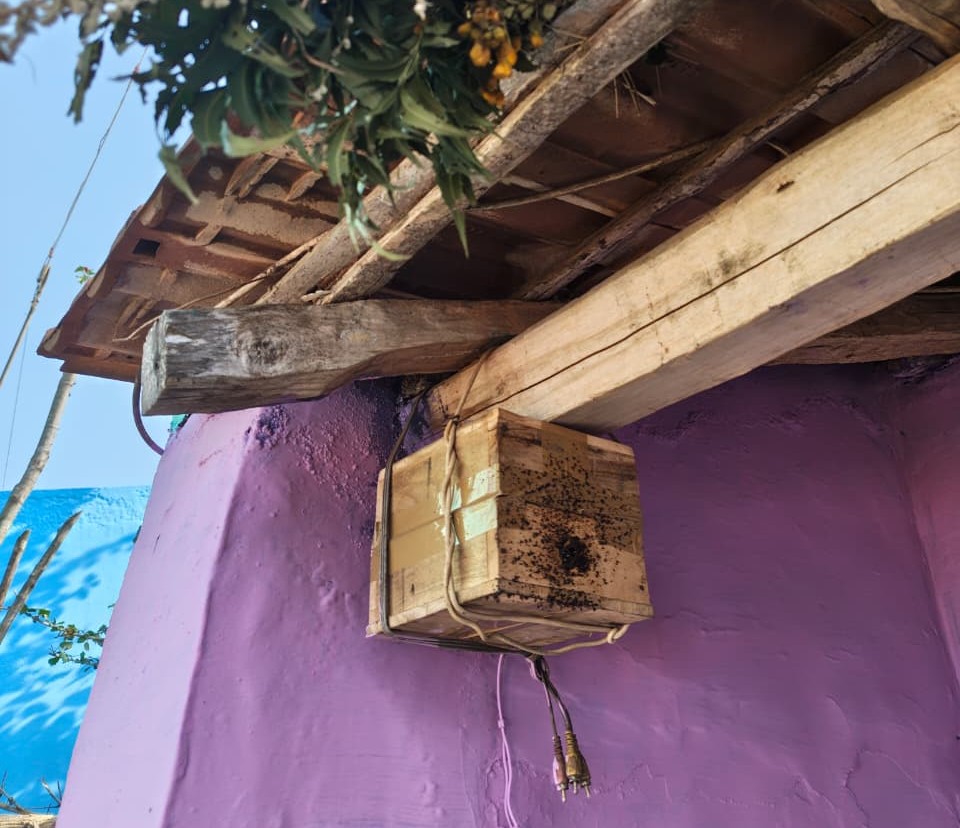
A few days later, Jeyanthi Akka and I set off to Sathy with two primary objectives: to engage with community members and to learn from our field office colleagues about the work already underway in this landscape: particularly the locations of restoration sites and how a food-focused project could complement these efforts. Mahadesh Anna, Vandana, Sivanna, Mahadesh and many others took time out of their busy travel schedules to sit with us, take us to each of the villages in Dhimbam and Uginiyam, and introduce us to the communities there.
We conversed with elders from various communities, under a banyan tree, and at a preschool. We gained insights into traditional food systems, seasonal eating habits, and historical dietary practices. This also helped us understand which lands and which people to include in our initial mapping work. Furthermore, we are eager to collaborate with the families in these villages, who have so much more to share.
I found it difficult to understand the Irula dialect of this region. But the elders we met accepted Jayanthi Akka as one of their own and spoke freely. At times, they spoke so fast that I couldn’t keep up. We are reviewing our field notes every day! As we traced ancestral connections and marital ties, many connections and pathways, both geographically & relationally, emerged in Jayanthi Akka’s conversations.
We spoke to elderly people who had migrated from the Nilgiris to these forests in the Sathyamangalam Tiger Reserve. People recall the landscapes of the past, which were completely different from the present terrain. They also ate foods that were very different from what they eat now. They say they miss the nutritious flour mixture that helped them walk tirelessly in their mountains. We are keen to learn how we can help bring it back.
All photo credits: Merab Vilomina Manu