By Muhammad Rafi, Community Wellbeing
Vellamunda- A Collaborative Initiative with Keystone Foundation and the Agriculture Office
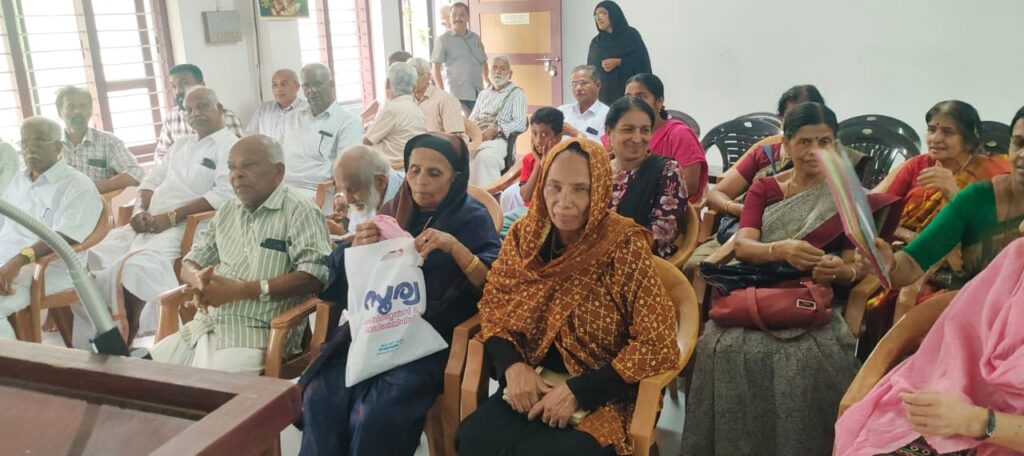
The Public Library Vellamunda, in collaboration with Keystone Foundation and the Agriculture Office, Vellamunda, organized a special program to appreciate and honour farmers within the library’s jurisdiction. Farmers work tirelessly to feed humanity, and many among them go beyond their daily labour to protect the environment and ensure the sustainability of life for future generations.
In Kerala, it is a long-standing tradition to honour outstanding farmers on Chingam 1 (the Malayalam New Year) for their valuable contributions to agriculture. While such programs are usually hosted by the Agriculture Department, this year, members of the Public Library invested considerable time and effort to identify, encourage, and celebrate the true architects of society, “our farmers”. The library formed the Karshaka Vedhi (Farmers’ Collective), with the participation of its farming members, and which is now actively working to improve the social and economic well-being of farmers in the region.
Farmer Awards
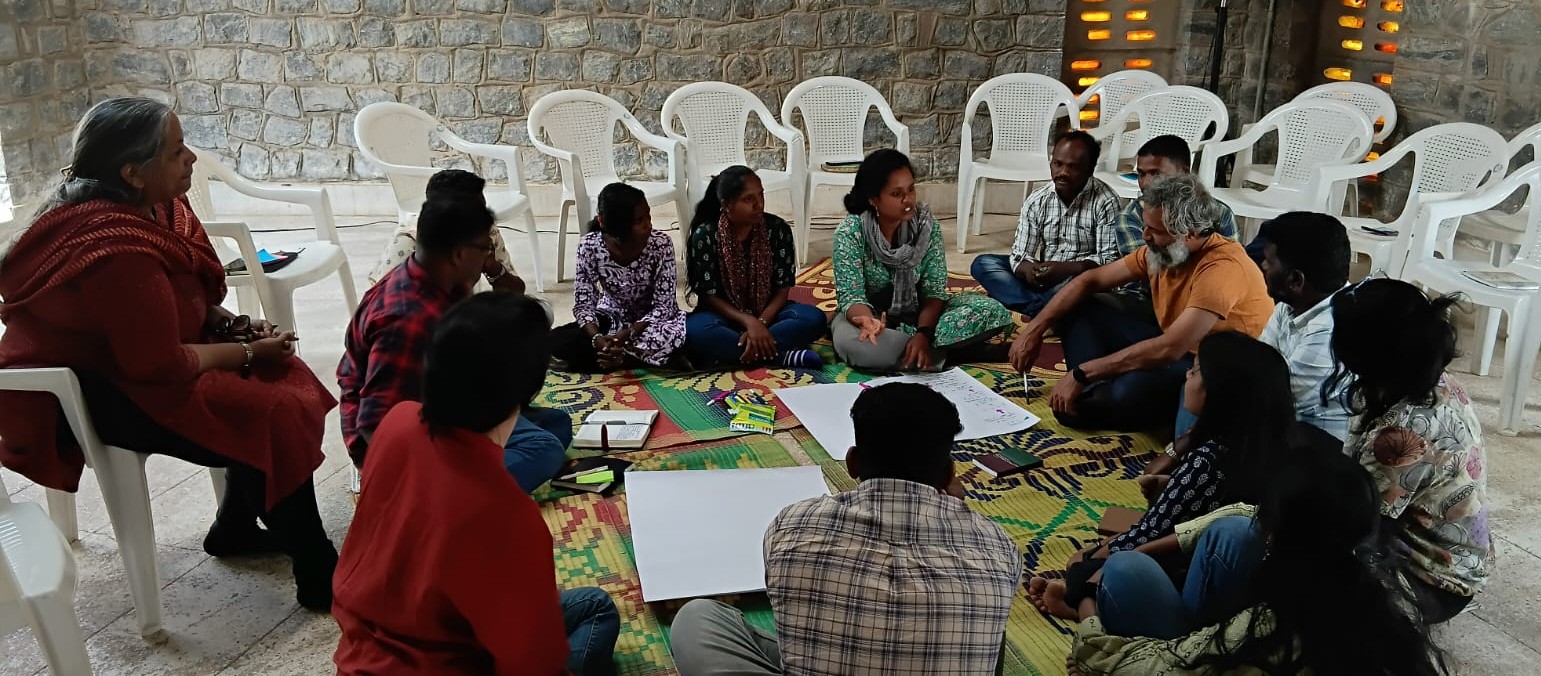
The library also announced ten Farmer Awards, following a rigorous selection process carried out jointly with the Keystone Foundation and the Agriculture Department. The program hall of the library was prepared for the full-day ceremony, which featured the participation of Library Council members, representatives from the Keystone Foundation, the Agriculture Officer of Vellamunda, and numerous library staff members. Awards were distributed across the following categories:
- Dairy Farmer
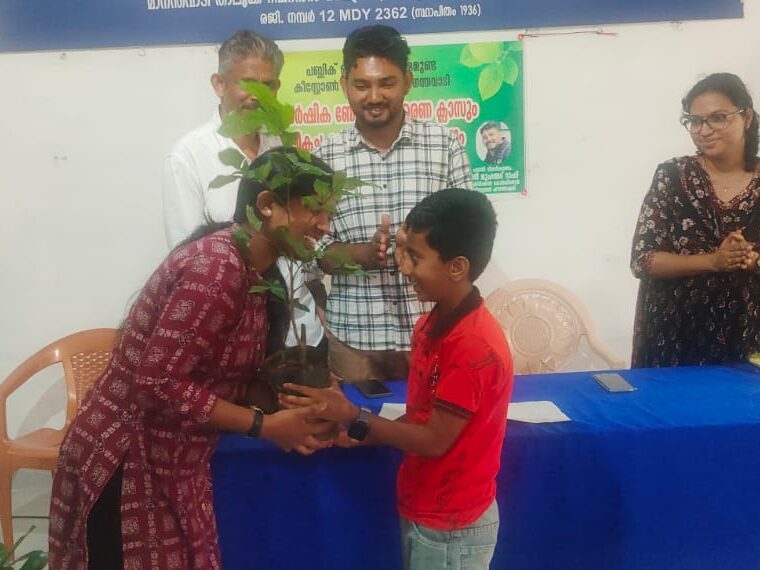
- Child Farmer
- Mixed Cropping Farmer
- Woman Farmer
- Young Farmer
- Organic Farmer
- Senior Farmer
- Paddy Farmer
- Pepper Farmer
- Vegetable Farmer
The awardees spoke passionately about their farms, their aspirations, and the many challenges they face in sustaining their livelihoods. Agriculture Officer Asoontha inaugurated the function. In her address, she discussed practical methods to overcome agricultural challenges and the threats emerging in the farming sector.
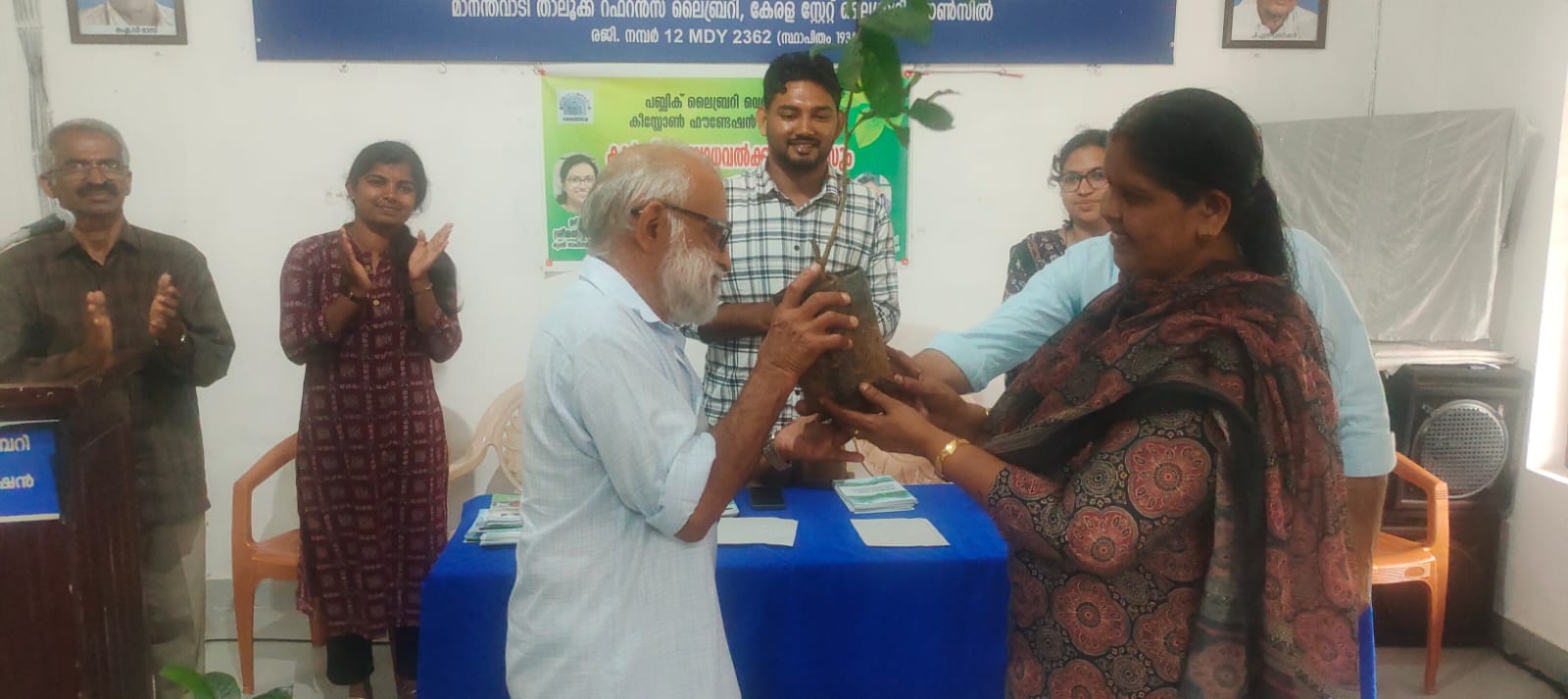
Each award recipient received a native fruit sapling to plant in their backyard, which was a meaningful souvenir symbolizing continuity, resilience, and the responsibility to preserve nature. Additionally, each farmer received a set of publications from Keystone Foundation, which ranged from traditional and scientific techniques in paddy cultivation to fish farming, and ecological restoration. These books are valuable resources that will enable recipients to deepen their understanding of nature, ecosystems, and sustainable living practices.
Speeches
Keystone Foundation representative Muhammad Rafi addressed the gathering and highlighted the significance of a library initiating such an innovative program. He introduced Keystone Foundation, spoke about its various interventions, and presented a set of Keystone publications that were gifted to all award recipients.
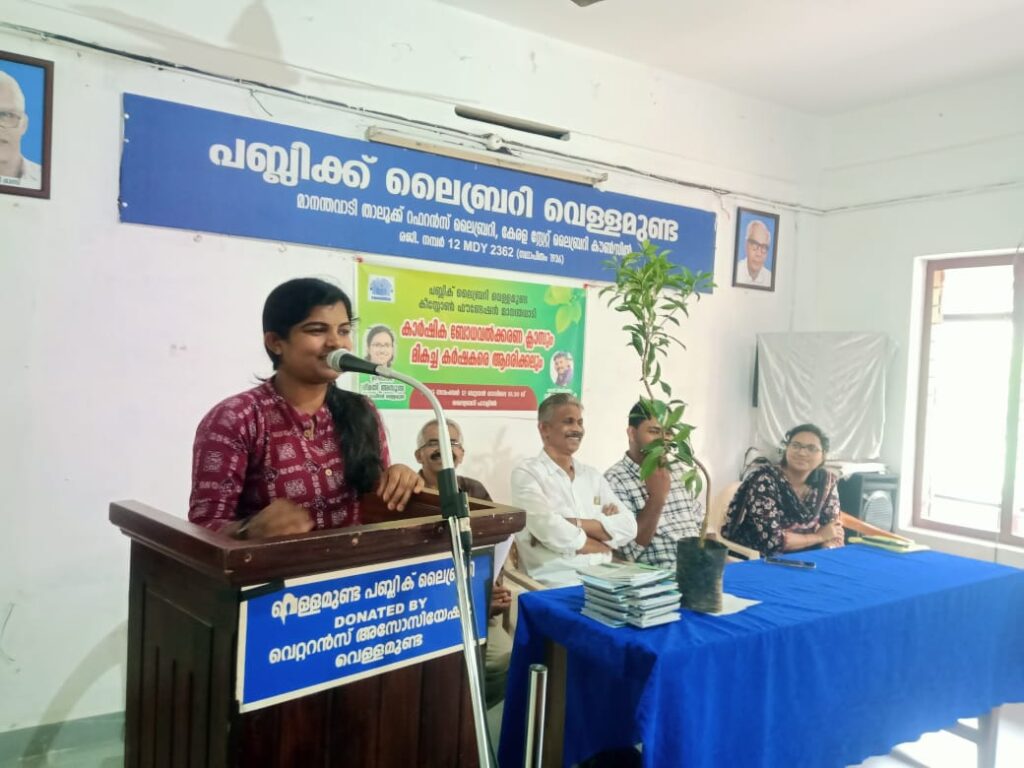
Kavyanjali, who is a member of Keystone Foundation, the Library Council and the Executive Committee of the Mananthavady Library Council spoke about the role of youth and children in agriculture. She emphasized how their participation can shape a sustainable future and on the crucial role libraries can play in strengthening this connection.
The Importance of Public Libraries in Our Communities
Public libraries have immense potential to contribute meaningfully to society, particularly by promoting chemical-free farming, sustainable agricultural methods, environmental awareness, and broader social development. This program demonstrated that institutions like libraries and community clubs can play a significant and transformative role in strengthening the agricultural sector.
The award recipients expressed great joy and appreciation. They spent nearly half a day engaging in conversations, asking questions, and sharing insights not only about farming but also about broader environmental challenges facing the planet.
Publications mentioned:
1. Nellarivu Nallarivu by P.J. Manuval — Discusses paddy cultivation, traditional and scientific techniques, and the preparation and application of organic manure and pesticides.
2. Engala Piyameenu — Based on research by N. Sunil Kumar in Karimpuzha among the indigenous communities of Nilambur; explains fish diversity and associated traditional knowledge.
3. Kattu Cheppu — A publication based on research by N. Sunil Kumar with the Indigenous communities of Nilambur, documenting uncultivated leafy vegetables and the traditional wisdom surrounding them.
4. Habitat Rights of PVTG and Pre-Agricultural Communities by Ramachandran K.G. — A practical handbook on the Forest Rights Act (2006), focusing on habitat rights of Particularly Vulnerable Tribal Groups.
5. River Bank Restoration: A Handbook by Vishnu N.M. and Ramachandran K.G. — Highlights the importance of riverbank restoration, the biodiversity of the Kabani River, and the role of native vegetation in reducing disaster impacts.
All photos by: Manikandan Master, Vellamunda.