By Monisha Ravi, Community Wellbeing
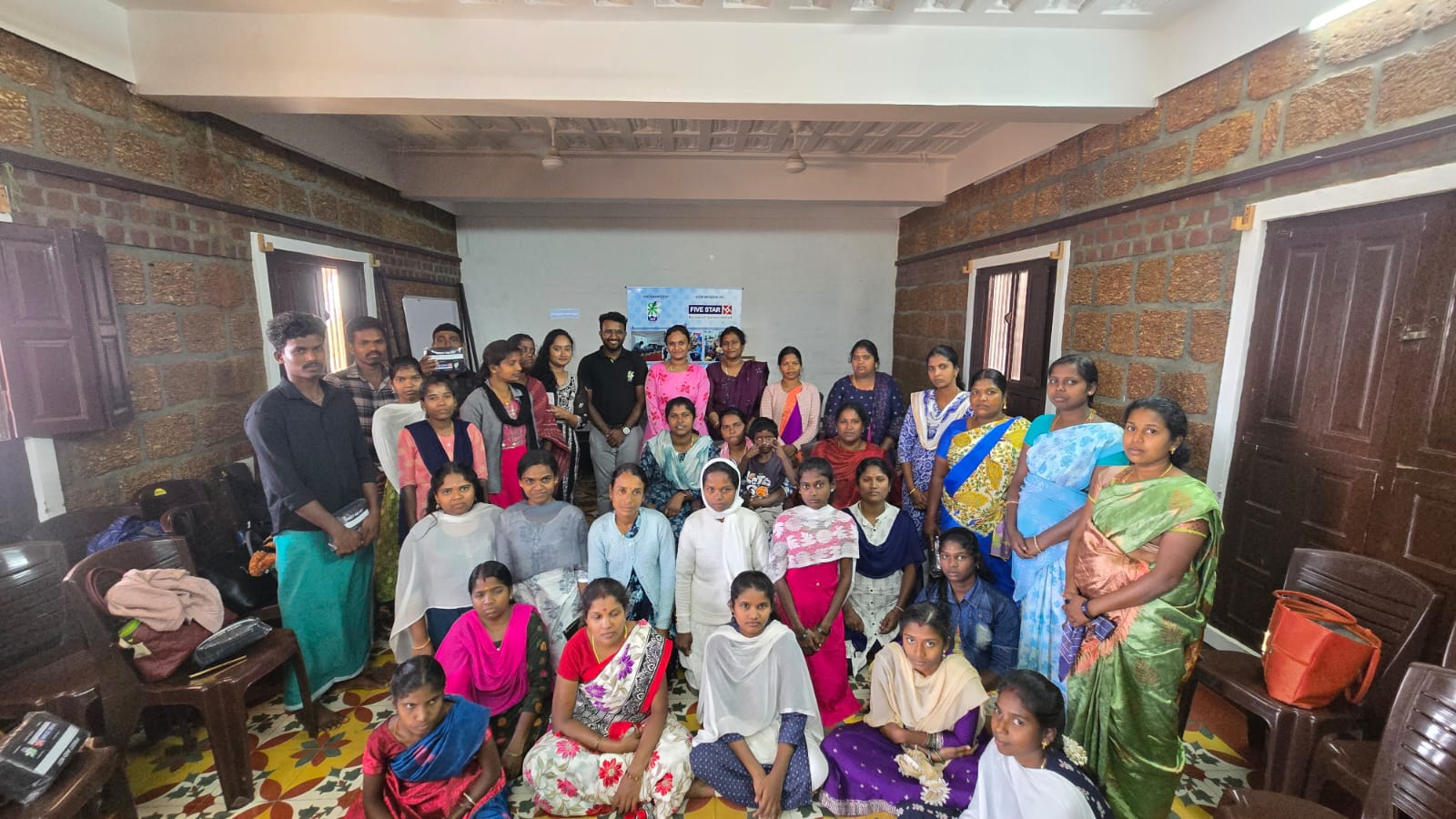
On 12th December, we conducted a First-Aid Training programme at Pillur in partnership with Alert NGO, aimed at strengthening community-level emergency response in remote and tribal regions.
In areas where access to timely medical care remains limited, immediate first-response support can be lifesaving. Women and Community Health Workers (CHWs) often serve as the first point of contact during health emergencies. Recognising their critical role, the training focused on equipping them with essential first-aid knowledge and practical skills.
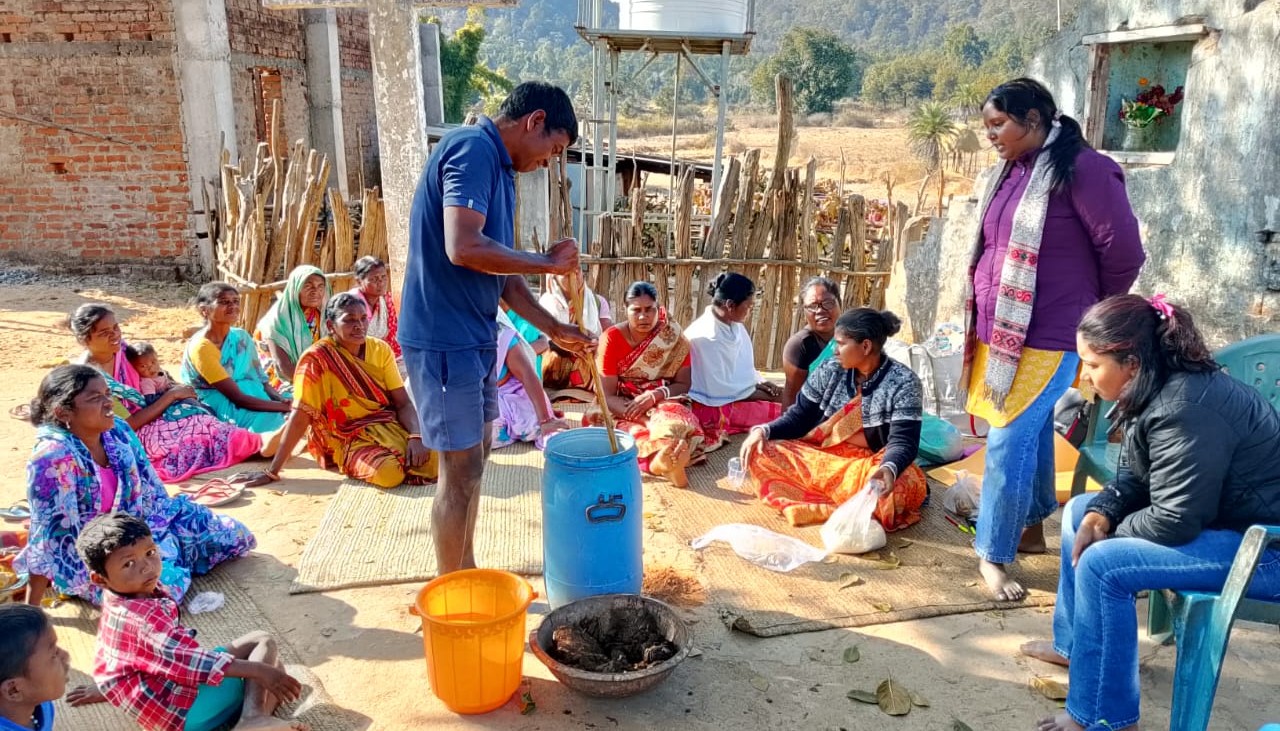
The programme brought together 30 participants, including women from the community and CHWs from all working regions. Through interactive sessions and hands-on demonstrations led by trained facilitators from Alert NGO, participants learned key first-aid techniques such as managing sudden dizziness, cuts, burns, bleeding, fractures, and sprains, responding to common medical emergencies, and performing Cardiopulmonary Resuscitation (CPR). Facilitators also placed emphasis on safe patient handling and timely referrals to health facilities.
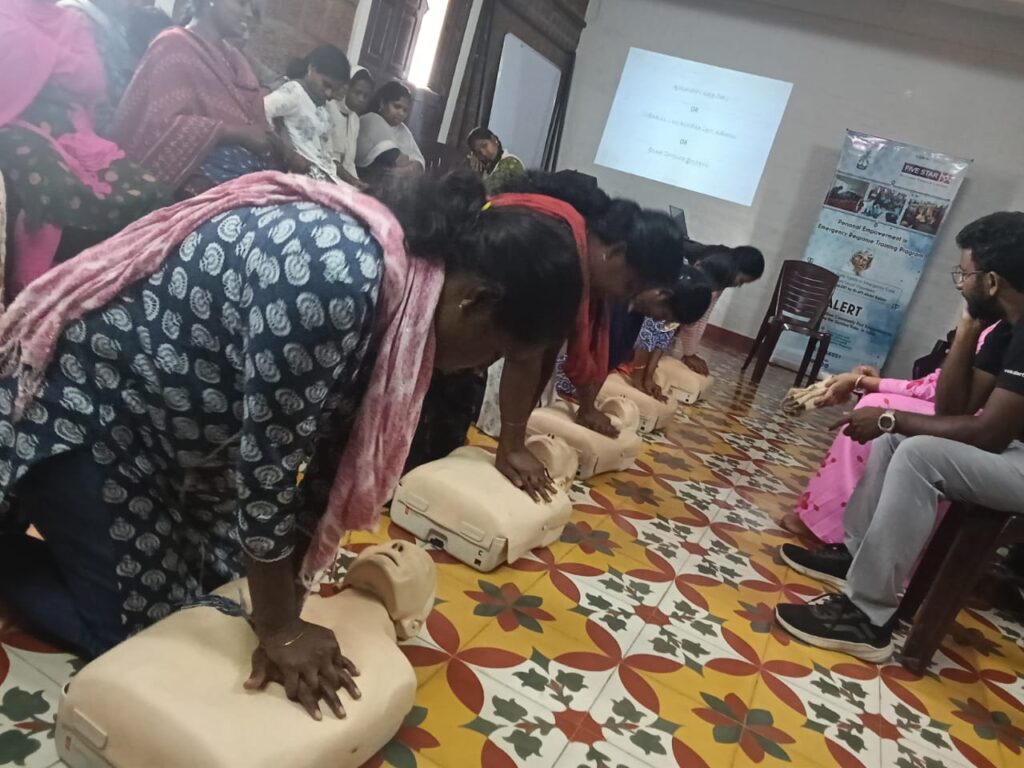
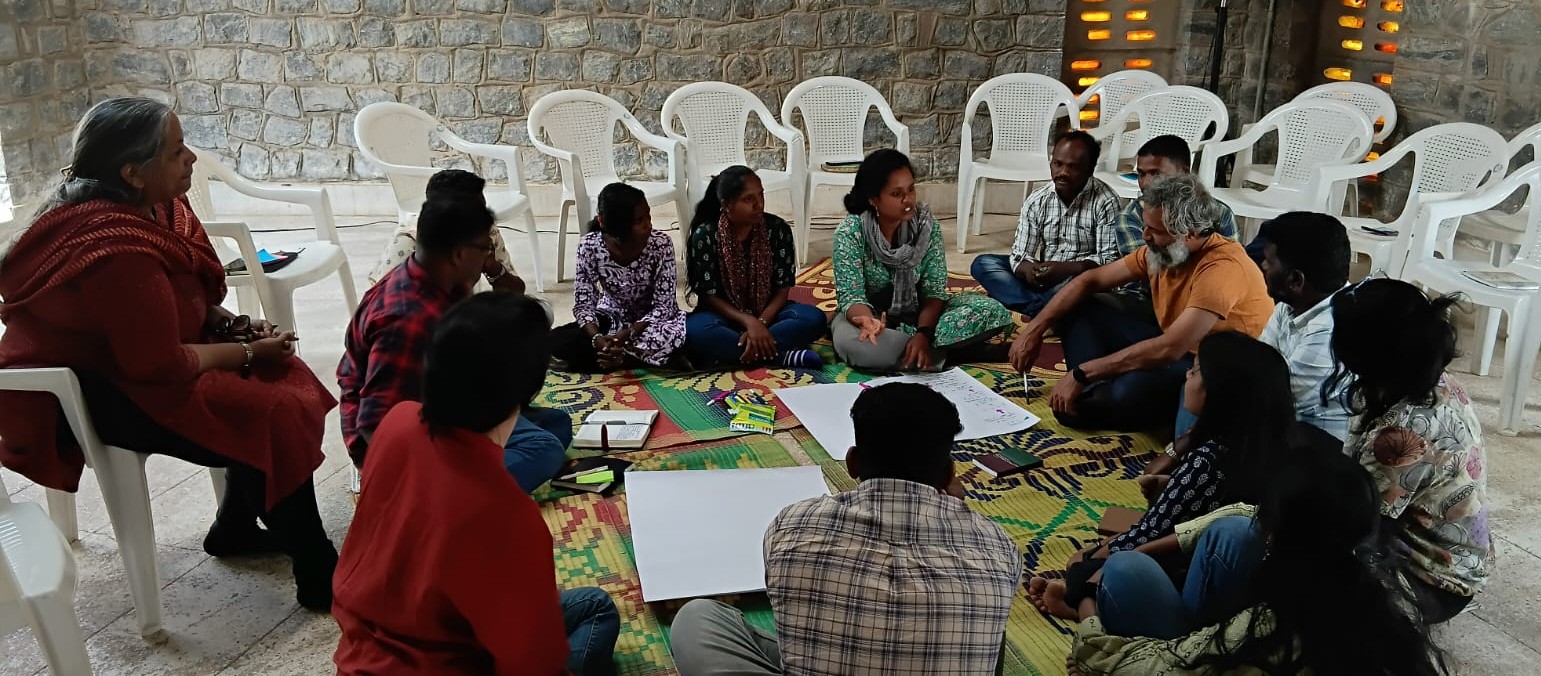
A participatory learning approach was adopted, with live demonstrations, supervised practice sessions, and scenario-based exercises that helped participants build confidence to handle real-life emergencies. The interactive discussions also enabled participants to share experiences and learn from one another.
Programme Outcomes
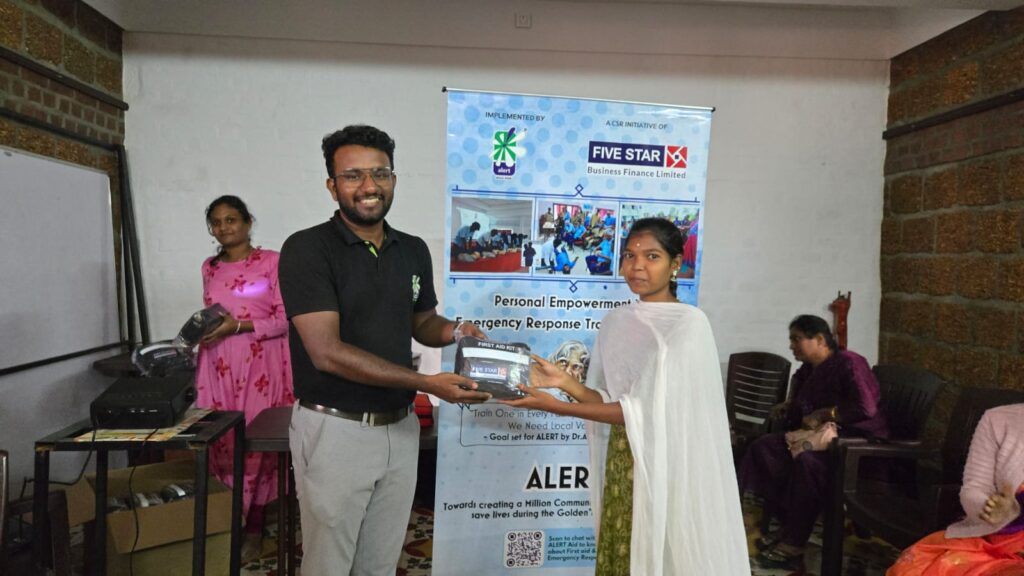
As a key outcome of the programme, participants reported improved knowledge and confidence to respond effectively during emergencies. The training strengthened community preparedness and enhanced the capacity of CHWs to provide immediate care until professional medical support is available. To support on-ground response, a first-aid kit was provided to each participant, enabling them to immediately apply the skills learned within their communities.
The First-Aid Training at Pillur reinforced the importance of community-led emergency response systems. By empowering women and CHWs with life-saving skills and essential resources, the programme contributed to building safer, more resilient communities in remote and tribal areas.