By Shawn Stephen, Biodiversity Conservation
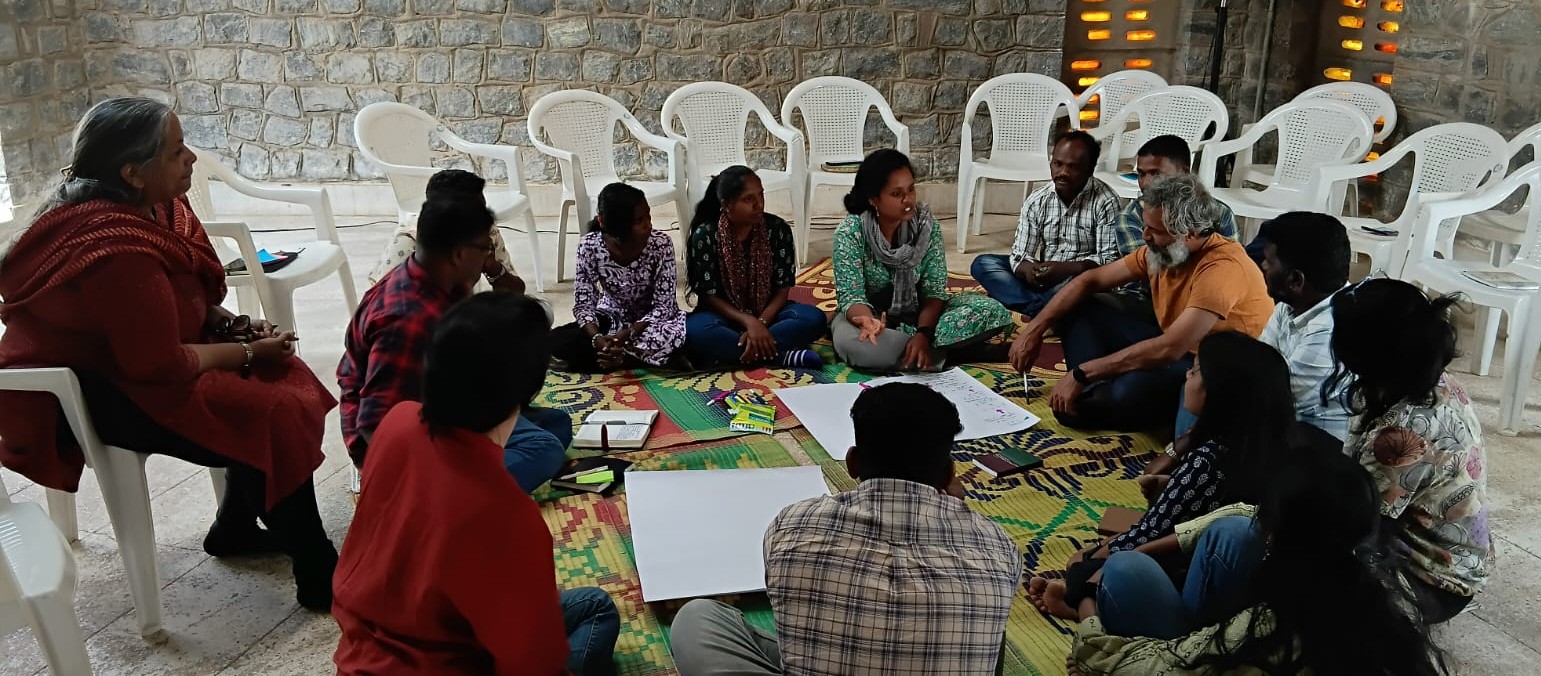
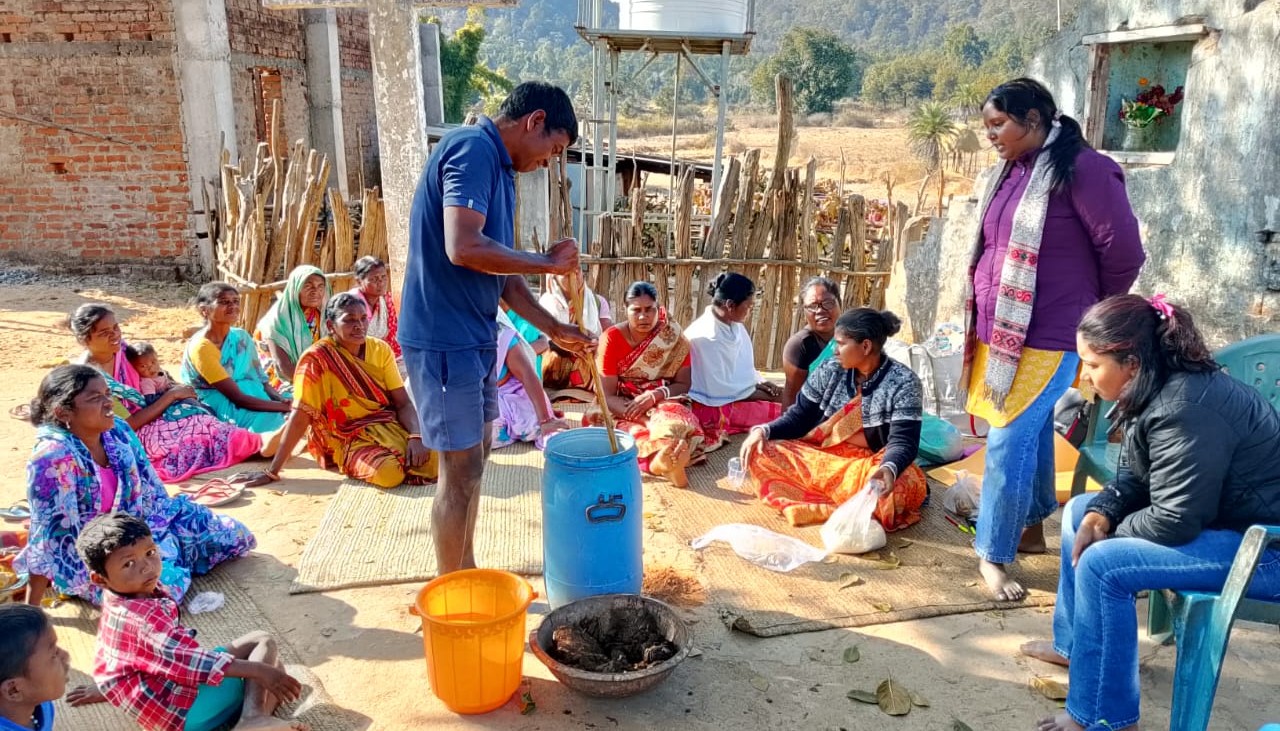
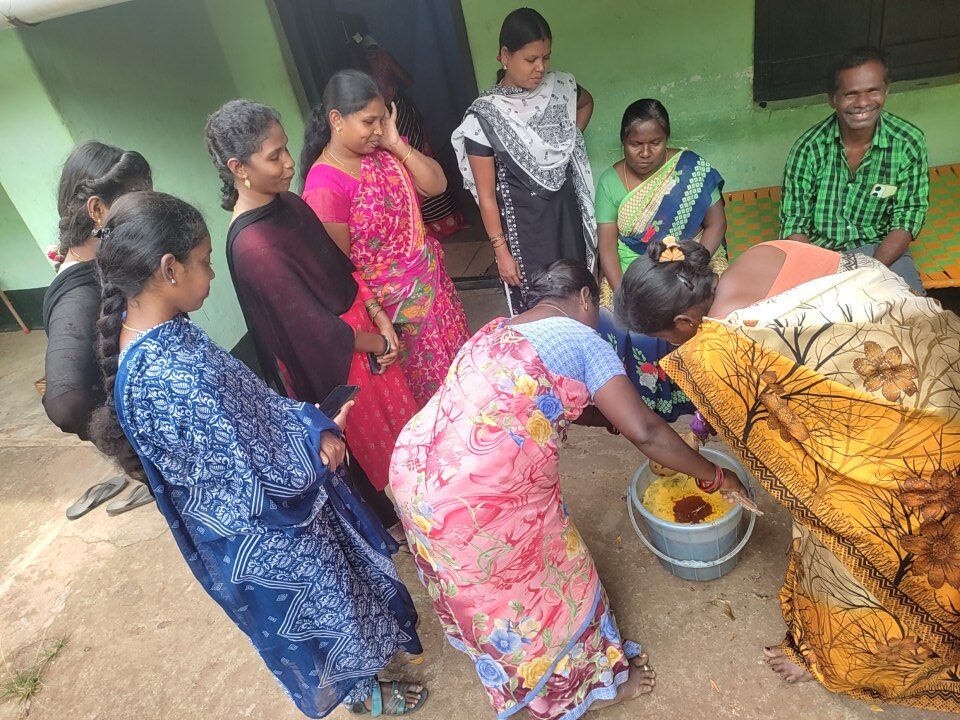
As part of the UNESCO: Women for Bees project that the BC programme is currently engaged in, Keystone Foundation has conducted follow-up training sessions in Sigur and Pillur on the 18th and the 20th, respectively. Follow-up sessions such as these are really valuable to a beekeeper-in-training because they become an opportunity to solve any issues they might have at such an early stage in their journey. It also gives Keystone the opportunity to engage with the trainees, strengthen their foundational knowledge in beekeeping, and ensure that they have all the support they require to sustain and thrive in the practice of beekeeping.
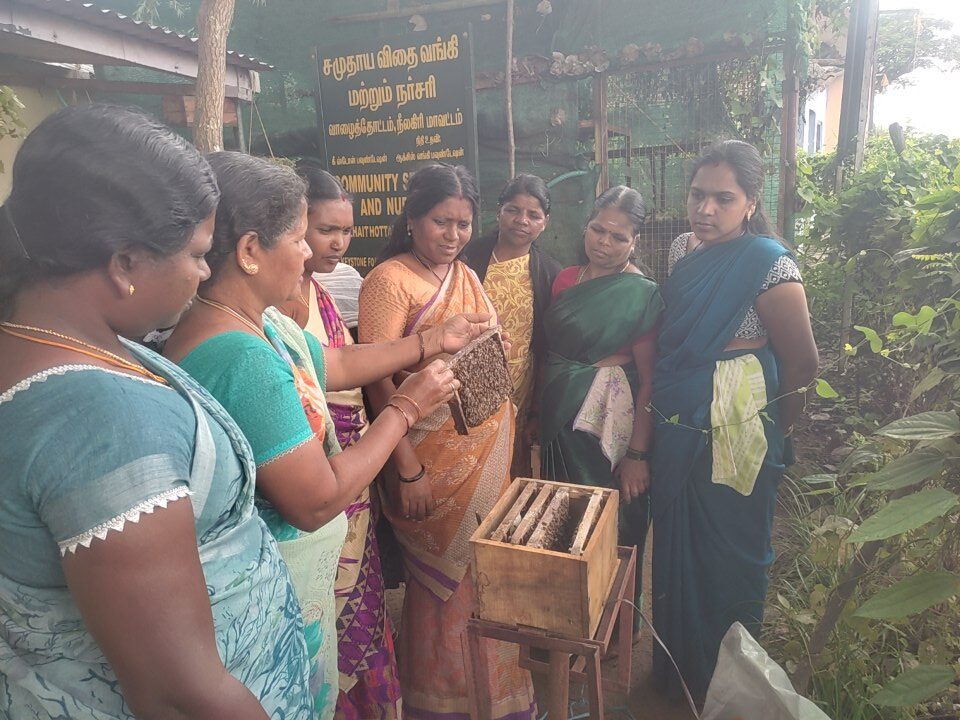
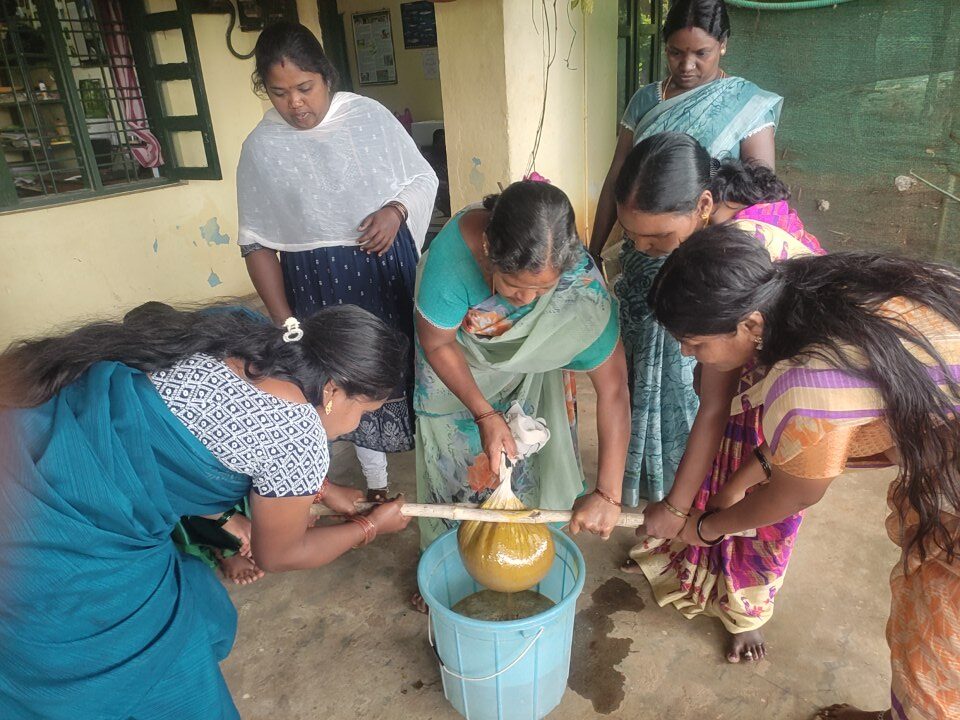
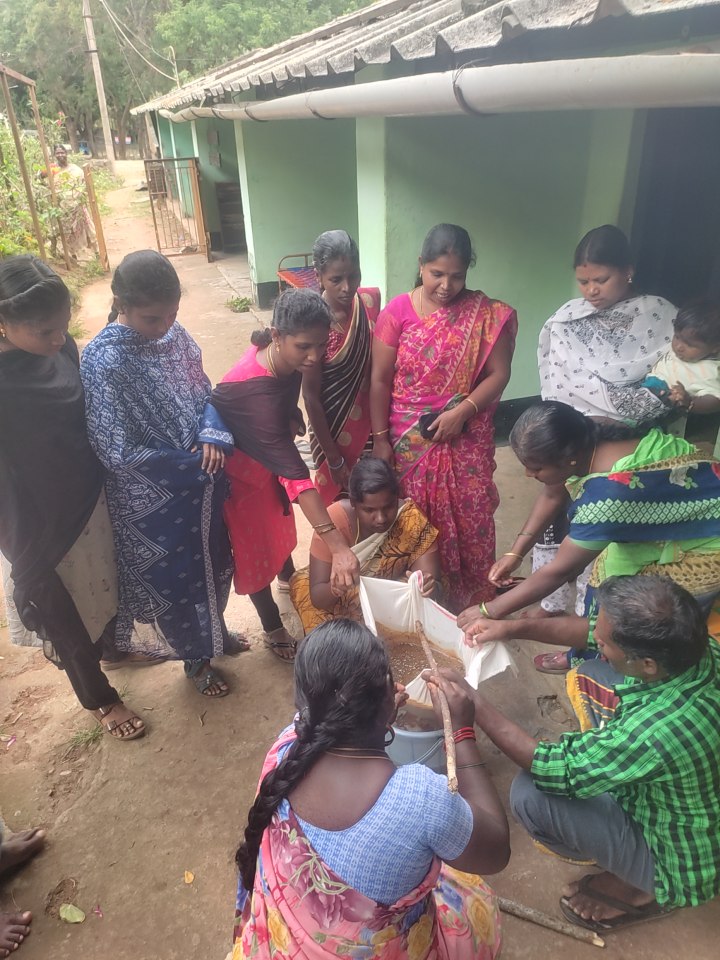
This particular follow-up session focused on processing raw beeswax. As a byproduct of the honey harvesting process, beeswax makes for a valuable resource that can then be processed, “value-added,” and made into products like lip balms, soaps, food wraps, solid perfumes, and so on. Processing beeswax involves three primary steps:
1. Melting the raw beeswax in a water bath
2. Filtering the melted wax using a cloth
3. The filtered beeswax is allowed to cool, solidify, and be ready to be stored.
The trainees actively engaged in the practical session and had plenty of questions on the process. One interesting aspect about the follow-up training sessions that have been carried out as part of the UNESCO: Women for Bees initiative is the collective nature of participation. Engaging each other in the process of clearing doubts, actively and collectively engaging with the practical sessions and offering support to their fellow trainees has reinforced this notion that feeling a collective sense of responsibility towards each other in helping sustain beekeeping as a practice is the only way to move forward.