By Vidya S., Climate Change
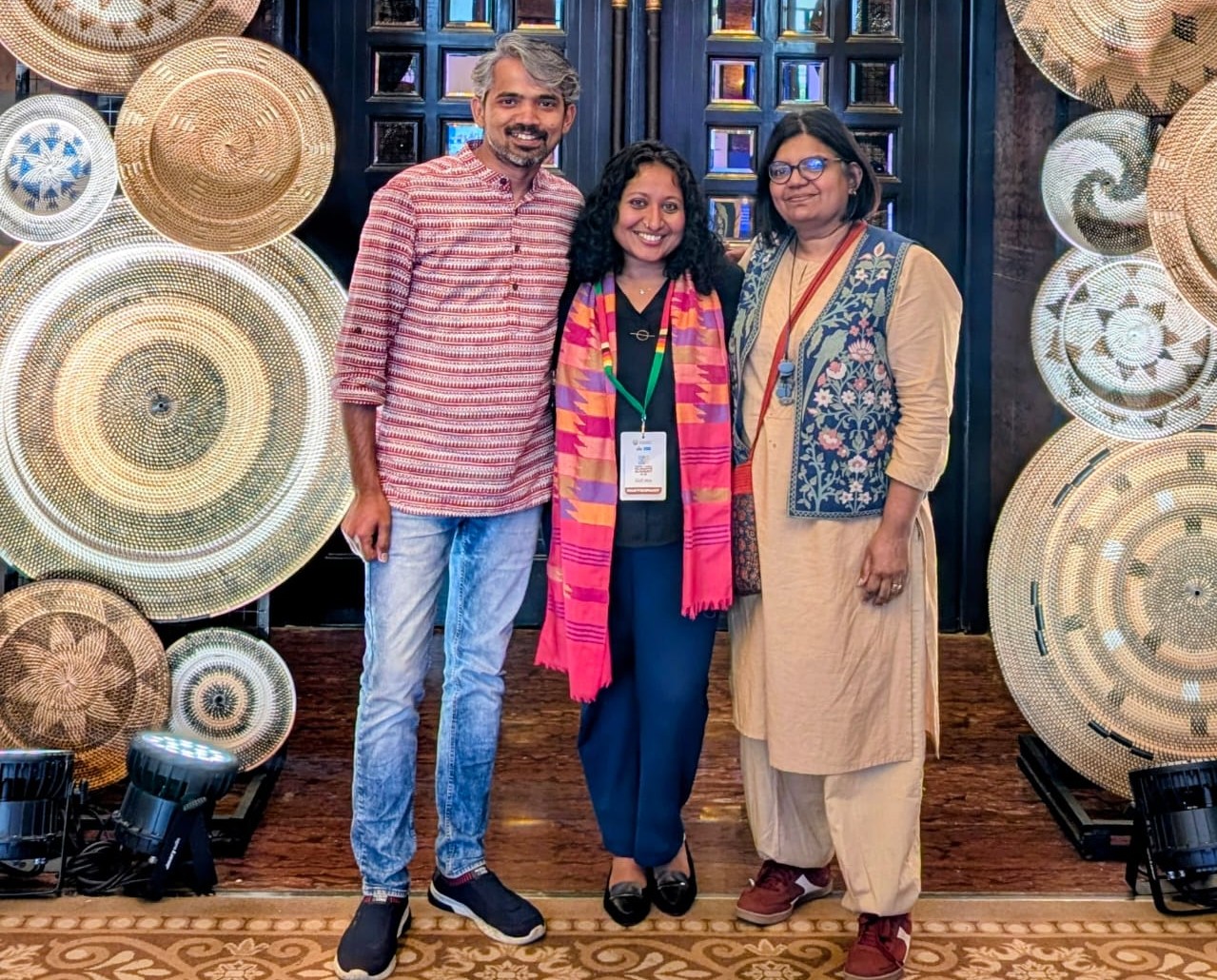
December was especially exciting for me because of the Journeying Across the Himalayas Festival in Delhi, hosted by the Royal Enfield Social Mission. This experience felt even more special since it was my first solo trip to the city and my second time attending the festival, “Journeying Across the Himalayas.” I participated in the event on December 8th and 9th.
Learning about CSR and Behaviour-Led Tourism
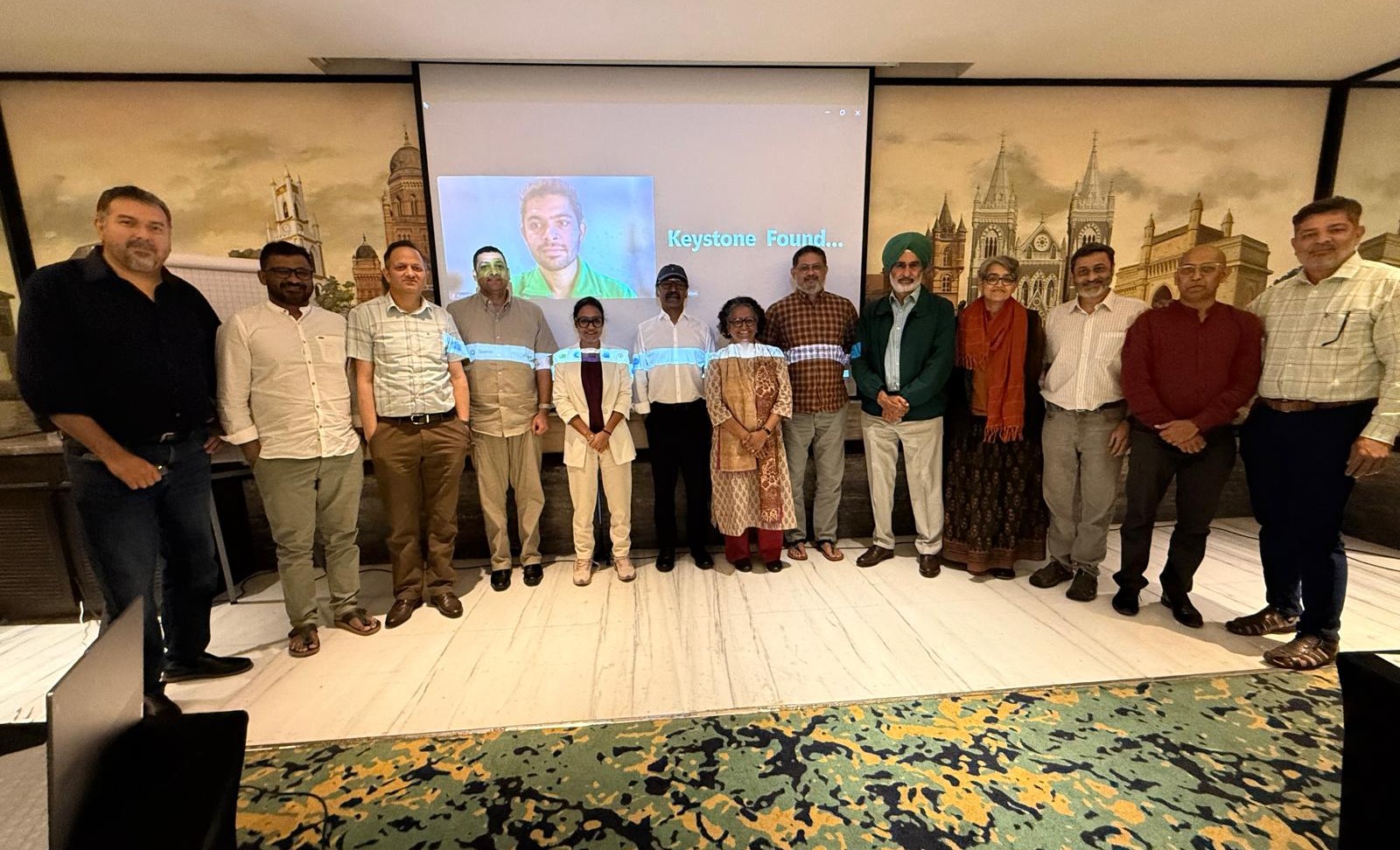
On the 8th, I attended a workshop on “Understanding the CSR Framework and Internal Compliance” , where I got a clear understanding of Corporate Social Responsibility (CSR) in simple and practical terms, especially from the perspective of people and organisations working on the ground. The session explained the roles of different agencies involved in CSR, highlighting responsibility for planning, implementing, monitoring, and reporting activities. It also emphasised the importance of impact assessment to understand whether the work is creating real and positive change in communities.
Additionally, it outlined the do’s and don’ts of CSR, such as using funds for approved activities and maintaining transparency. Another key takeaway was fund utilisation, which stressed proper budgeting, timely spending, accurate documentation, and reporting. The session gave special emphasis to fixed assets and inventory, explaining that any materials, equipment, or infrastructure created using CSR funds must be properly recorded, maintained responsibly, and reported clearly, ensuring accountability and long-term benefit.
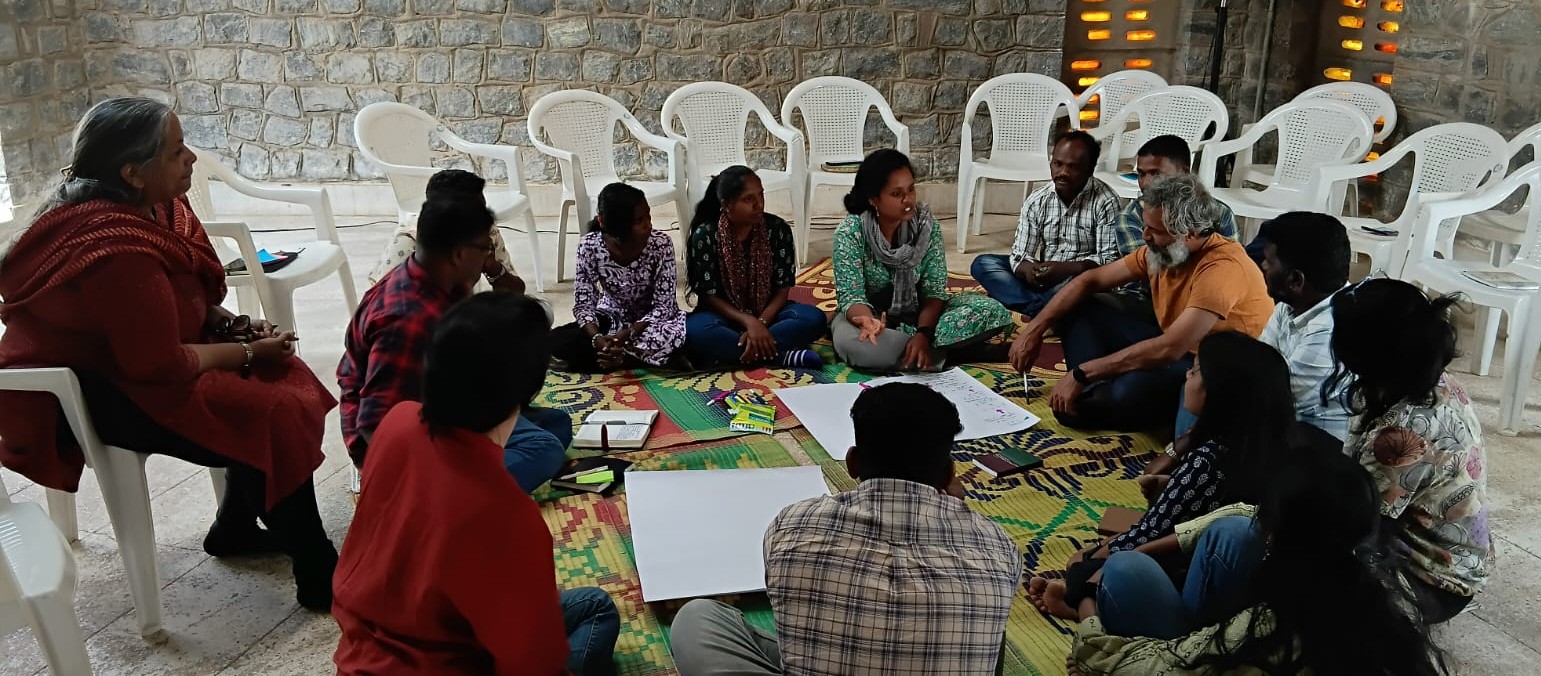
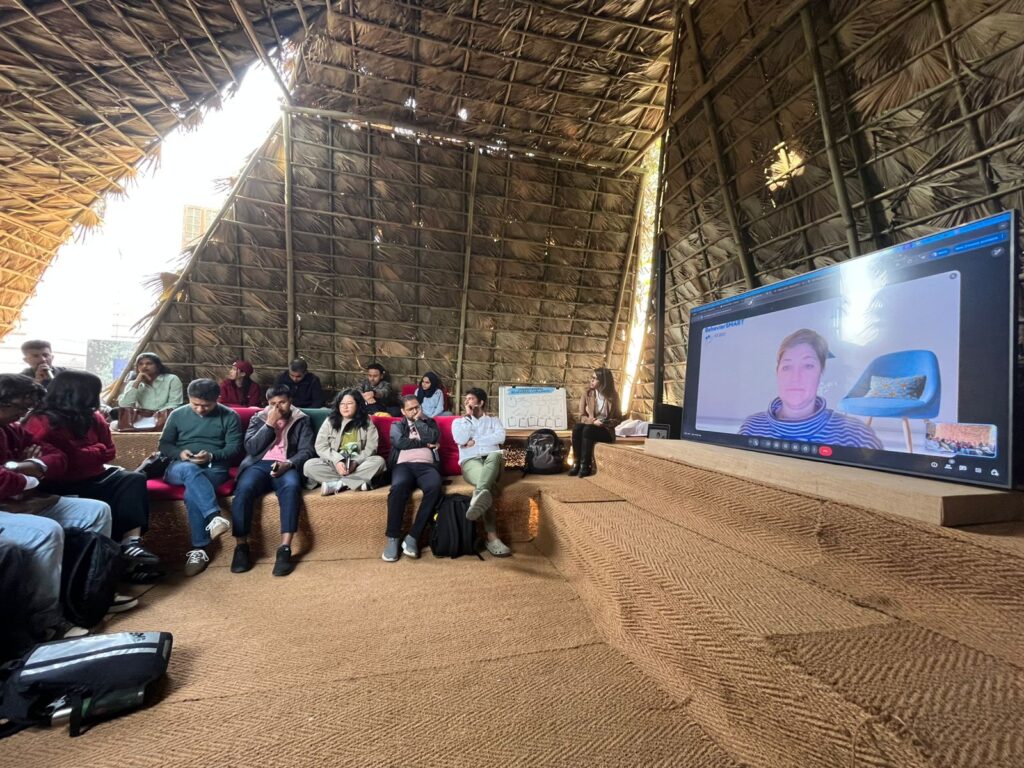
On the 9th, I attended another engaging workshop on Behaviour-led Tourism, facilitated by Dr. Melina S. Nikolova, an expert researcher from Behaviour Smart. The session focused on understanding the psychology of travellers and how their choices influence tourism outcomes, highlighting behaviour change as both a challenge and an opportunity. Through practical design tools, real-life examples, and group discussions, the workshop explored key issues such as waste management, human–wildlife conflict, promotion of local products, visitor behaviour, and community engagement. Participants also took part in hands-on activities, working in groups on each theme to design actions and programmes aimed at triggering positive behaviour change.
Exploring the Exhibition
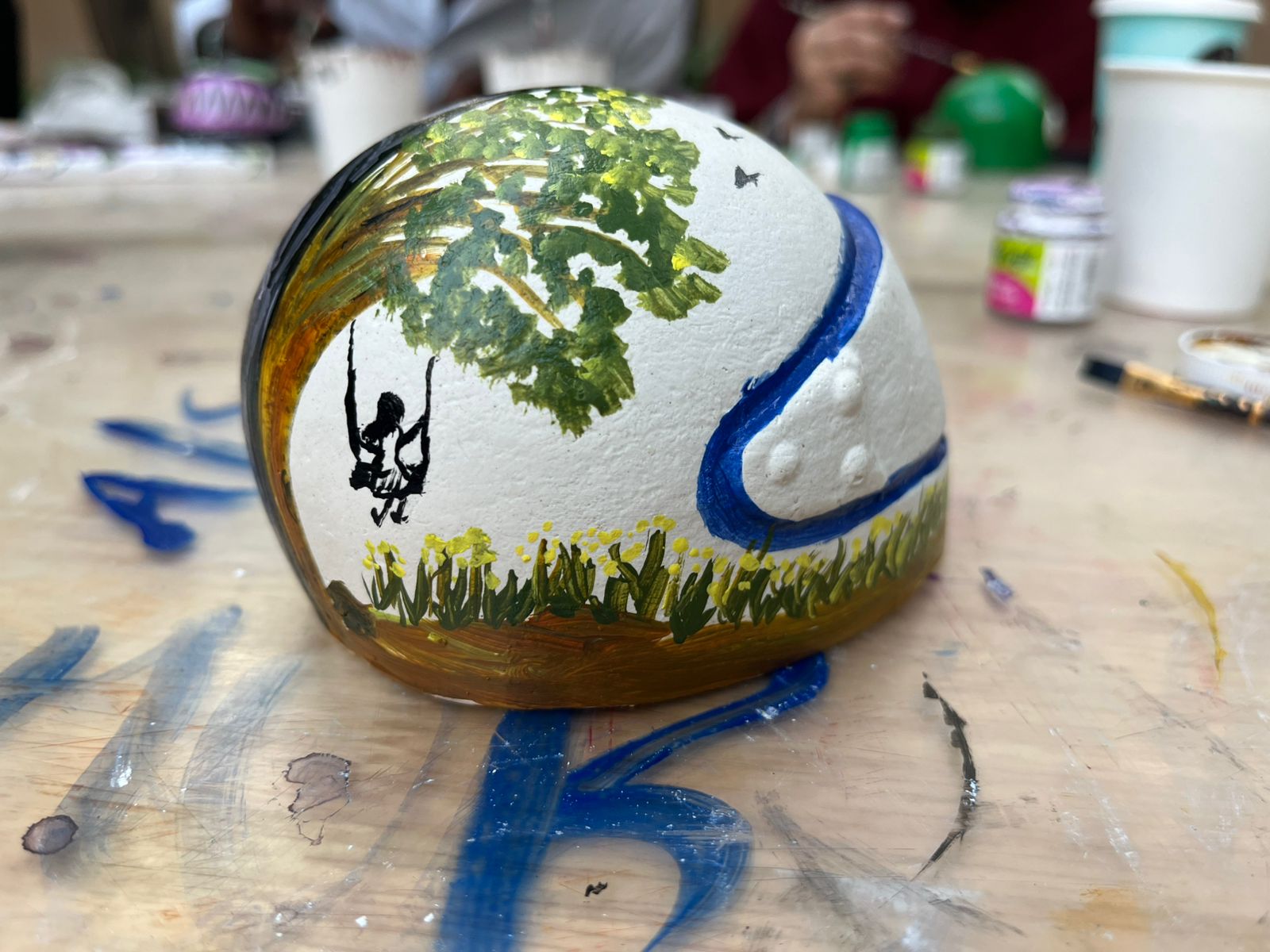
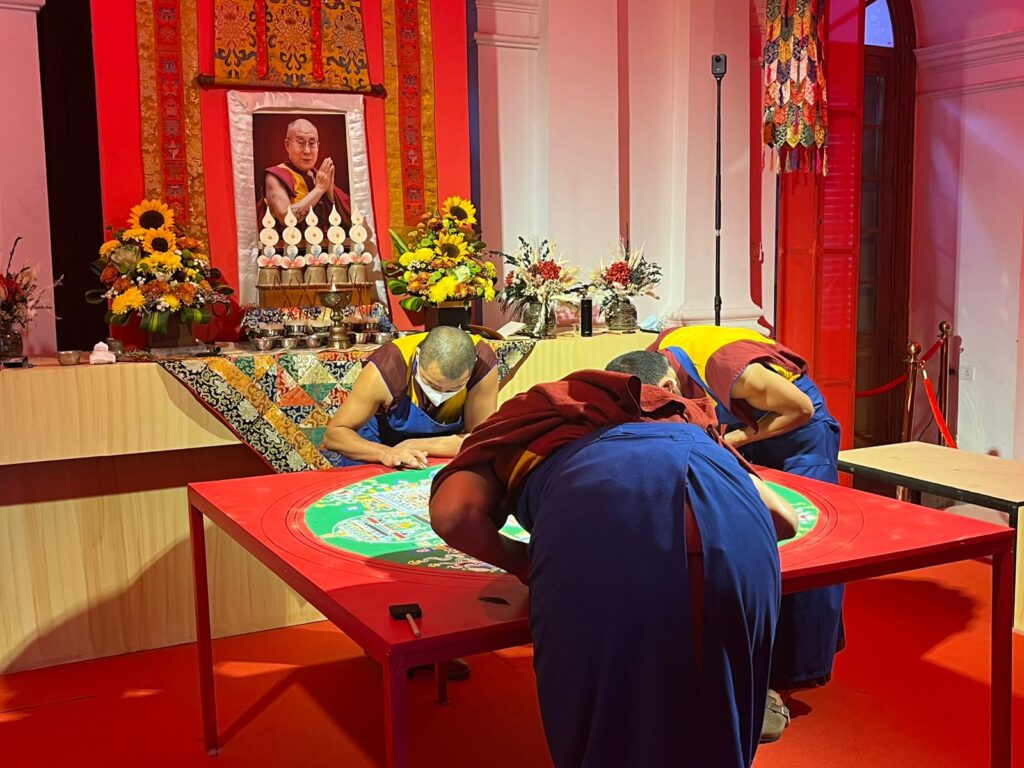
The exhibition offered several surprising and inspiring experiences. I was particularly amazed to learn that leather can be made from tomatoes as a sustainable alternative to conventional materials. The exhibition space, curated by Green Hub fellows, stood out for its thoughtful and engaging design, where they presented their powerful ideas on responsible tourism in Ladakh through a fascinating structure. The Buddha and Mandala art, traditionally used to welcome deities, created a calm and meditative atmosphere. The 3D landscape video of Ladakh felt remarkably realistic, drawing viewers into the region’s terrain and spirit. Among all the exhibits, the clay helmet painting was especially memorable and something I personally enjoyed the most.

The festival was an experience combined with learning, creativity, and meaningful conversations around sustainability and responsible tourism. Travelling solo and engaging with diverse ideas and people made the journey even more empowering and memorable for me.