P.Chandran & Faisal Rehman, People and Nature collectives
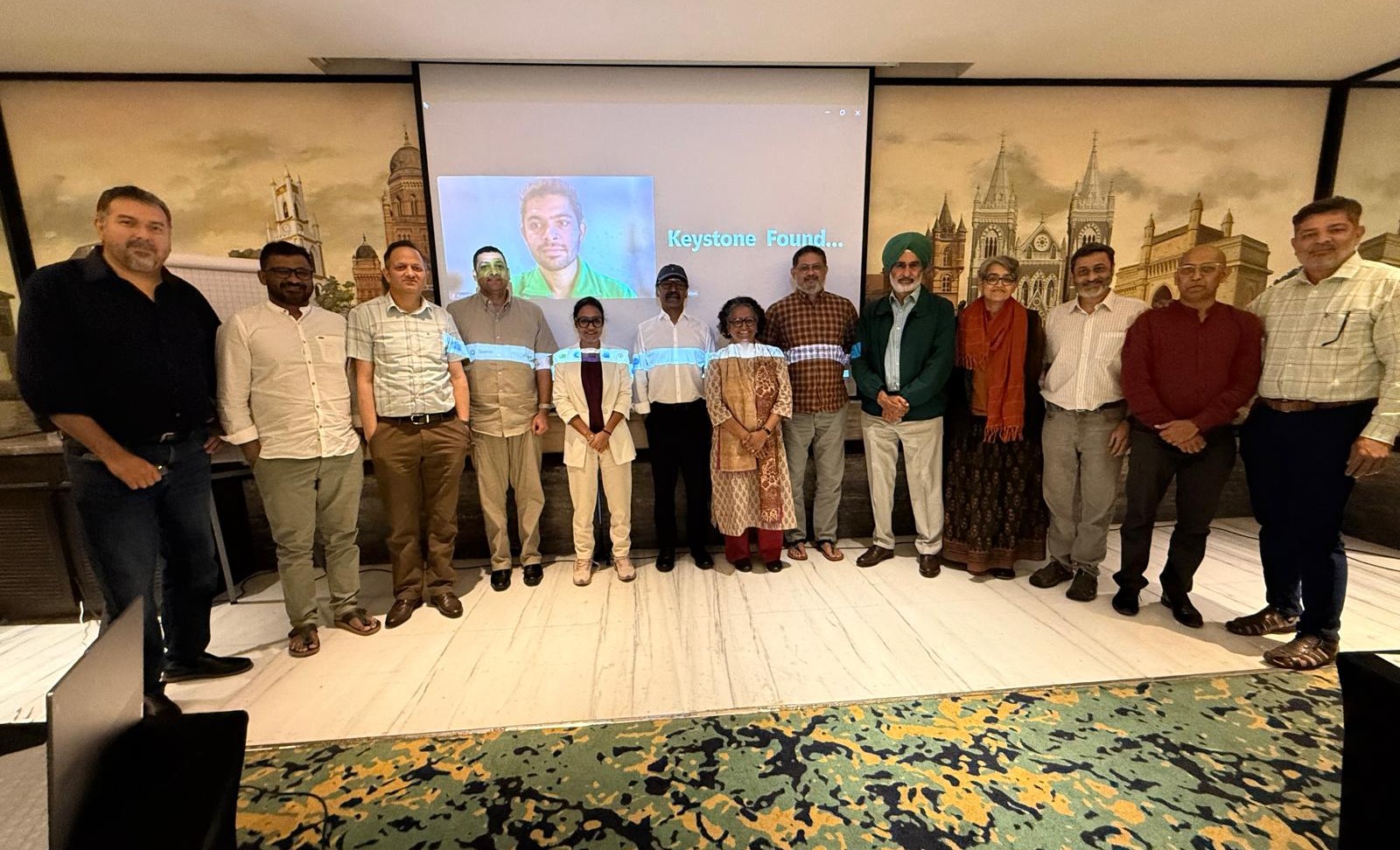
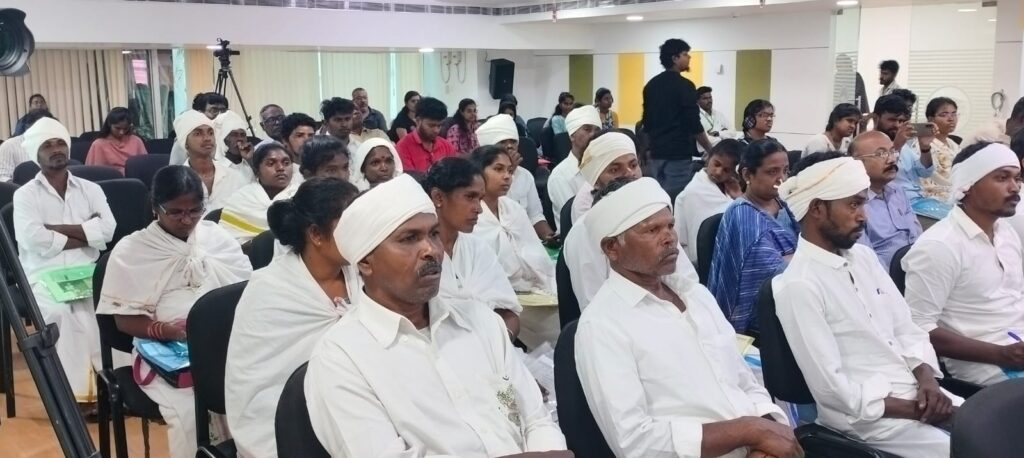
On 21 February 2026, as part of the International Mother Language Day celebrations at the Anna Centenary Library in Chennai, Keystone Foundation had the honour of coordinating a powerful gathering centred on Alu Kurumba language, art, and cultural memory. The Centre for Social Justice and Equity, Madra School of Social Work, and the Adi Dravidar and Tribal Welfare Department, Government of Tamil Nadu, jointly organised the event. They brought together artists, scholars, students, and community members to celebrate the Alu Kurumba community and their knowledge systems.
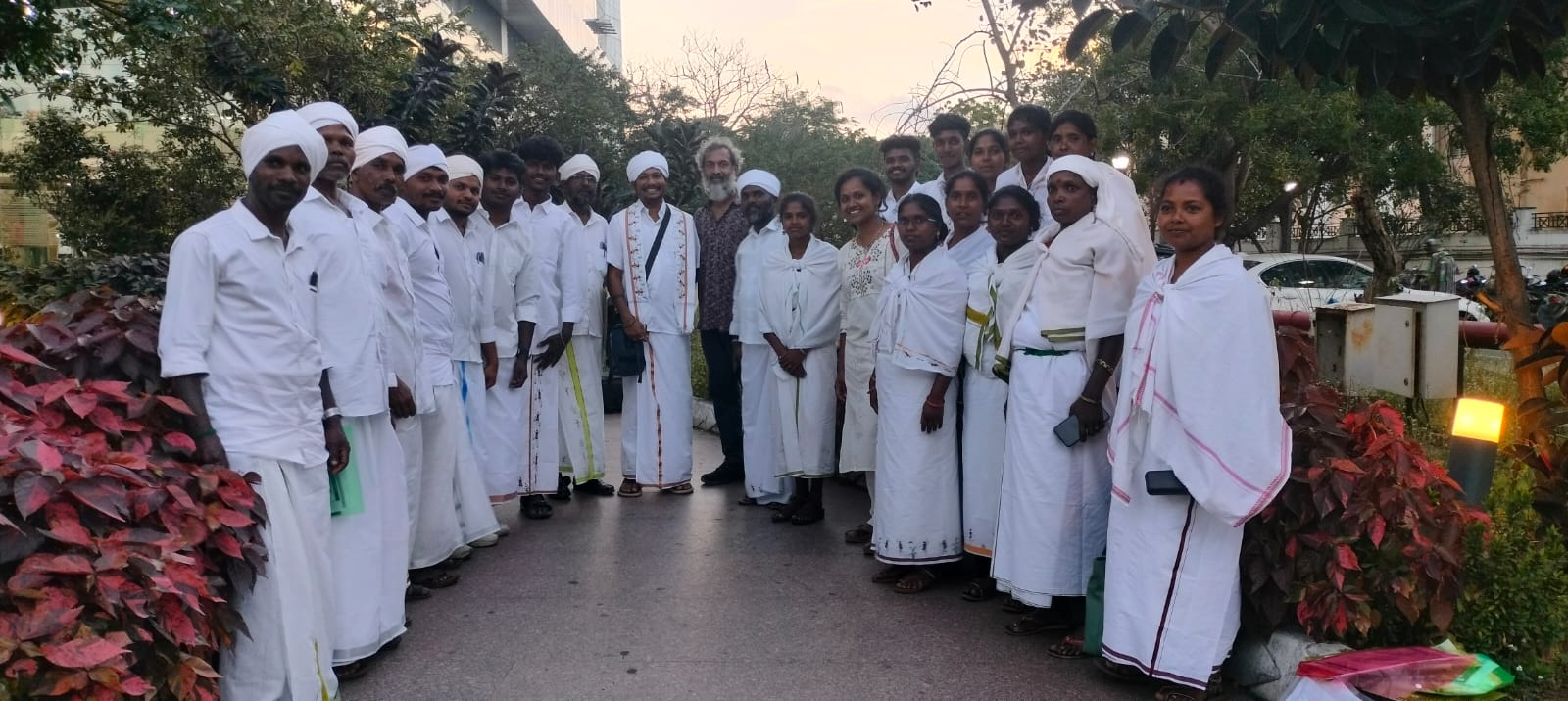
From the Nilgiris, we travelled with 38 members of the Alu Kurumba community to Chennai to commemorate the life and work of Ajil Bottu artist R. Krishnan, fondly known as Kitna, whose recent Padma Shri recognition marked a historic moment for the community. The day was both a tribute and a living assertion of Alu Kurumba cultural identity.
Intergenerational Dialogues with the Alu Kurumba community:
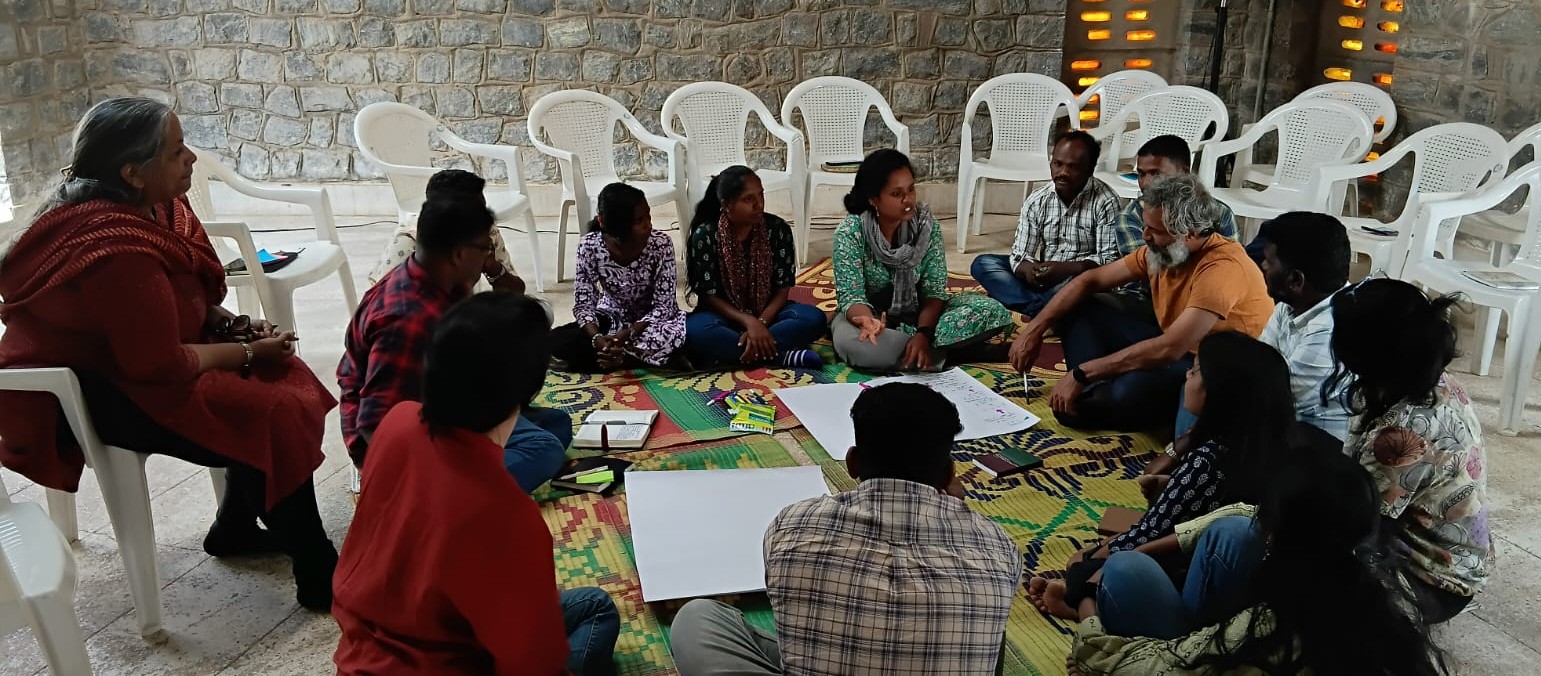
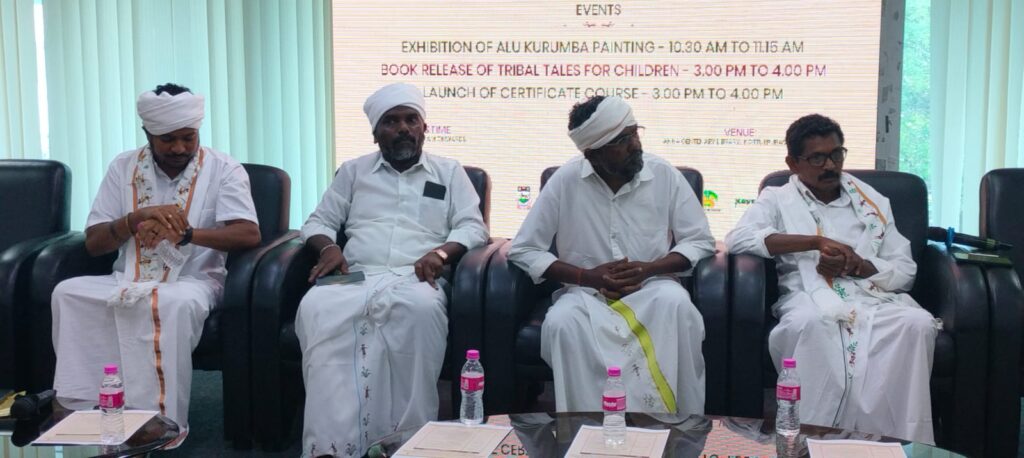
A highlight of the day was the panel discussion titled Intergenerational Dialogues, moderated by Faisal Rehman. The panel featured Alu Kurumba leaders and knowledge holders including P. Chandran, J. R. Mani, Balasubramani, Thirumurthy and others.
The conversation explored the story of ajil bottu and its deep connections to forest life. There is an intrinsic relationship between the Alu Kurumba people and the wildlife in their habitat. Panelists discussed how these ecological relationships are encoded in motifs such as dots, lunar patterns, grains, clan deities, and song and dance scenes. The discussion traced the evolution of Ajil Bottu from medicinal and ceremonial practice to contemporary artistic expression. It highlights the importance of natural pigments, storytelling traditions, and collective memory.
The Alu Kurumba community continues to struggle with the economic realities they face. The panel explored the diverse forms of knowledge encoded in their language and the threats to such intangible cultural heritage. In particular, the panel addressed the issues of knowledge rights, intellectual property rights and artist rights in the context of traditional cultural and environmental knowledge and the sustainability of Alu Kurumba art forms, taking into account the small population and speakers. The speakers stressed the urgent need to preserve Alu Kurumba language, culture and identity through learning and youth engagement. They affirmed that preserving Ajil Bottu would safeguard the linguistic and environmental heritage of the community.
Alu Kurumba Histories Through Ajil Bottu:
The programme featured a carefully curated exhibition of photographs, artworks, films, books, and traditional objects that traced the life journey and artistic contributions of Krishnan Kitna. Keystone Foundation contributed photographs of Alu Kurumba engagements with art, ecology, cultural revitalisation, and community institution building. Krishnan Kitna’s paintings and traditional honey hunting implements were displayed. Natural pigments and raw materials like venge paal and semmannu were also exhibited. These highlighted the ecological roots of the art form. They showed the depth and narrative richness of Ajil Bottu storytelling.
The Anthropology Department of Madras University curated and developed the exhibition.
Alu Kurumba artists Ganesh and Kannan supported it.
They offered live demonstrations in the exhibition space.
The day featured films and posters on Alu Kurumba life histories. It also explored their understandings of Ajil Bottu. The programme included reflections on the artist Kitna himself.
Tracing the Journey of Ajil Bottu Across Generations:
The term draws from the ajil gida plant and the practice of marking the body with dots or pottu. The community reflected on how, over time, this art form evolved into a multifaceted artistic tradition expressed through rock art, mud wall paintings known as Banna Baraiva, body tattoos, and more recently cloth and paper paintings. CPR Foundation has supported the most contemporary iteration of Ajil Bottu since 1999. Keystone Foundation has supported it since 2000. They brought artists together and promoted art education and livelihood opportunities.
The exhibition allowed visitors to appreciate this continuum from medicinal marking to contemporary artistic practice.
The programme was enriched by the participation of the Alu Kurumba Arakol music group from Vellaricombei and musicians from Sengalpudur. Their performance of Arakol Aata-Paata, with bamboo pipes such as kuvalu (wind instrument), tambatte (mono-faced drums), and arre (two-faced drums), brought to life the rhythms of ceremony, celebration, and oral history. The gandesaatta and ennagatta dance forms offered the audience a glimpse into embodied cultural expression that continues to animate community life.
Acknowledging Partnerships and Shared Commitments:
We would like to thank the CSJE team, Professor Bhavananthi and Dr. Karthik Narayanan for providing us with this wonderful collaborative opportunity. The Centre’s commitment to creating an inclusive community and creating space for tribal voices within academic and public institutions is truly commendable. We would also like to thank the Directorate of Tribal Welfare and the heads of the Tribal Welfare Department for their wholehearted support in making the participation of community members possible. For the Keystone Foundation, this day was more than a commemoration. It was a collective assertion that language, art, ecology, and identity are intertwined. On International Mother Language Day, the presence of several Alu Kurumba members in Chennai was a powerful reminder that Indigenous languages live not only in words, but in songs, motifs, memories, and the enduring dots of Ajil Bottu.