By Vandana Kannan-Biodiversity Conservation, Sneha, and Anokha Venugopal -Knowledge Hub
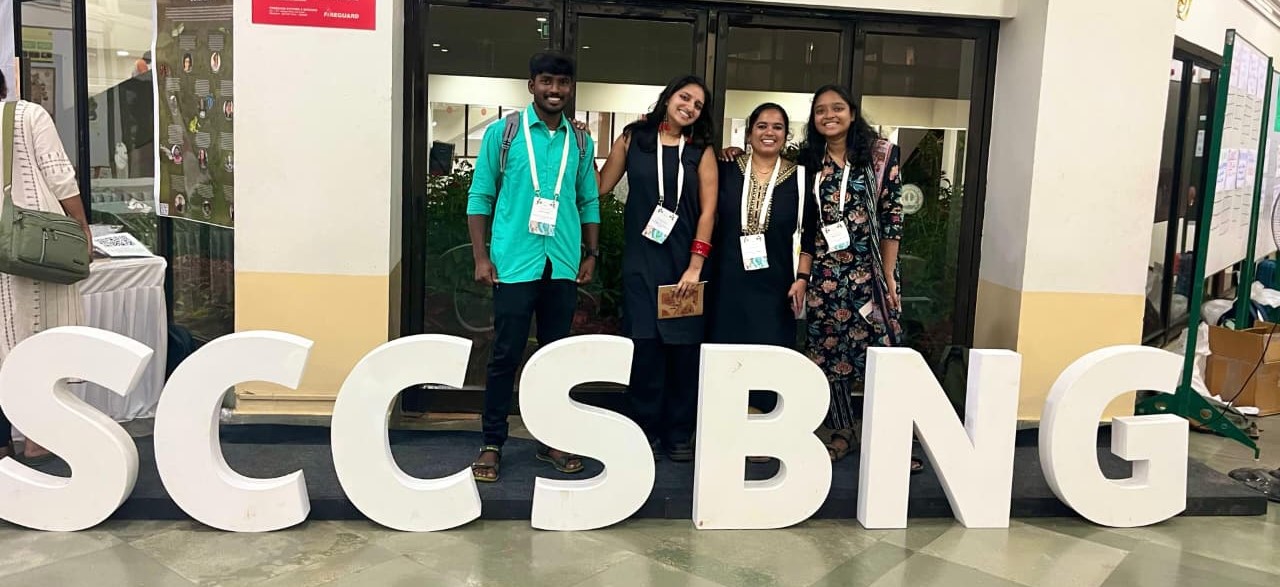
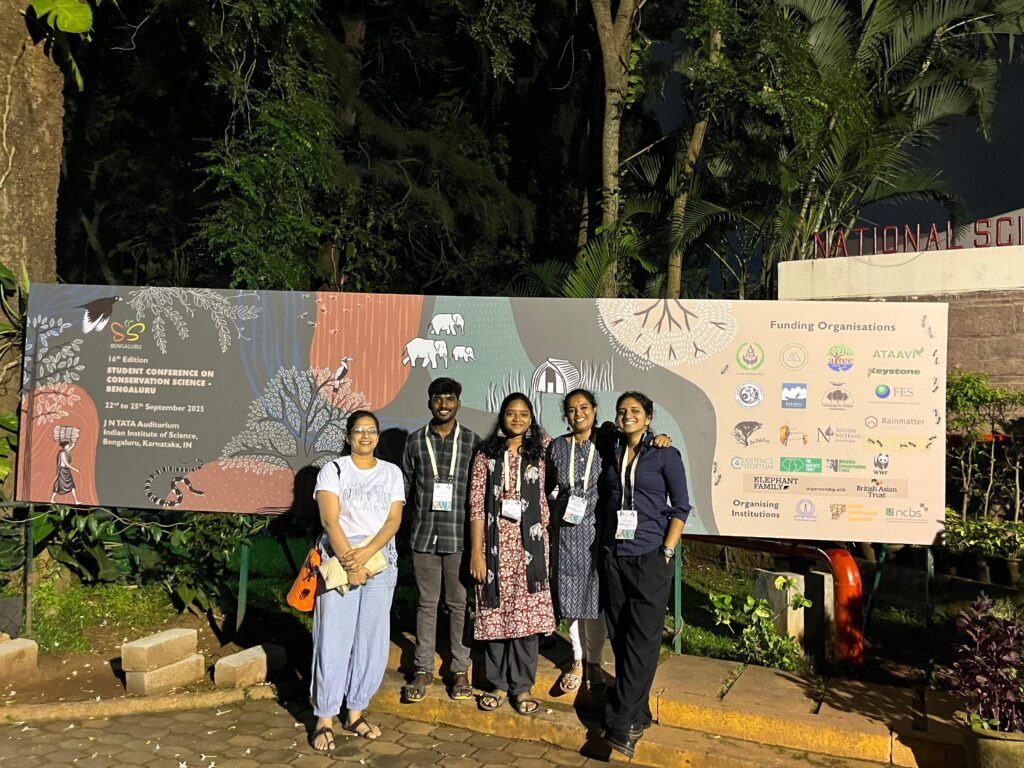
The Student Conference on Conservation Science (SCCS) is a yearly meeting of young conservationists from across India and beyond. This year, four of our members from Keystone attended the conference, representing our Biodiversity Conservation and Knowledge Hub teams. These members included Vandana Kannan, Mathesan R., Sneha, and Anokha Venugopal. The Knowledge Hub team organized a stall to showcase Keystone’s publications and work, which was also joined by the Mapping Invasive Alien Plants project, represented by Keerthi Krutha, as well as Aadhimalai Pazhangudiyinar Producer Company Limited, represented by Maximillian Kolbe. Below, Vandana and Sneha share their individual experiences and takeaways from this insightful and memorable conference.


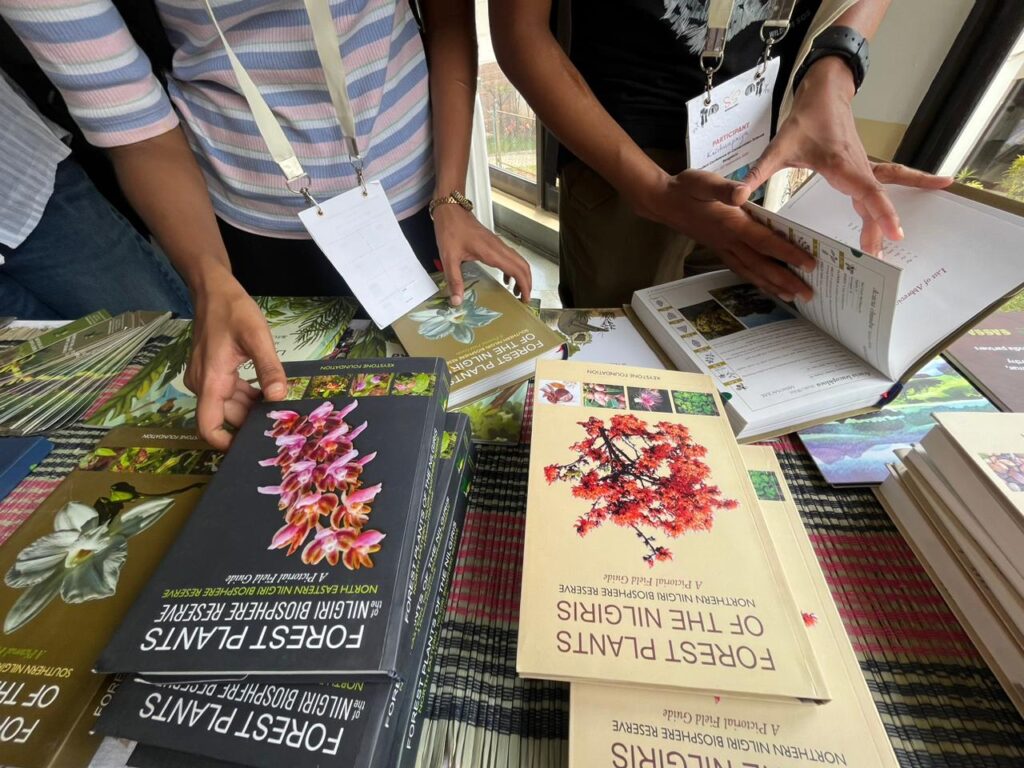
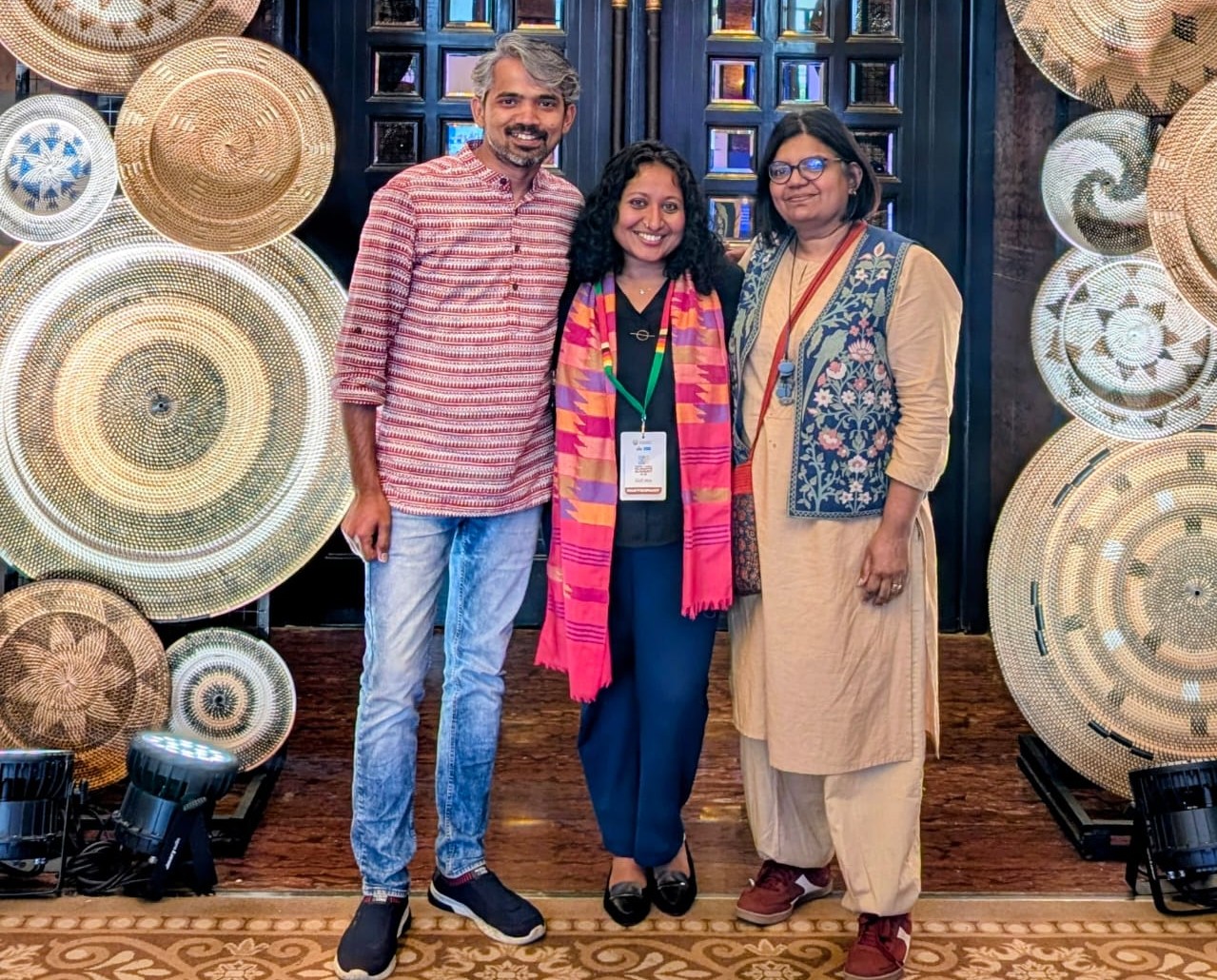
Keystone Exhibition space
Vandana’s Experience
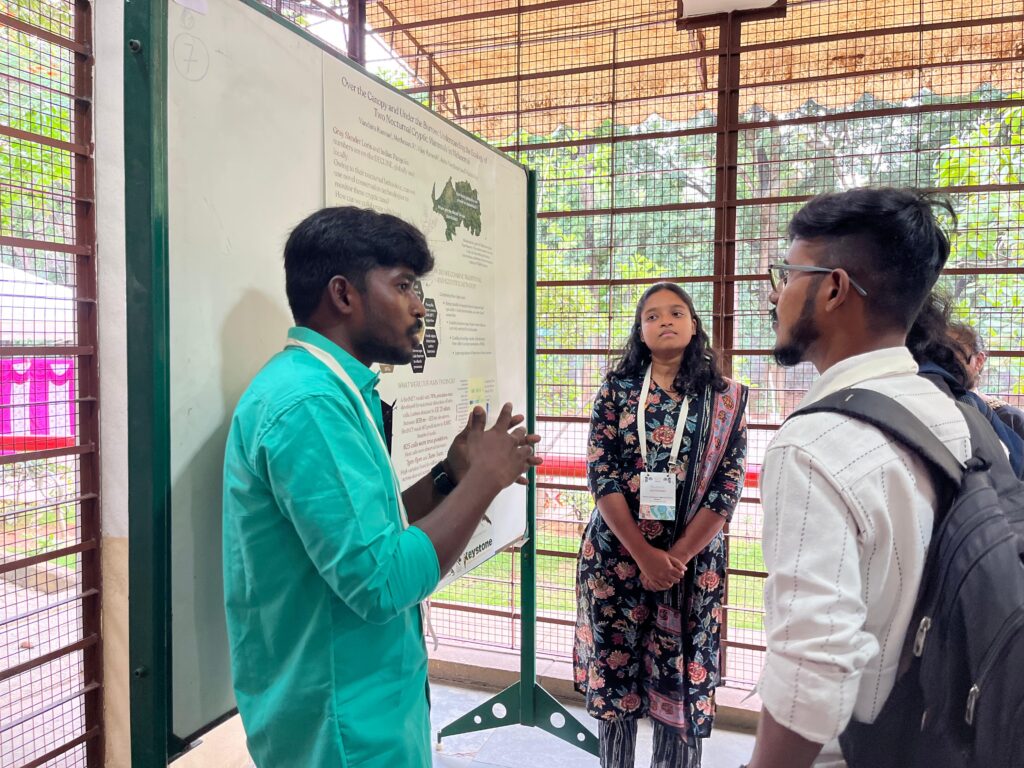
Along with three of my colleagues, I attended the Students’ Conference for Conservation Science in Bengaluru from 22nd to 25th September 2025. This was my second time attending this conference, and I had many new learnings. Mathesan and I had the opportunity to present a poster talk on our research work titled “Over the Canopy and Under the Burrow: Understanding the Ecology of Two Nocturnal Cryptic Mammals in Melseemai,” which was based on our study of the Indian Pangolin and Gray Slender Loris from 2024-25. Our talk included a section on combining traditional and scientific practices in ecological research with Barefoot Ecologists, and our main findings from pangolin burrow count surveys and loris passive acoustic monitoring efforts. We received great feedback and interesting questions from students and senior scientists, and an honorary special mention prize out of 55 posters.
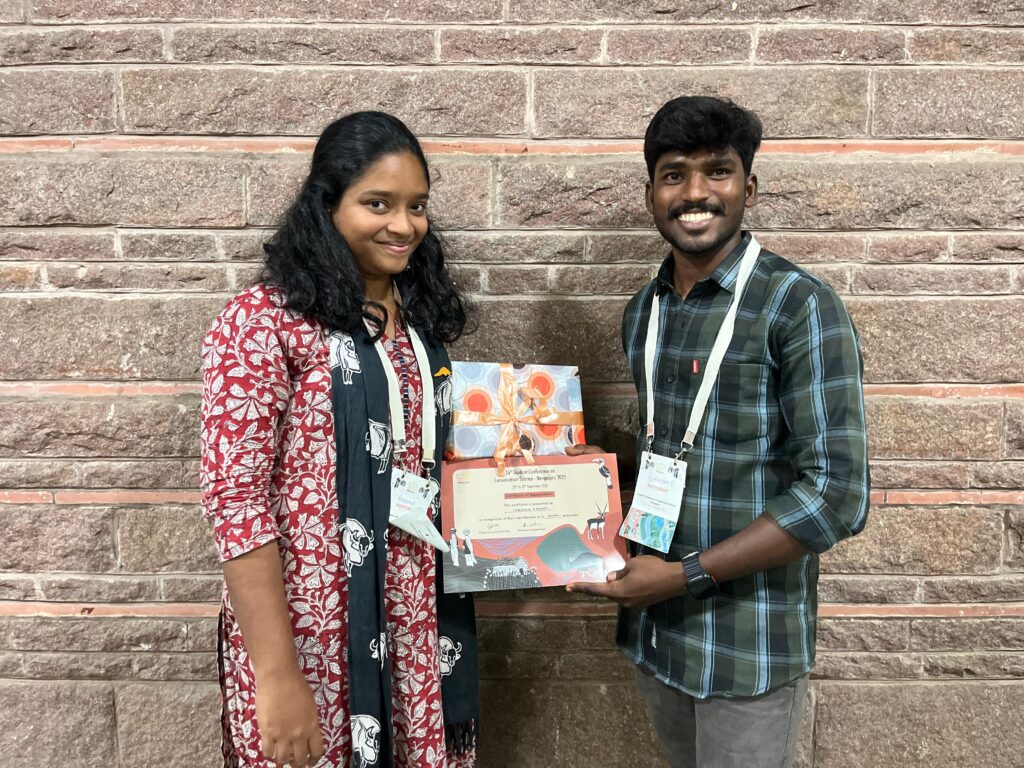
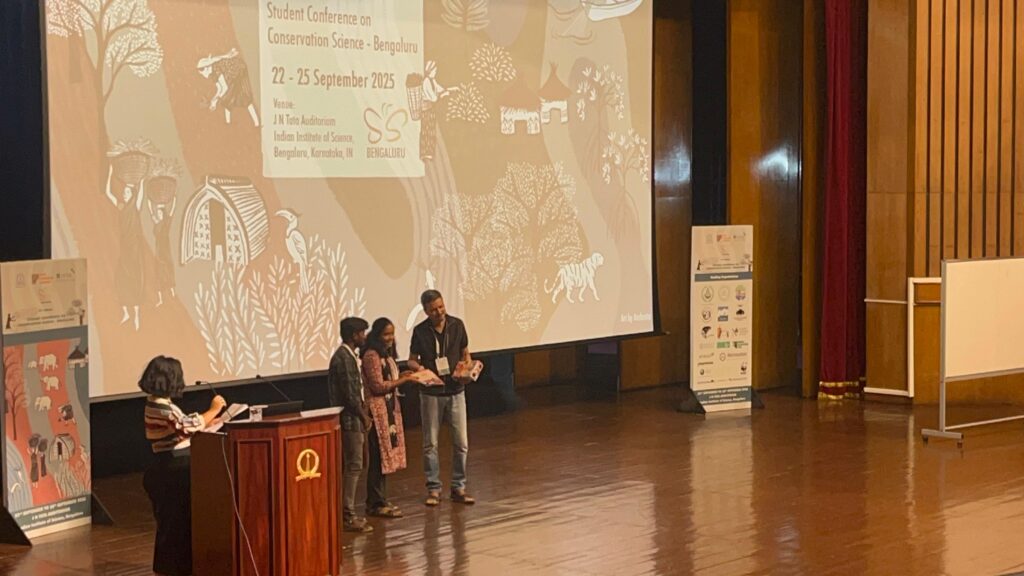
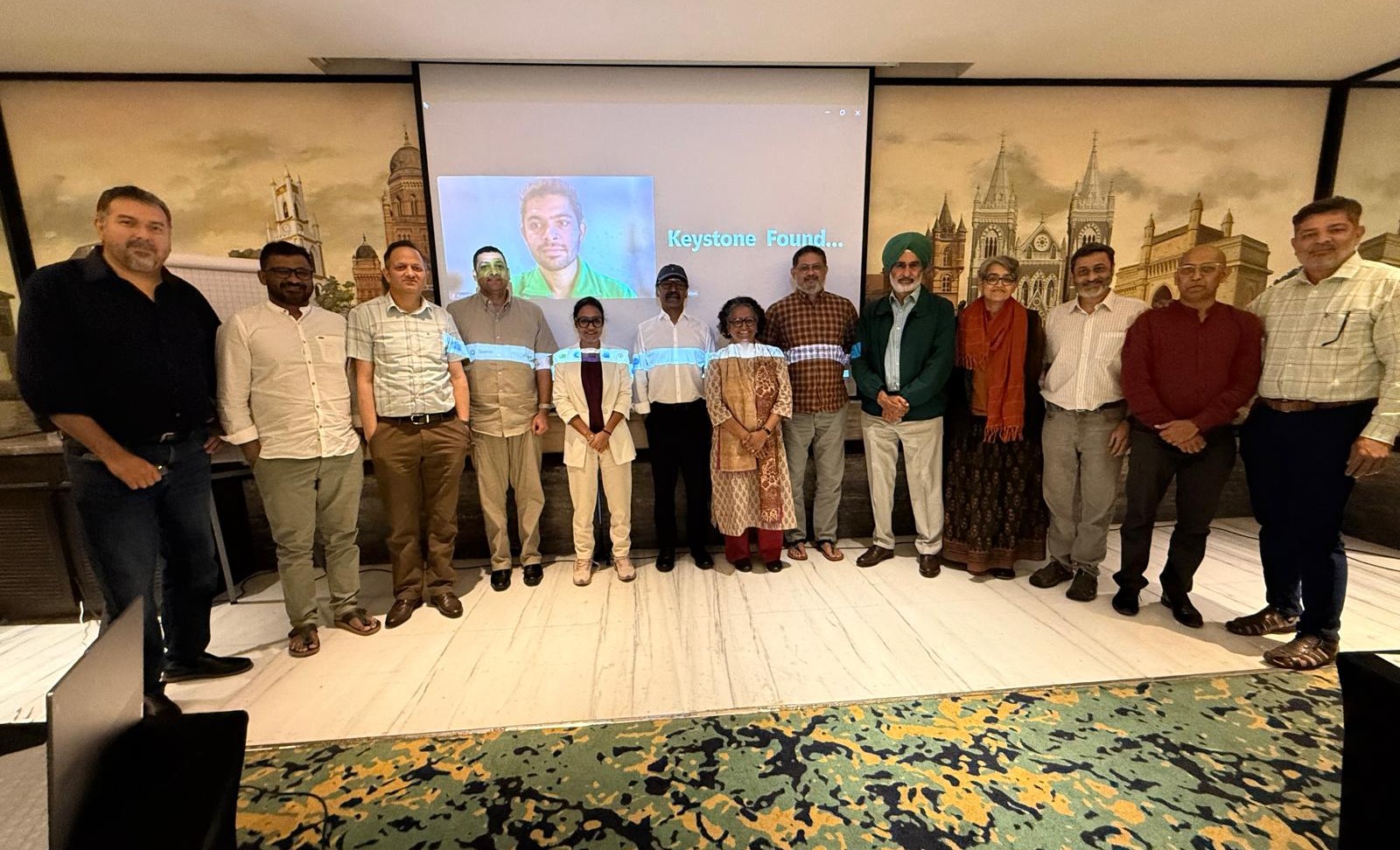
Honorary special mention prize for poster presentation
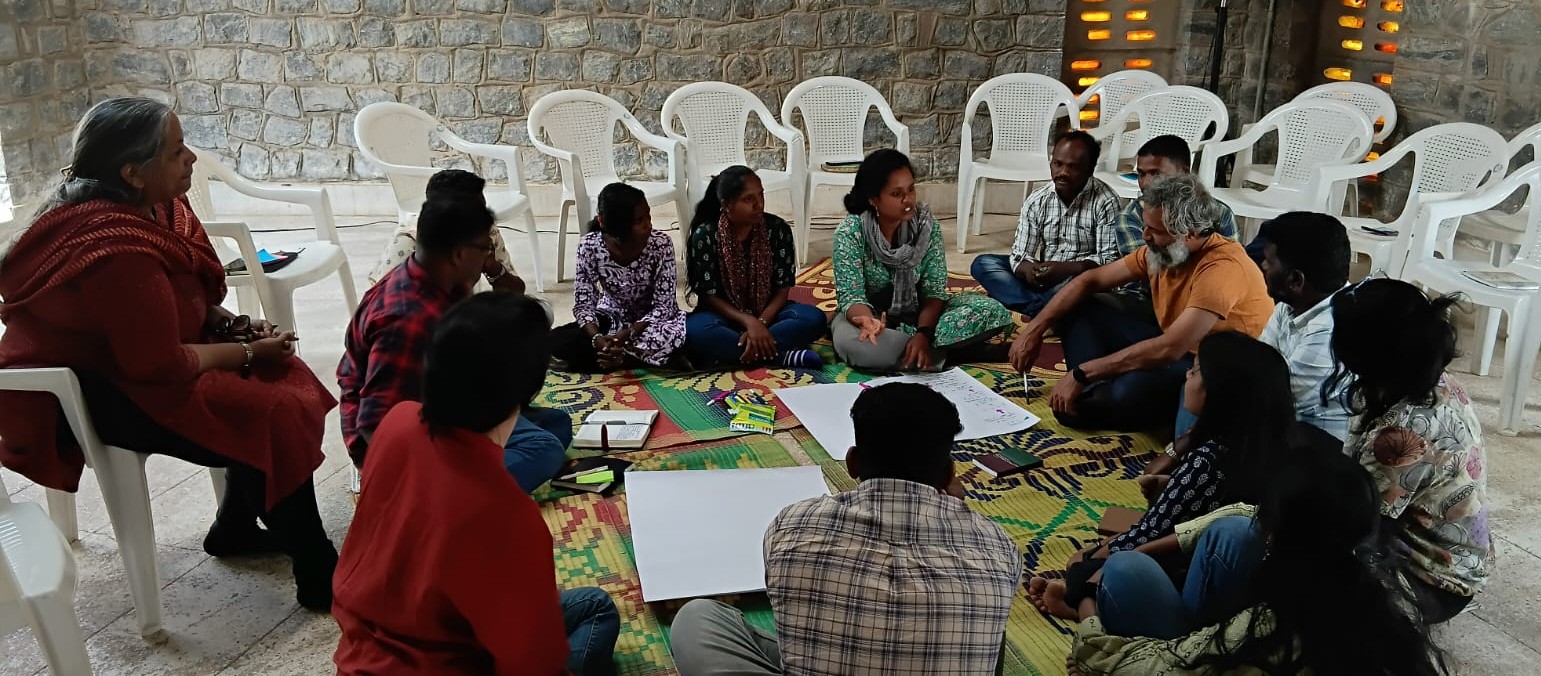
All four workshops that I attended were very helpful to me: Theatre for Environmental Justice; Generalized Linear Models (GLM); Ecological Data to storytelling; sound and its sensory experiences. The theatre workshop pulled me out of my comfort zone and helped me express my thoughts and emotions through movements, showing how powerful and effective simple actions can be for any audience. The GLM was a 6-hour-long workshop on advanced statistics for count data on R. This was especially useful as the coding language and result interpretation were clearly explained. While the storytelling workshop ran through several types of visuals and design tips to present ecological data to the public, the sound workshop creatively explored the influence of sound in shaping human-animal relationships.
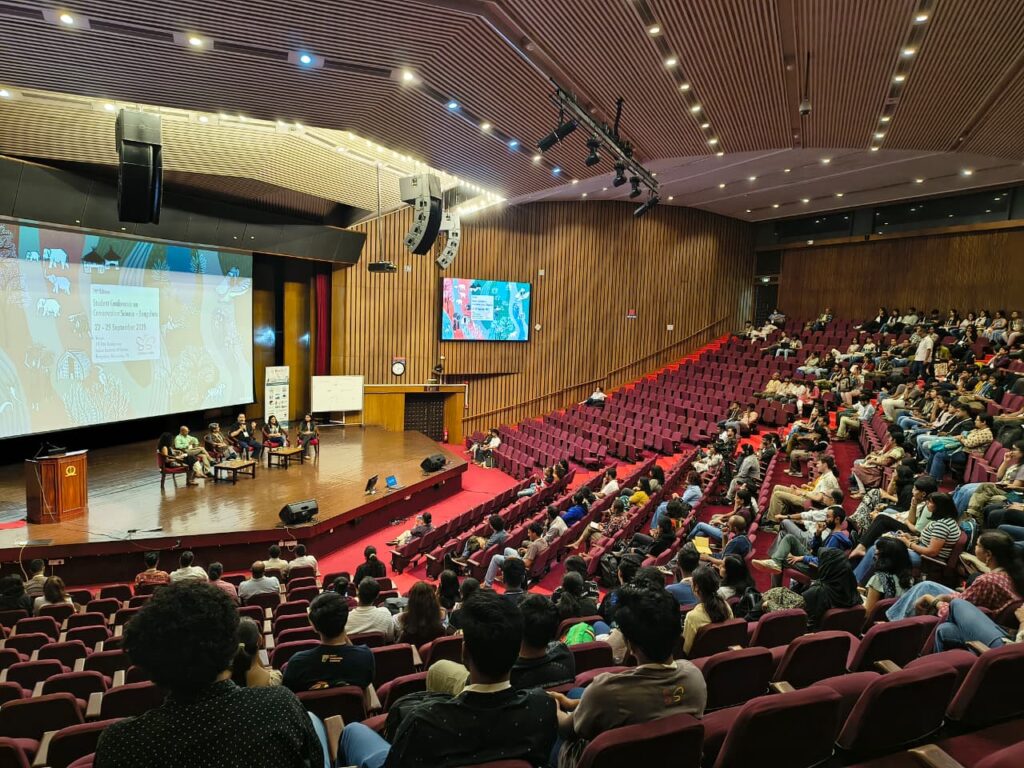
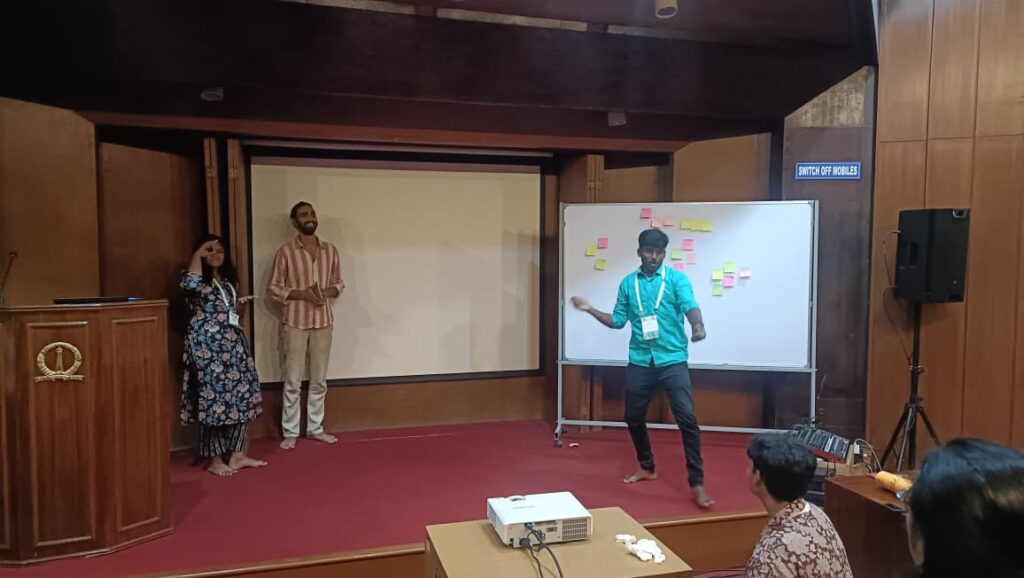
Apart from the workshops and presentations, it was wonderful to network with other early-career conservationists and find potential collaborations and exchange stories on the landscapes we work in.
Sneha’s Experience
From September 22nd to 25th, I had the opportunity to attend the Students Conference on Conservation Science (SCCS) in Bangalore, together with my colleagues Anokha, Vandana, and Mathesan. This was my very first trip to Bangalore, which made the whole experience exciting and memorable.
The conference brought together students, researchers, and practitioners from different parts of the country, all sharing ideas on biodiversity and conservation. Over four days, I participated in workshops, interactive sessions, and discussions that opened up new ways of thinking about conservation communication.
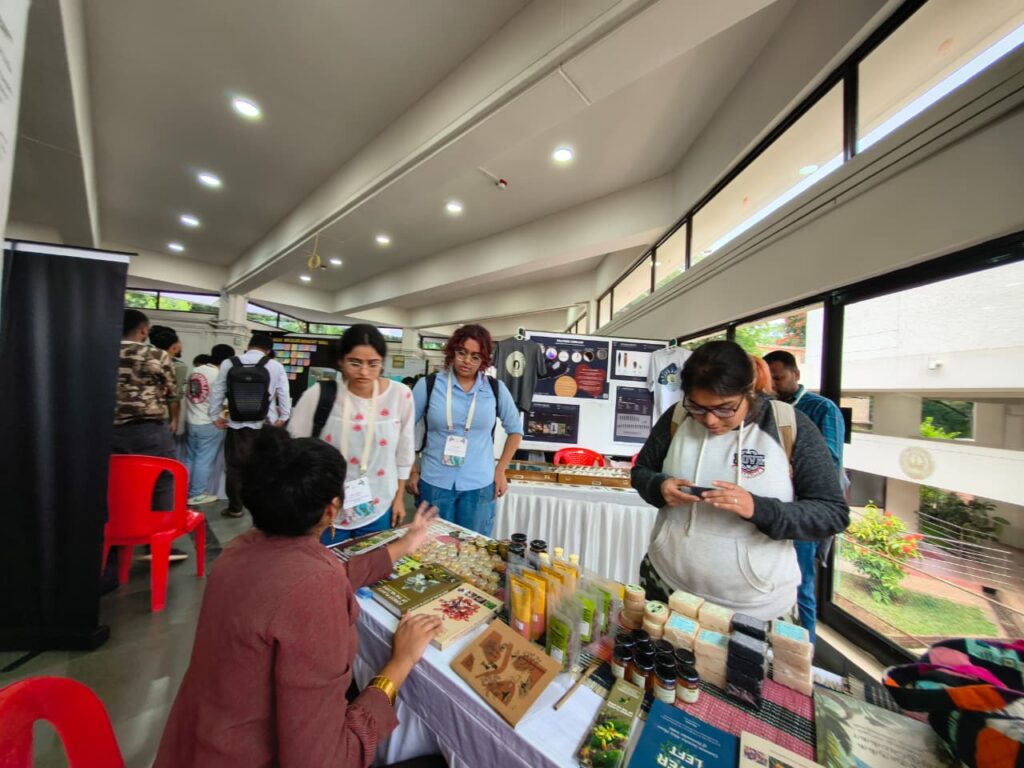
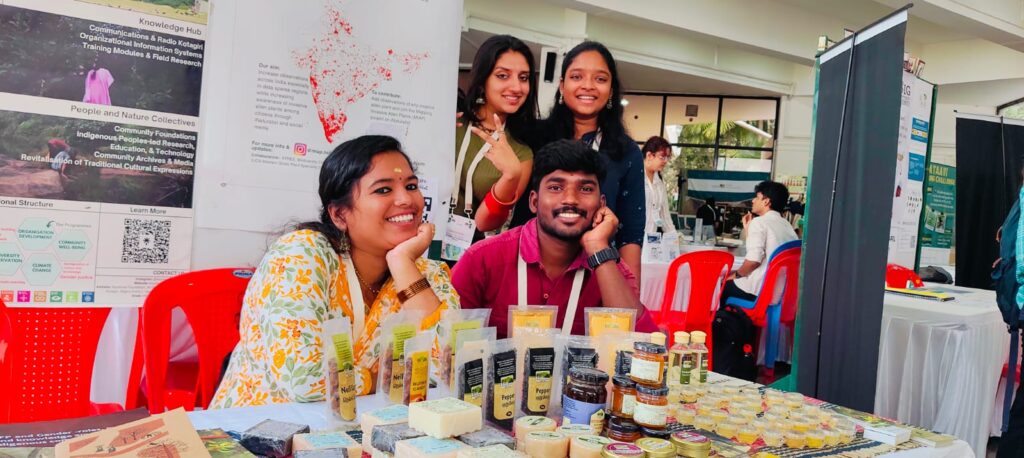
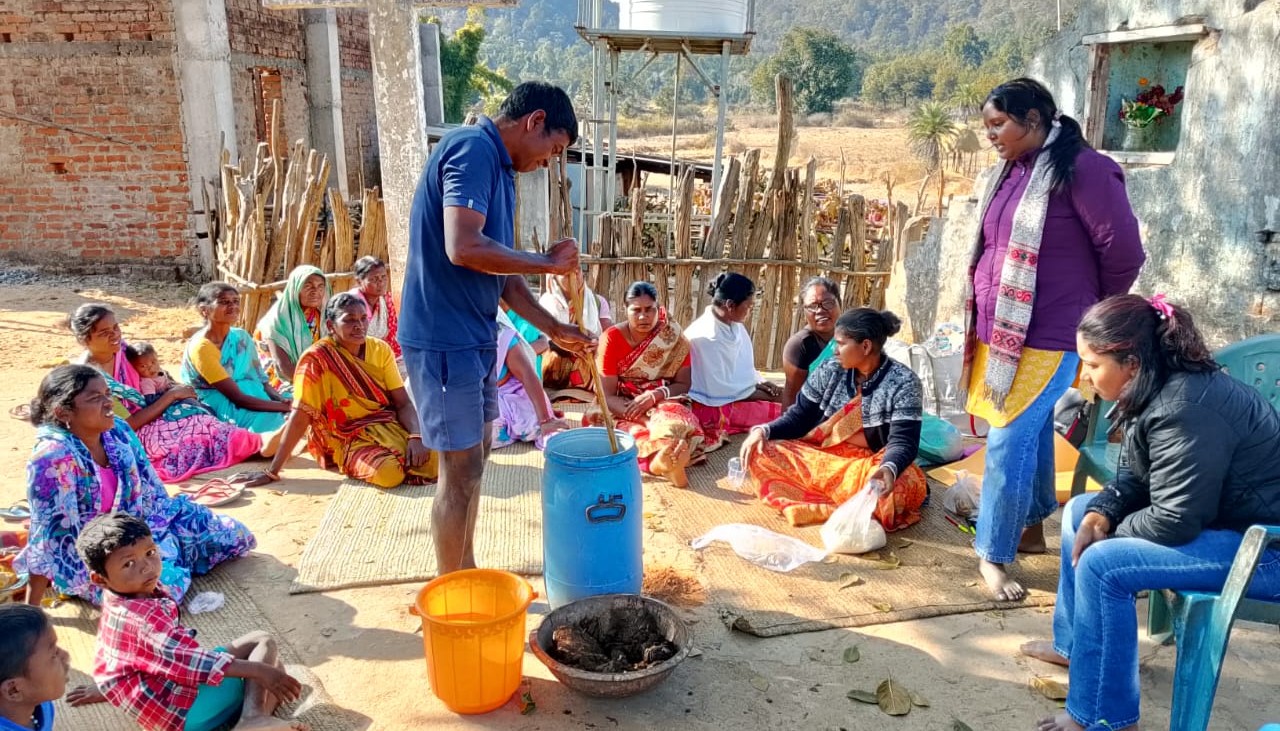
Aadhimalai Pazhangudiyinar Producer Company Stall
Keystone Foundation, along with Aadhimalai Tribal Producer Company, had an exhibition stall at the event. We displayed Keystone publications and Aadhimalai products, and many students visited our stall. It felt good to see their interest in our work and to be able to explain what Keystone and Aadhimalai are doing in the Nilgiris. This gave me confidence in speaking about our projects and also helped me realize the importance of presenting our work in clear and creative ways.
Some of the workshops I attended were very inspiring. For example:
- Language and Ecology – Communicating Nature through Local Languages: demonstrated to me how local languages can convey profound cultural connections with nature.
- Crafting Narratives for a Fragile World taught me how stories can make scientific ideas more relatable.
- Telling Wild Stories: A Visual Toolkit for Conservationists gave practical ideas on using visuals effectively in storytelling.
- Wildlife Content Creation and Engaging People through Social Media: helped me understand how to reach a wider audience through digital platforms.
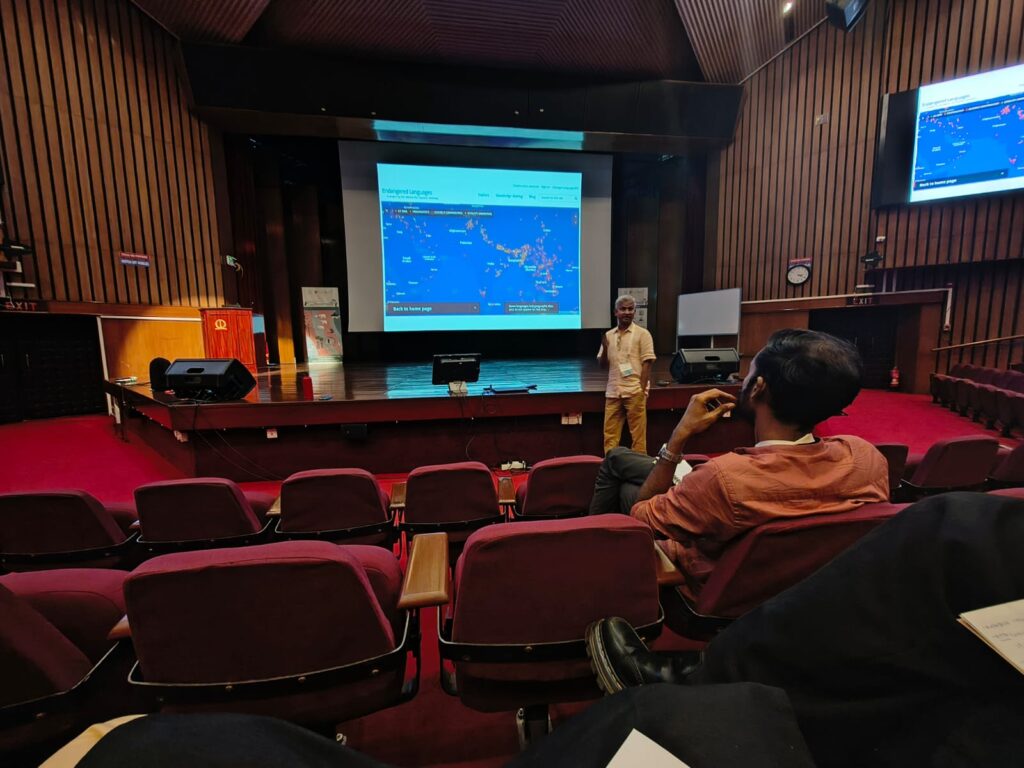
Through these sessions, I learned not only technical skills but also the importance of creativity, clarity, and cultural context in conservation. I also got to meet many new people—students, researchers, and professionals—who were eager to exchange ideas and experiences. Listening to them broadened my perspective and gave me new motivation in my own work.
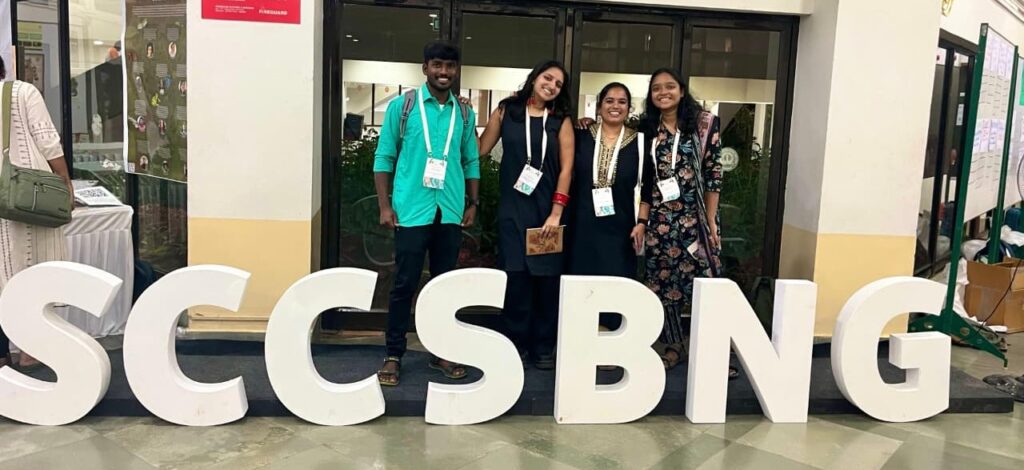
Overall, the SCCS conference was a very valuable experience for me. It was not just about attending workshops but also about exploring a new city, building connections, and realizing how communication can play a strong role in conservation. I came back with new ideas, confidence, and a sense of excitement to apply what I learned in my work at Keystone.
Photo Credit: Sneha & Anoka