Monisha Ravi, Community Wellbeing
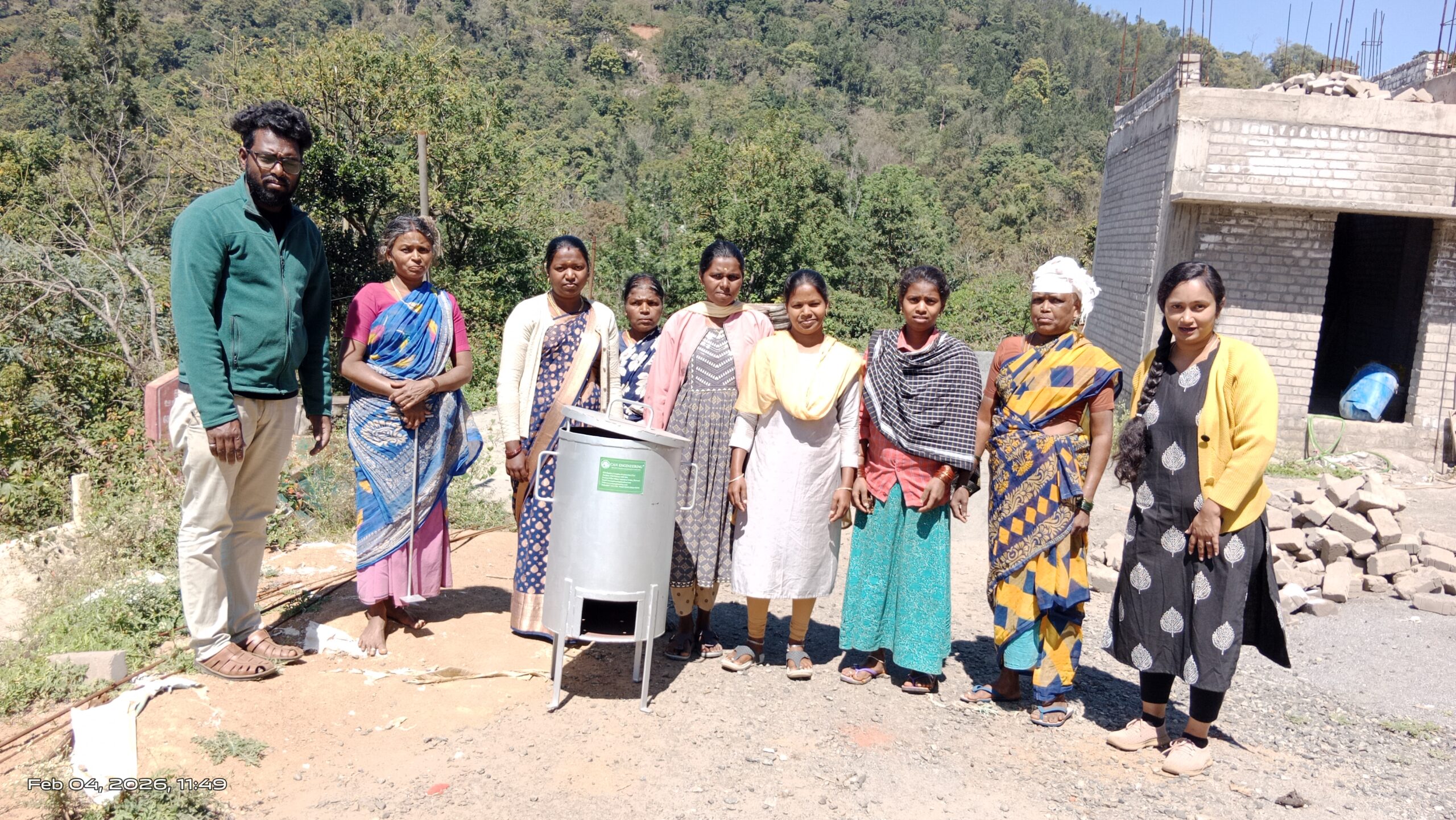
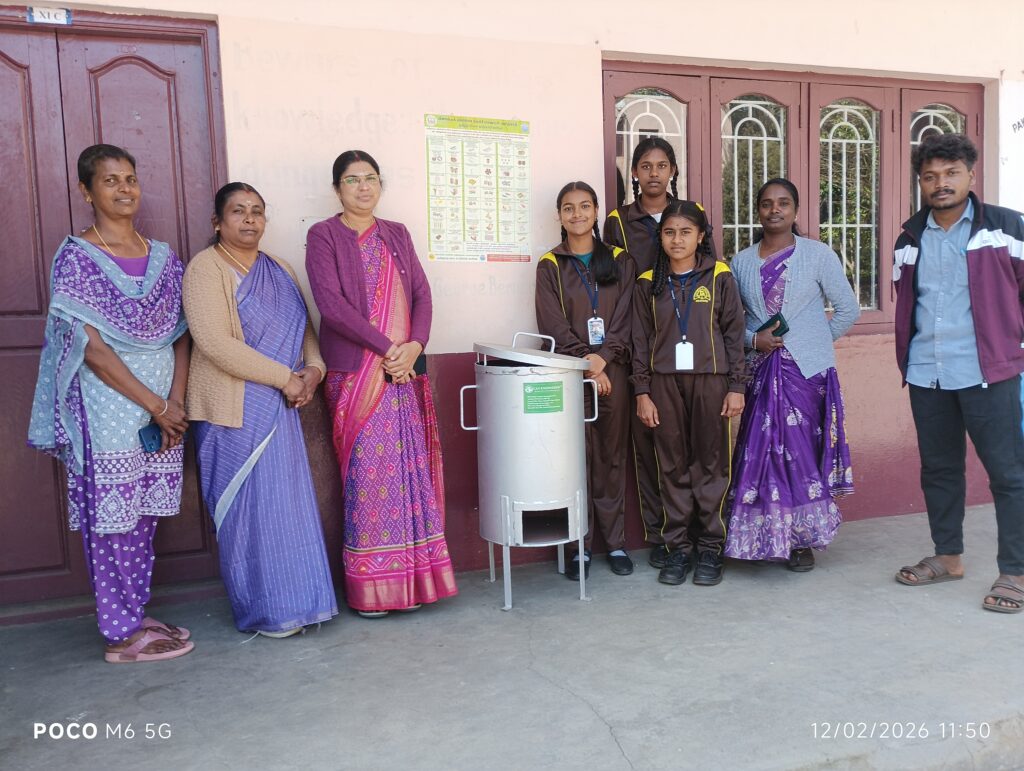
On the 4th and 12th of February 2026, the Biodiversity Conservation team, in collaboration with Community Health Workers. from the Community Wellbeing (CWB) program, distributed manual incinerators for the safe disposal of menstrual pads. We installed them in 7 schools and 22 village hamlets in Aracode, Konnavakkarai, and Kotagiri.
Why Safe Disposal Matters:
Menstrual hygiene is not only about access to safe and comfortable products. It is also about how these products are disposed of. In many Adivasi and rural areas, proper disposal systems are lacking. This often leads to unsafe dumping or burning of used pads in open spaces. Such practices contaminate water sources and forest environments.
They also create unsafe living conditions. They harm wildlife and livestock. Most importantly, they reinforce stigma around menstruation.
. This poses significant risks to both environmental health and community wellbeing. Introducing manual incinerators offers a simple, low-cost, and locally manageable solution that ensures safe and dignified disposal.
Convergence in Action: Biodiversity & Community Health:
This initiative also demonstrates how conservation and community health are reliant on each other. . The Biodiversity Conservation Team raised awareness of ecological impacts and relevant sustainability practices, while the CHWs from CWB ensured community engagement, awareness, and training on menstrual health and incinerator use.
During the events where we handed over the incinerators:
- Schools also received orientation sessions for adolescent girls and teachers
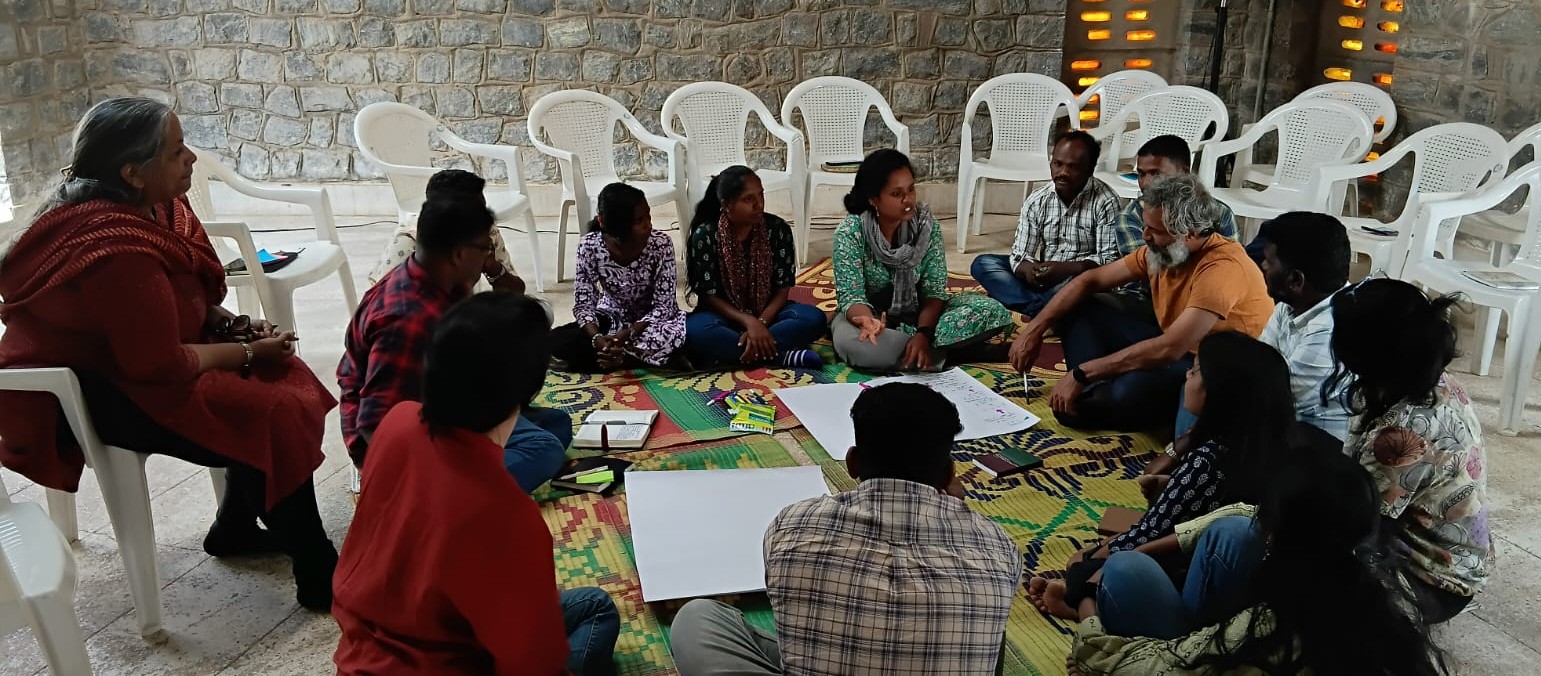
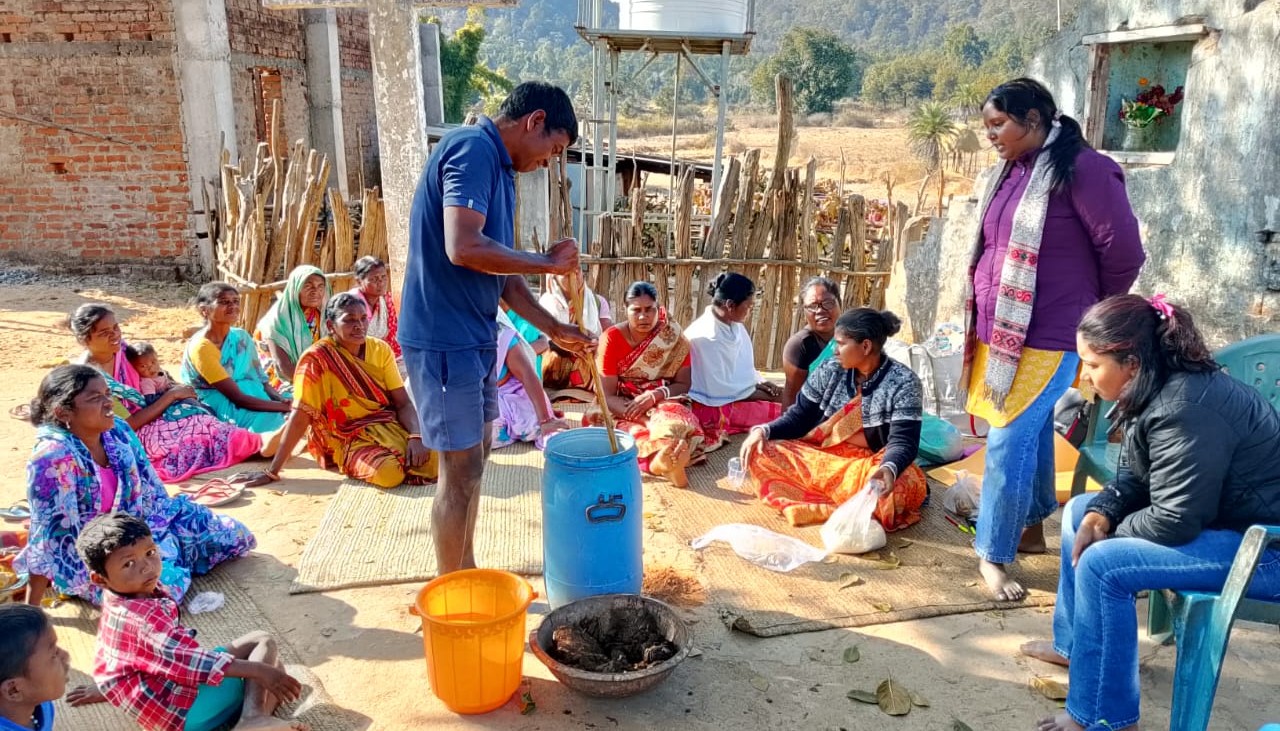
- We conducted hamlet-wide meetings on menstrual hygiene and safe disposal
- CHWs demonstrated the use and maintenance of the incinerators, ensuring community ownership
The installations took place in Aracode and Konnavakkarai on 4th February 2026. They were carried out in Kotagiri on 12th February 2026. The initiative reached remote and underserved tribal communities.
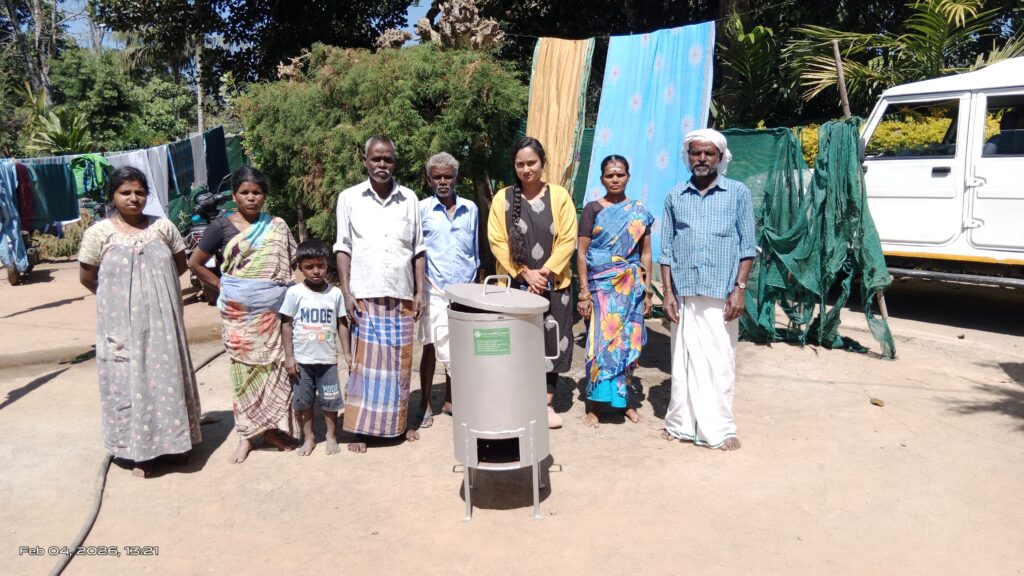
Photo Credit: Ramajeyam
Looking ahead:
While the installation of 29 manual incinerators is a significant infrastructural achievement, the deeper impact lies in the conversations it has sparked. Girls and women now have a safer and more dignified way to manage menstrual waste. Teachers and community leaders are more informed about menstrual hygiene. Importantly, communities are recognizing that protecting their environment and their health go hand in hand. This effort reinforces that when programs converge with shared purpose and respect for local contexts, solutions become more holistic, sustainable, and impactful.
We will continue to monitor usage, support communities in maintenance, and integrate menstrual health awareness into ongoing health and biodiversity programs. This initiative lays the groundwork for scaling safe menstrual waste management practices across more regions in the Nilgiris.
Together, this work reflects a simple but powerful message: Caring for our bodies and caring for our environment are deeply connected and both deserve dignity, attention, and action.