Mounthees Kuttan, Biodiversity Conservation
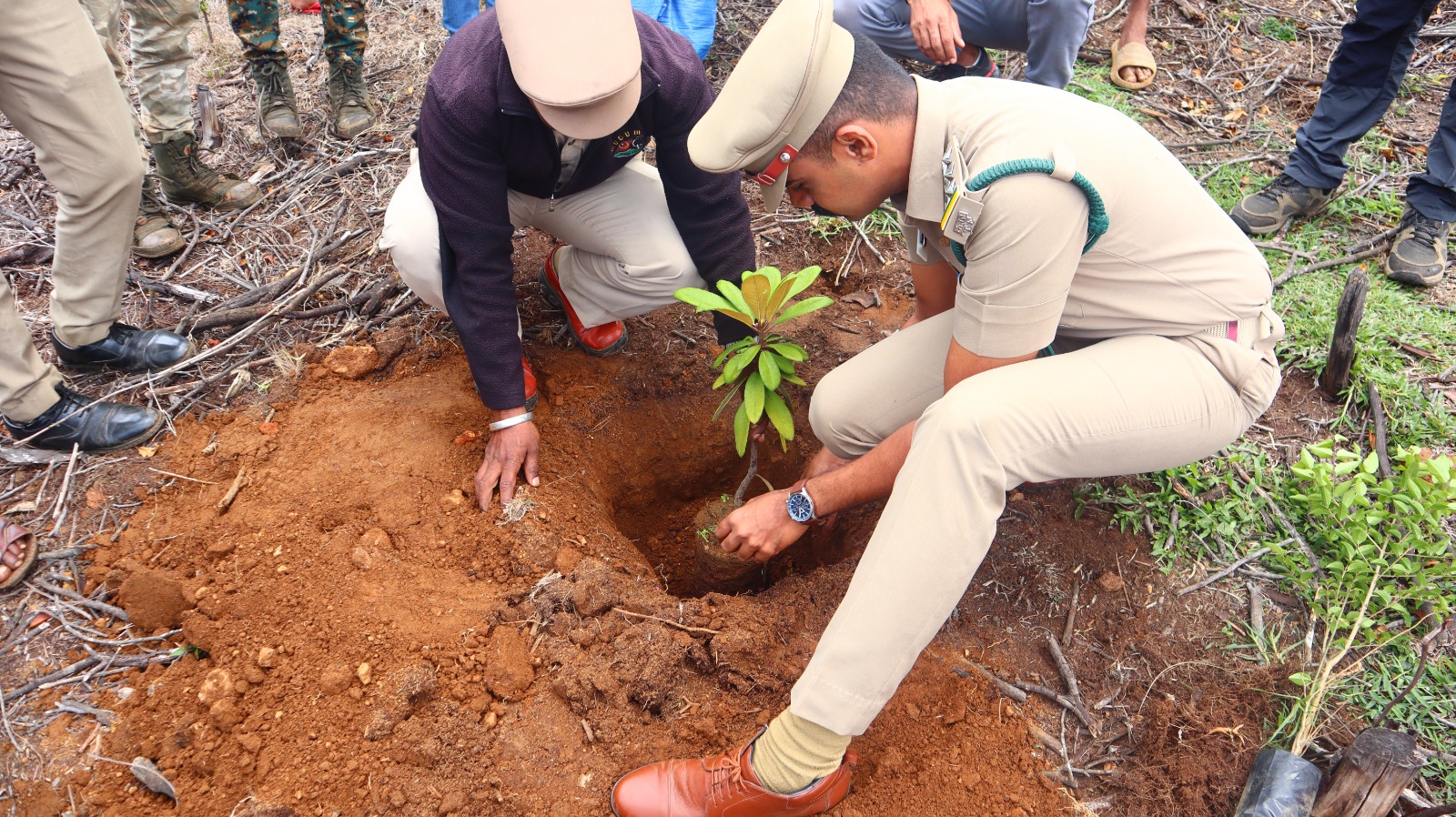
As part of ongoing biodiversity restoration at Bikkapathy Mund, The Nilgiris, Keystone Foundation supported a native tree planting programme. Held on Wolrd Environment Day (5th June), they planted native species at Bikkapathy Mund to restore areas cleared of secondary invasive species by the Forest Department. This programme strengthened ecosystem recovery and enhanced the landscape with indigenous species.
Collaborative Action for Conservation:
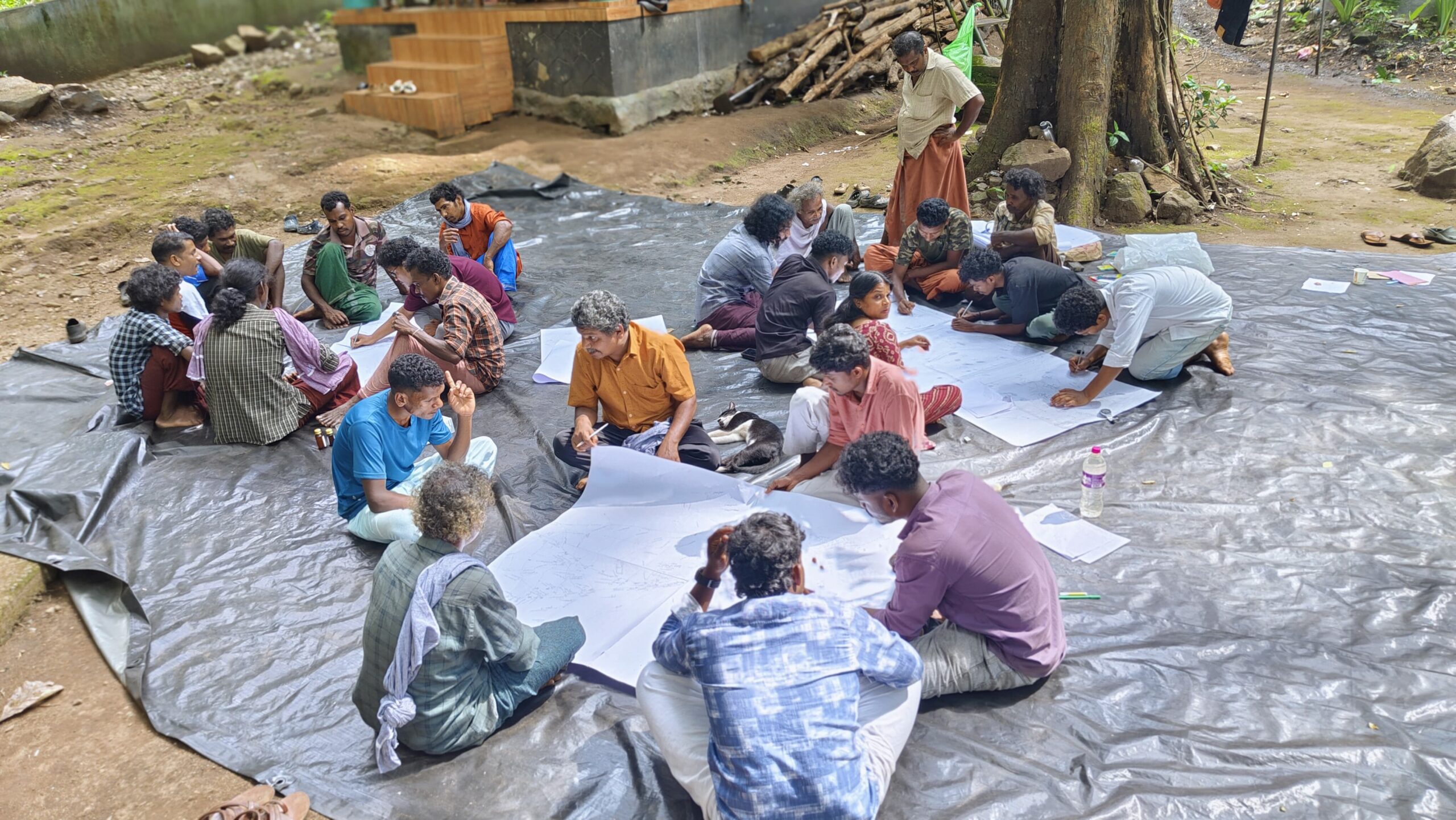
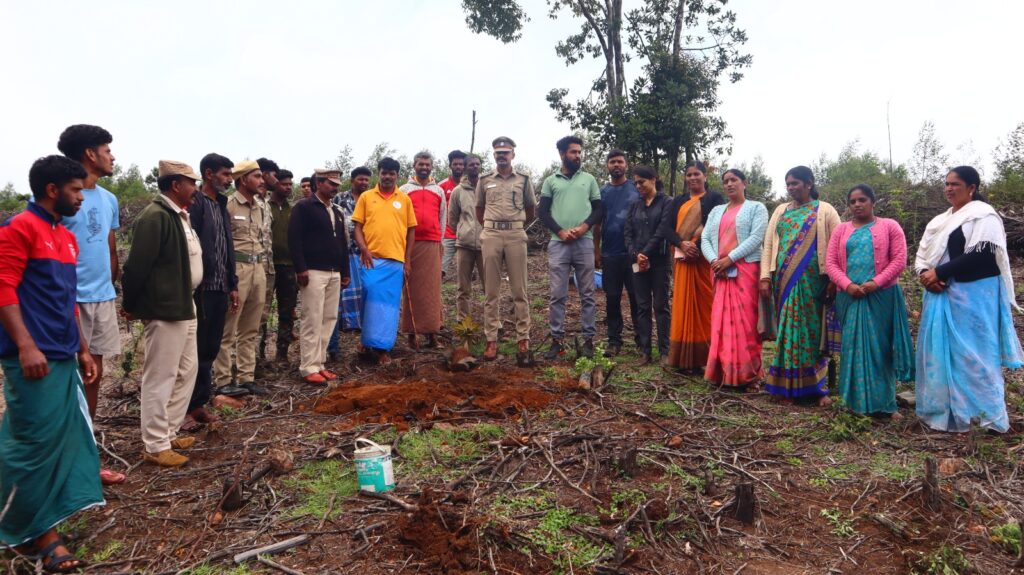
The event witnessed active participation from local community members, Forest Department staff, and project team members. The newly appointed Range Officer, Mr. Jayakumar, attended the event and interacted with villagers regarding the importance of ecological restoration and conservation and addressed the gathering, highlighting the importance of healthy ecosystems, native biodiversity, and community participation in environmental conservation. The session emphasized the long-term benefits of restoring native forests for wildlife, water security and ecological resilience.
Planting Native Species for Ecosystem Recovery:
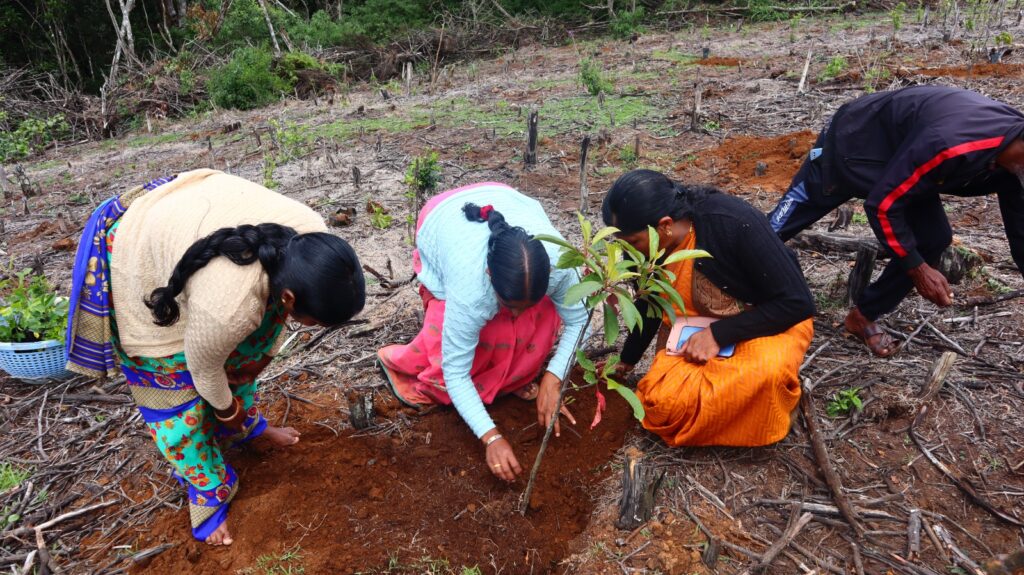
Participants carried out the planting activity in restoration plots where the Forest Department had removed secondary invasive species. They planted 220 native saplings representing around 10 species to accelerate ecological recovery, improve habitat quality, and support long-term biodiversity conservation. The species included Rhododendron nilagiricum, Lingustrum perrottetii, Syzygium densiflorum, Toddalia asiatica, and several other native trees and shrubs selected for their ecological significance.
Overall, this collaborative effort marks another important step towards restoring the native shola ecosystem and fostering long-term conservation in the Nilgiris.