Prema Tigga, Community Wellbeing
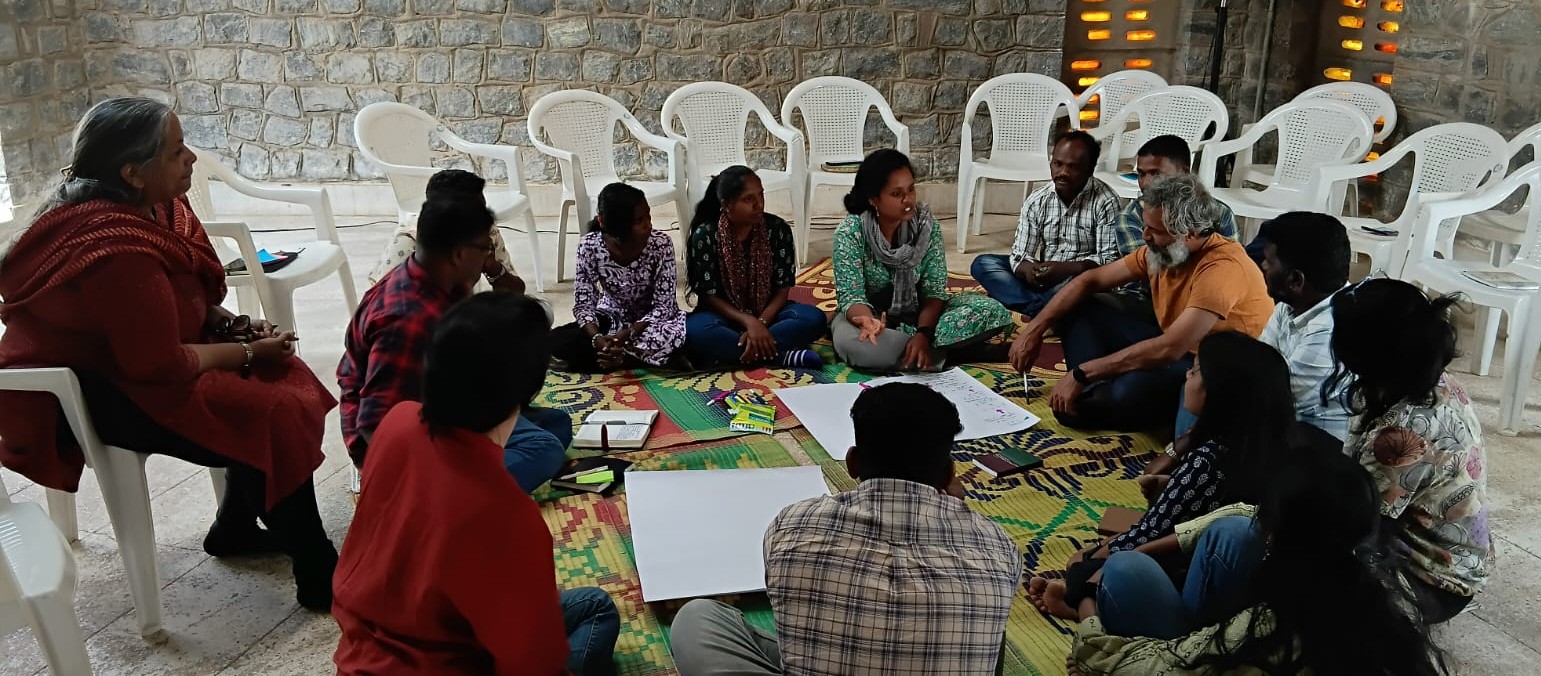
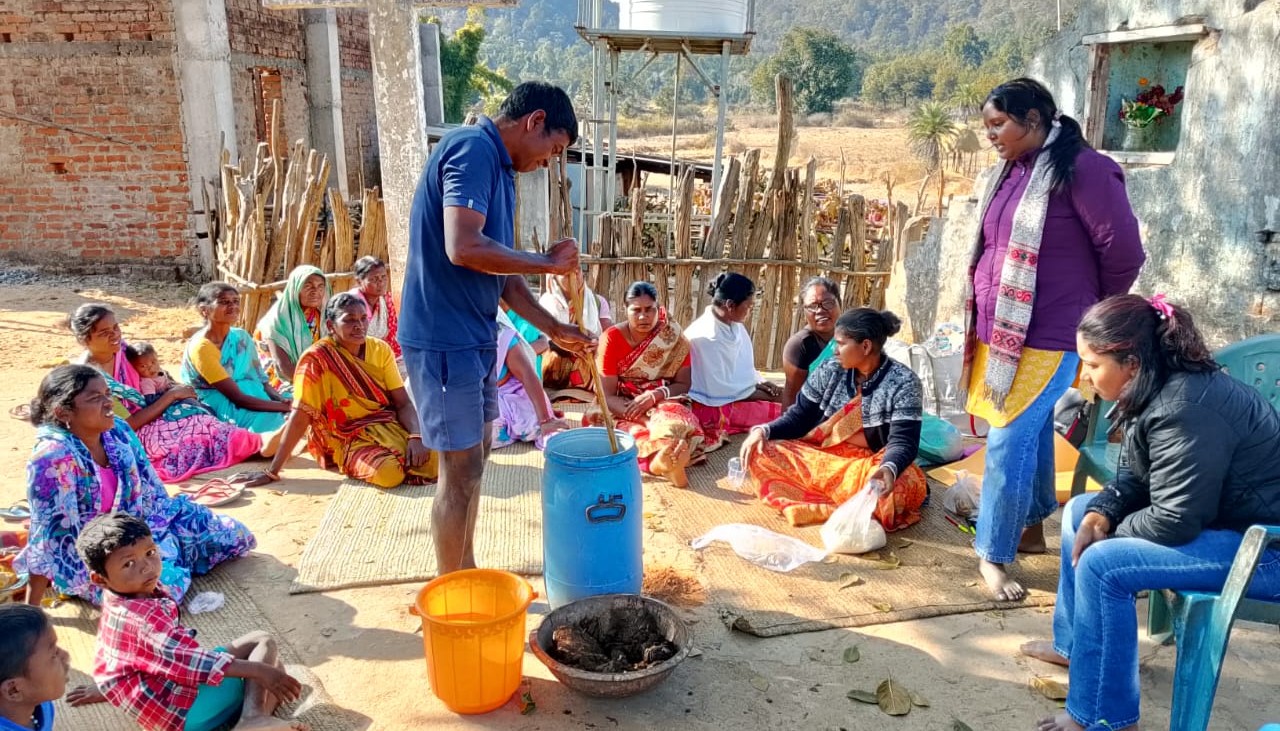
On 23 January 2026, we organized a one-day organic farming training program in Goyra, Jharkhand. We conducted the session under the shade of a jackfruit tree at the center of the village. The setting encouraged open discussion and collective learning. It reflected the spirit of the program—grounded in local resources and community participation.
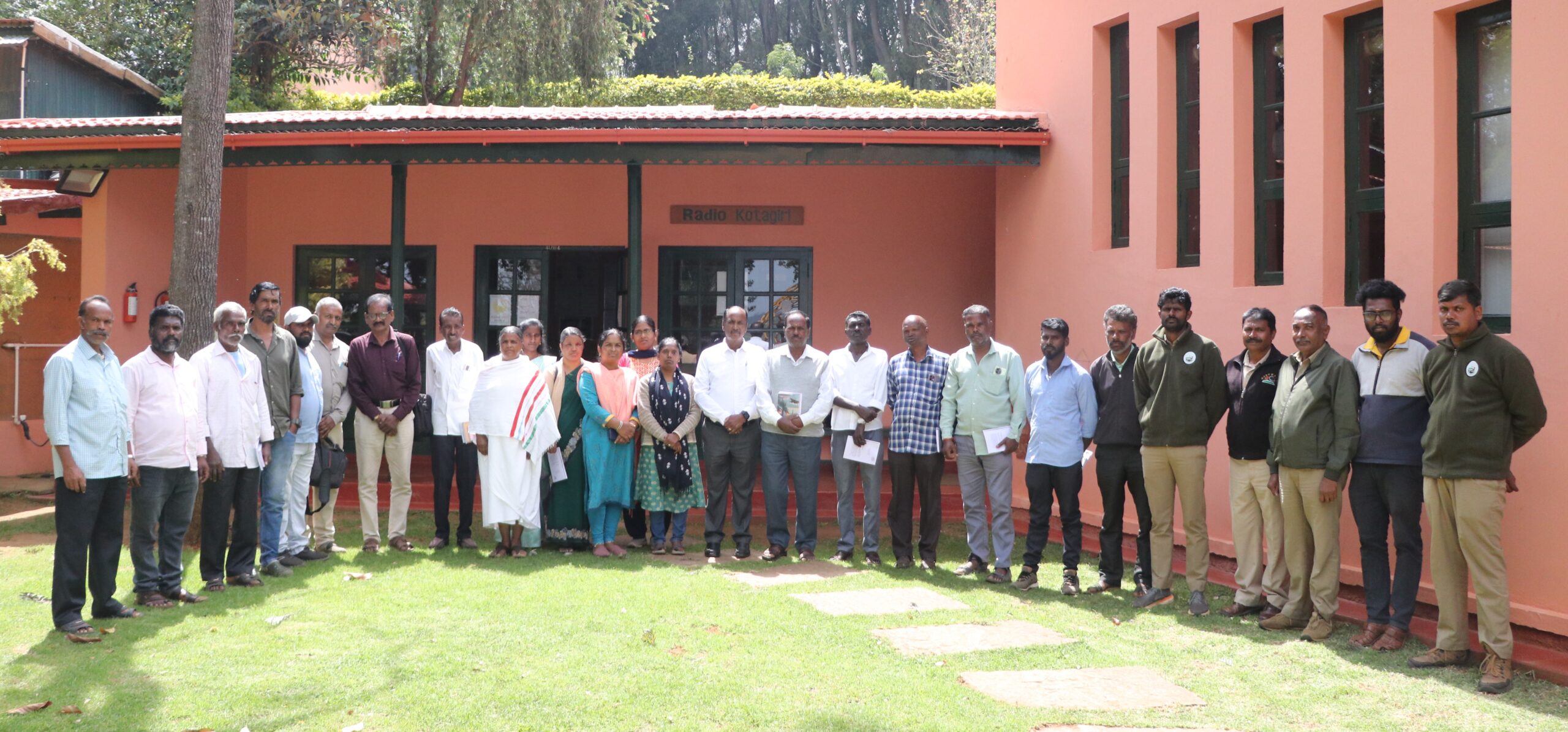
A total of 59 villagers participated in the training, including 23 men and 36 women. Women actively engaged in the session and stood out as strong contributors. Their participation highlighted their growing leadership in sustainable agriculture and community decision-making.
Objectives of the Program:
We designed this capacity-building initiative to motivate farmers to reduce their dependence on chemical farming and adopt organic practices. We encouraged them to preserve soil fertility and overall soil health. We raised awareness about the harmful effects of chemical fertilizers and pesticides. We promoted the conservation of local seeds and strengthened the idea of self-reliant farming within the community.
We focused on practical methods that farmers could easily implement using locally available materials.
Preparation of Jeevamrit:
We taught participants to prepare Jeevamrit, a natural liquid fertilizer made from cow dung, cow urine, jaggery, gram flour, and soil. Farmers mixed the ingredients in recommended proportions with water. They stored the mixture in a shaded area for two to three days and stirred it regularly. Once ready, they applied the solution to their fields through irrigation. Jeevamrit activates beneficial microorganisms in the soil and improves soil fertility and crop health.
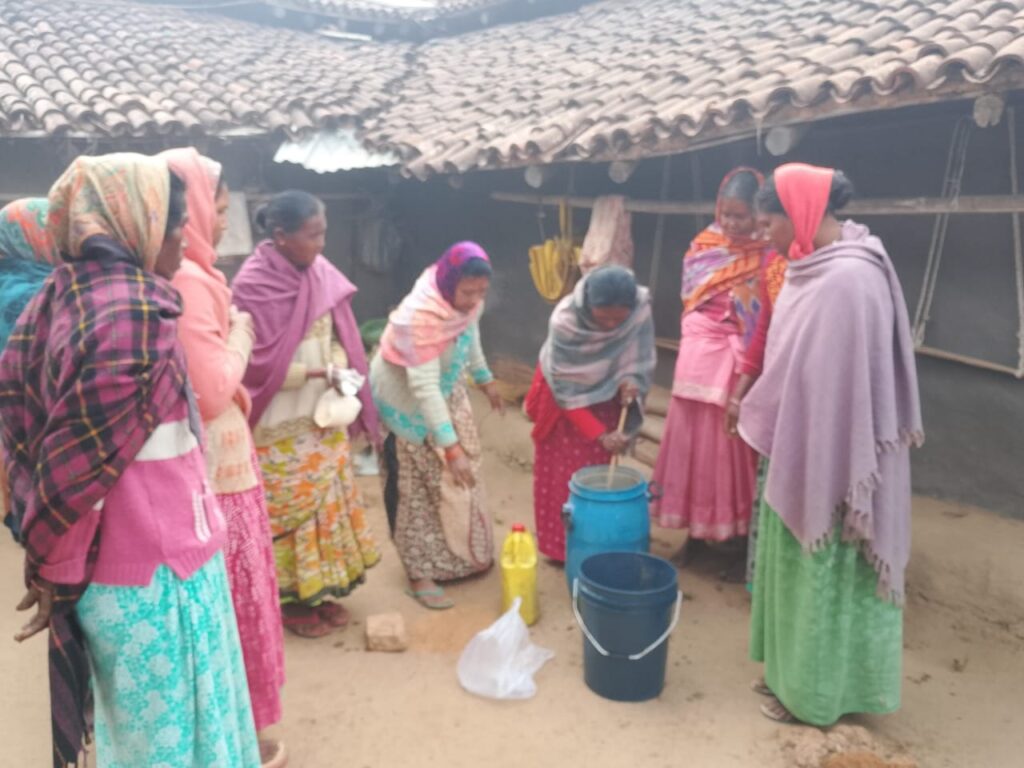
Photo credit:Sandeep Lakra
Preparation of Natural Pesticides
We also conducted a live demonstration on preparing natural pesticides using neem, garlic, and chili. Farmers sprayed the solution on crops to control pests and reduce their reliance on chemical pesticides. This method lowered production costs and minimized environmental damage.
We discussed the long-term consequences of chemical farming. Participants examined how excessive use of chemical fertilizers weakens soil structure, pollutes water sources, reduces the nutritional quality of crops, and affects human health over time. These discussions encouraged farmers to reflect on the sustainability of their current practices.
Visible Impact and Community Action:
The program’s impact became evident soon after the training. On 2 February 2026, members of the Jyoti Women’s Group from Aksi village collectively prepared ‘Jeevamrit’ and natural pesticides. They began applying them in their fields. Their actions showed that they had moved beyond theoretical knowledge and embraced practical implementation.
Women continue to meet regularly to prepare these organic inputs. Their sustained efforts reflect strong interest and ownership. Their initiative highlights the power of collective effort and shared responsibility in driving agricultural transformation at the grassroots level.
Voices from the Community:
During the training, participant Jivanti Minz shared a powerful reflection:
“We should think about the coming generation. The land is gradually becoming barren. If we want to restore its fertility, it is necessary to prepare and use organic manure.” Her words captured the essence of the program—protecting the land today to secure the future of the next generation.
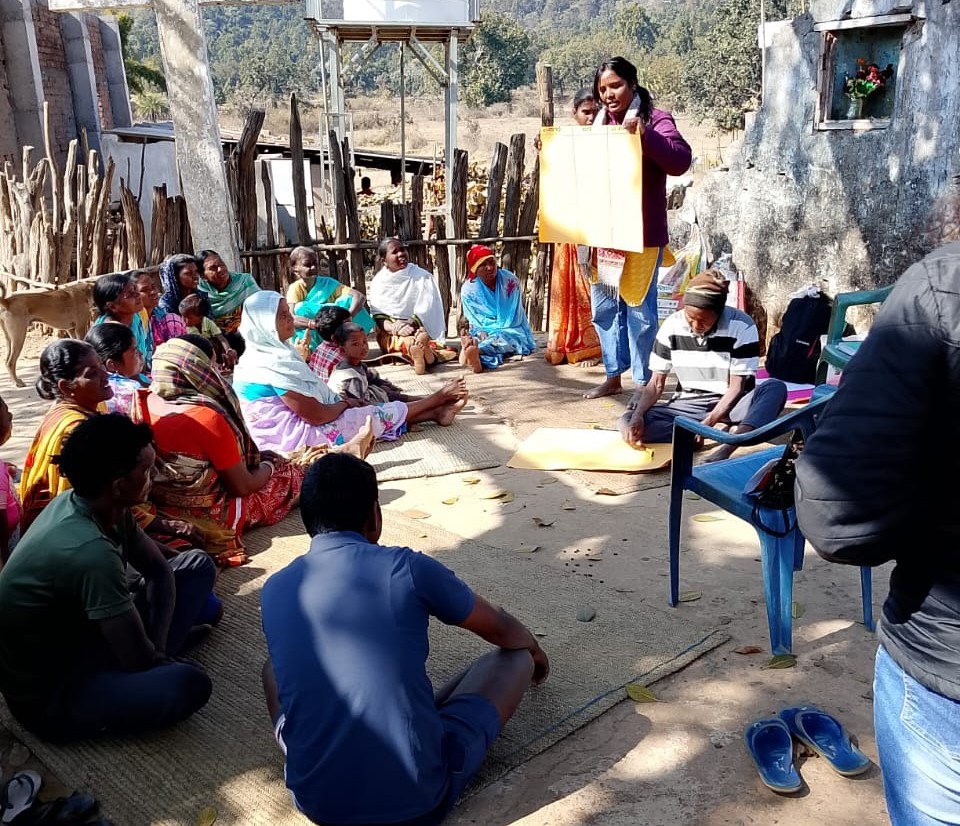
Photo credit: Sandeep Lakra
Conclusion:
This capacity-building initiative did more than conduct a one-day training program. It sparked a practical, community-led movement toward organic farming. Through women’s leadership, collective action, and the use of local resources, farmers have started taking concrete steps toward sustainable and self-reliant agriculture. The program demonstrates how knowledge-sharing and community participation can create lasting environmental and social change.