Mira Kudva Driskell, People and Nature Collectives
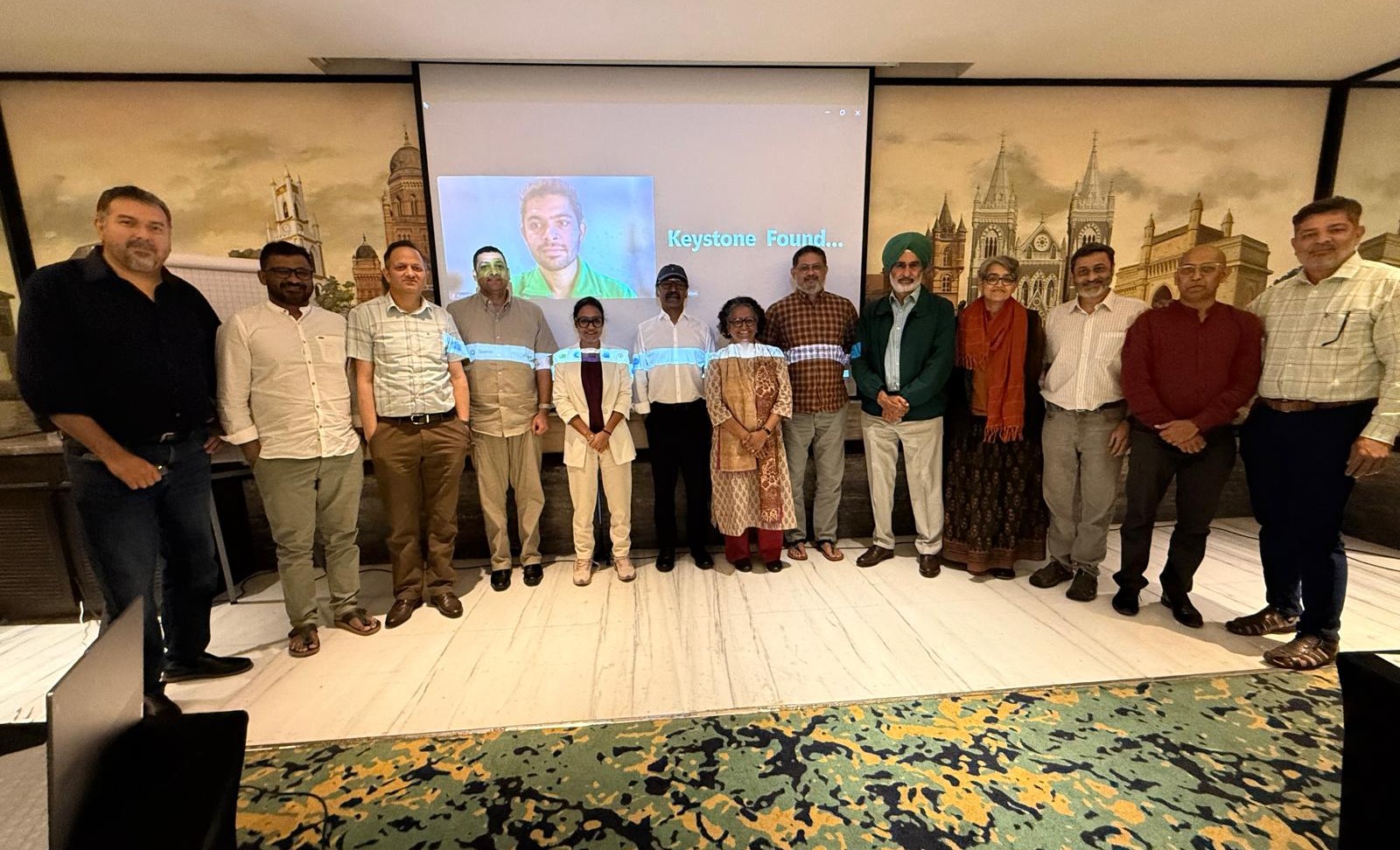
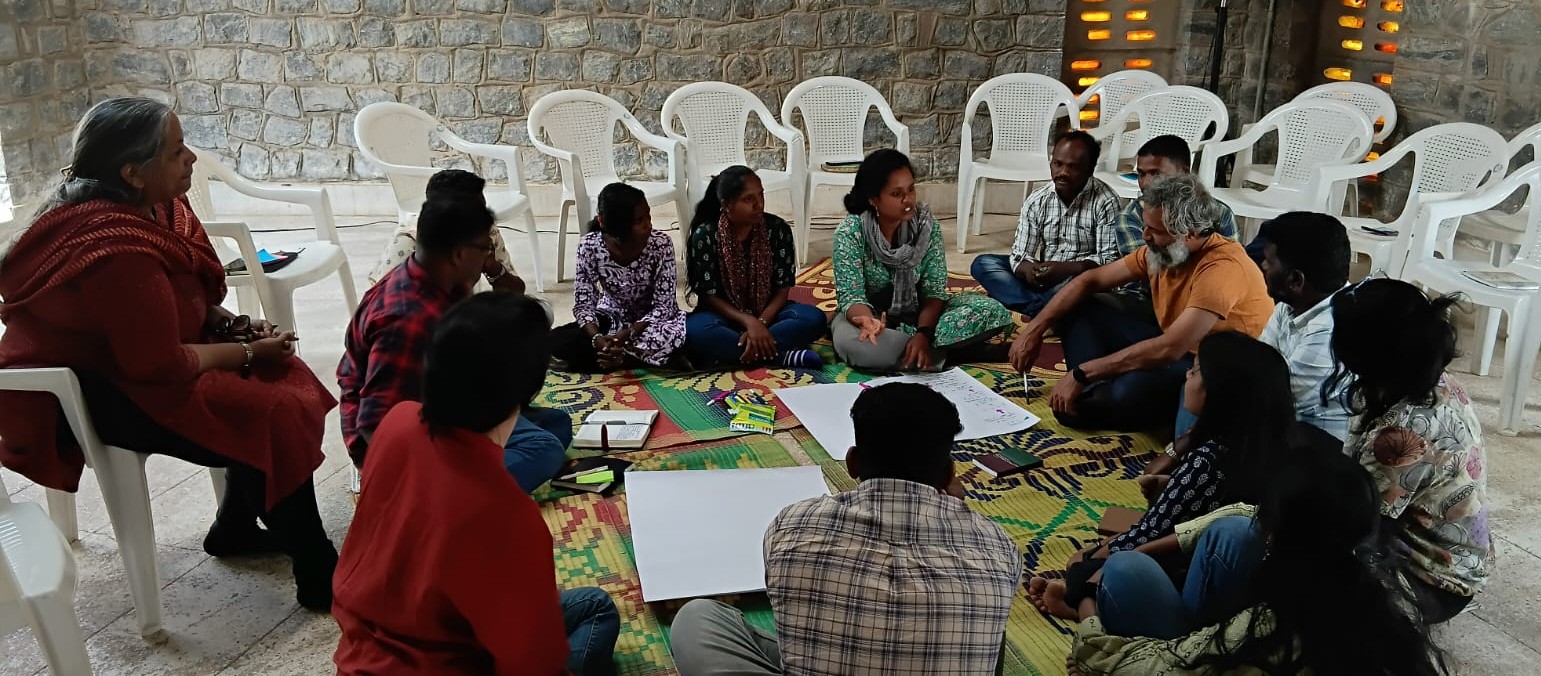
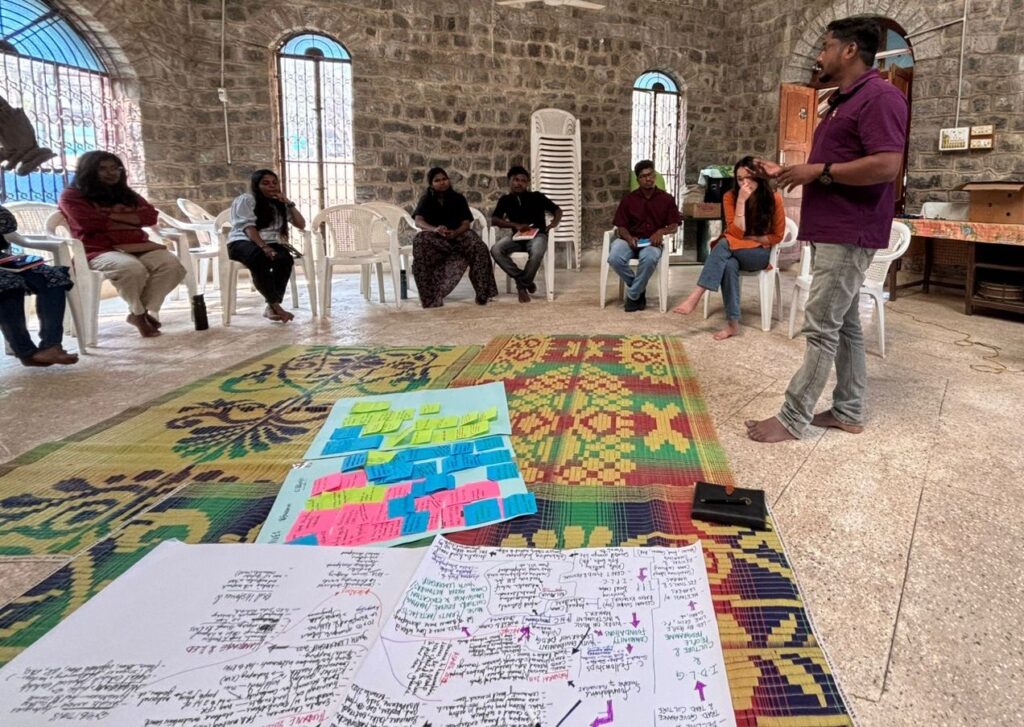
After 8 years of work through the People and Nature Collectives (PNC), we find ourselves at a crossroads. What are our current goals, and how do they differ from where we began? And, perhaps most importantly, what comes next? On February 16–17, the PNC team gathered at Quiet Corner, Masinagudi, with guidance from Sneh ma’am.
The retreat offered a rare chance for the geographically dispersed team to meet. Staff travelled from Nilambur, Wayanad, Chamrajnagar, and Kotagiri for two full days of discussion.
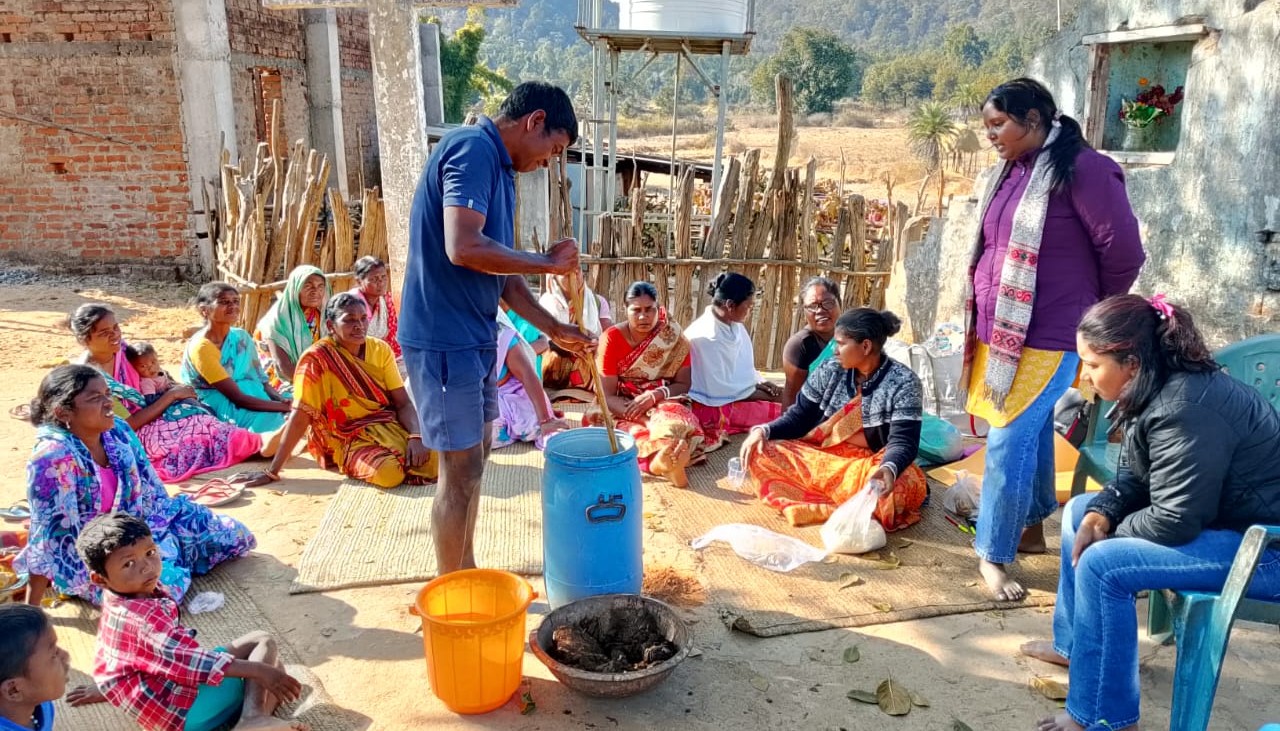
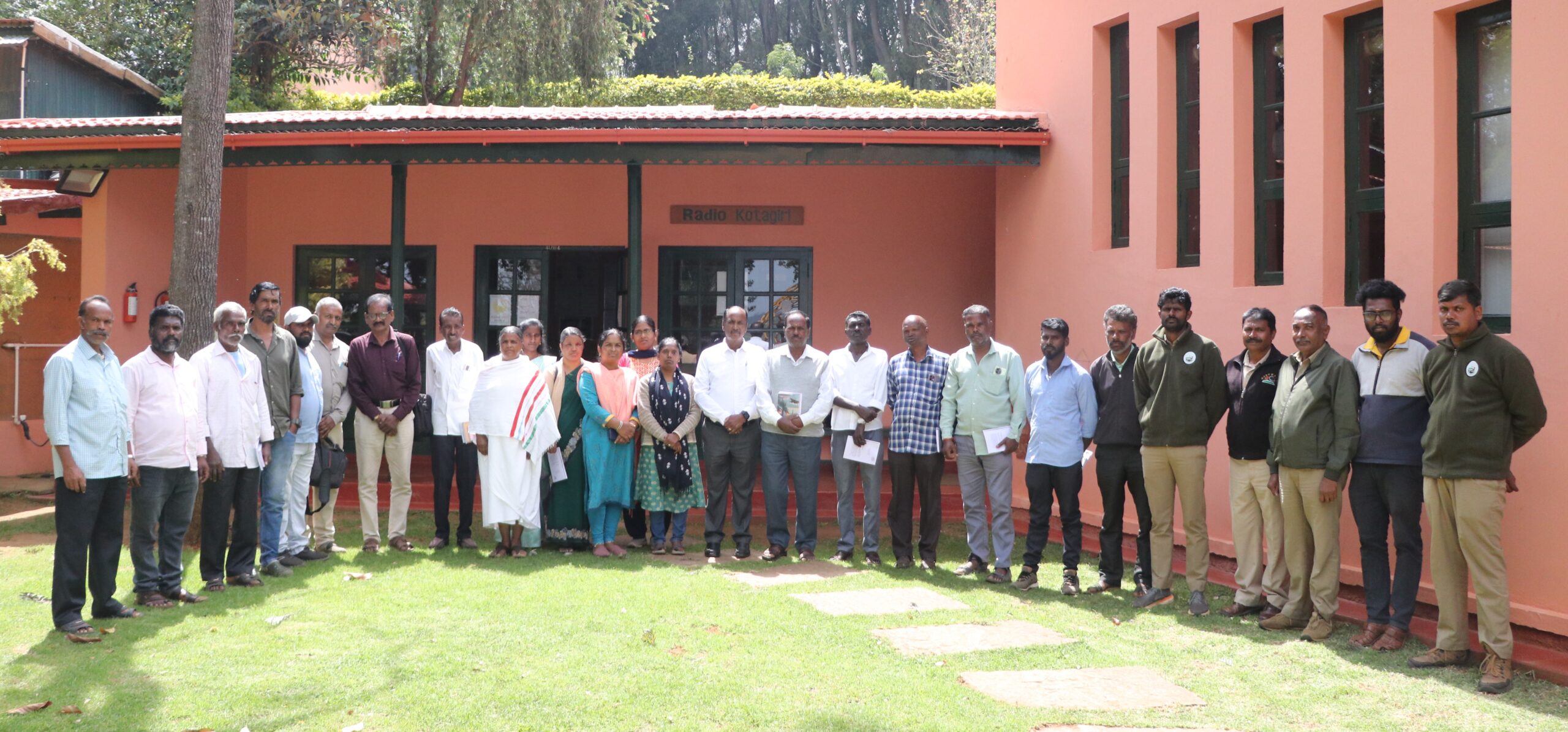
As a programme, PNC has worked with Adivasi-Indigenous communities across the Nilgiri Biosphere Reserve (NBR). It promotes self-representation and participatory documentation by communities, for communities. It also provides a platform where different forms of knowledge can interact. Projects include cultural mapping for land claims and documenting crafts and food practices. They also involve building community media networks and community and institutional archives
Challenges on the Horizon: Siloes and Solidarity:
As we reflected on our strengths—supporting self-determination through research, building intergenerational knowledge transfer systems, and creating new networks for community members—it became clear that these same approaches raise important questions for the future. How can networks be built across communities without flattening the specificity of their knowledge systems, governance structures, and struggles?
Though discussions varied—from institutional pathways to opportunities and successes—some challenges loomed larger than the others. While PNC centres local priorities and challenges mainstream knowledge production, team conversations revealed an emerging contradiction. Over time, PNC fellows and researchers have become experts within their own communities. They document ecological knowledge, oral histories, and cultural practices supporting livelihoods and sovereignty. Yet hyperlocal expertise can create silos. Others may view researchers mainly as representatives of a single community. This perception makes it difficult to build wider communities of practice. It also limits articulating shared political concerns across the NBR and India. If alliances and solidarity across communities offer the best path forward, we must reimagine collaborative processes.
Transformation Through Collaboration:
These conversations also opened up space to think creatively about new opportunities and inter-regional collaborative initiatives. Staff discussed ways of generating sustainable income within communities through traditional art forms, as well as possibilities for new funding mechanisms that could support community-led cultural initiatives. Just as importantly, we began to imagine how the story of PNC’s process-driven work might be shared more widely across India and beyond.
We concluded our time together with a visit to the campus of The Real Elephant Collective in Gudalur, where artisans transform invasive plant species like lantana and senna into intricate handicrafts, from their iconic elephants to delicately crafted toys.Something widely seen as a threat—like invasive species—can become art through collaboration. Likewise, the challenges we reflected on could grow into something greater than the sum of their parts.
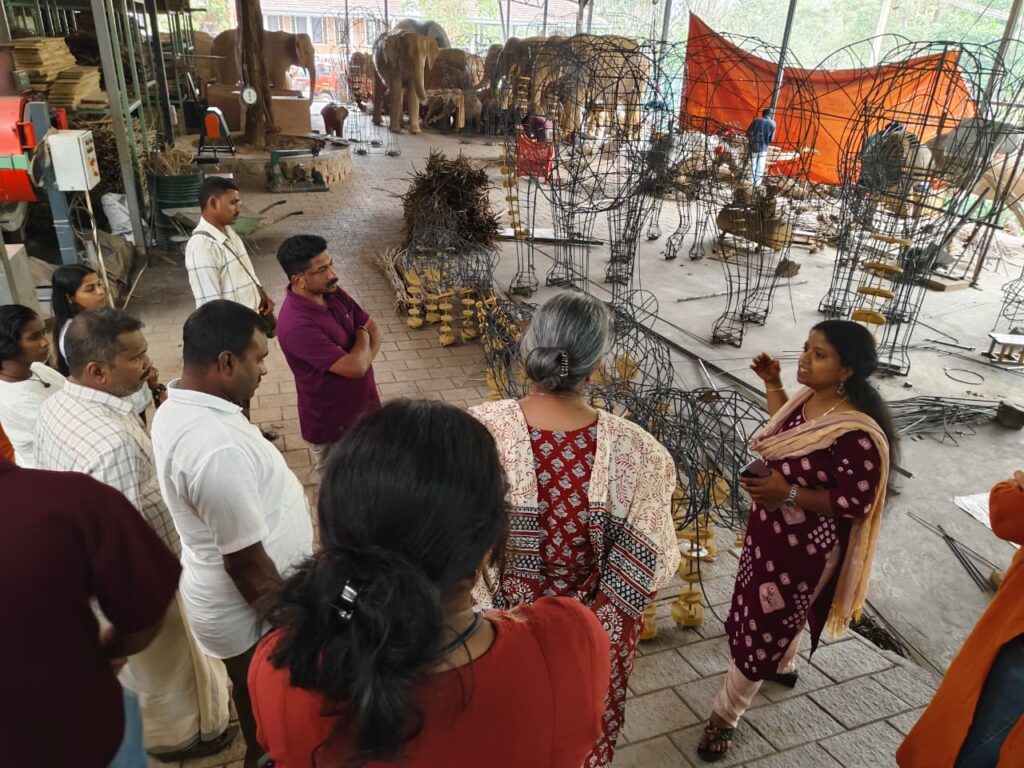
Photo credit: Sumithra
As we left Gudalur—the journeys for some shorter than others—the questions raised over two days remained open, but so did new pathways for PNC’s work across the NBR and beyond.