
By Saneesh P B, Community Wellbeing
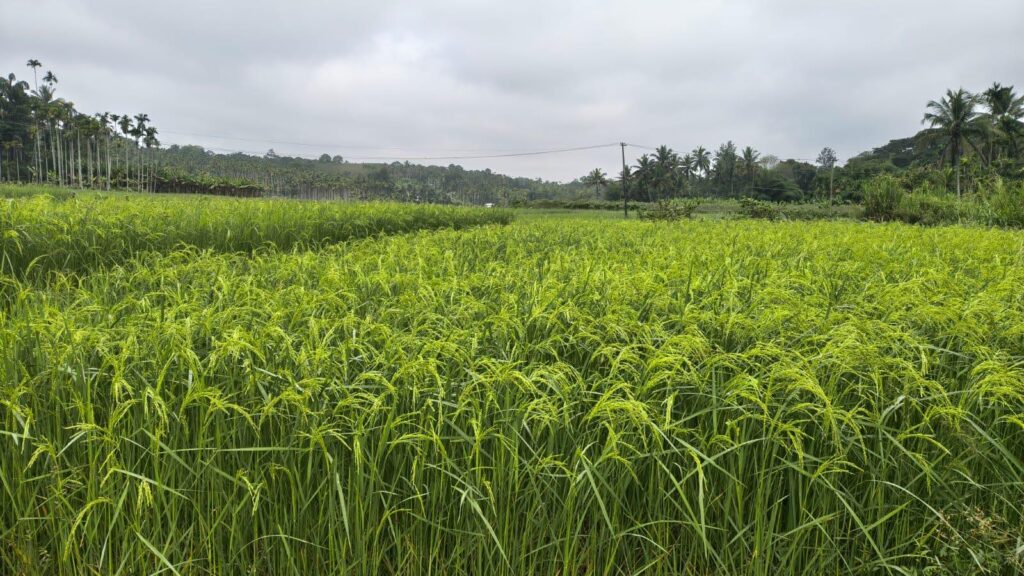
Wayanad – a land of lush green hills hidden within Kerala’s highlands.
When the rains and mist gently embrace the fields, a soft fragrance rises from the paddy landscapes – the aroma of Gandhakasala.
In the agricultural history of Wayanad, Gandhakasala holds a special place. This fragrant rice variety has been cultivated for centuries across Wayanad, the Malanad regions of Karnataka, and the Mysore plateau. When cooked, its aroma fills homes with warmth, making it a favourite for preparing rice, ghee rice, biryani, payasam, malar, uppumavu, and other traditional dishes.
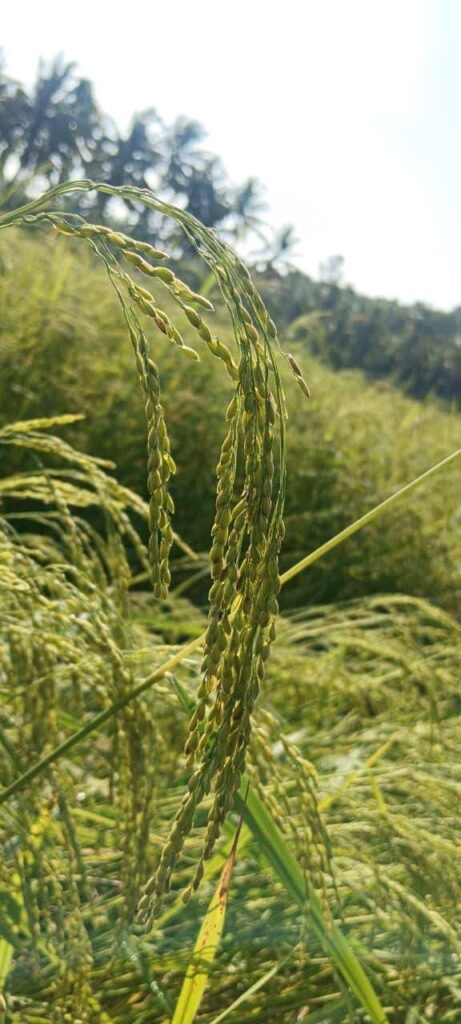
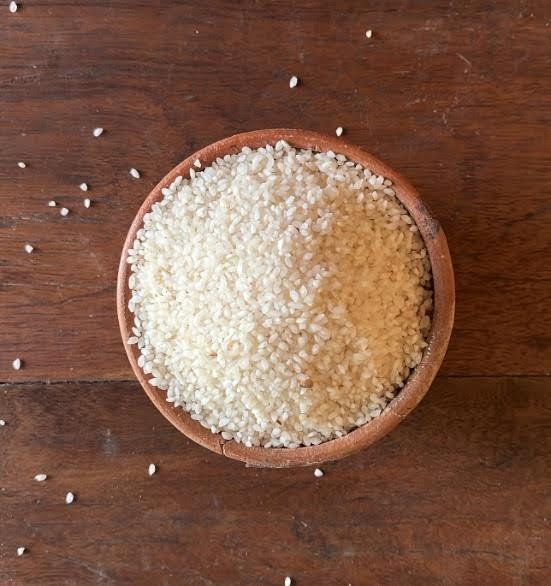
Gandhakasala grains are tiny and straw-coloured, while the cooked rice is pure white. On average, the yield is around 10 quintals per acre. The plant grows up to five feet tall, with green stems, long slanting leaves about a centimetre wide, and pale white necks. Its panicles are long, half-spread, and gracefully drooping — a distinctive feature of the variety.
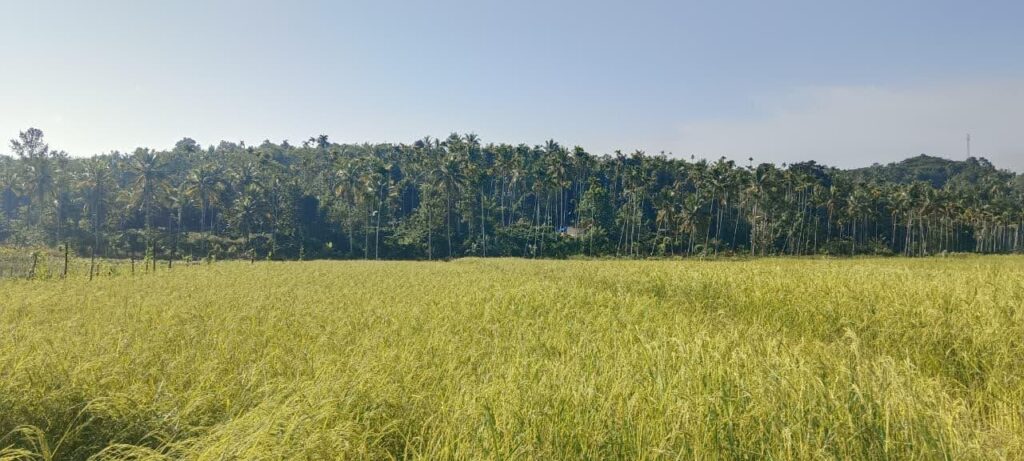
There was a time when Wayanad was known as the “Land of Paddy.”
In those days, when fields stretched endlessly between the hills, even the drifting clouds would have known the scent of Gandhakasala. Anyone walking through the villages needed only that fragrance to recognise the soul of Wayanad.
A story often told goes like this:
Farmers who migrated from Mysore once brought Gandhakasala seeds to Wayanad’s moist, fertile soil. In the embrace of its rain and wind, the variety transformed into what is today known as “Wayanadan Gandhakasala.” Over time, it became a beloved Indigenous grain — a mother variety of the land. Even today, many farmers continue to cultivate it through traditional methods.
It grows not only in the fields but also in the memories and cultural fabric of Wayanad.
The fragrance of Gandhakasala is the very essence of Wayanad — a scent born from its rains and soil, connecting generations with a quiet, enduring warmth.