By Athmaramani and Jyotsna Krishnakumar, Climate Change
Date: August 9, 2025
Venue: Killai
Organized by: Keystone Foundation
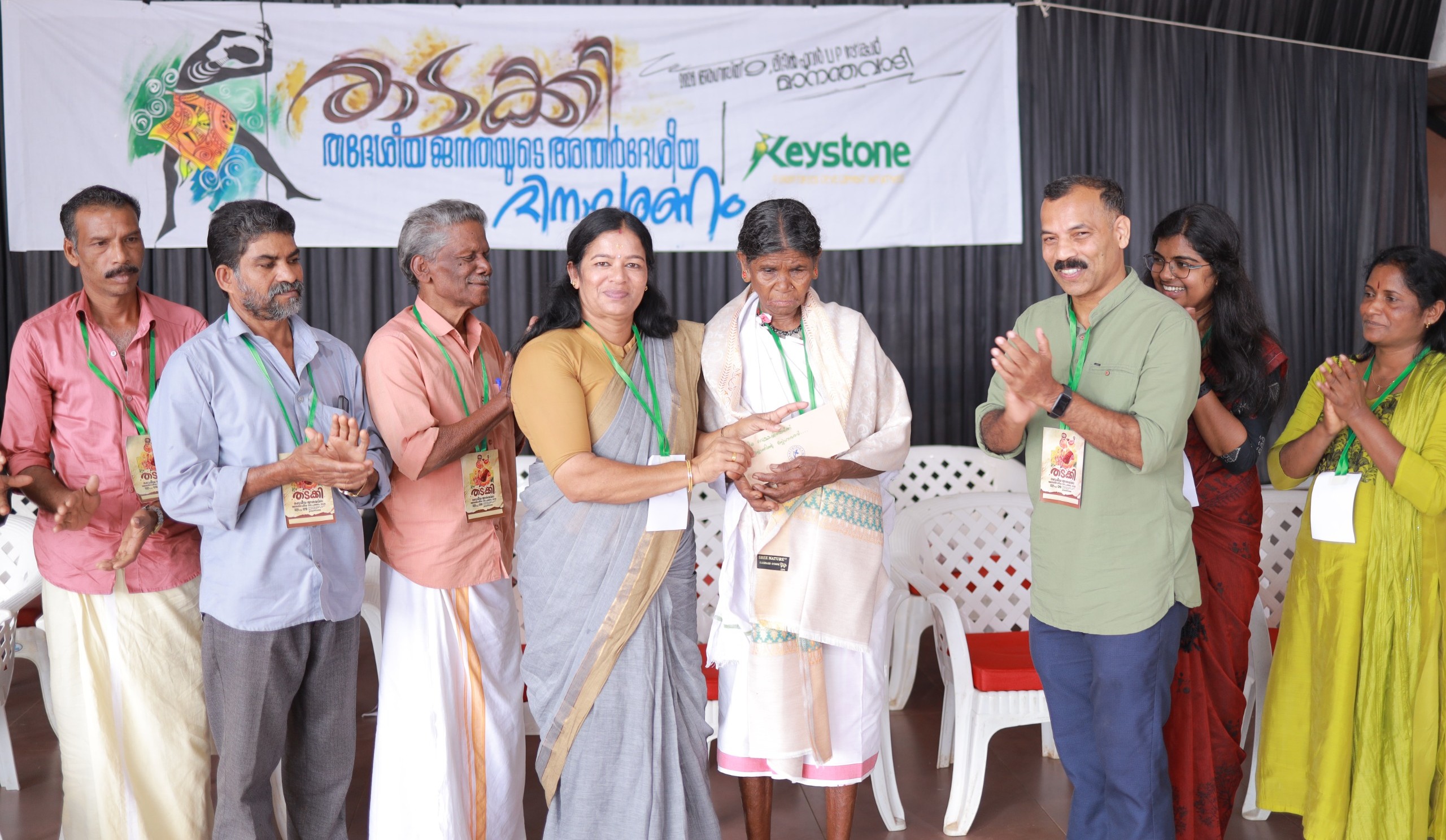
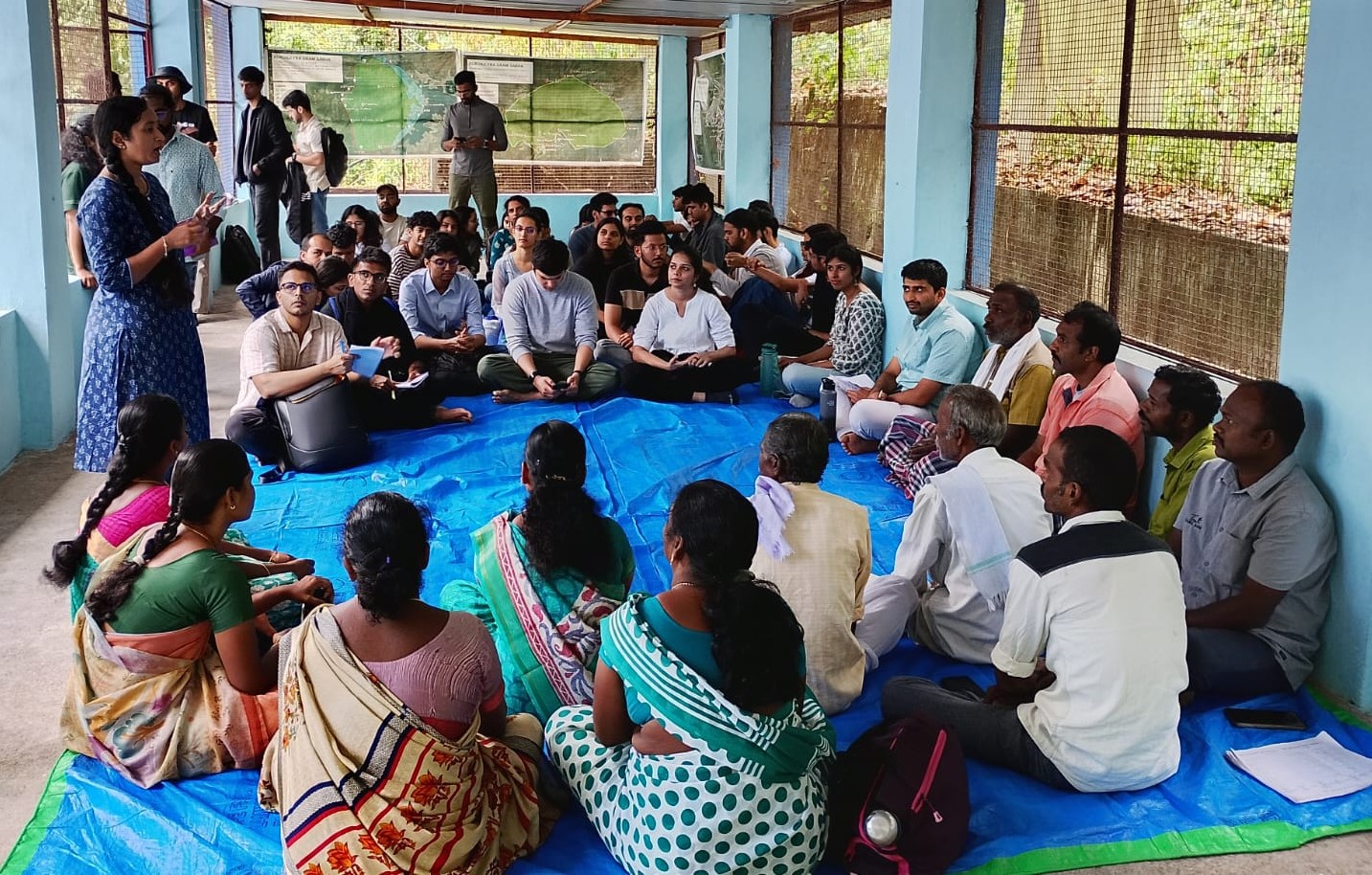
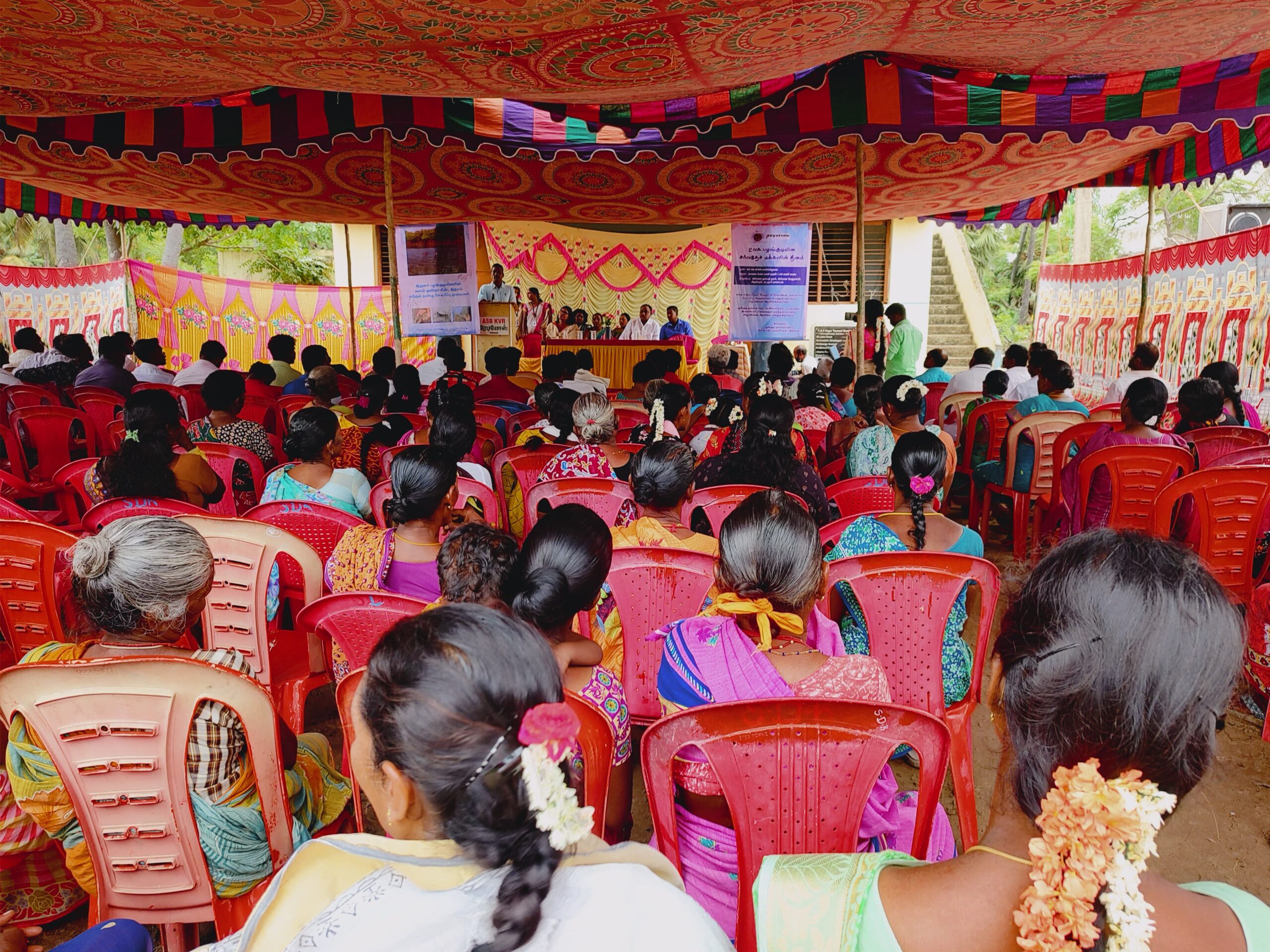
India-UK PACT supported the celebration of the International Day of the World’s Indigenous Peoples on August 9, 2025, with a vibrant and thought-provoking event aimed at celebrating the rich cultural heritage, resilience, and contributions of indigenous communities around the globe. The event aligned with the United Nations’ theme for 2025: “Indigenous Youth as Agents of Change for Self-Determination.” The celebration was conducted successfully, drawing a total attendance of 150 participants. Among them, 120 were members of the Scheduled Tribes (ST) community, accompanied by Key Community Stakeholders (KCS), fellows, and esteemed guests. The event was marked by active participation from all KCS fellows and anchors, which greatly contributed to creating a vibrant and meaningful atmosphere. Their collective involvement ensured the smooth flow of the program and enhanced the overall impact of the celebration.

Opening Ceremony: The event began with a welcome speech by Mr. Ravi Anchor, Keystone Foundation, and also with a traditional welcome ritual performed by lamp lighting by the chief guests, Keystone employees, and Indigenous elders, followed by a keynote address from Robert Leo, emphasizing the importance of indigenous knowledge systems and youth empowerment.
Keynote Address: Mr. Robert Leo, Consultant Keystone Foundation, commenced his keynote address by extending his greetings on the occasion of International Indigenous Peoples Day. He highlighted the importance of observing this day in line with the United Nations theme, emphasizing the recognition of indigenous peoples’ rights, the preservation of their traditions and heritage, the promotion of cultural awareness, and the enhancement of their livelihoods. He elaborated the significance of sustainable utilization of land and water resources.
Guest Speaker Killai Town Panchayat Vice President Shri. Ravindran spoke about the impacts of climate change on local/tribal communities, particularly the strain on housing, livelihoods, and existing infrastructure. He recalled the community’s experience during the past tsunami (2004) and shared his post-tsunami rehabilitation efforts. He reaffirmed his commitment to continuing to support the community. He stressed the vital participation of tribal communities in responding to these challenges and highlighted the importance of raising awareness about state and central government schemes available to them. Dr. Ravindran commended the Keystone Foundation for its significant contributions to tribal development activities and recognized the implementation of the UK PACT initiative, which actively involves tribal people in its execution.
Mrs. Mallika, Chairperson of Killai Town Panchayat, who herself is a member of the Irula community, emphasized the need to conserve the mangrove ecosystem and protect surrounding areas, urging the community to avoid dumping garbage into water bodies. She also addressed the rights and privileges of tribal communities, highlighting their importance in achieving inclusive development for tribal populations.
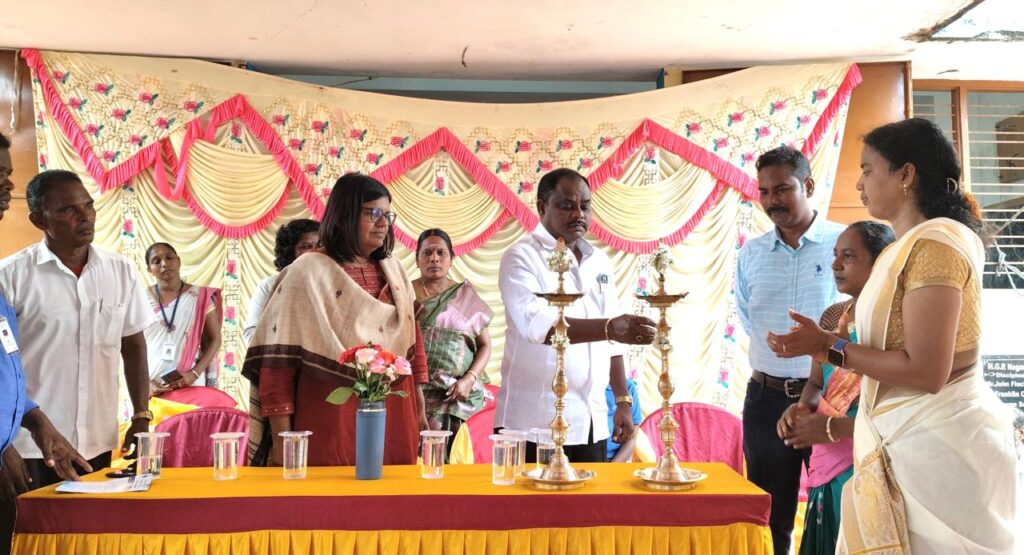
Dr. Jyotsna Krishnakumar, Director at Keystone Foundation, highlighted the critical need for enhancing public awareness, knowledge enhancement, and engagement in addressing climate change. Her remarks emphasized the importance of community involvement in ensuring the successful implementation of the UK PACT project. She also emphasized the value of integrating collective knowledge and empowering local leadership to drive the project forward in the coming years.
Mr. Iqbal, Forest Officer, Pichavaram, stated that climate change poses a significant threat, with cascading impacts on natural resources. In our region, Keystone Foundation stands as the sole organization actively addressing this issue.” He highlighted the critical role of local community participation in development initiatives and commended Keystone’s work in preserving indigenous knowledge and developing frameworks for future sustainability strategies. He further noted, “Sustainable harvesting from mangrove forests has always been integral to tribal traditions. Their practice of hand-gathering resources reflects deep-rooted ecological wisdom, where traditional knowledge and conservation are closely intertwined.”
Mr. Pandian, Community Leader, enumerated the commitment to conserving the mangrove ecosystem with the help of the community. The UK Pact project enhances the collaborative principles to achieve the development. He also registered that they are aware of the Indigenous Day through Keystone, and he assured their community will celebrate International Indigenous Peoples Day in upcoming years.”
Mr. Ravi, Community Leader, Creed Nagar: “Insisted that every one of them has learned the components of nature like water, soil, and their significance for appropriate livelihoods. Also, the Community-based Monitoring, Reporting and Verification (CbMRV) model, which is essential to implement the action plan by the community.”
Mr. Cinnamani, Community Member: Stated that “Without understanding the climate change effect, we have carried on and now with this UK-PACT project, we are beginning to recognise some of the connections.”
Mr. Vijayaragavan, Fishing Community Leader: Quoted that this project is making them aware of the importance of water quality, soil texture, and they are happy that they are yet to learn much more about biodiversity, weather, and livelihood options.”
Susheela, a Kurumba leader from the Nilgiris and a former Panchayath President, emphasized the relevance of Indigenous Rights, particularly through the implementation of the Forest Rights Act. Drawing from her experience as an Indigenous woman from the Nilgiris, she shared her efforts to facilitate land rights and development rights to her community.
Vote of thanks: Dr. Sangeswari, Field Coordinator, Keystone Foundation, registered her gratitude to all the chief guests and participants by giving the vote of thanks.
Key Outcomes
- Created visibility by celebrating the International Indigenous Day for the first time in the delta region districts.
- Raised awareness about the rights and struggles of indigenous peoples.
- Inspired youth participation in the tradition and cultural preservation of their community.
- Commitments made by local authorities to support in a different way to the communities
Conclusion
The event successfully honored the spirit of the International Day of the World’s Indigenous Peoples, reinforcing the global commitment to uphold indigenous rights and amplify their voices. It served as a powerful reminder that indigenous cultures are not relics of the past, but living, evolving sources of wisdom and resilience with the ultimate goal of enriching the living standard of indigenous people.