By Kavya Anjali, People and Nature Collectives
Learning to See Food that Grows Beyond the Field
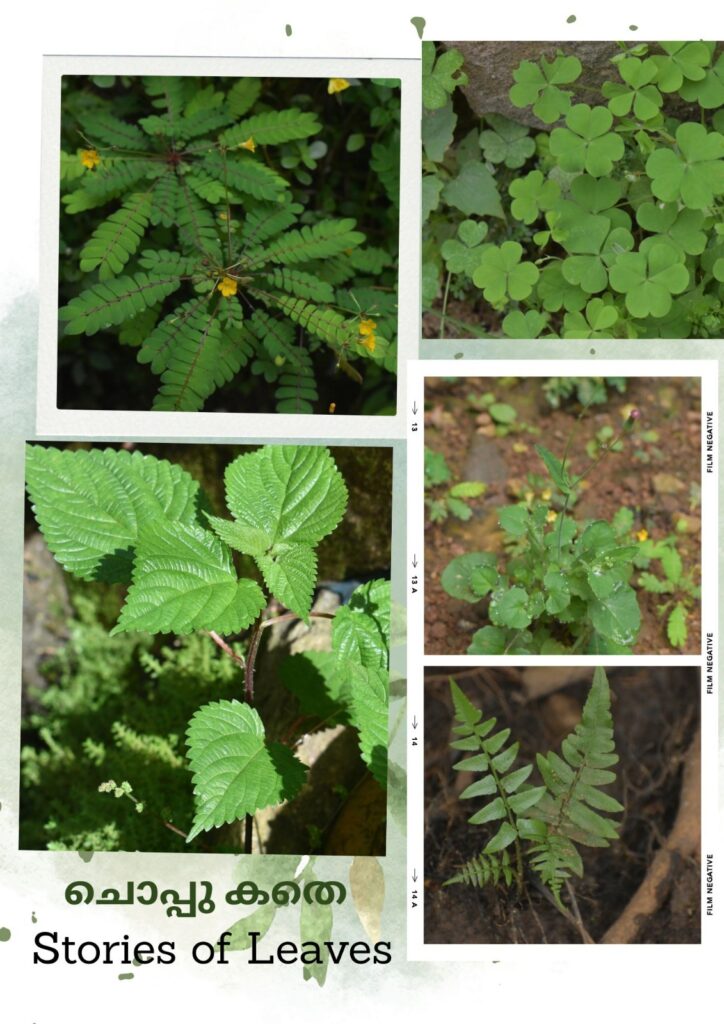
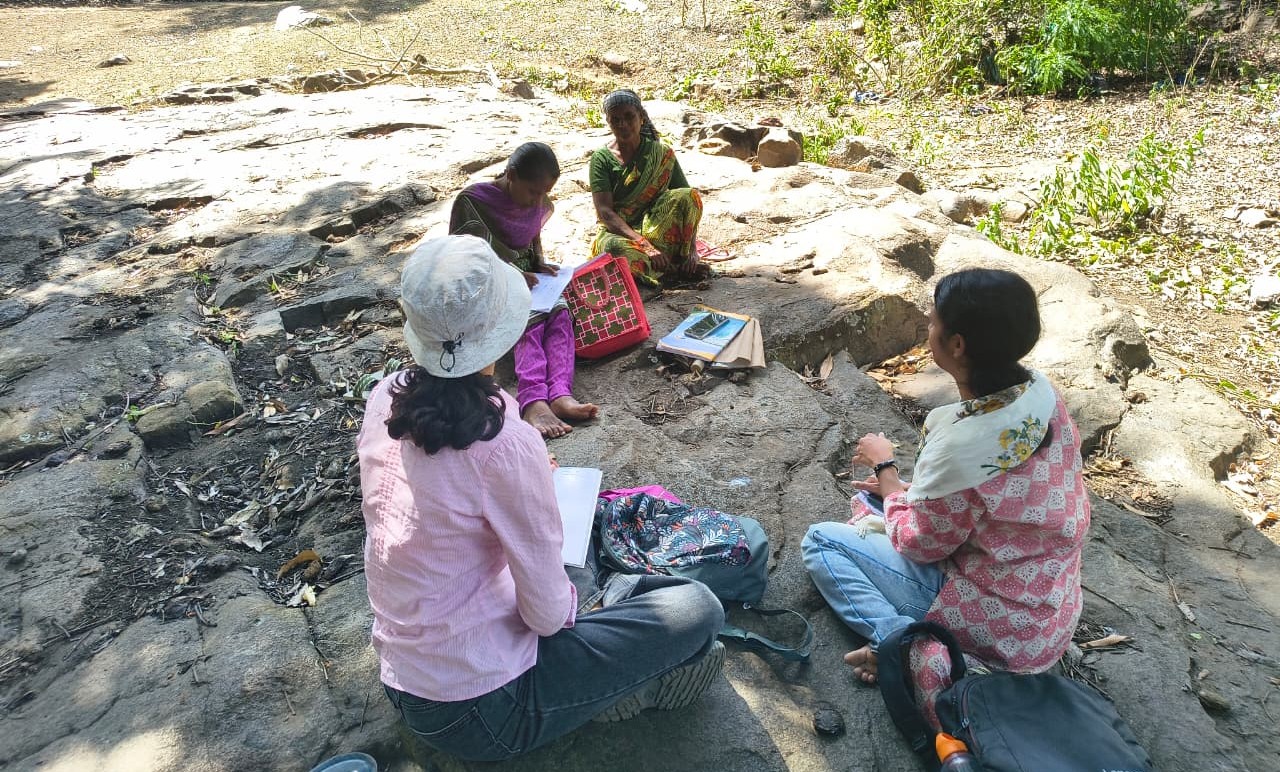
When we think of food, our imagination travels to farms, markets, and kitchens. But food also grows beyond fences, without ploughing, sowing, or selling. Hidden on the edges of footpaths, under trees, near moist stones, or along the walls of abandoned houses are uncultivated edible leaves – the greens our grandparents once cooked with ease, but which we walk past unknowingly today. Our journey to rediscover these leaves began not through textbooks, but through conversations with those who still read the land like a familiar story. Elders in the Paniya and Kurichya communities became our guides, especially women who recognise leaves not by botanical terms but by taste, season, smell, and sensation. For them, a plant is recognised by how it responds to rain, how its bitterness changes with the sun, or how it wilts differently in each month.
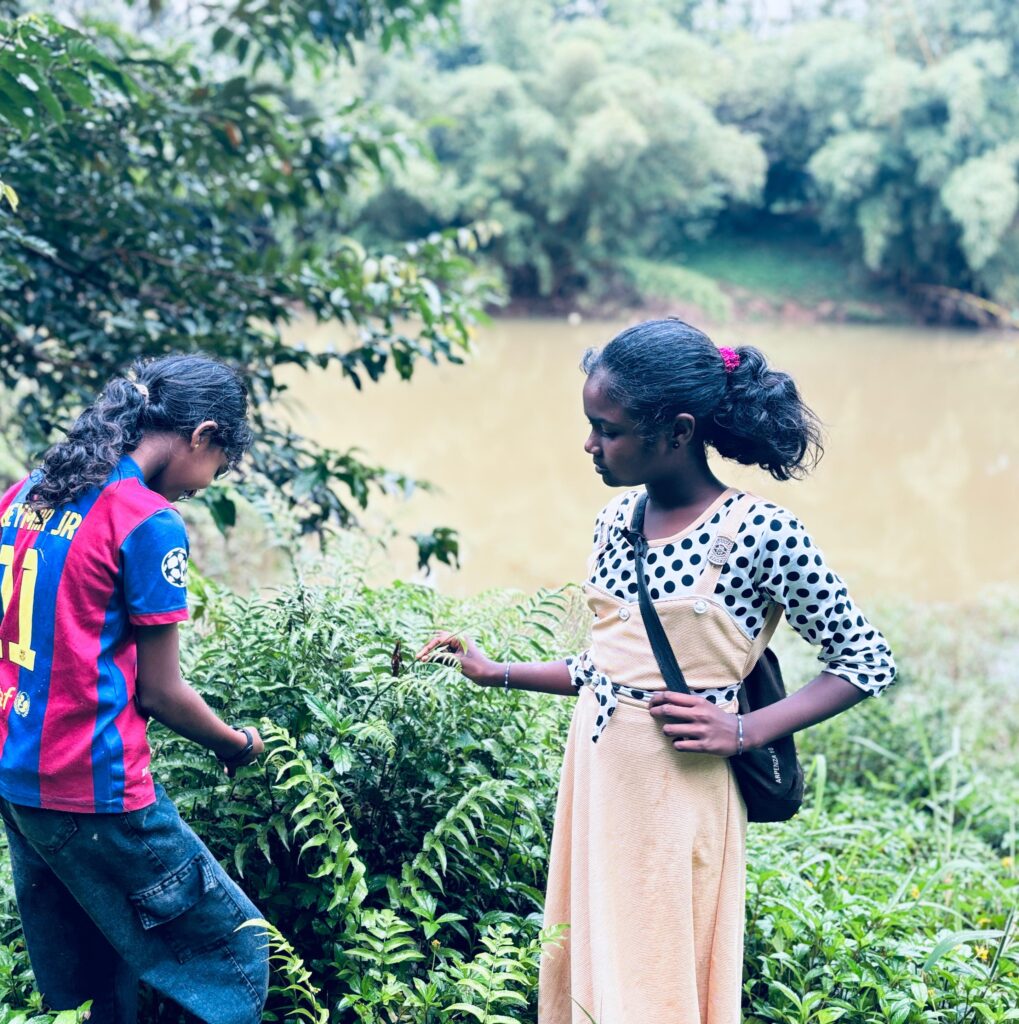
A simple question – “What do you call this leaf?”…
…opened the door to a world where food is also memory, medicine, and story.
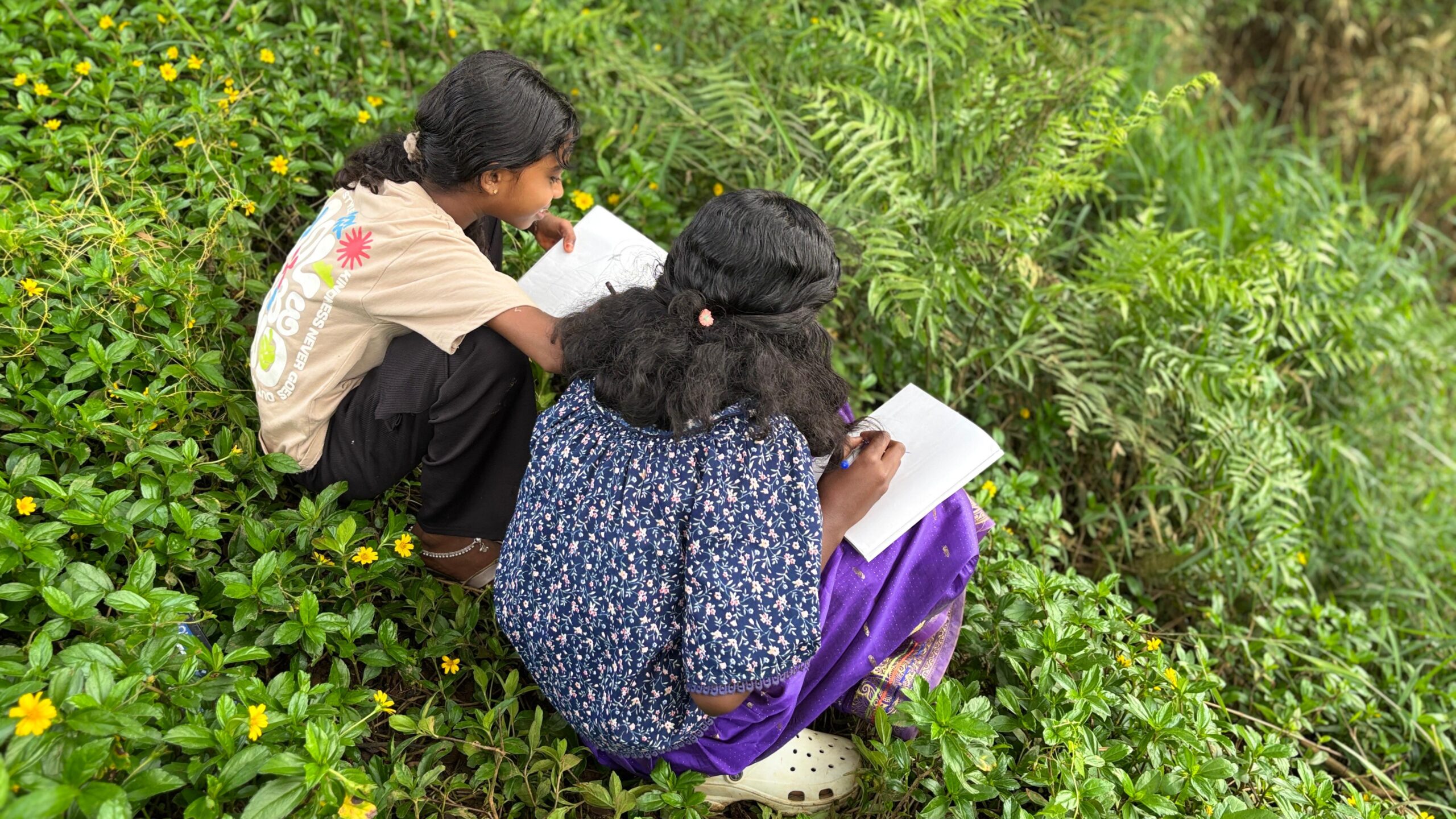
Along this journey, something beautiful happened. Children from our Language Club became deeply curious. They began noticing leaves on their way to school, collecting samples, asking elders about names, and even trying to cook small portions under guidance. Their laughter, their mistakes, and their eagerness have turned this exploration into a living classroom. They are not just learning vocabulary; they are learning to see food in the landscape through a new point of view.
These leaves are not merely ingredients. They are rain-season companions in porridge, bitter strength-givers, cooling medicines, postpartum protectors, or spicy cough-healers. Some must be cooked twice, some must be beaten with stone to soften, some are eaten only at dawn, and some turn toxic after a storm. This knowledge is food and science, memory and caution, ecology and culture.
What makes these greens truly powerful is that no one owns them. They grow without labour, without money, without permission. They are gifts of the commons, yet they disappear from our plates because we stopped recognising them. To keep this knowledge alive, we are now planning a series of community-led videos featuring children, elders, and storytellers. Each episode will explore one leaf — its Paniya and Kurichya name, Malayalam and English identity, medicinal value, special ways of cooking it, and the stories surrounding it. This will be food documentation, but also language preservation, health knowledge, and cultural storytelling.
This project is not just about collecting leaves. It is about restoring a relationship between land, community, language, and food. And perhaps the real question these greens ask us is simple: If nature still feeds us freely, why did we stop listening? If we slow down, the leaves will speak.
Stay tuned for the series Stories of Leaves…