By Bhavya George, Climate Change
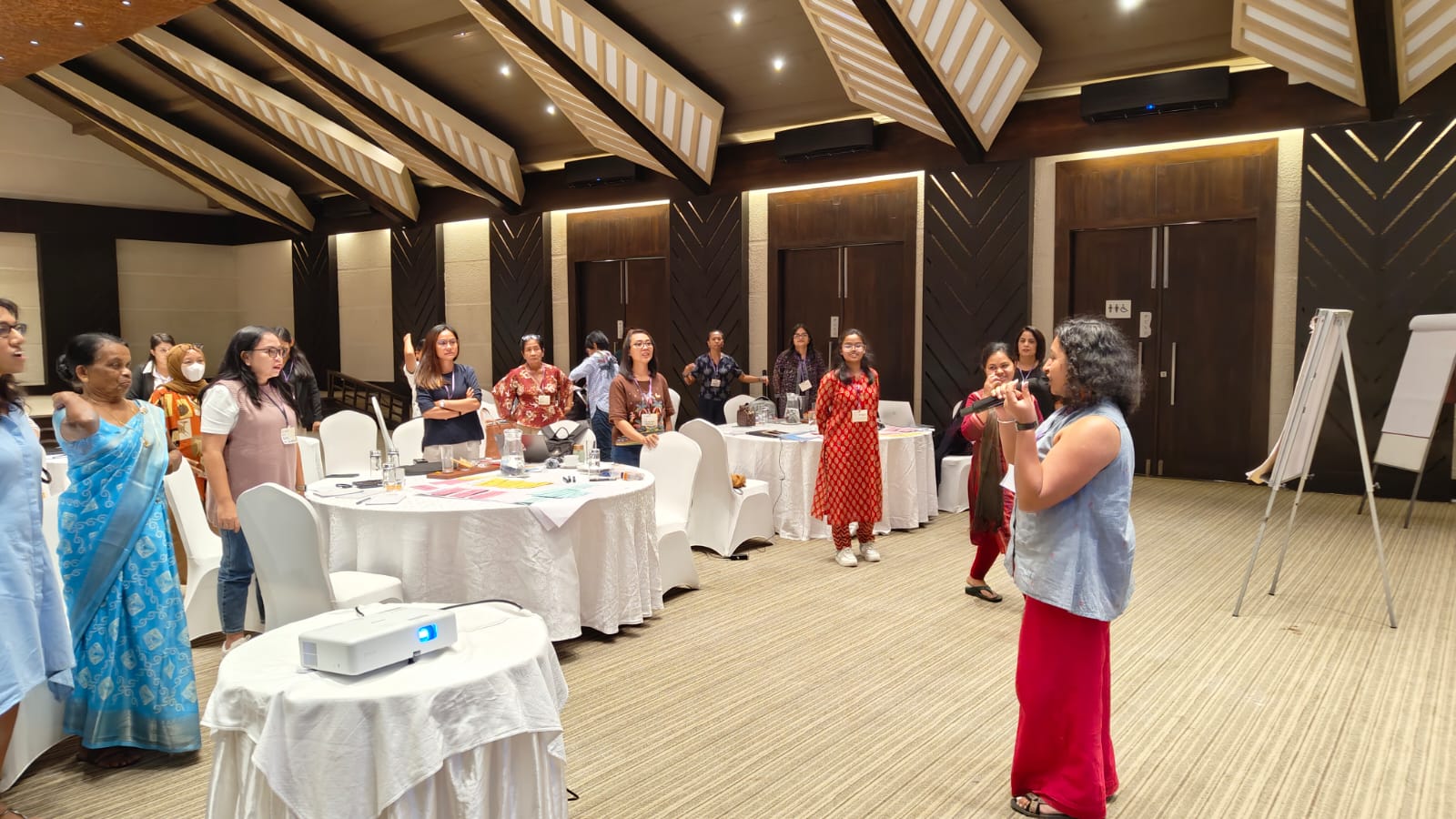
From 5–7 December 2025, I participated in the Asia Pacific Exchange for Agroecology (APEX) Women’s Strategising Workshop on “Women’s Leadership in Transforming Food Systems through Food Security and Agroecology,” held at Tamarind Tree Resort, Katunayaka, Sri Lanka. This visit took place at a difficult time, as the country was experiencing devastation from Cyclone Ditwah in Sri Lanka. The organisers and host could not postpone the workshop dates further due to logistical reasons, and therefore managed the programme through indoor sessions. Our field visit to Monaragala was cancelled, as the region was greatly impacted.
The workshop also became a space to show solidarity in times of adversity, and a climate change lens became a strong focus in our deliberations. The workshop brought together women representatives from APEX partner organisations across Asia to collectively analyse the situation of rural women, share experiences, and develop medium-term strategies on agroecology and food security.
Purpose of the visit
The primary purpose of my visit was to contribute to, and learn from, a regional process focused on strengthening women’s leadership in transforming food systems through agroecology and food security. The workshop aimed to develop a three-year collective strategic plan, country- and community-level action plans targeting local policies, and concrete local actions to deepen women’s participation in transforming food systems.
Activities: 5–7 December 2025
On 5 December, the workshop opened with a welcome, introductions, and an overview of the objectives and schedule. This was followed by an input session on the situation of rural women in Asia, focusing on the impacts of climate, political, and economic crises on women’s work, livelihoods, and care responsibilities, along with an open forum discussion. The rest of the morning was devoted to country-level sharing on the situation of rural women and women farmers in relation to food security and agroecology, including key challenges, struggles, and existing local initiatives to address them.
In the afternoon, there was a theoretical session on women’s leadership and organising, covering roles, strategies, and organisational aspects of building women’s collectives. This was followed by a sharing segment, where participants reflected on their own success stories and began initial planning on what more could be done in their communities, including the type of support that could be provided through the APEX women’s working group.
On 6 December, the day began with a recap of the first day, after which participants engaged in detailed planning for 2026 and the following three years at both organisational and APEX levels. This included determining priority actions and regional strategies for women-led work on food security, agroecology, and policy engagement. In addition to this, we presented and agreed on key collective actions related to agroecology policies, transformative food security policies, women’s organising, and leadership. For this discussion, we selected themes through voting. The themes that emerged were climate change, land rights, and economic empowerment through labour rights. Our group worked on climate change. Due to Cyclone Ditwah and the associated weather-related risks and disruptions, the planned field visit was cancelled, and the group instead continued with indoor discussions and planning activities within the workshop venue until 7 December.
Outcomes and observations
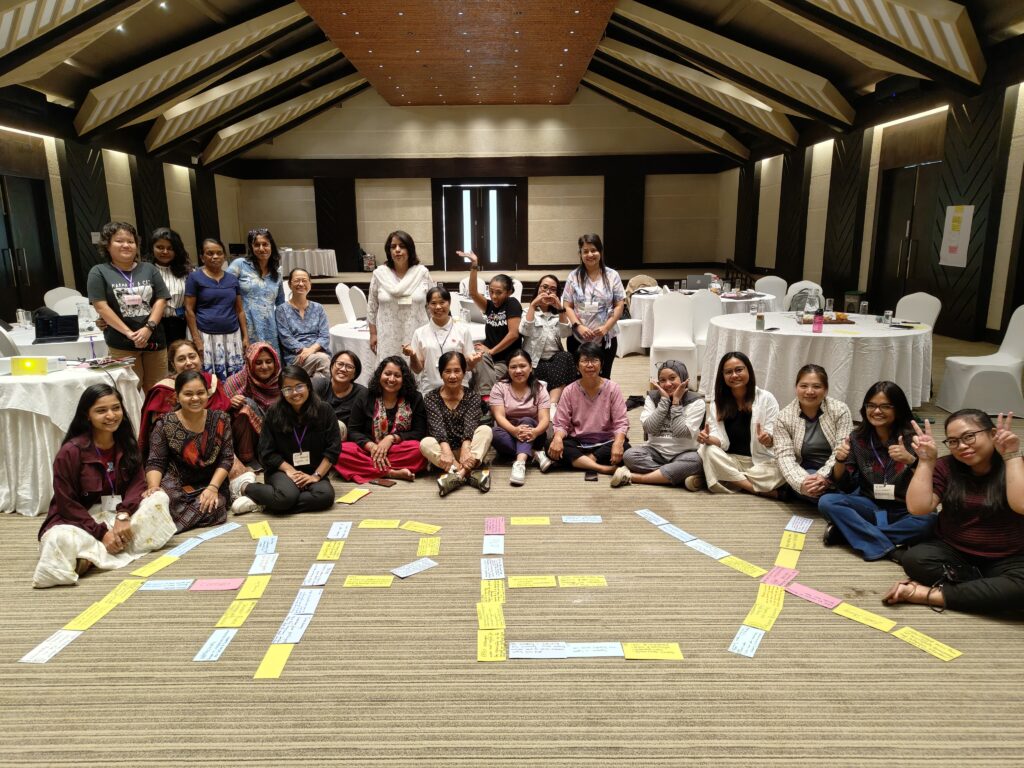
The workshop generated an outline of a three-year collective strategic plan, including short- and longer-term interventions to strengthen women’s leadership in agroecology and food security. It also produced initial country- and community-level actions aimed at influencing local policies on food systems and supporting women farmers’ organising. The discussions highlighted the structural invisibility of rural women’s labour, the unequal impacts of climate and economic crises on women, and the importance of women-led agroecological initiatives as responses to these crises.
My participation both contributed to and benefited from cross-country exchanges on women’s knowledge, organising strategies, and policy advocacy in the context of agroecology and food security, with a focus on climate change. It was enriching and strategic to engage in discussions from an Asian perspective, meet women leaders, hear their stories, and learn about their work.