Anita Varghese Phd, Director- Keystone Foundation
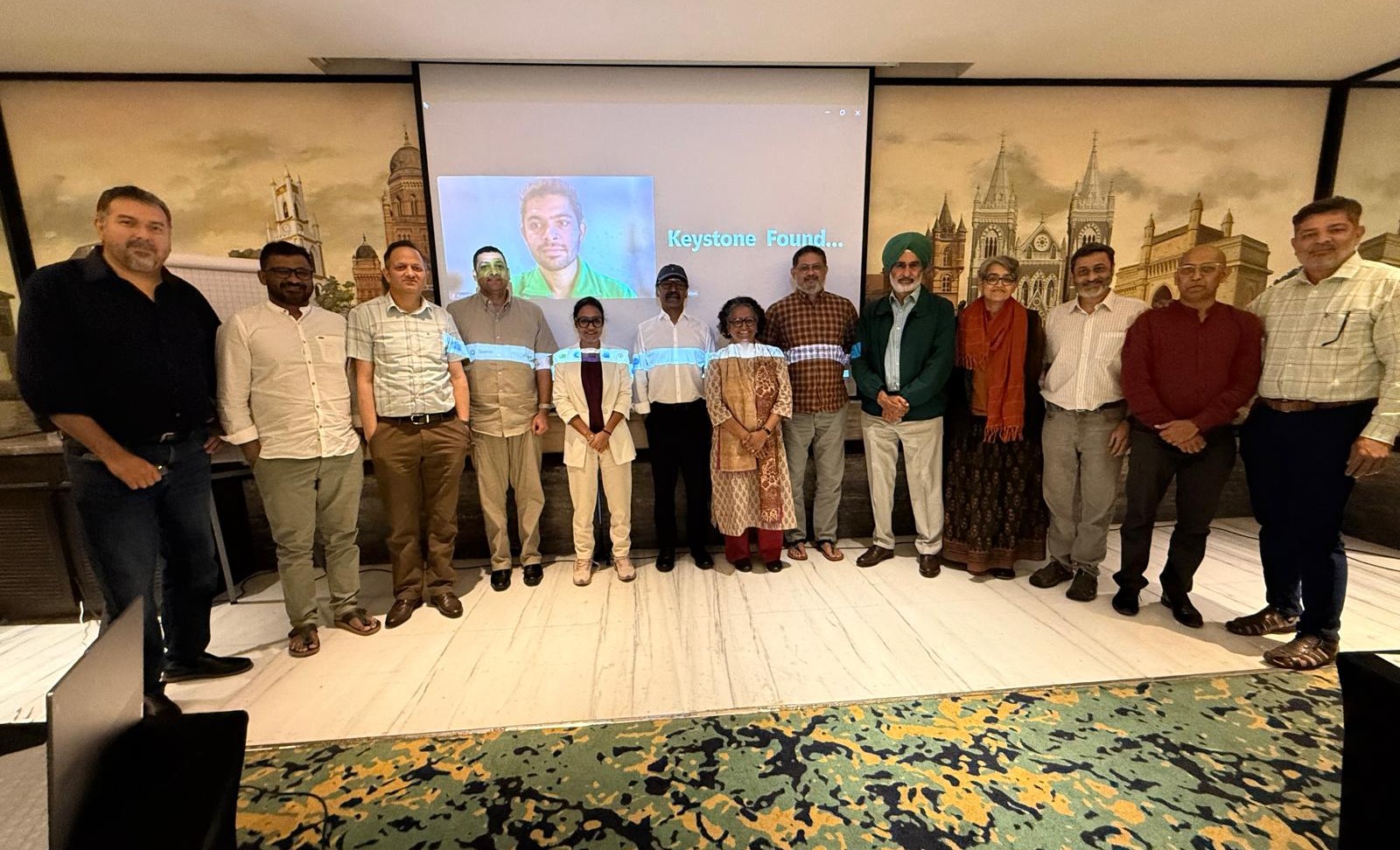
On 20th February on the heels of the Mumbai Climate Week we organized a conclave as part of our project on Forest Fires supported by the Environmental Defense Fund. A group of 15 ecologists, economists, foresters, private land holders, conservation practitioners and communication experts met in Mumbai. We were here to deliberate on the situation with regard to forest fires or wildfires in India.
On the eve of the conclave the invited participants met in the hotel lounge to set the context and share introductions. This was an ice breaker (in Pratim Roy’s words it was fire on ice) that helped to set the stage for the in depth discussion that was precise and open.
National Dialogue on Forest Fire Ecology and Management:
Dr Harbhajan Singh Pabla IFS opened the discussion with his experiences as a forester on fire practices globally and nationally. Dr Pabla’s book Forest Fires in India has been a guiding document for us,Dr Ankila Hiremath shared research on forest fires and invasive species. She highlighted Indigenous Peoples’ use of fire in dry forests. Dr Pushpender Rana IFS spoke about the Himalayan ranges and changing fire patterns. He explained how introduced trees increased fuel loads and led to larger fires.
Narendara Khot presented the impact of unchecked agricultural fires on forests and orchards in Maharashtra. After the break, we listened to two online talks by Mandar Pingle of the Satpuda Foundation. He spoke about fire alert systems used in the Pench Tiger Reserve. We were taken back to the Himalayan ranges by Dr Kapil Yadav who shared questions about the political ecology of fires and livelihoods that were dependent on fire, especially that of pastoral communities. Dr Gurudas Nulkar shared ideas on how we need to develop a taxonomy for fire – as we all heard about good fires and bad ones. He also urged us to think of framing the broader issues around fire to define root causes.
A truly national perspective of the multi-dimensional aspects of forest fires was achieved in these four hours of meaningful interactions! As a group, we are keen to be part of a larger dialogue to take this forward with a workshop to be held soon, to deliberate and come up with either a technical report or policy brief on Forest Fire Resilience in India.
Collaborative Engagement and Field Learning in Melghat:
From EDF, Manjusha Mukherjee and Dr Santiago Llores were in the room. From Keystone, Sumin George, Pratim Roy, Pralhad Burli and I were there. Vinod Kunj, CEO of Thought Blurb Communications, Mumbai and Anand Pendharkar, CEO Sprouts, India were present.
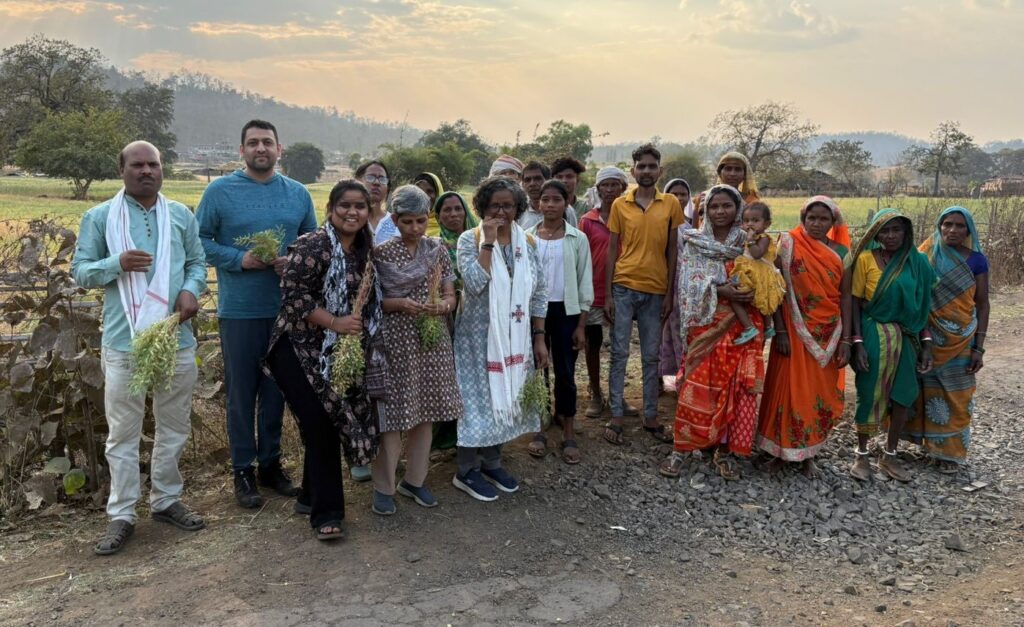
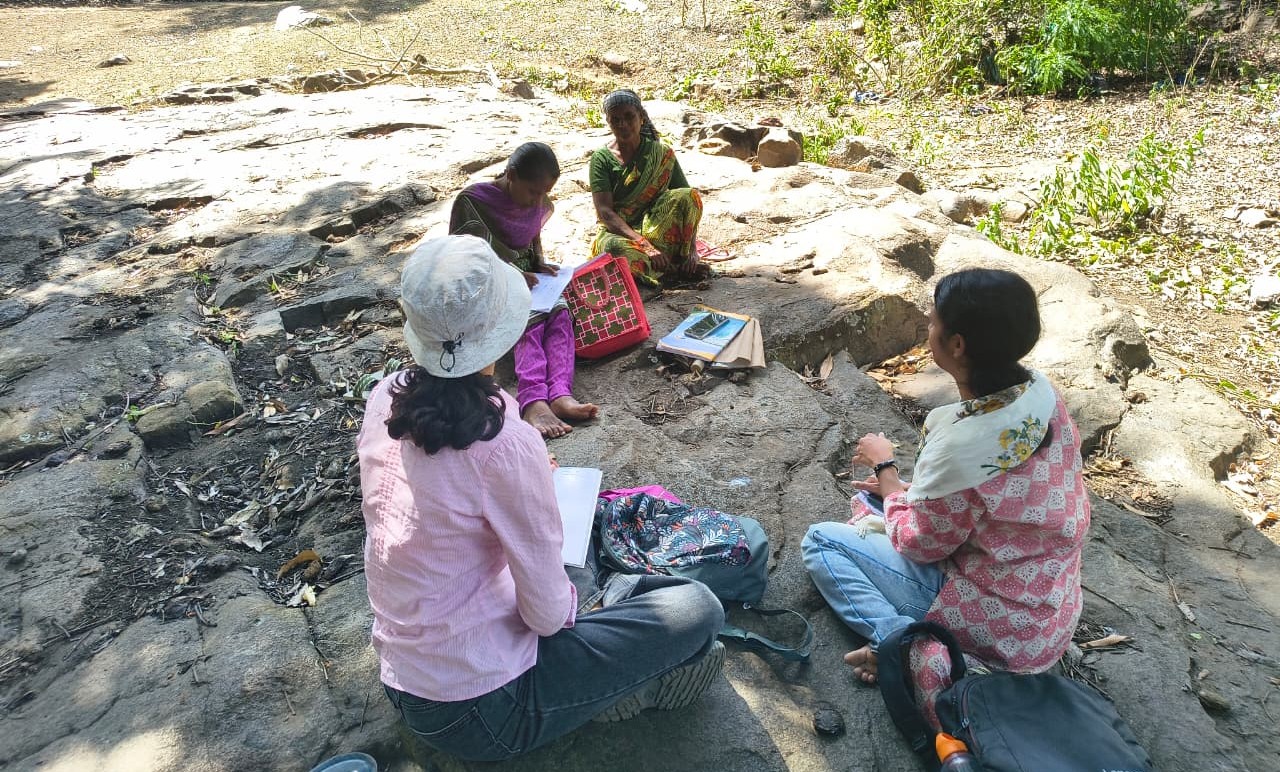
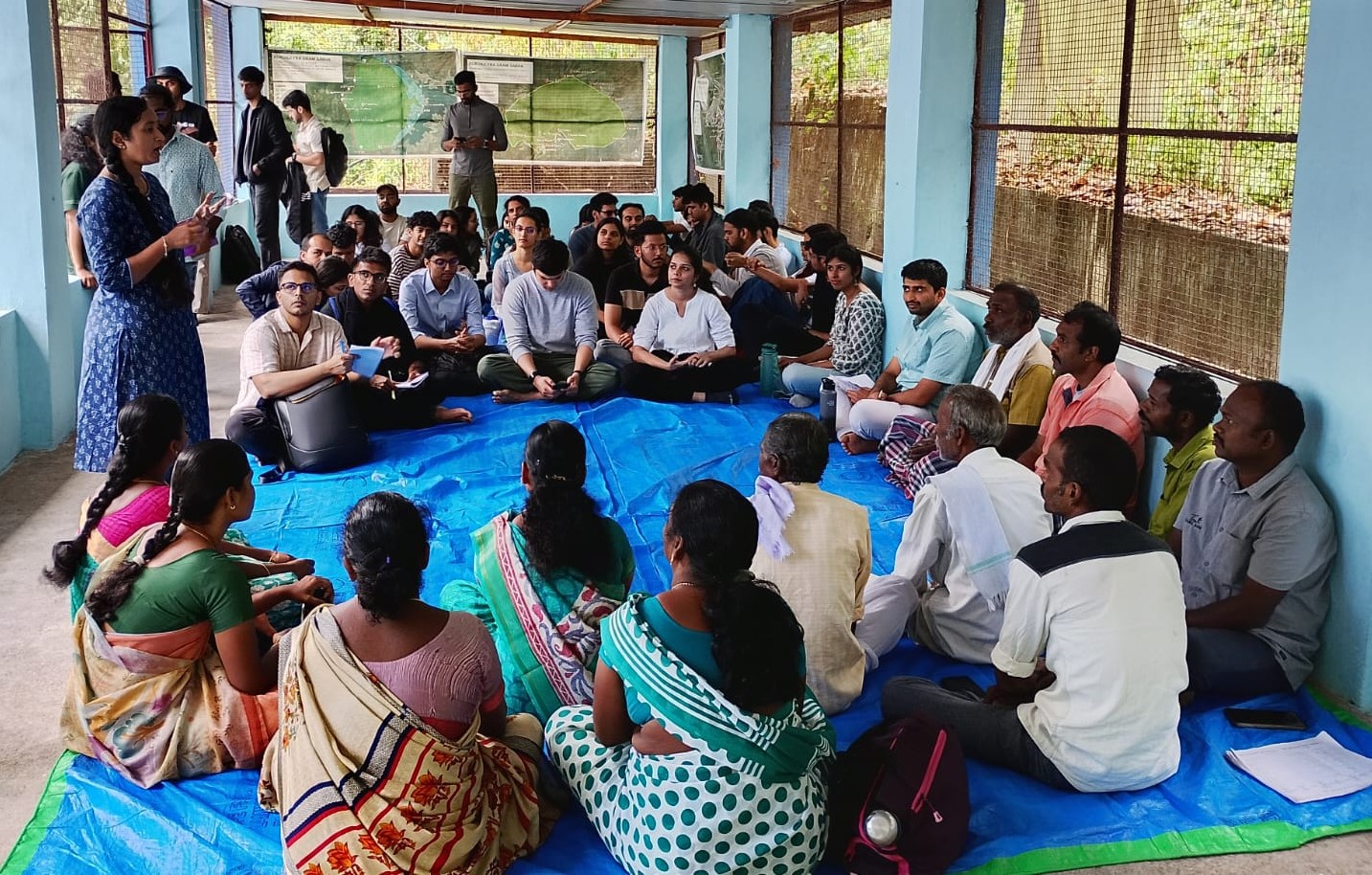
This was followed up by a field visit to the Melghat forest areas facilitated by Khoj Trust, Paratwada, Maharashtra. Pralhad Burli, Jyoti Patale, and I travelled from Nagpur to Paratwada to see restoration work in Melghat. Members of the Gram Sabha committees of Rahu and Payvihir carried out this restoration work. Aditi Purnima of Keystone Foundation coordinated on-site travel. She serves as desk coordinator for the IPLC desk of the ERA (Ecological Restoration Alliance). Purnima Bandu, Founder of Khoj, guided us during the field visits. The visit was inspiring and showed the results of a decade of community-managed forests.
There are challenges and many lessons to learn. Yet, their passion and commitment to conserve forests and resources supporting their daily lives was remarkable. Many young people said elders once used fire to manage vegetation. However, the younger generation has never witnessed such fires. They consider fire a dangerous event if it occurs. Most importantly, young people said they see no reason to migrate from their forests. This was a pleasant surprise for us.