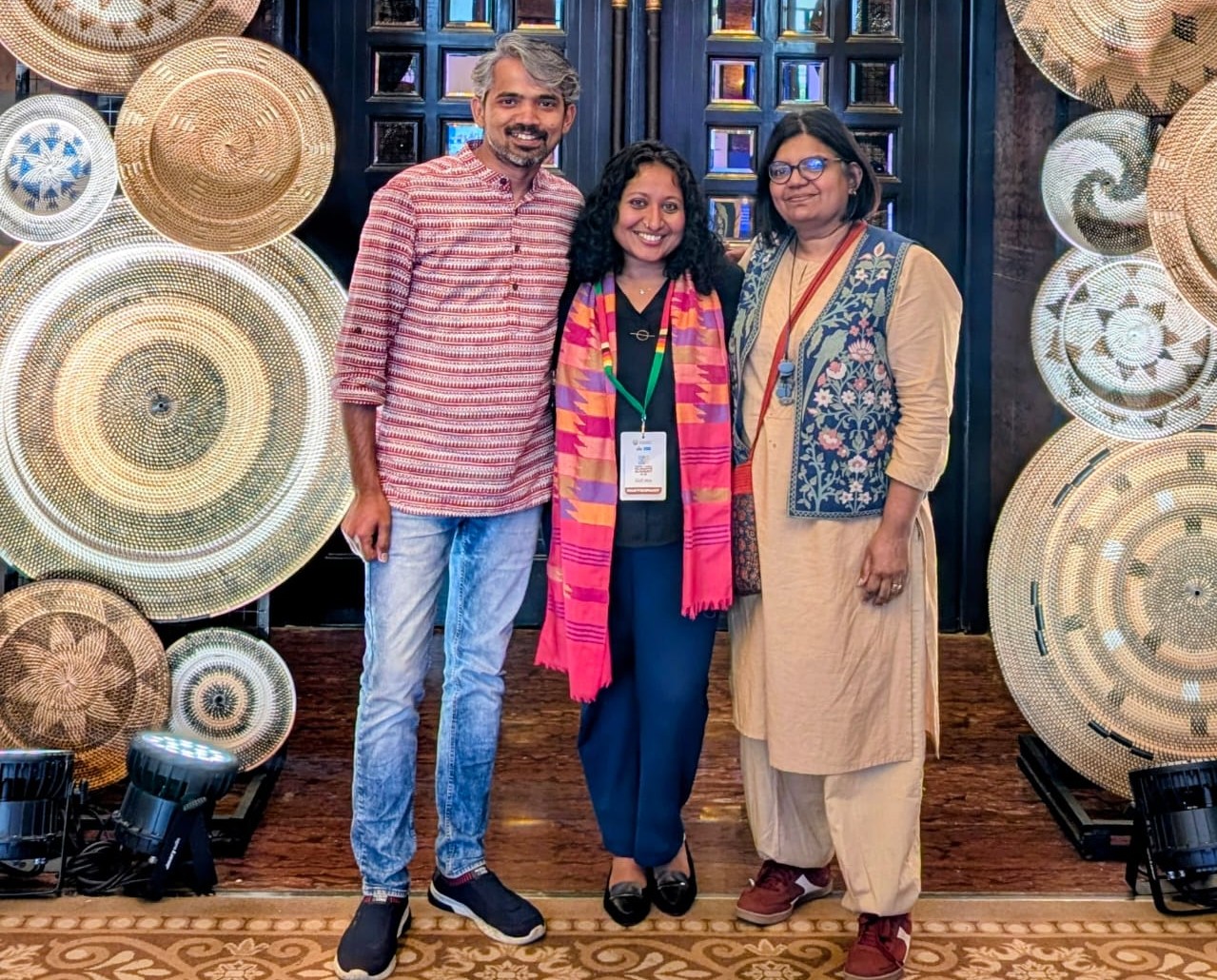
Bhavya George, Climate Change
February gave Keystone Foundation the opportunity to participate in two Climate Weeks, Tamil Nadu Climate Summit 4.0 in Chennai and Mumbai Climate Week. For me, being part of both was an experience filled with hope, especially given the current global climate cooperation scenario.
Remarks from UN Climate Change Executive Secretary Simon Stiell, delivered during a press conference in Istanbul, Türkiye, on Thursday, 12 February 2026, reinforce both the gravity of the current situation and the hope for climate action:
“This is a period of instability and insecurity. Of strong arms and trade wars. The very concept of international cooperation is under attack. These challenges are real and serious. But climate action can deliver stability in an unstable world.”
It was interesting how both Climate Weeks highlighted the urgency and importance of climate action.
Tamil Nadu Climate Summit 4.0 was held at ITC Grand Chola on February 17th and 18th, with the mission: “To accelerate climate action and build a sustainable future.” Pratim Roy, Jyotsna Krishnakumar, Akhil Sivadas, and I were part of these two days. This was a state-led summit organized in collaboration with other organizations. It was a closed event with delegates from government, civil society, students, and community representatives in attendance.
Reflecting on Climate Resilience and Building Relationships:
The two days provided insight into the climate initiatives undertaken by the Government of Tamil Nadu through talks, panel discussions, and reflections. Topics ranged from biodiversity in mountains to coastal ecosystems, human-wildlife interactions, pollution, waste circularity, and community-led projects. Keystone was part of a panel on “Nature as Infrastructure – Mangroves, Seagrass, and Coastal Resilience.” Our Founder Director, Pratim Roy, presented on “Making Climate Action Count – Monitoring, Reporting and Verification (MRV) as the Backbone of Credible Climate Governance.”
Beyond the formal sessions, the summit let us reconnect with familiar faces, rebuild relationships, and form new collaborations. It also gave us opportunities to listen, discuss ideas, connect them to our work, and think ahead. Yet, we felt there was scope for more. As Akhil noted, “It was a great event with the state leading many climate actions. However, making it fully community-owned and community-led remains a challenge.” I think perhaps that is a challenge to pursue until the next summit.
Personally, I found it inspiring to see Tmt. Supriya Sahu, IAS, Additional Chief Secretary, led the summit and climate initiatives in Tamil Nadu enthusiastically and openly.
Mumbai Climate Week: Crafting Solutions and Rethinking Governance:
From Tamil Nadu, some of us travelled to Mumbai for the Climate Week there. The event took place at the Jio Convention Centre from February 17–19, 2026. This was the first Climate Week in Mumbai, with the goal of reimagining critical climate solutions as interconnected, scalable innovations rooted in the complex dynamics of the Global South and its economies.
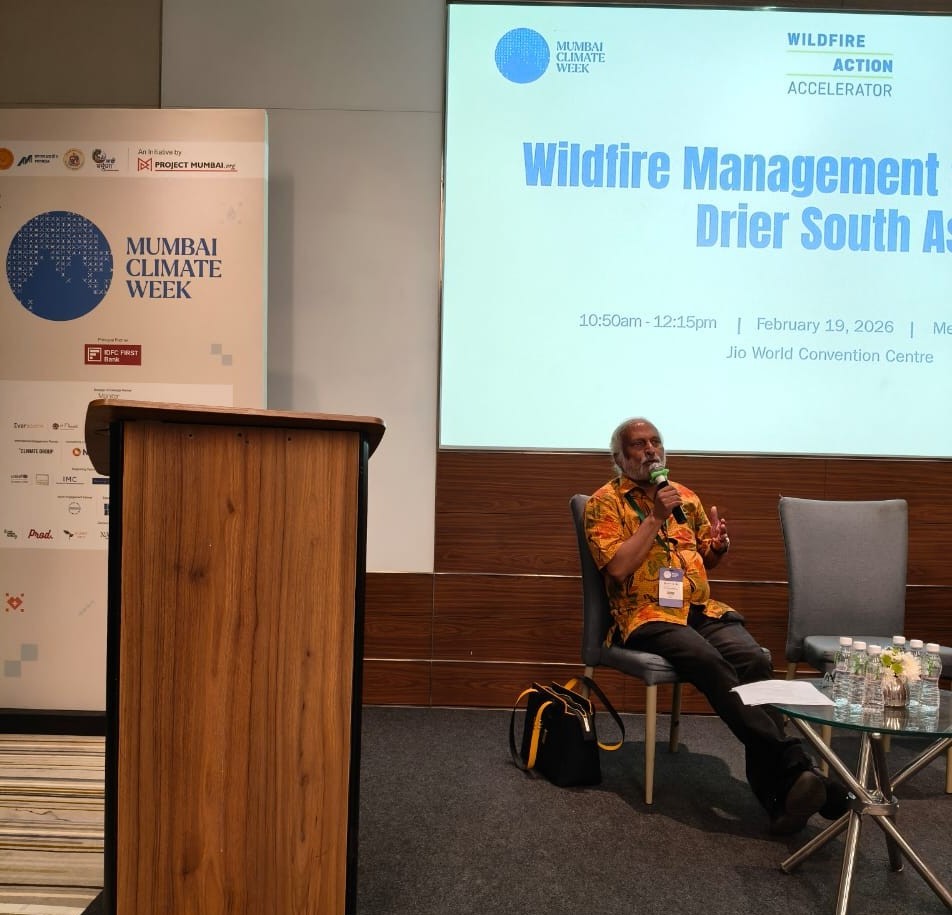
On February 19th, Pratim Roy, Anita Varghese, and Sumin George participated in a session led by the Environmental Defense Fund on “Wildfire Management for a Hotter, Drier South Asia.” The session explored how wildfire governance can shift from reactive suppression to proactive, risk-informed, and adaptive management.
It examined how we can integrate satellite monitoring, early warning systems, predictive analytics, and machine learning with community knowledge and stewardship to reduce risks.Anita moderated the session, Fireside Conversations: From Detection to Stewardship – Aligning Science, Community Practice, Governance & Finance for Wildfire Resilience. Pratim shared his thoughts in this event on Community Stewardship & On-Ground Practice.
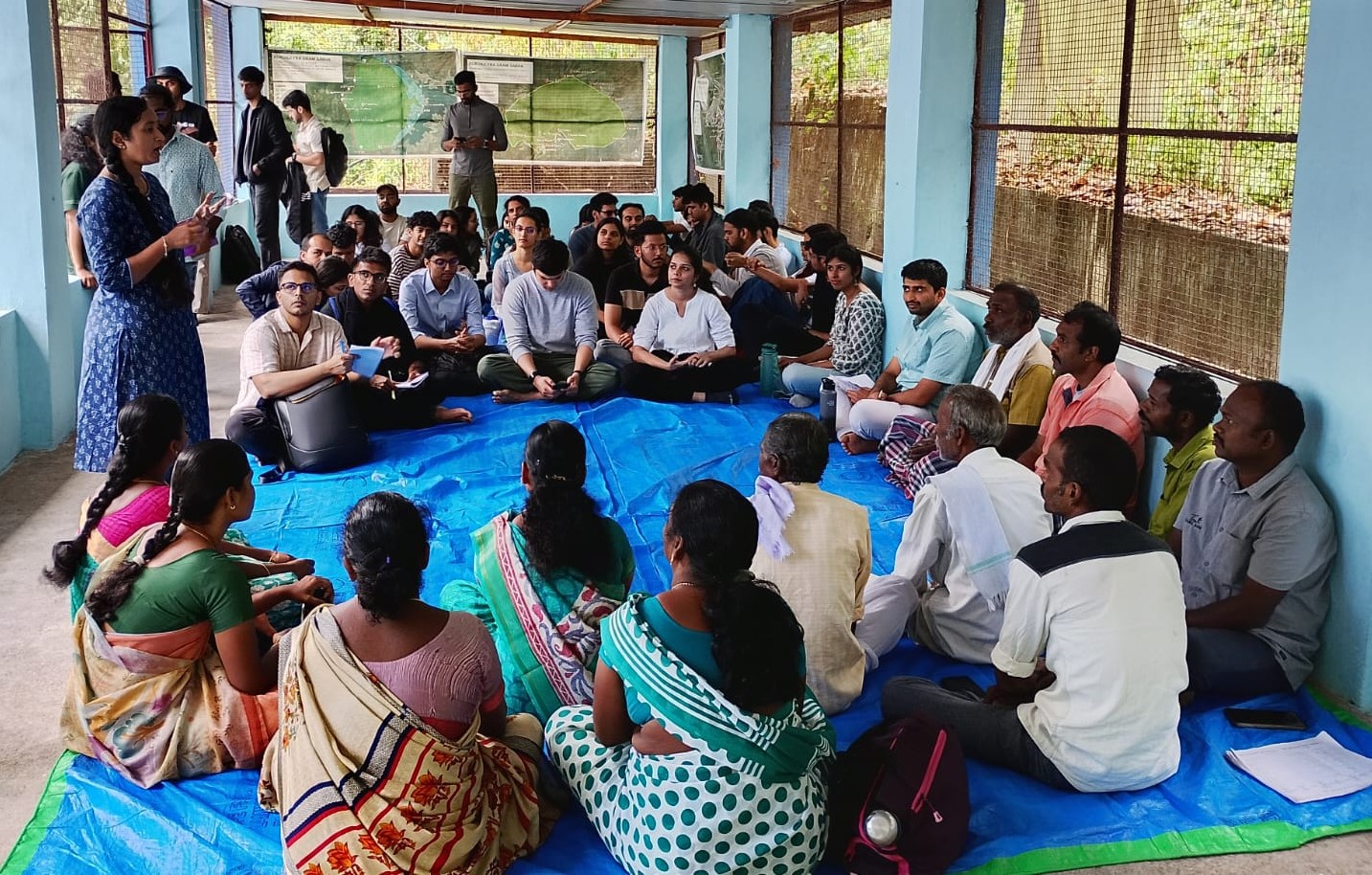
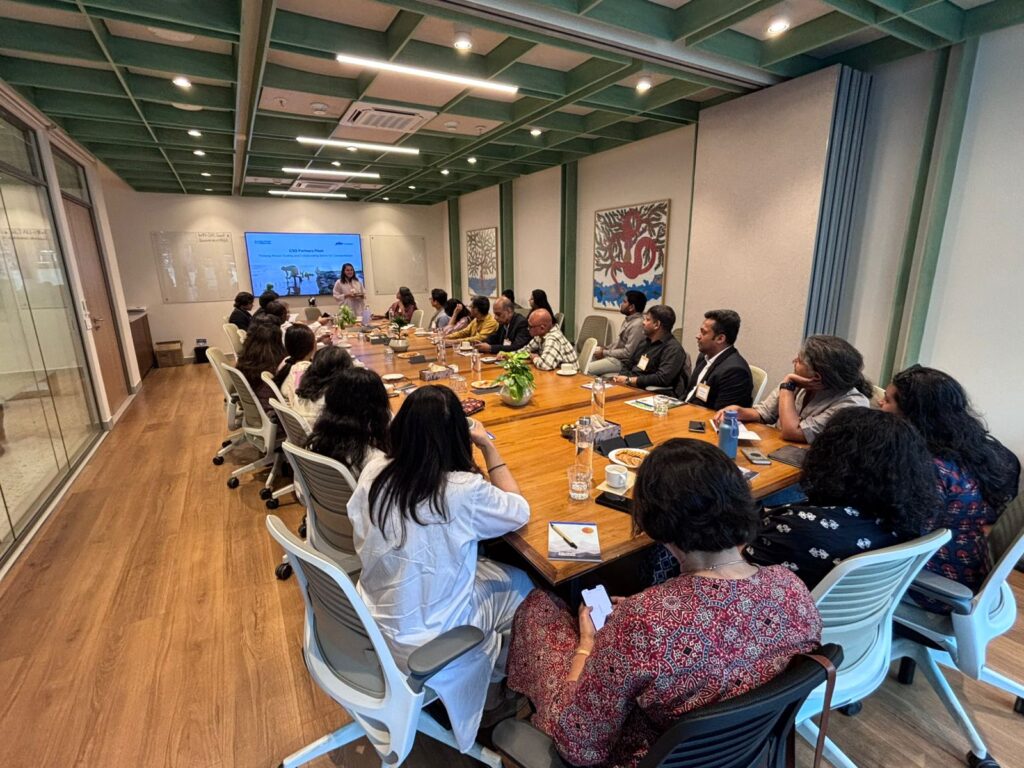
At another closed event, I attended the India Climate Collaborative CSO partners’ meeting. We met each other in person for the first time.We reflected on the structural challenges shaping climate action today. The objective was not only to surface pain points but also to collectively examine systemic challenges and reflect on pathways for success.
Throughout the discussions, one overarching theme emerged — climate work is long-term, relational, contextual, and systems-oriented, requiring funding structures to evolve.Across discussions, one overarching theme consistently emerged — climate work is long-term, relational, contextual, and systems-oriented, and funding structures need to evolve accordingly. This event was supported by the JSW Foundation.
o conclude, in reflection, as Pratim says, “Mumbai Climate Week (MCW) was invigorating. Our session on a drier planet in South Asia brought out interesting insights, including local and indigenous practices.” MCW was a citizen’s platform with very big potential.”