Syamjith, Faisal Rehman & Mira Kudva Driskell, People and Nature Collectives
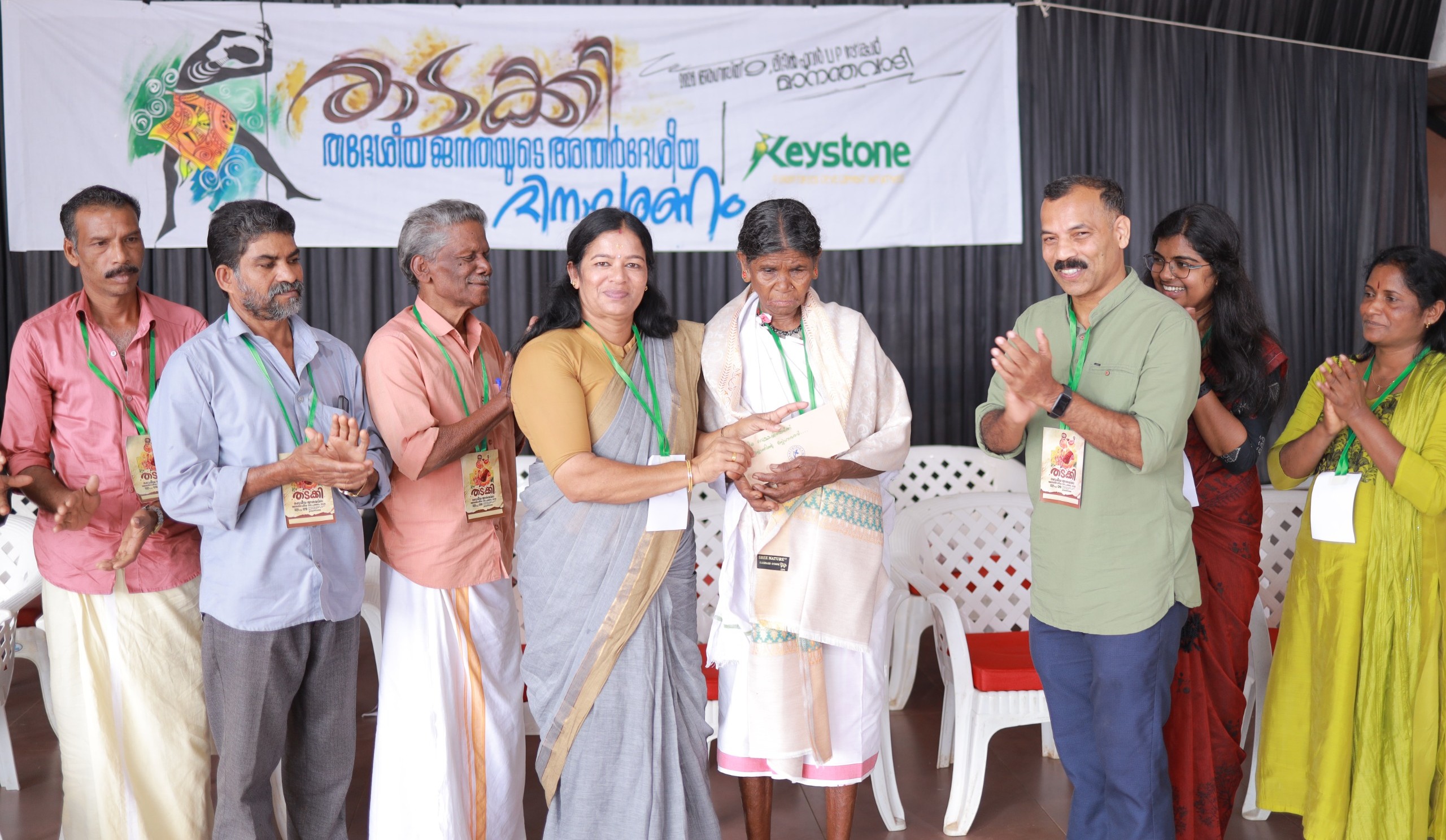
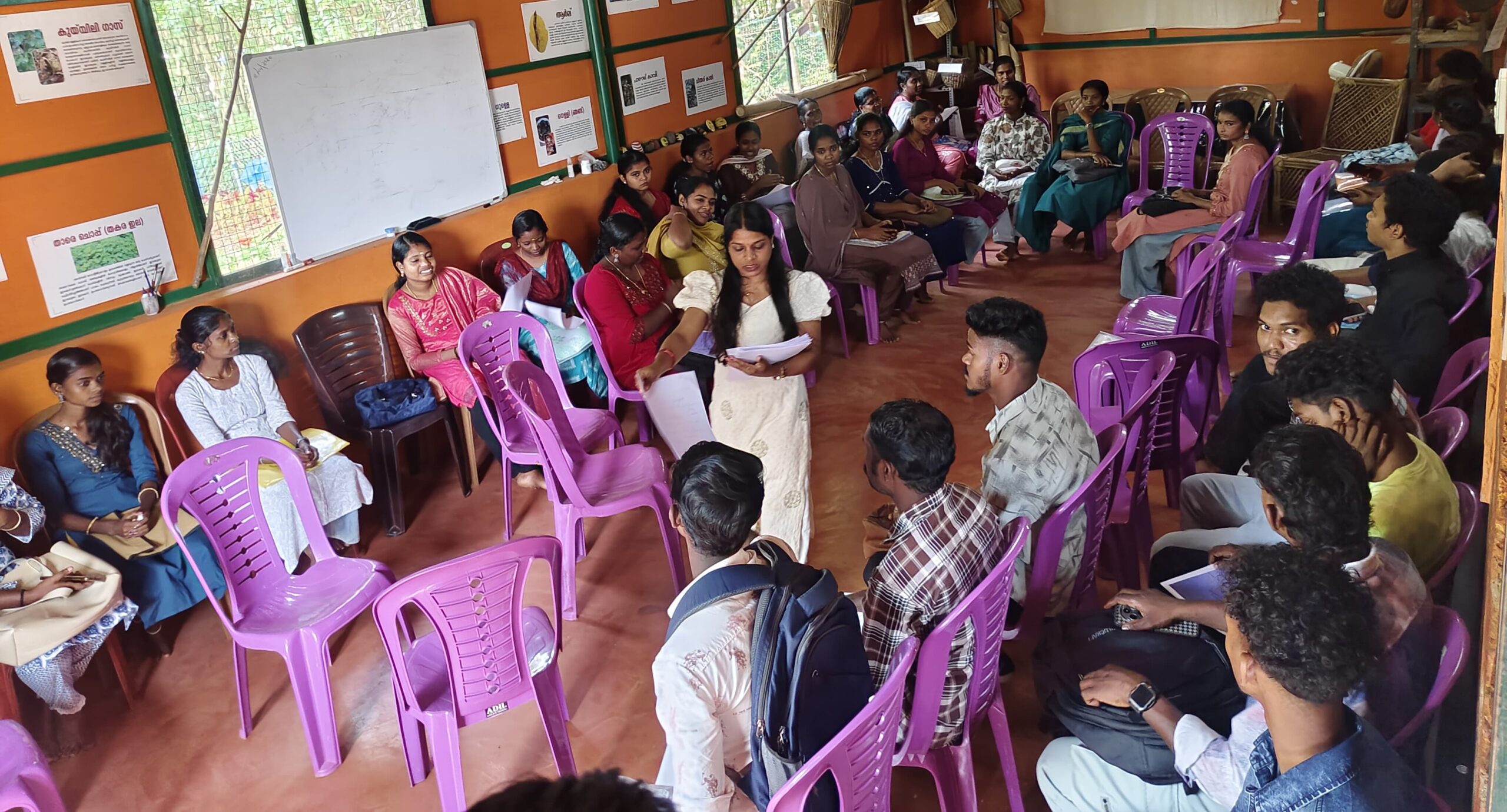
Earlier this year, the PNC team in Nilambur initiated a new project to engage and support a new generation of Adivasi-Indigenous leaders, with generous support from the Azim Premji Foundation. Over the past few months, the team has been consulting with experts and developing learning modules focused on skills and perspective building for youth, which will be piloted over the next two years. The call for applications received an overwhelming response, with 110 applicants from Nilambur. On 16th and 17th March, members of Keystone’s People and Nature Collectives team came together in Nilambur, Kerala, to select a cohort of 20 youth leaders.
Bringing together a new cohort:
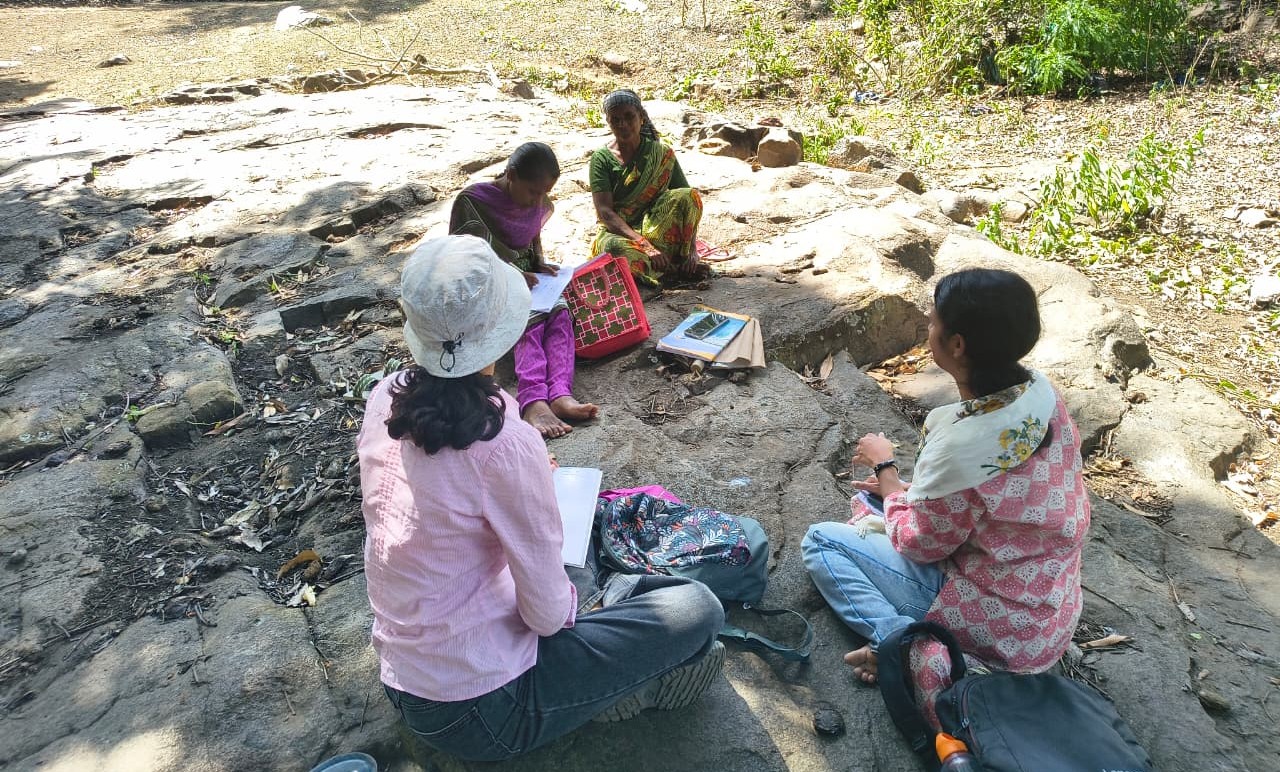
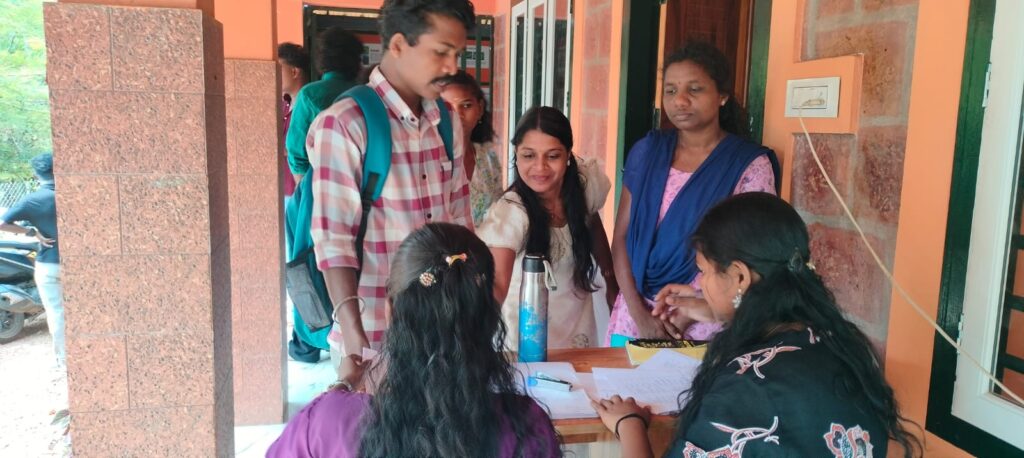
From 110 applicants, we shortlisted 56 Adivasi-Indigenous youth and interviewed them for the Tribal Youth Leadership Program (TYLP). Two panels comprising Keystone team members, community activists, leaders, and academics from Nilambur and Wayanad conducted the selection process. As part of the criteria, applicants aged 21–35 had completed at least 10th standard education and showed interest in social action projects.
Many applicants had prior experience in organising and community engagement, including government programmes, educational awareness, heritage documentation, forest rights, and advocacy.
Our aim was not to identify fully formed leaders, but to recognise and support young people with the potential to grow into leadership roles. The selection process focused on their experiences and understanding of community mobilisation, leadership, and interpersonal skills. We prioritised those with a strong desire to learn and equip themselves as community leaders. Through the proposed training programme, we hope to create a space for self-actualisation, as well as for building skills and perspectives.
Constructing Solidarities, Creating Paths:
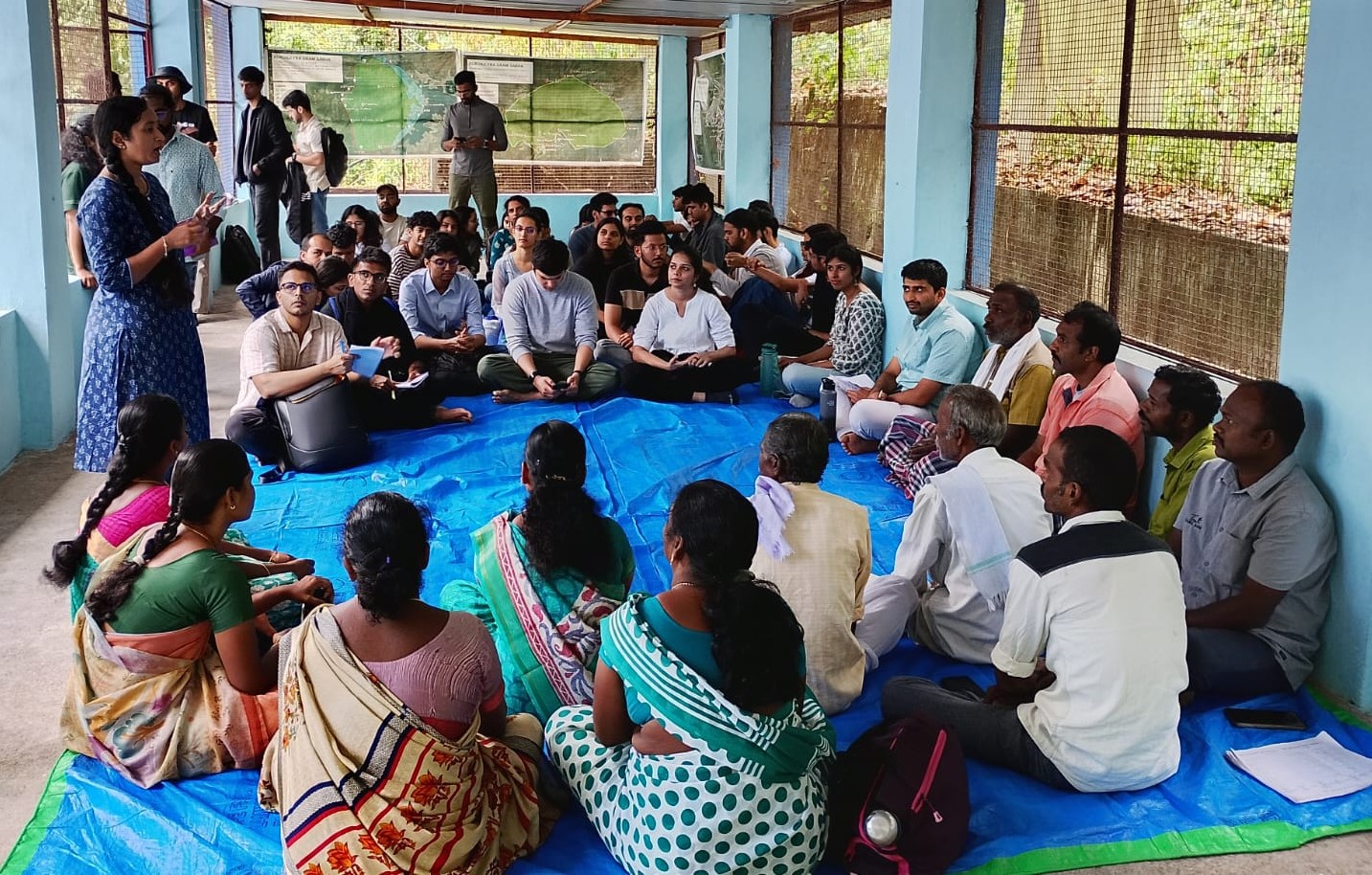
Over the next two years, PNC’s Youth Leadership program will engage in a popular education process centred on Indigenous-Adivasi history, constitutional safeguards, and rights and justice frameworks. It will also include thematic engagement with issues such as ecology, economy, and society, along with soft skills development. We hope these learning modules will bring participants’ lived experiences and worldviews into conversation with one another, enabling them not only to name injustice, but also to address it.
PNC’s most recent evaluation brought to light the need for solidarity across communities—not in name only, but thick in the sense of an empathetic, embodied commitment to one another. We intend for this program—which brings together 20 youth from the Aranadan, Kattunayaka, Malapanickar, Malumuthan, Kurumar and Paniya communities—to show the way, as young people engender what broad communities of practice look like.
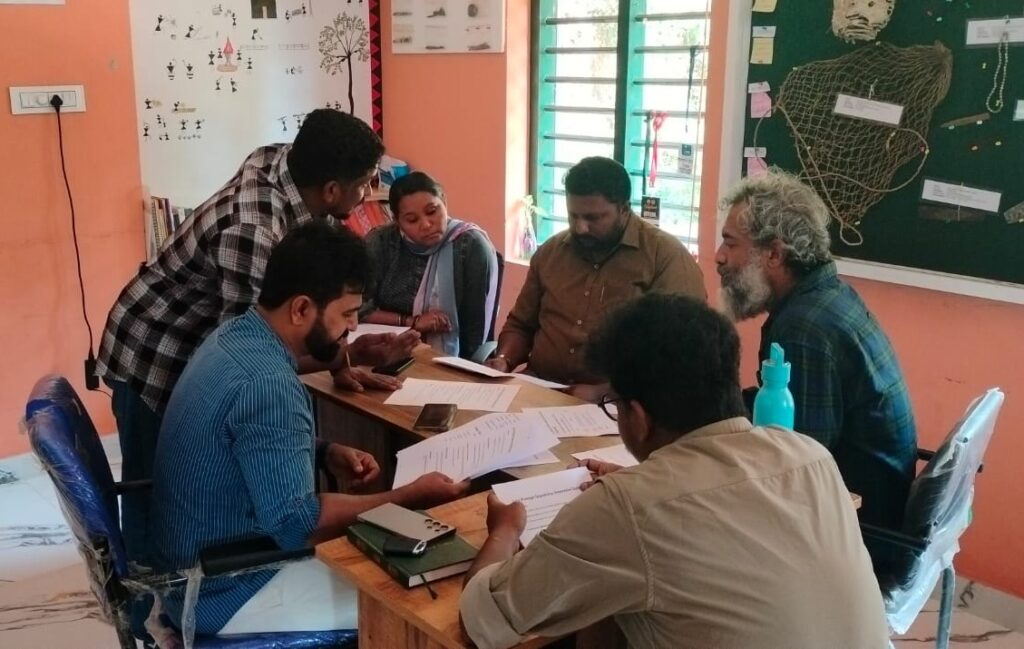
Photo credit:Aswathy GV
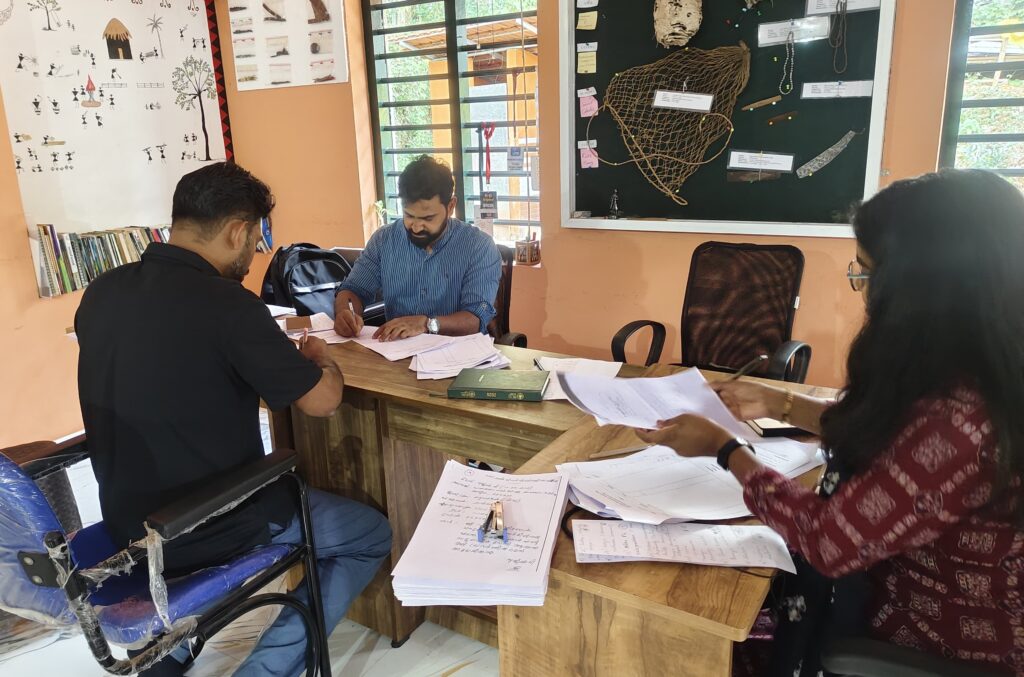
Photo credit:Aswathy GV
By coming together around shared issues, inquiring around similarities and divergences in lived experiences, and eventually acting as a collective, these youth leaders will develop unique solutions to shared problems; a shift towards community decision-making that embodies the goals of PNC. Agency here is understood not only as individual capacity, but as something built through relationships, shared skills, and collective strength. In this sense, collectives are always greater than the sum of their parts.
The path forward will ultimately be shaped by the vision of these leaders themselves.True to the spirit of radical education across the world, they will make the road by walking.