Kavyanjali K K, People and Nature Collectives
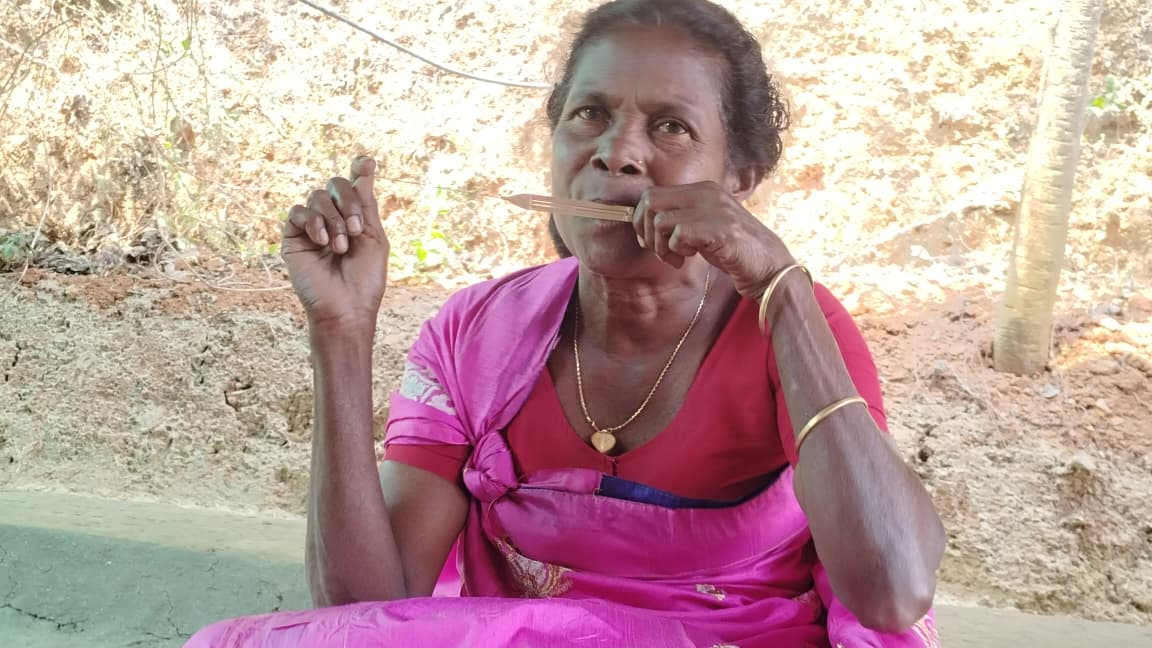
In the mist-covered hills of Thirunelli, where forests hold memories older than roads and schools, there lives a woman whose voice, indeed, carries a fading world.
Mini Karimam, a 63-year-old elder from the Ravula (Adiya) Indigenous community of Wayanad, is not just a singer. She is a keeper of memory, a healer, and an educator shaped by life itself.
Her song is called Cholappaattu:
It does not belong to stages or recordings; instead, it belongs to hunger, illness, sleepless nights, and the quiet resilience of a community that survived with very little. Furthermore, long before formal schooling reached these hills, knowledge moved through voices, and Cholappaattu was one such voice.
People sang it when children cried from hunger during times of scarcity. They used it to gently lull children to sleep, even with little food. When a child fell ill, the song returned—soft, repetitive, and comforting—creating space to give medicine and ease fear.
In those moments, the song was more than music: It was care, education and survival
Mini did not “learn” Cholappaattu in a classroom. She absorbed it—watching elders, listening closely, participating in everyday life. Over time, she became what her community needed: someone who could carry the song forward.
Today, she stands as the only known practitioner of Cholappaattu in Wayanad.
Inside her memory lives a fragile archive—melodies, meanings, rhythms, and emotions that have never been written down. With every passing year, the risk of losing this knowledge grows. Yet, Mini continues to sing.
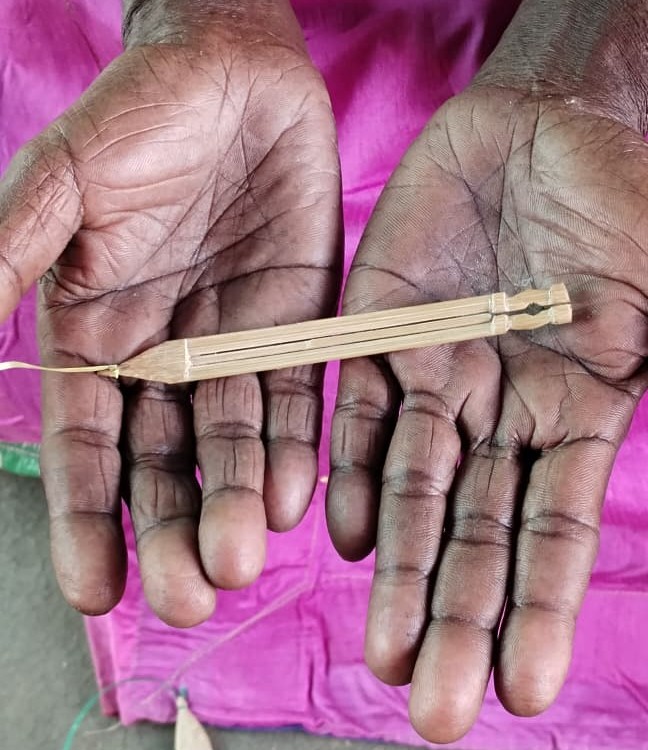
Through her, an entire worldview continues to breathe:
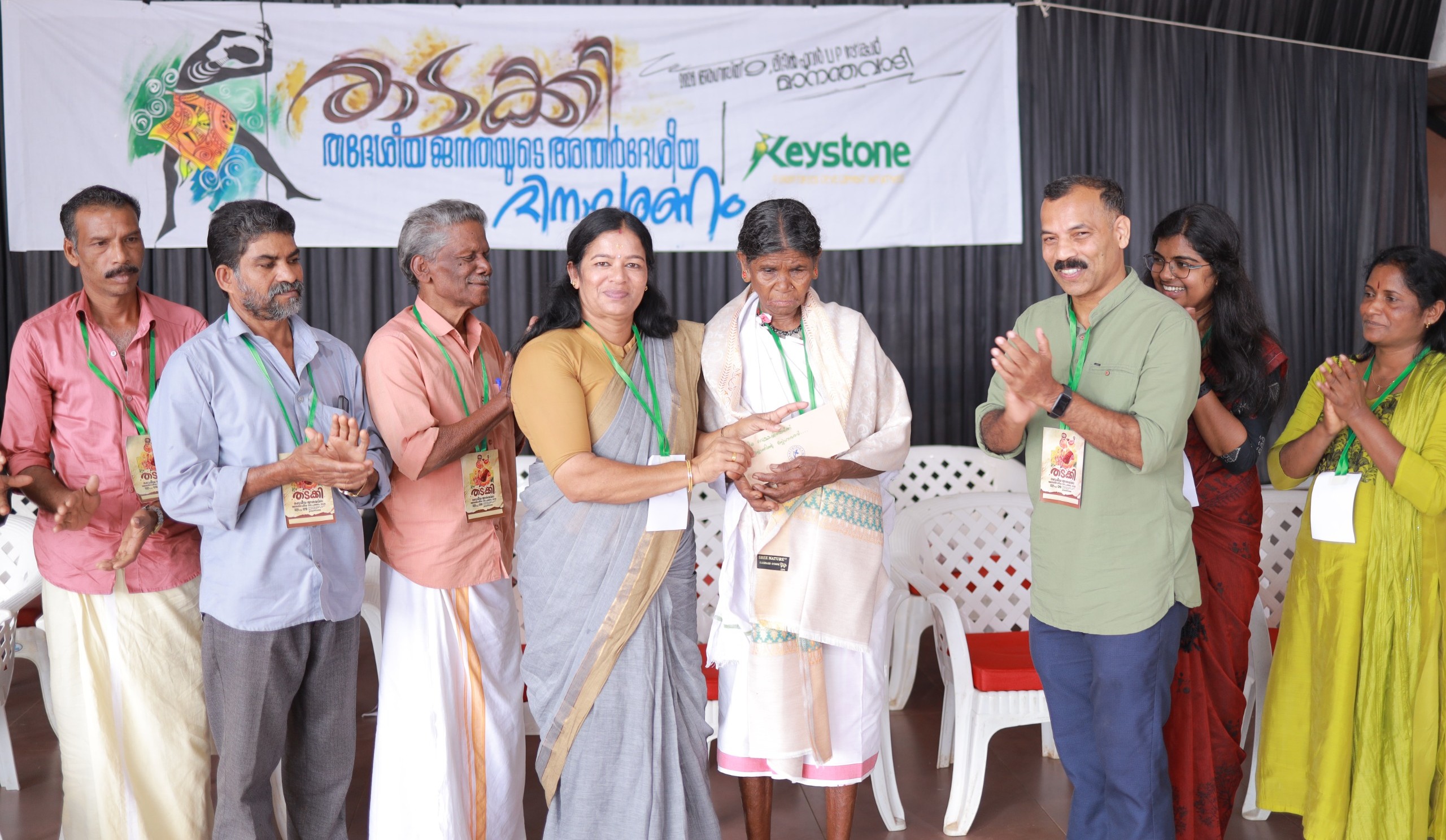
On March 8, 2026, marking International Women’s Day, Mini Karimam’s lifelong contribution received global recognition..Through the Indigenous-led Education Network (ILED), the second edition of the #IndigenousWomenEducators campaign honoured her with the 2026 “Women Are Educators Award.”
This campaign celebrates women across the world who sustain and transmit knowledge—often outside formal systems, yet at the very heart of community life.
Honouring a Voice That Carries Generations:
Mini was one of seven awardees globally, and the sole representative from India.
Since receiving the award, Mini’s work continues much in the same quiet way it always has—through songs shared in intimate spaces and the deep, unspoken commitment to her people. Her story reminds us that education does not always happen in classrooms.
Sometimes, it happens in the rhythm of a lullaby,in the patience of care, in the resilience of women who refuse to let knowledge disappear. As we celebrate Mini Karimam, we are also called to listen—before the last song fades.