Gunashekar M, Climate Change
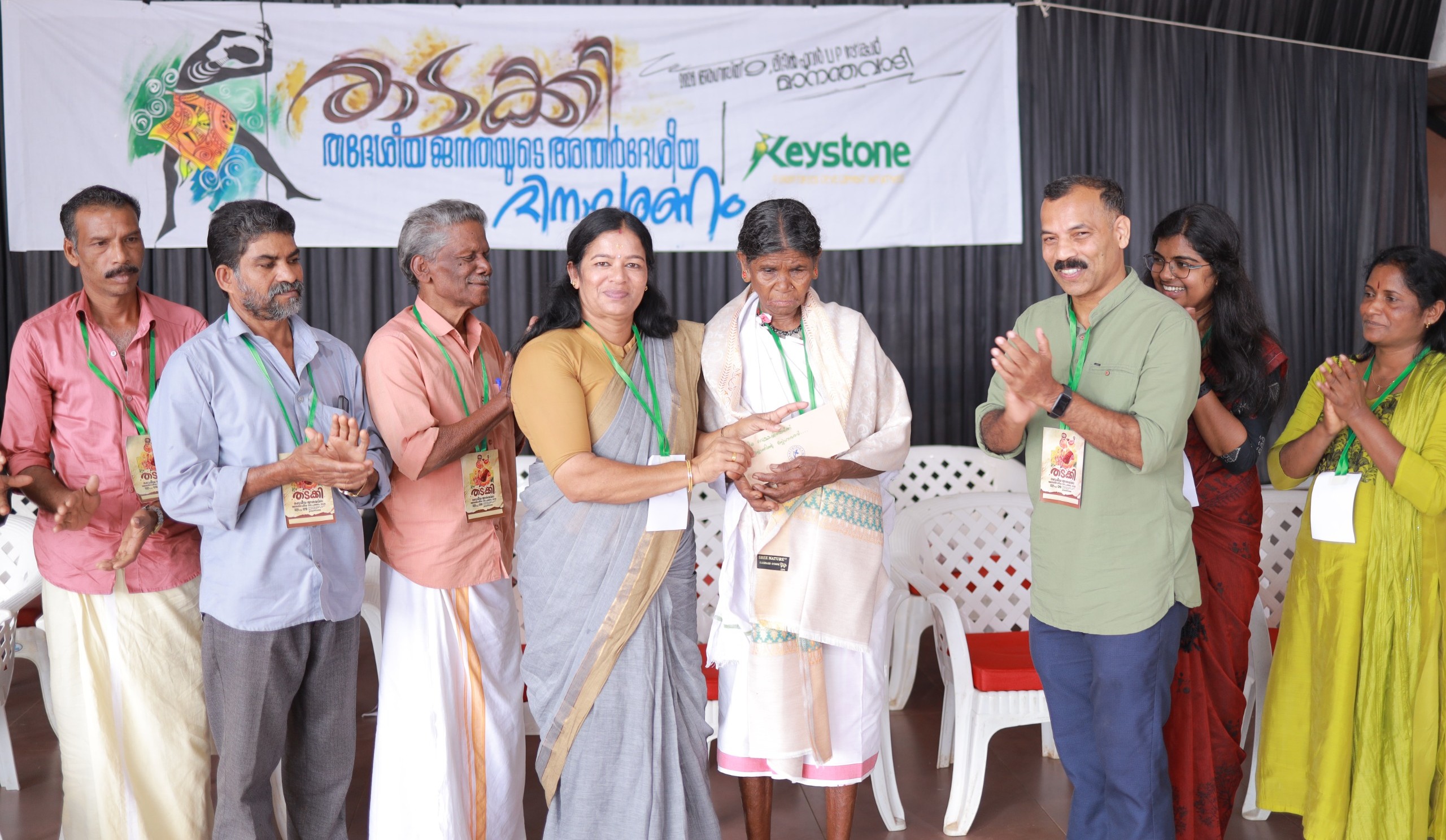
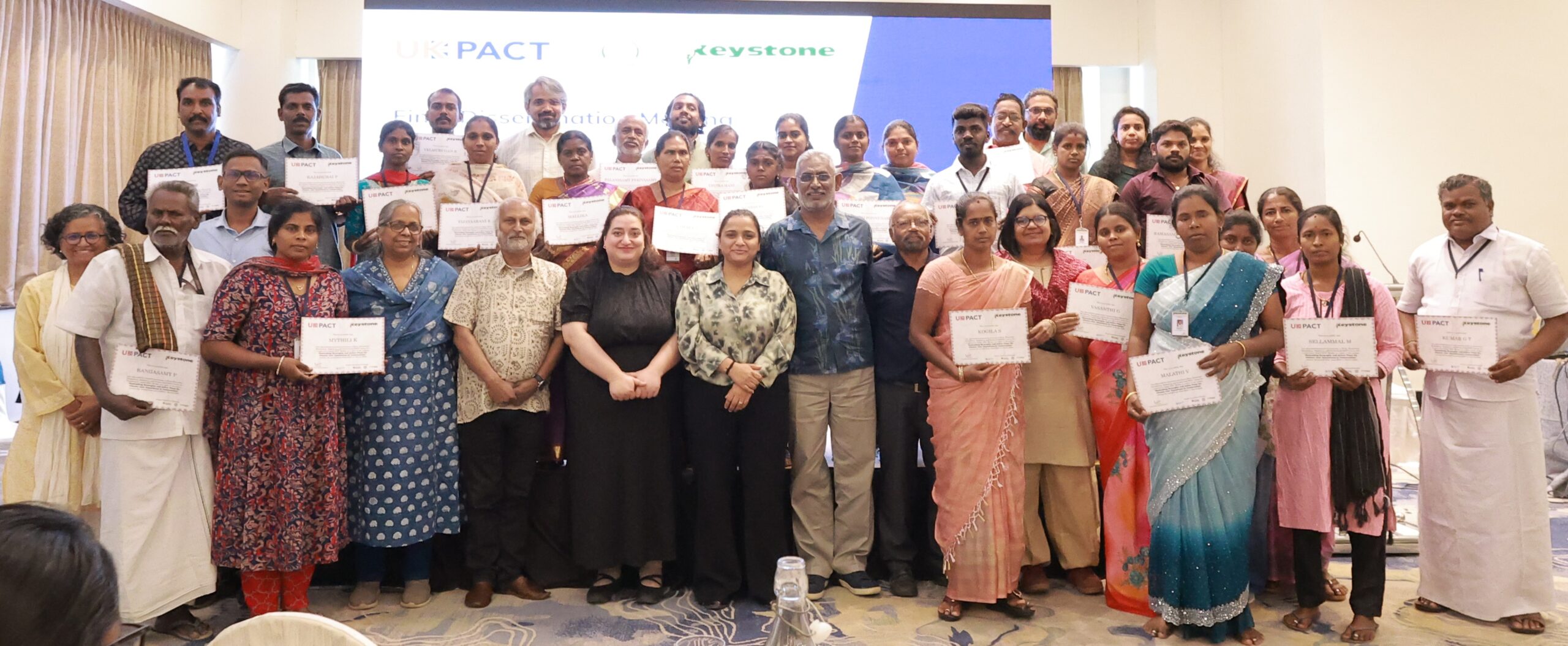
On March 19, 2026, the Keystone Foundation held a dissemination meeting in Coimbatore presenting results from the UK PACT funded project.The project titled Embedding Strategies and Action Plans for Climate Just Transitions in Communities was presented to stakeholders and participants during session.The session opened with a welcome address by Ms. Tabinda Bashir of FCDO, India, followed by opening remarks from Mr Pratim Roy.He highlighted the collaborative nature of the project and its successful implementation across three ecosystems involving multiple partners and stakeholders effectively.
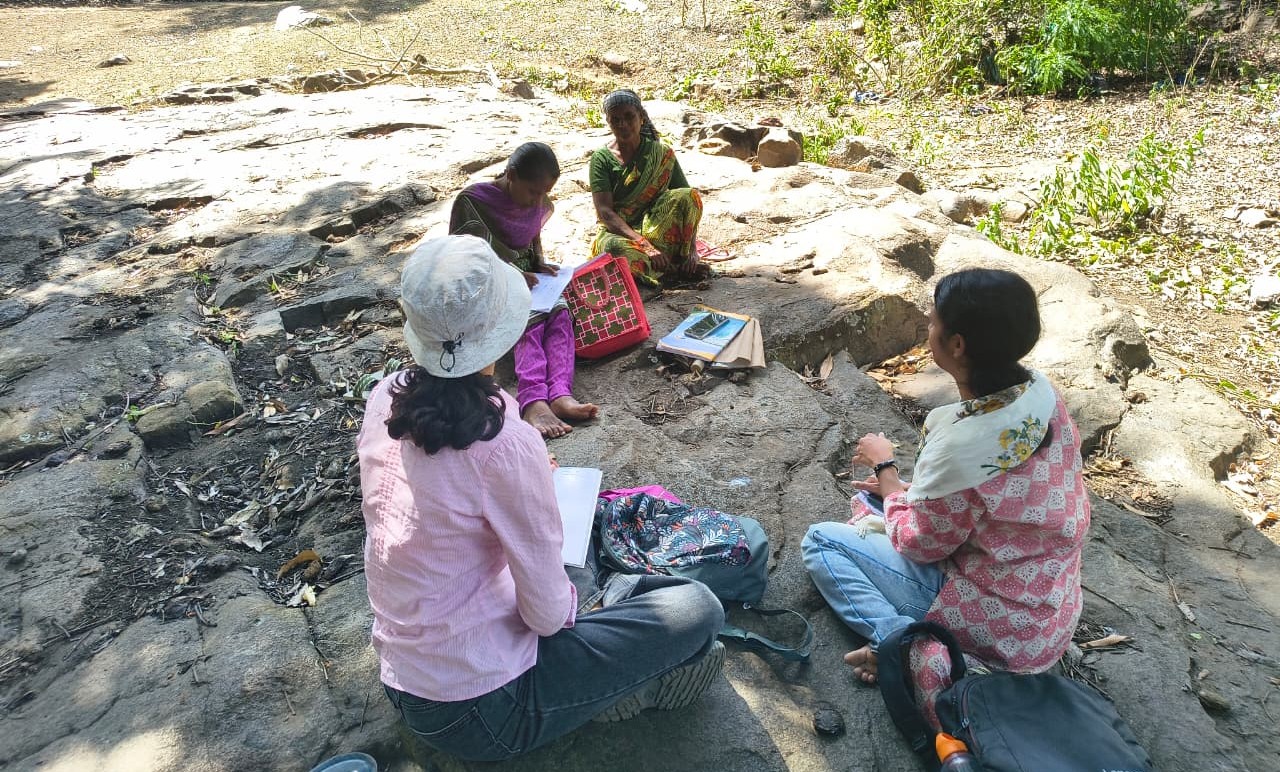
Since 2023, Keystone Foundation has been working with rural communities who rely on fishing, agriculture. Keystone Foundation is collaborating with these communities to develop ecological monitoring processes. The primary output of the project is CbMRV toolkit.
Community-Led Approaches to Ecological Monitoring:
Instead of only relying on outside experts, this project gives local communities a toolkit that includes process manuals, training modules, monitoring protocols and digital apps they need to collect and manage their own ecological data.
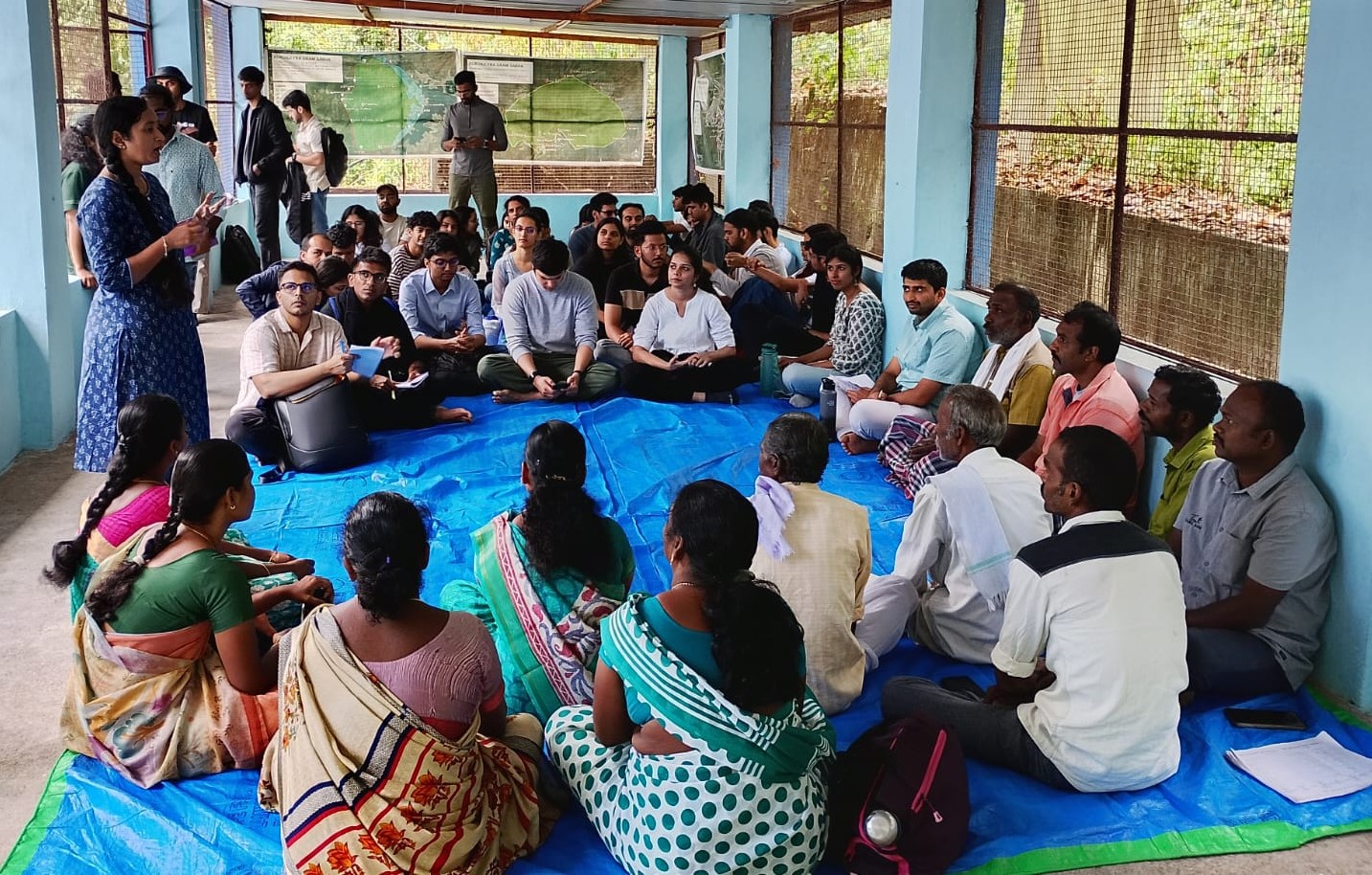
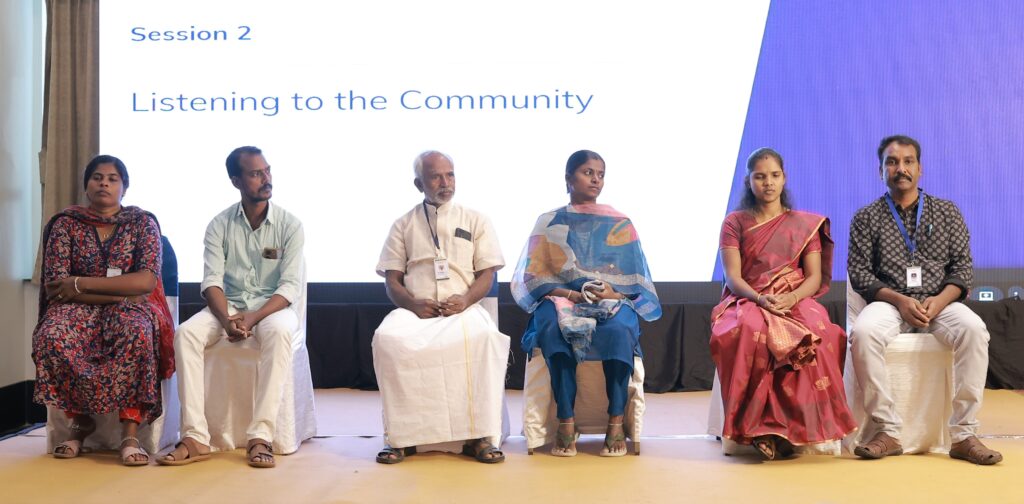
Usually, environmental data comes from the government or big universities. But the communities living in rural areas, susceptible to changes in natural patterns upon which their livelihoods depend, see the changes first. The highlight of the meeting was Session 2, where Key Community Stakeholders (KCS) delivered site-specific presentations, demonstrating that the CbMRV toolkit is not just a theoretical framework but a survival strategy.
- Forest Ecosystems (Aracode): Mr. Vellai and Mrs. Chitra addressed the alarming decline of the Non-Timber Forest Product (NTFP) economy and the resulting local migration. They demonstrated how the CbMRV toolkit could support them to exercise their Community Forest Rights and manage the resources that anchor their village’s economy.
- Agro-ecological Plains (Vellode): Focusing on the crisis of rainfall variability and soil degradation, Mr. Palanisamy and Ms. Gomathi showed how they use the toolkit to track soil health and fertilizer overuse. They emphasized that their data has the potential to optimize water efficiency and reduce the chemical burden on their land.
- Coastal Systems (Killai): Mr. Velmurugan and Mrs. Mythily discussed the rising threats of salinity fluctuations and fish diseases. They highlighted the toolkit’s utility in monitoring water quality parameters and regulating mangrove fisheries to combat unsustainable fishing practices.
Balancing Local Accuracy with the Need for Structure and Scalability:
One question we are frequently asked is: “Is data collected by rural communities reliable?” The answer is yes.
During the meeting, the community members explained that they compared their soil tests with professional labs. The results were the same.
As the project matures, it faces constructive scrutiny from technical leaders. Dr Nambi Appadurai of WRI India highlighted the need to clearly define scope and boundaries of the expanding CbMRV approach. To ensure feasibility of larger datasets, adequate allocation of funding and resources, and proper handling of all involved personnel overall. Dr Suma from Hume Centre expressed interest in understanding social structure of roles and responsibilities implementing the CbMRV model locally. She raised questions about how parameters operating at different scales have been integrated and challenges interpreting such village level data.
The project is moving into a new phase. The goal now is to:
- Scale toolkit implementation to finalise baseline assessments across all three ecosystems.
- Integrate longitudinal datasets into local and government decision-making to ensure that local climate policy reflects verified, long-term ecological trends.
- Operationalize benefit sharing frameworks that channel global capital to local stewards maintaining ecosystems.
The meeting’s core takeaway was that to move from survival to resilience, we must bridge the gap between grassroot expertise and global resources, ensuring that frontline communities aren’t just consulted, but are the primary architects of funded climate strategies.