Ayoob A, Aneesh, Sunil Kumar, Community Wellbeing
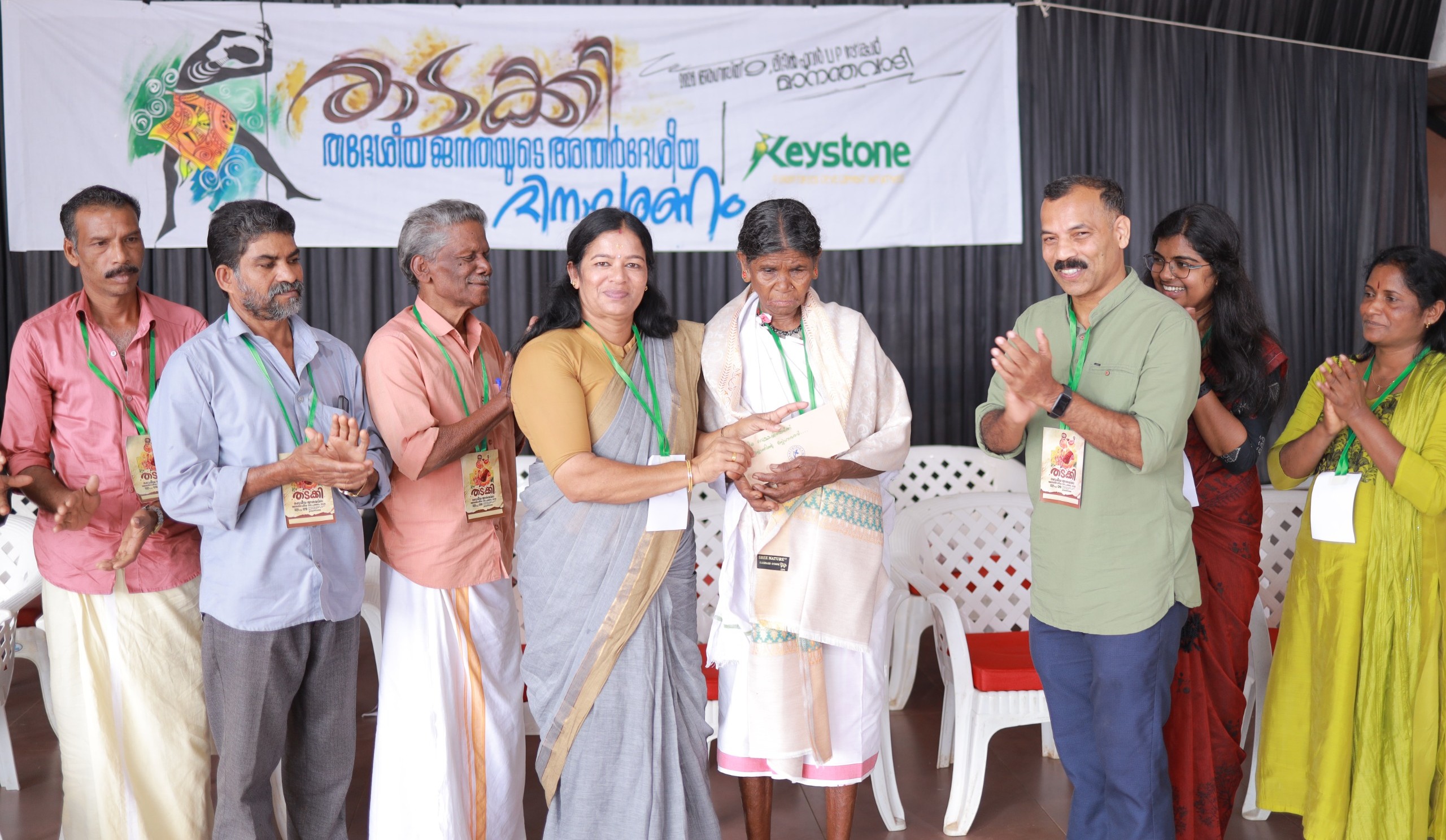
A convergence meeting of Oorukoottam committees was organised under the joint initiative of the Keystone Foundation, the Karulai Grama Panchayat, and the Thoduve Community Foundation At Malappuram district. The programme aimed to create a common platform for interaction, learning, and collective reflection among tribal community institutions that are at different stages of implementing Community Forest Rights (CFR).
Strengthening Community Forest Rights Through Collective Action:
The meeting brought together the Oorukoottam committees of Mundakkadavu, Nedungkayam, and other areas that have already received CFR titles, along with the Oorukoottam committees from Pothukallu Panchayat that have submitted applications and are in the process of securing their rights.
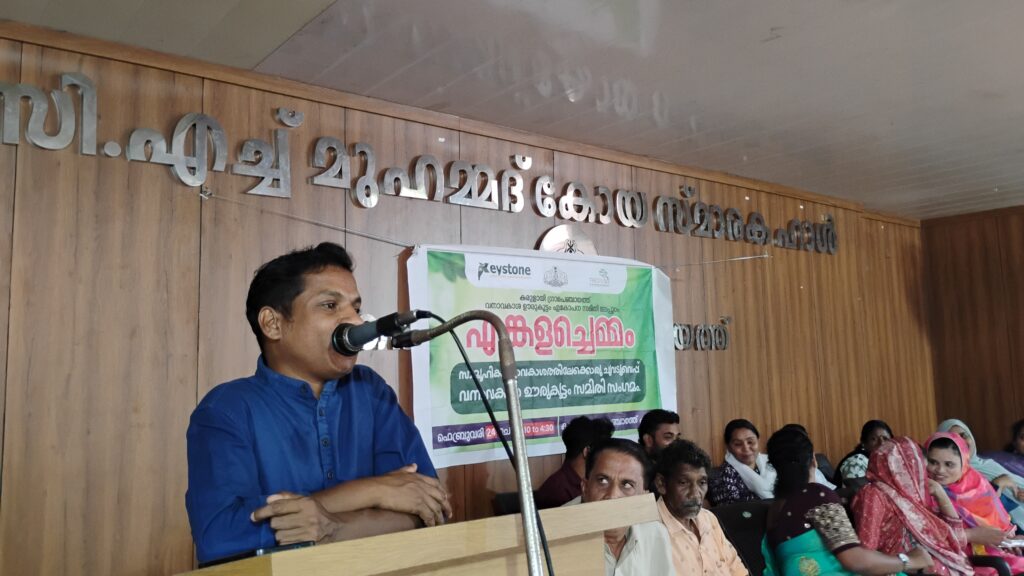
The event was inaugurated by Karulai Grama Panchayat President, K.P. Sheeja, who highlighted the importance of empowering local communities through the effective implementation of forest rights. She emphasized that Community Forest Rights not only strengthen the livelihood security of tribal communities but also ensure sustainable management and conservation of forest resources.
Vice President E.K. Usman presided over the function and stressed continued coordination between local self-governments and community institutions for long-term benefits.Panchayat Secretary K.M. Mohammed Shafi delivered the keynote on legal frameworks and administrative support for effective grassroots forest rights implementation.
Technical Sessions on Community Forest Rights Management:
Sunil Kumar and I led technical sessions focusing on the theme “Management of Community Forest Rights.”
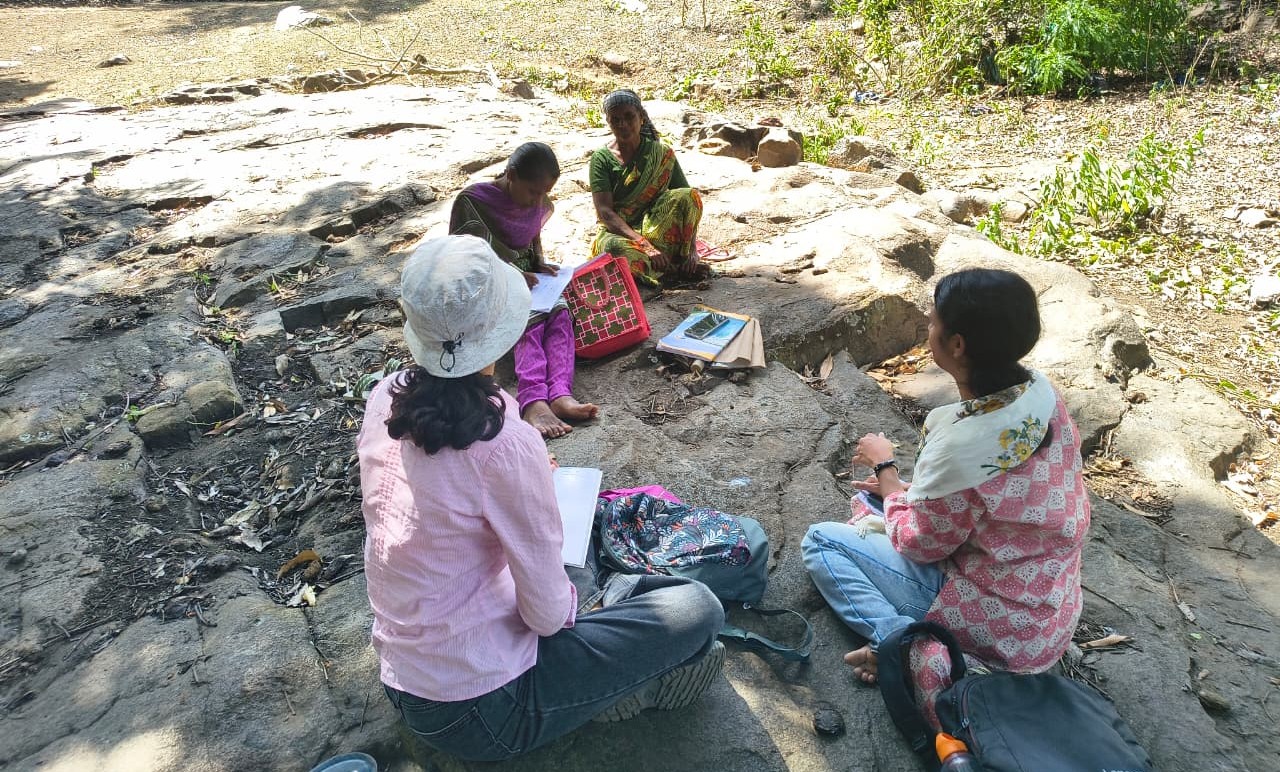
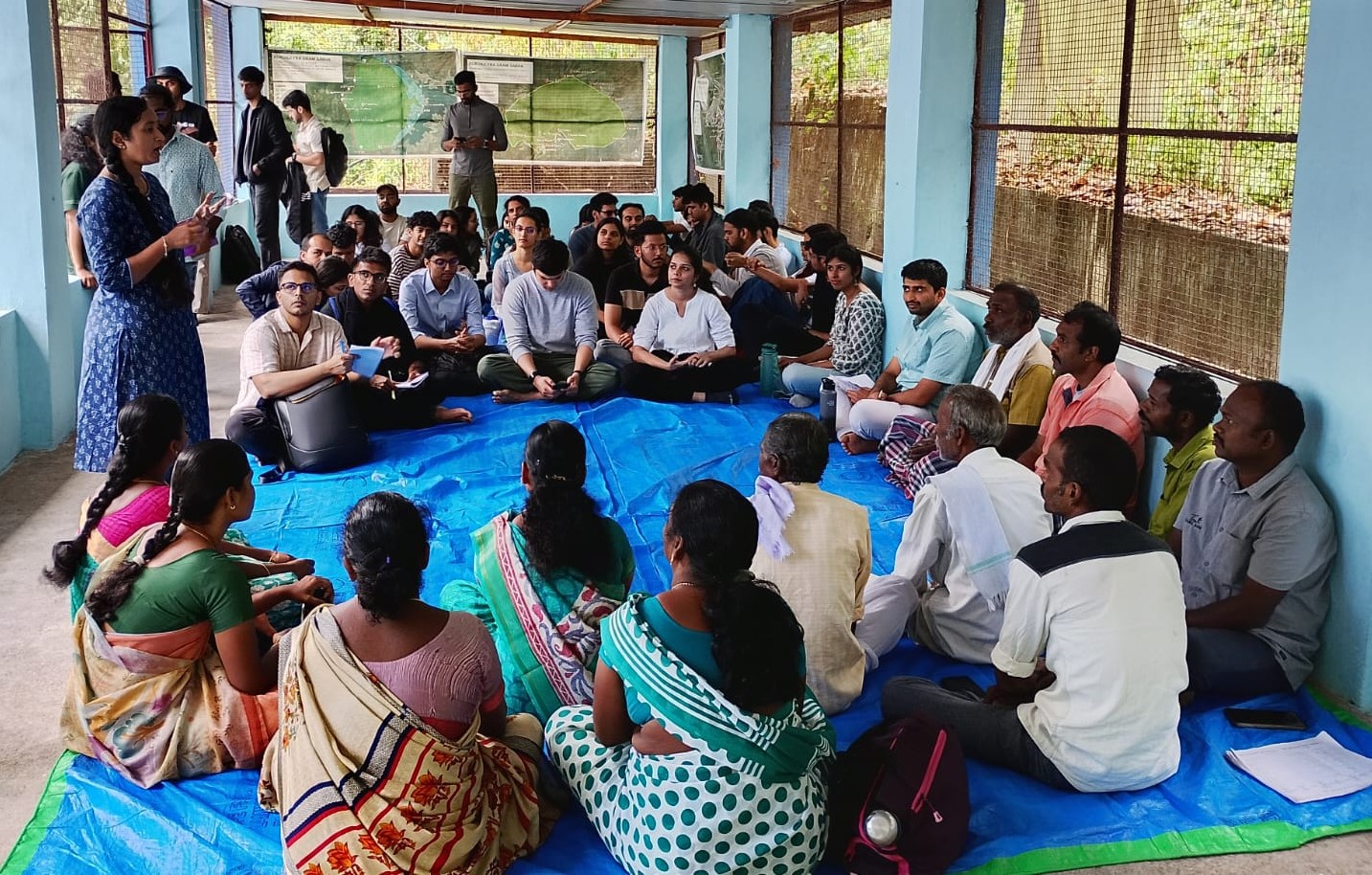
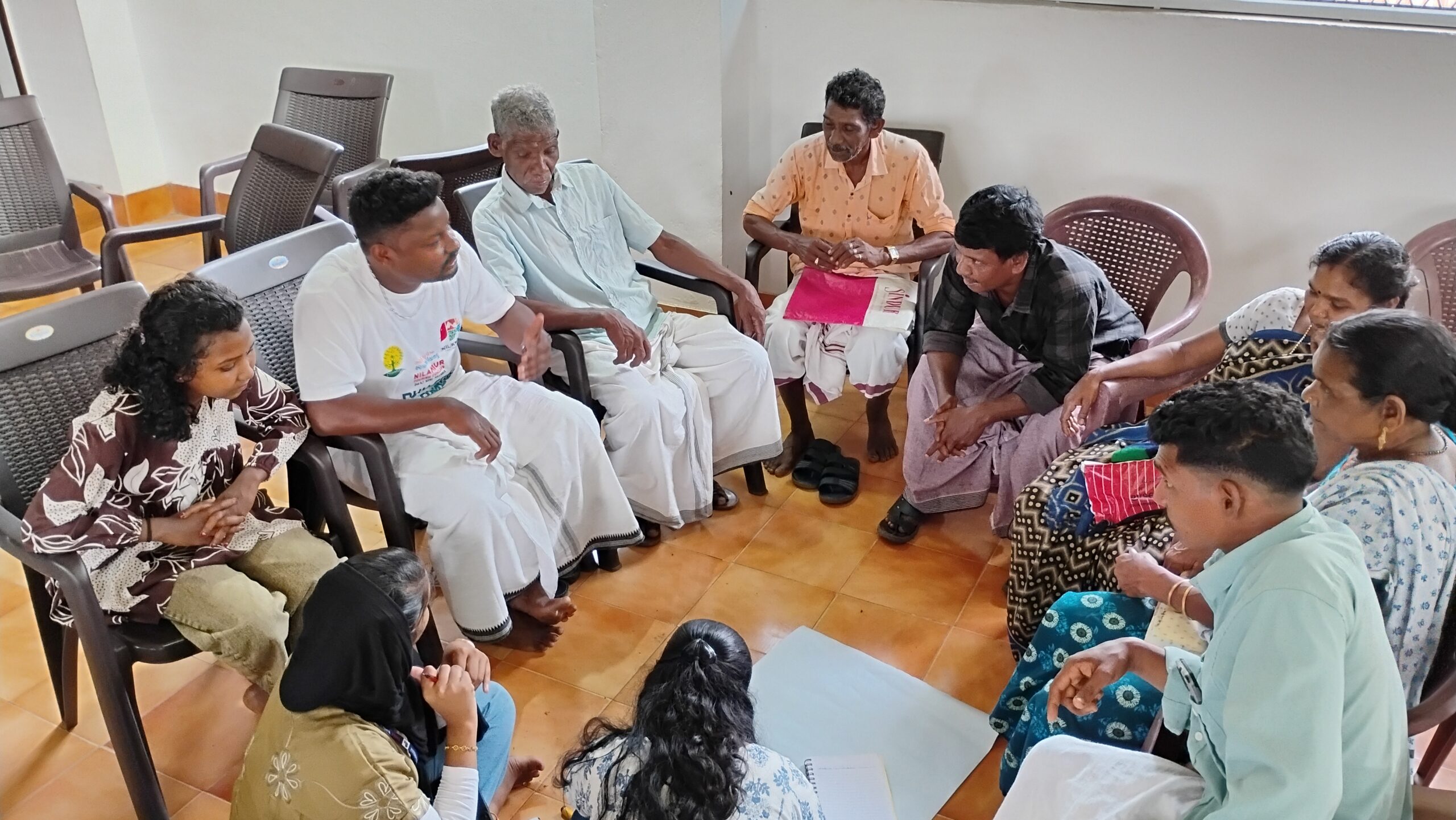
We covered practical aspects including community-based forest governance, management plan preparation, sustainable harvesting, biodiversity conservation, and Oorukoottam roles in protection.Facilitators from various regions also shared their experiences, highlighting best practices and common challenges faced during the implementation process.We conducted a participatory exercise where each Oorukoottam divided into smaller groups and answered five questions on forest rights. They documented discussions and presented findings on understanding the Forest Rights Act and its impacts within their communities.
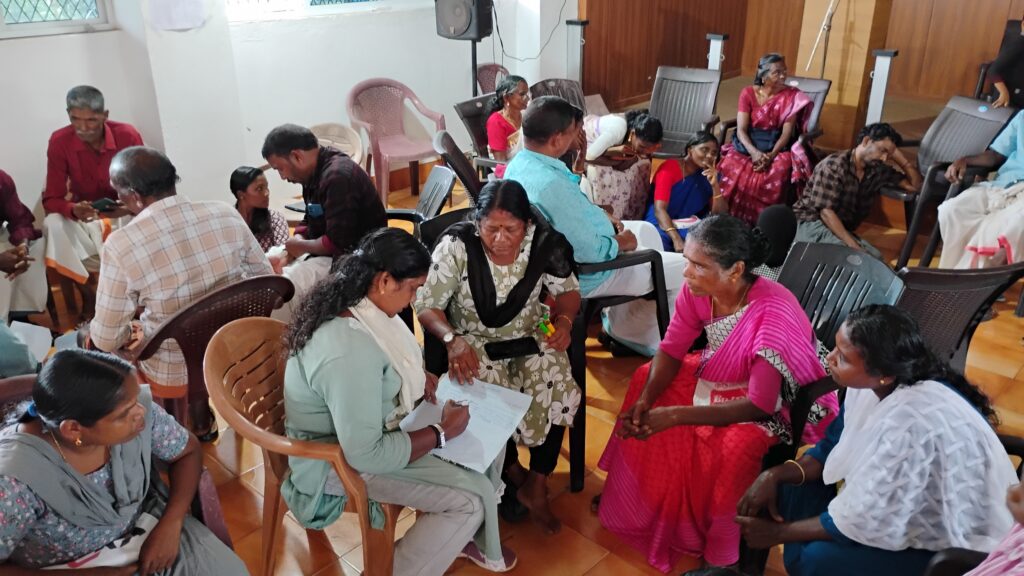
Photo credit: Ayoob A
Community Reflections, Outcomes, and Future Aspirations:
The groups shared that recognizing forest rights improved access to resources, enhanced community confidence, and strengthened collective decision-making processes. Many highlighted positive developments such as better forest protection, reduced external exploitation, revival of traditional practices, and improved livelihood opportunities. They also discussed concerns and challenges, including coordination issues, capacity building needs, and the requirement for continuous institutional support.
The exercise also encouraged participants to think about the future and articulate their expectations from the implementation of forest rights. They expressed hopes for improved livelihoods, stronger community institutions, better conservation outcomes, and increased recognition of their traditional knowledge systems. The participatory approach ensured that voices from all sections of the community, including women and youth, were heard and documented.
The programme concluded with a reflection session, where participants appreciated coming together to share experiences and learn from one another. The convergence meeting fostered unity and collective responsibility among Oorukoottam committees and reinforced collaboration between communities, local governments, and supporting organizations.