Jyoti patale, Biodiversity Conservation
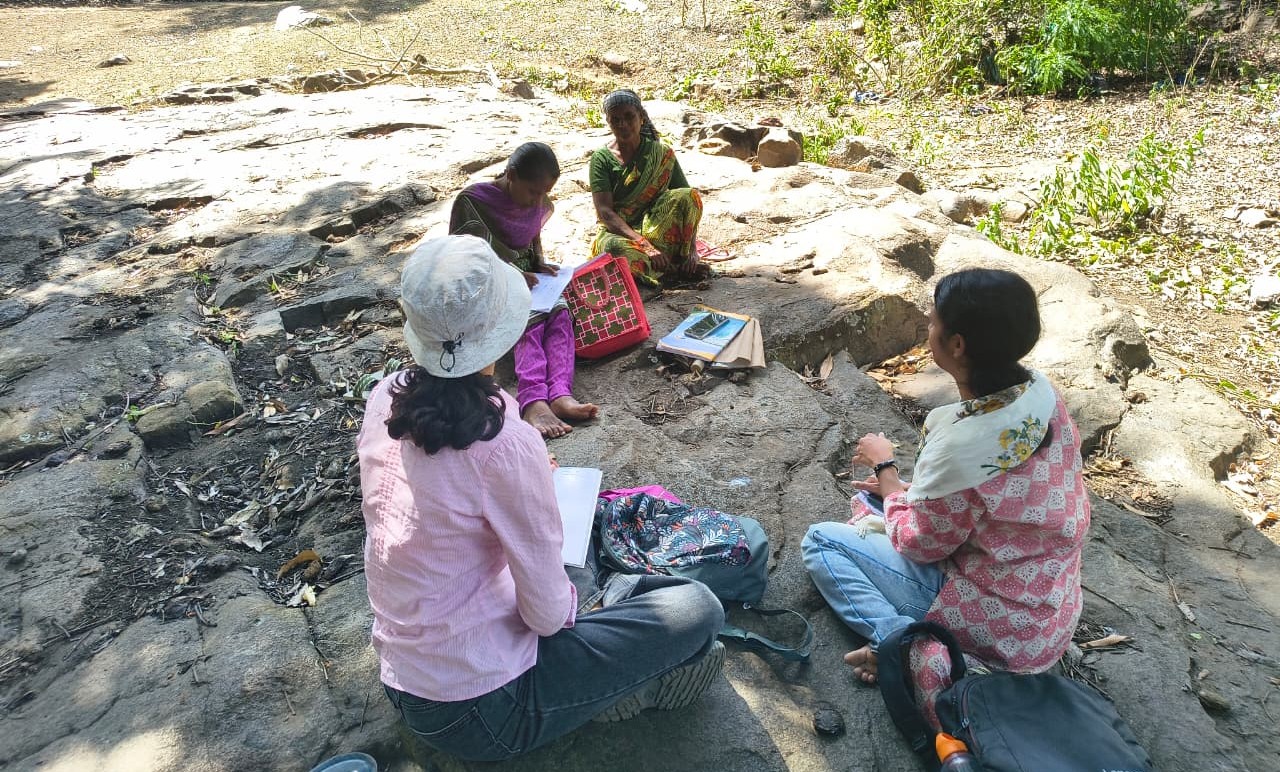
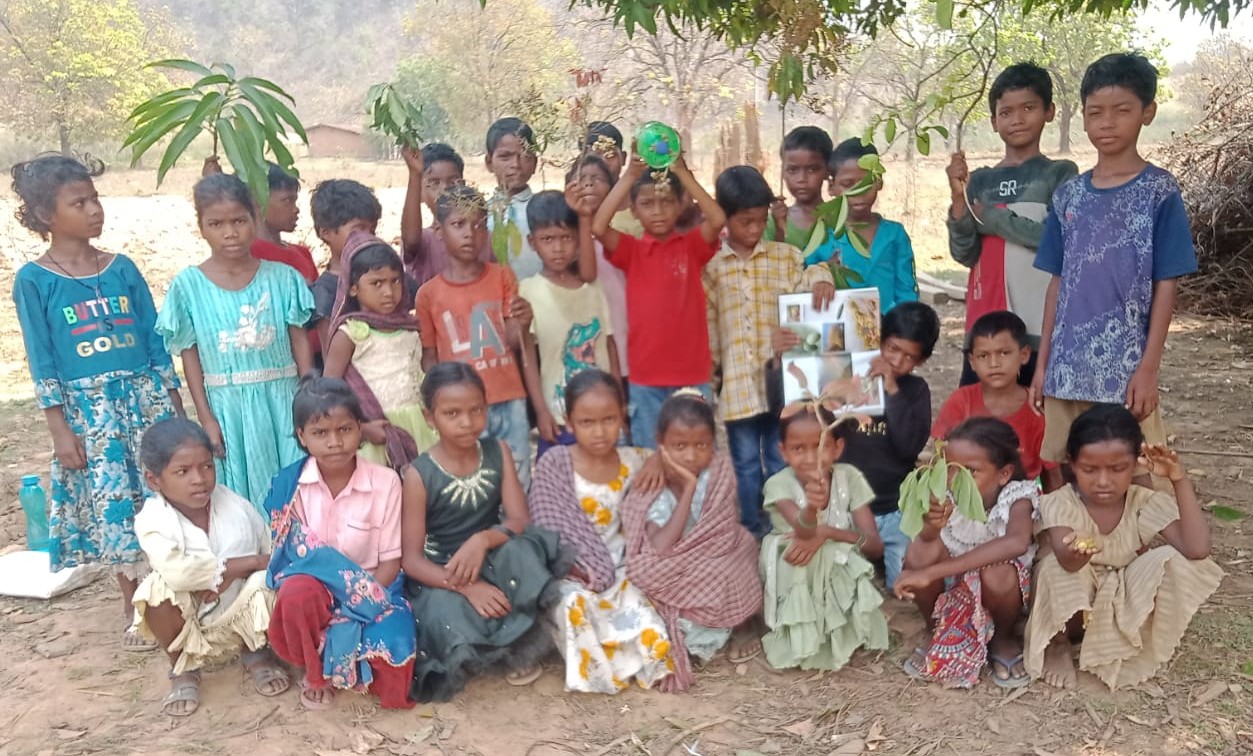
Sunita Hembrom, a Community Resource Person for the forest education program, is conducting Nature-Culture-Based activities with children living in villages around the Saranda Forest, well-known Sal (Shorea robusta) forest in West Singhbhum district of Jharkhand. For the last two years, forest education sessions have been carried out in eight schools located near the forest. Sunita, who belongs to the Santhal community, engages children in learning about biodiversity, uncultivated food, and traditional knowledge of the community about the forest.
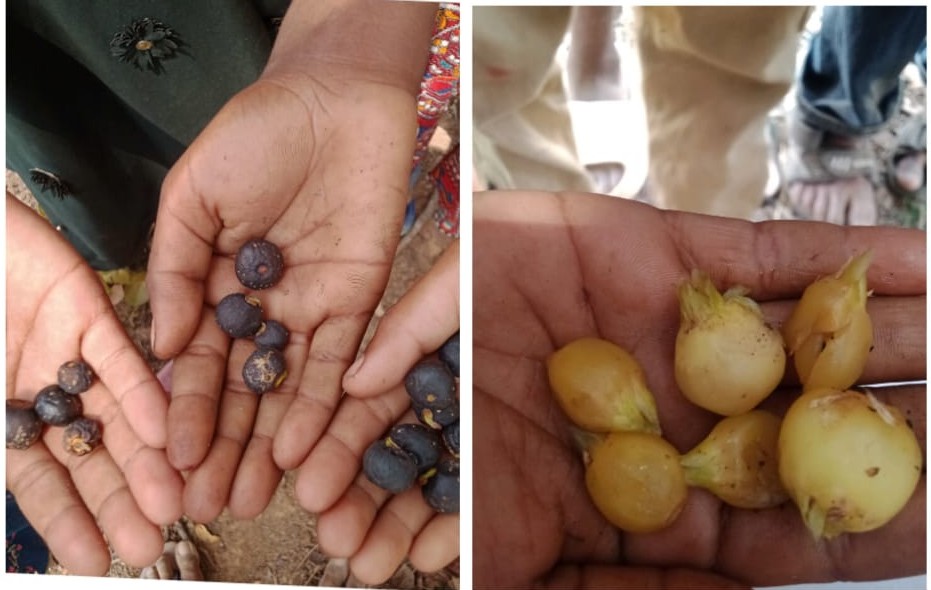
The forest education initiative uses diverse pedagogical methods to conduct its sessions. These methods include nature-based activities, forest trails, and explorations of children’s literature books. The programme also includes a village elder initiative bridging traditional knowledge gaps between generations. Elders know traditional knowledge about forests, uncultivated foods, and local biodiversity. They are the facilitator for this program and lead nature trails with these children, exploring the forest through their knowledge. Children aged 6 to 13 years participate in these sessions.
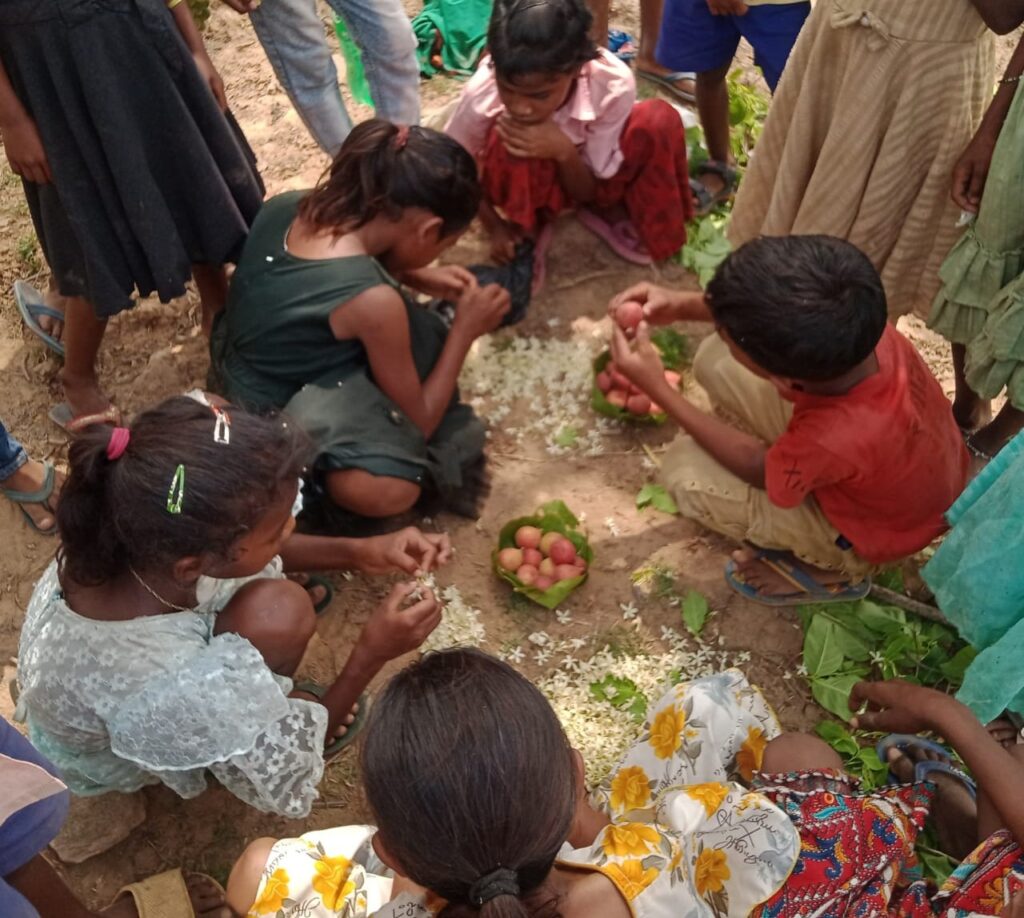
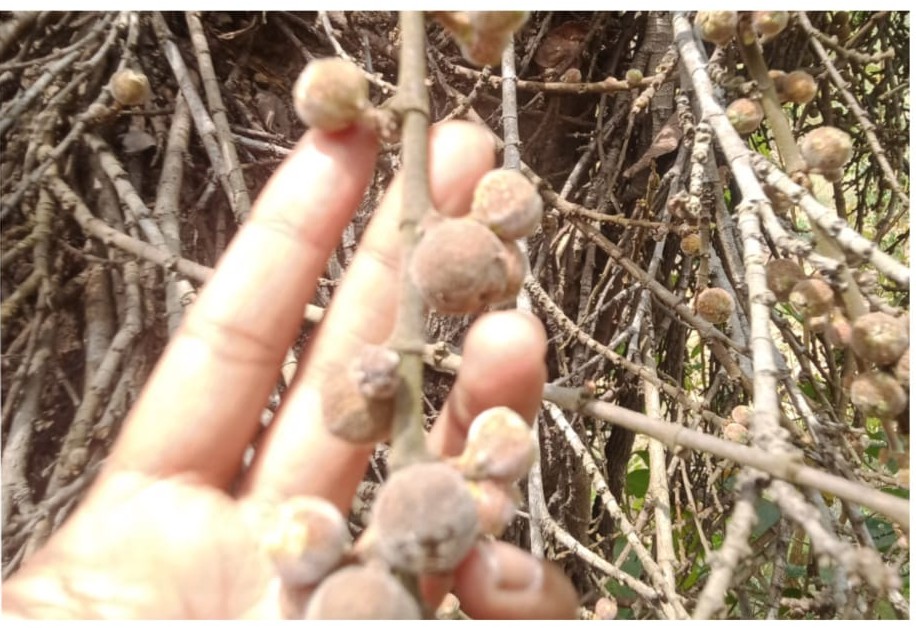
One activity conducted by Sunita was a Season Watch trail on seasonal forest changes. The trail helped children document new leaves, flowers, and fruits in the forest. A total of 26 children participated in the trail activity. Children used a Central India jungle tree guide and Nature Classrooms educational posters during the session.They explored different tree species found in their local area.They matched fruits and leaves with images shown in the guidebook. Also documented tree names in their local language. Participants observed about 13 different tree species during the session. They discussed everyday uses of tree parts and the forest’s ecological importance.