Shiny Mariam Rehel, Biodiversity Conservation
World Bee Day is celebrated annually on 20 May and was officially proclaimed by the United Nations following a proposal by Slovenia and the Food and Agriculture Organisation (FAO). The date marks the birth anniversary of Anton Janša, an 18th-century Slovenian pioneer of modern beekeeping.
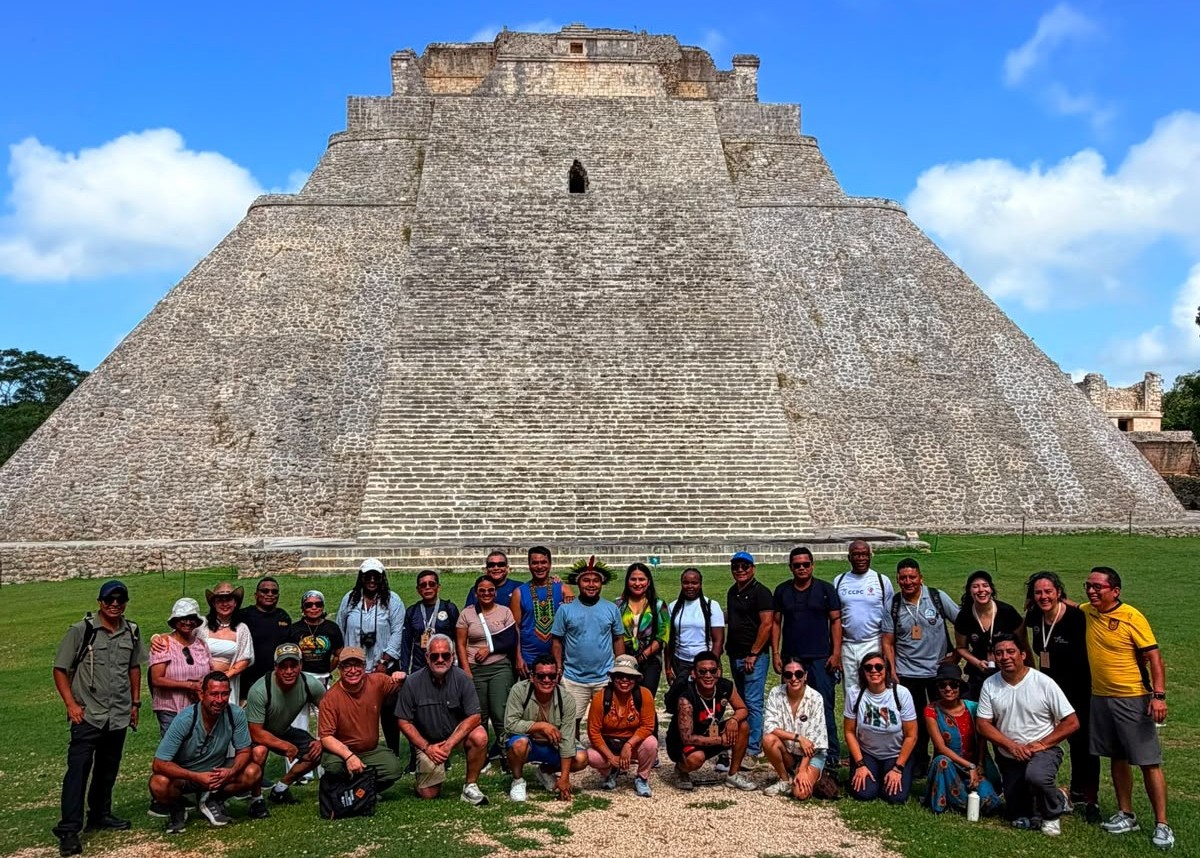
To commemorate World Bee Day 2026, FAO and the Republic of Slovenia jointly organised the Third International Forum. The Forum on Sustainable Beekeeping and Pollination took place in Maribor, Slovenia, on 20–21 May 2026. The forum focused on the theme, ‘Science, Innovation and Policy Actions for a More Sustainable Future.
The Ministry of Agriculture, Forestry and Food of Slovenia organised the event with FAO and partner. Ministry of Foreign and European Affairs and Apimondia also supported the event.
The day emphasizes the critical role bees play in biodiversity, agricultural sustainability, and global food security. Notably, Slovenia, known for its deep-rooted apiculture heritage, frequently hosts major international forums in partnership with FAO. These include the International Forum for Action on Sustainable Beekeeping and Pollination.
The Forum 2026 provided a platform for dialogue among policymakers, researchers, beekeepers, farmers’ organizations, civil society, and private-sector representatives. Discussions focused on strengthening the science–policy interface, scaling pollinator-friendly agriculture, enhancing international cooperation, and addressing honey quality challenges.
The technical programme focused on four themes: linking science, agriculture, and biodiversity; advancing a Global Pollinator Platform. It also emphasized scaling pollinator-friendly crop production practices and addressing emerging challenges in honey quality and trade. Across these themes, participants emphasized science-based policy, international cooperation, sustainable beekeeping, and agroecological approaches. They also called for stronger action to address the growing threats facing pollinators worldwide.
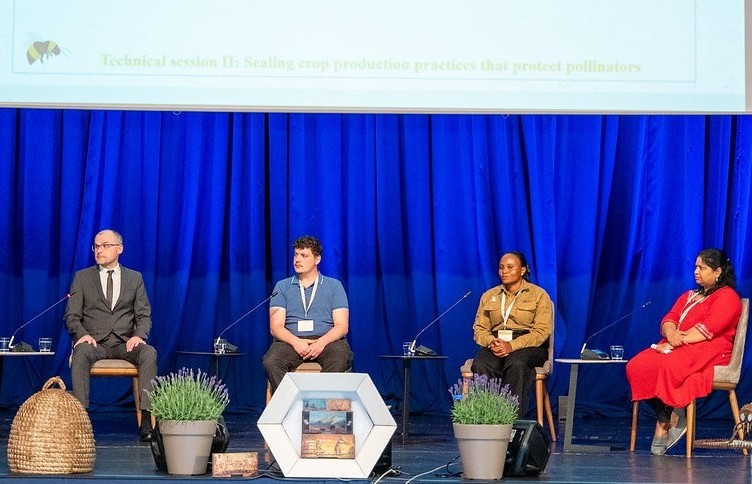
I had the opportunity to represent Keystone Foundation during Technical Session II, Scaling Crop Production Practices that Protect Pollinators, where I shared our work on the vital role of women in beekeeping and pollinator conservation.
Technical Session II: Scaling Crop Production Practices that Protect Pollinators – the action point from the panel discussion is:
Landscape-scale agroecology works: Maintaining natural habitats within farming landscapes improves both pollinator biodiversity and crop productivity. Success depends on combining agroecology with innovation, data, and farmer participation.
Beekeeping supports multiple goals:Integrating beekeeping into forest and land management can restore ecosystems, protect pollinators, and improve rural livelihoods simultaneously.
Indigenous Peoples’ and women’s knowledge is vital: Traditional ecological knowledge plays a critical role in biodiversity conservation and pollinator protection and should be recognized in decision-making processes.
Youth are pushing for stronger action: Young people are advocating ambitious targets to reduce pesticide use, reform agricultural subsidies, and expand pollinator-friendly habitats.
Governance is key: Scaling solutions requires landscape-level planning, supportive policies, secure land rights, long-term research partnerships, reduced pesticide dependence, access to markets and technical support, and inclusive multi-stakeholder engagement.
The key message of the session was that protecting pollinators and ensuring sustainable food production require integrated approaches that combine science, local knowledge, restoration, livelihoods, and inclusive governance.
The other technical sessions were Linking Science, Agriculture and Biodiversity, Towards a Global Pollinator Platform,and Honey Quality and Trade: Challenges on the Rise.