Sriram P, Community Wellbeing
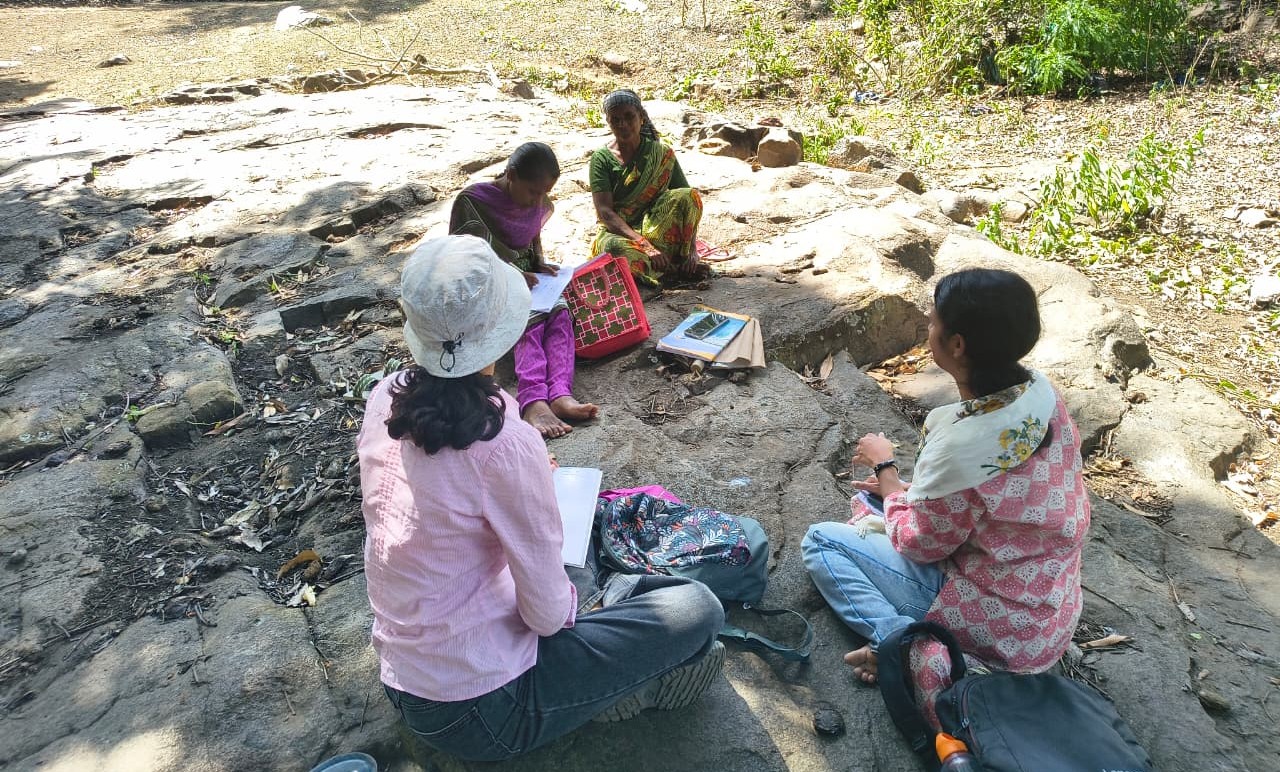
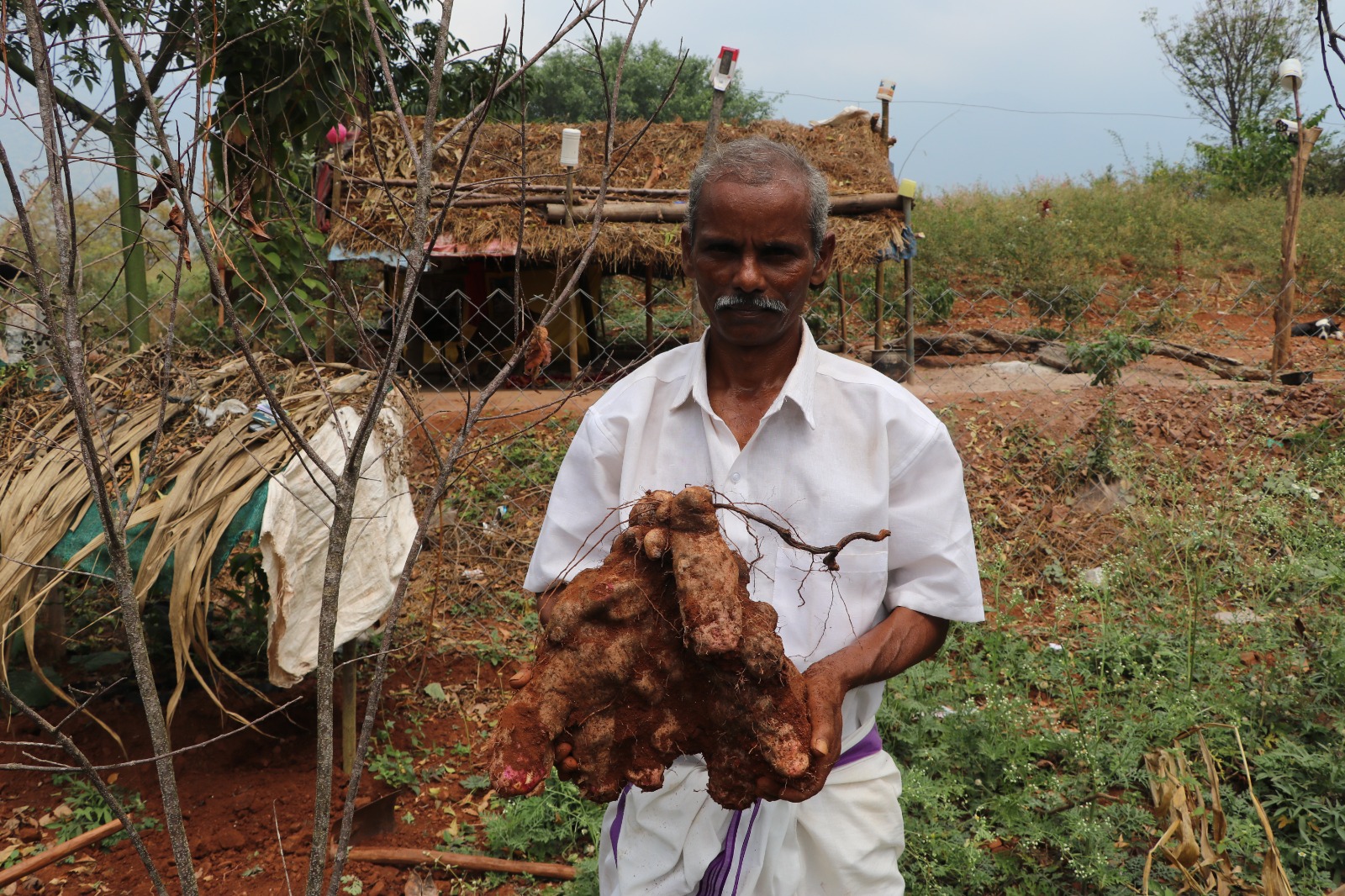
The Tuber Diversity Plot in the Pillur area continues to promote the cultivation and conservation of climate-resilient tuber crops among local farming communities. The initiative currently involves 17 farmers, who are cultivating and conserving 32 tuber varieties, including yam, Colocasia, and elephant foot yam.
Traditionally, the community relied on wild tubers collected from the forest as an important part of their daily diet. These wild tubers were often found deep beneath the soil, making them difficult and time-consuming to harvest. Despite the challenges involved, tubers played a vital role in ensuring food and nutritional security for the community.
Today, farmers cultivate these traditional tuber varieties directly on their own lands through the Tuber Diversity Plot. This has made tubers more readily available to households and encouraged their continued use as a regular part of the community’s diet. Cultivating these climate-resilient crops on farmlands also helps strengthen local food systems and supports farmers in adapting to changing climatic conditions.
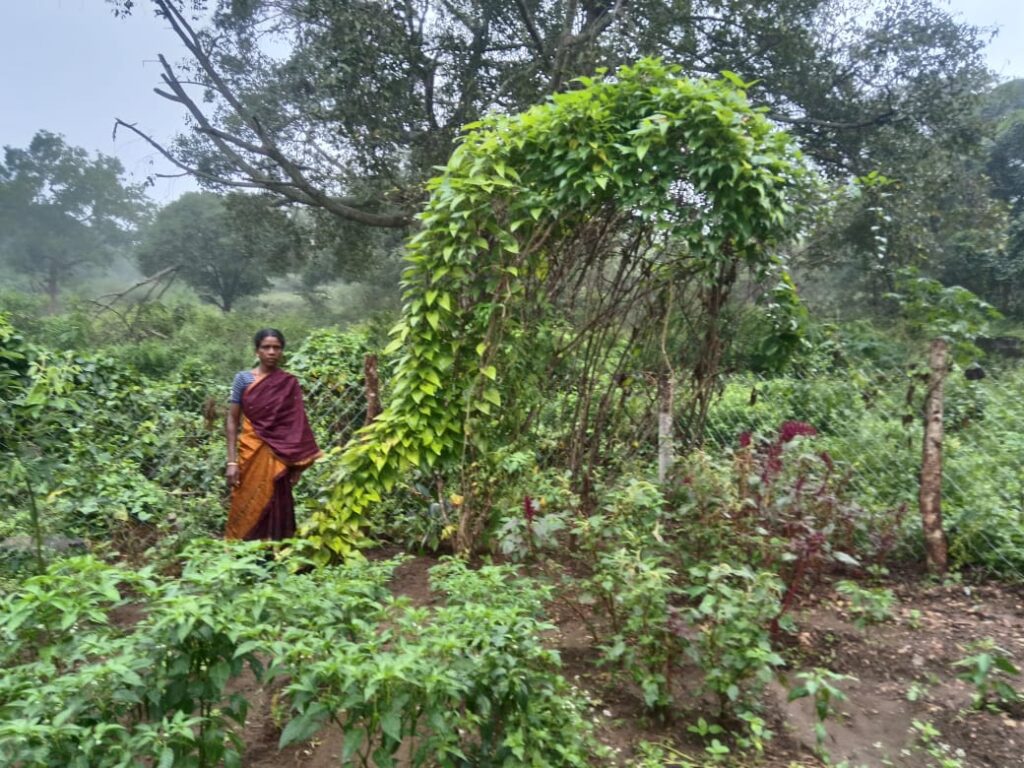
Photo credit: Sriram P
The farmers successfully completed the cultivation cycle by planting, managing, and harvesting the tuber crops. Following the harvest, they selected healthy planting materials and replanted them for the next cropping season, ensuring the continuity of these resilient crop varieties and strengthening sustainable farming practices.
The Chapple Foundation initially supported the initiative, and the Using Diversity Project now continues it. By promoting the cultivation of traditional climate-resilient tubers, the project contributes to long-term food and nutritional security while preserving valuable indigenous crop varieties for future generations.