Cordula Kujur, Community Wellbeing & edited by Reshma Majhi, Biodiversity Conservation
Under the joint initiative of JAWA (Jharkhandi Adivasi Women Association) and Keystone Foundation, a one-day workshop and training on the impact of climate change on traditional agriculture and food was organized at HRDC, Gosner Compound, Ranchi. While welcoming all the participants, Cordula Kujur said that many items have disappeared from our plates today. She questioned why this has happened and whether we have ever tried to understand it. She added that the purpose of the workshop is to reflect on this issue, understand it, and learn ways to bring those traditional foods back to our plates.
Prabhavati Kachhap from Namkum said that times have changed, and we must move along with time. She highlighted that agricultural land is continuously decreasing. The land where people used to grow vegetables and practice farming throughout the year, which provided nutritious food, is now being replaced by large buildings.
She emphasized that whatever land remains should be protected at any cost. People should grow traditional paddies and vegetables and feed their children with these nutritious foods. She also stressed that saving water is very important today because water sources are depleting day by day, and without water, life becomes difficult.
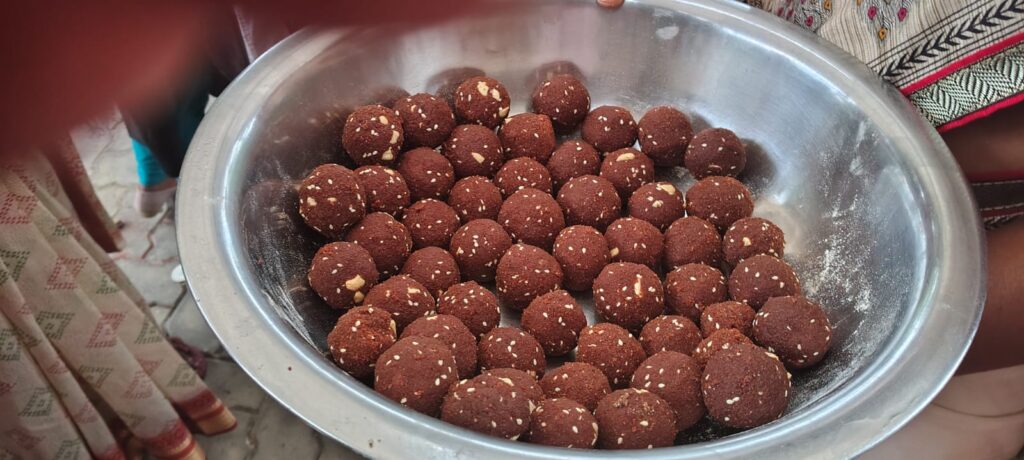
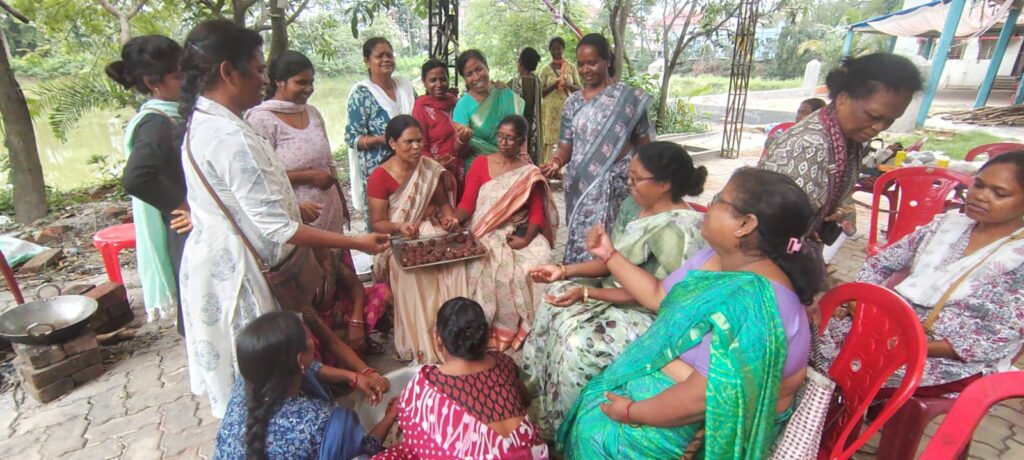
Photo credit: Cordula Kujur
Reviving Traditional Foods for Better Health:
Nirmala Ekka shared that earlier people used to consume millets such as mandua (finger millet), gondli, kodo, and sanwa to satisfy their hunger. There was good production of local paddy varieties like Goda dhan. Farming in upland areas (don cultivation) produced low yields because farmers did not use hybrid seeds at that time.People mainly consume coarse grains, which are rich in iron and other nutrients. This is why people were less prone to diseases in earlier times. Due to climate change, significant changes have occurred in our lives, and its impact is most visible among women and children. Children are becoming malnourished, and women are becoming anemic.
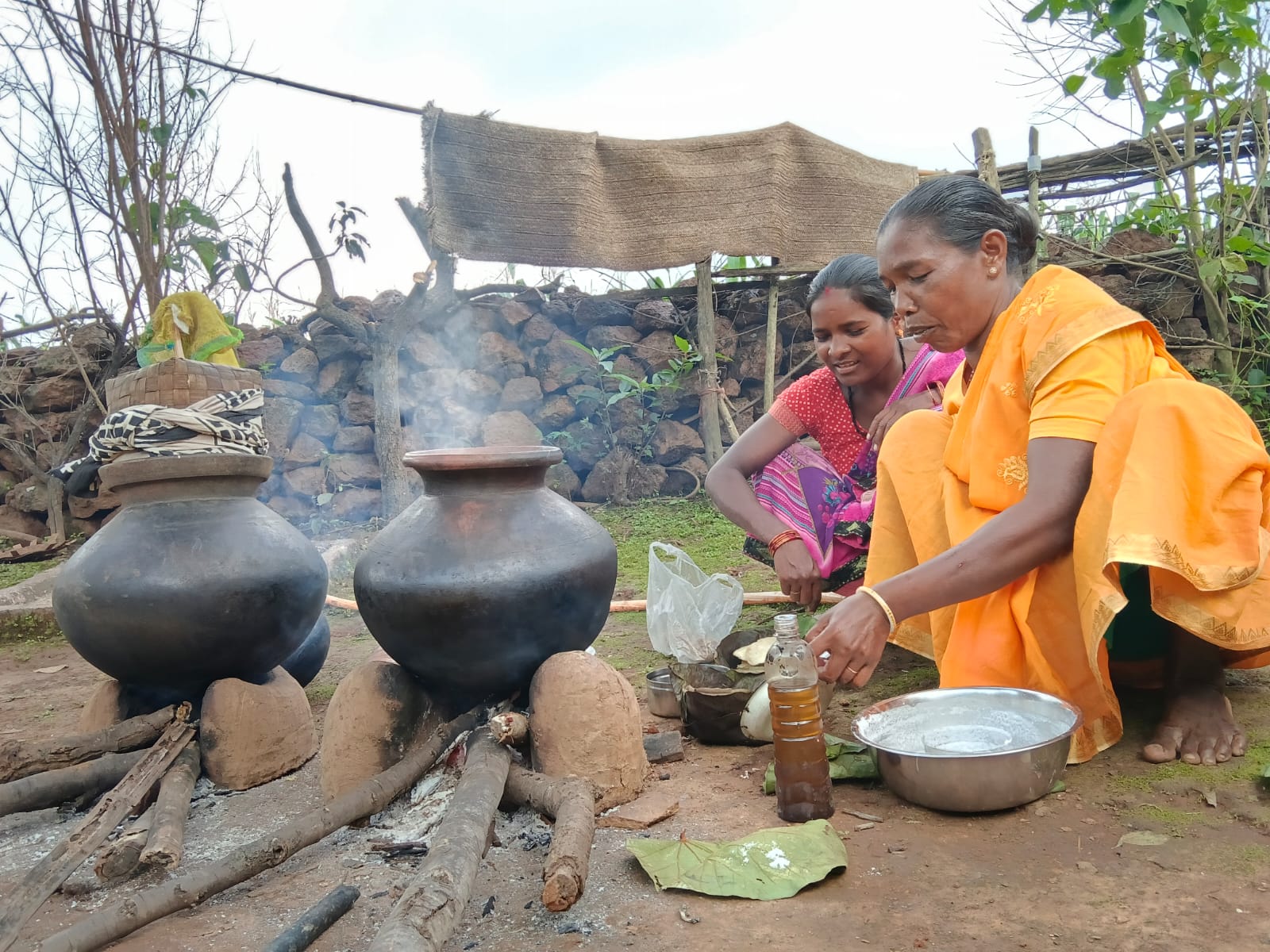
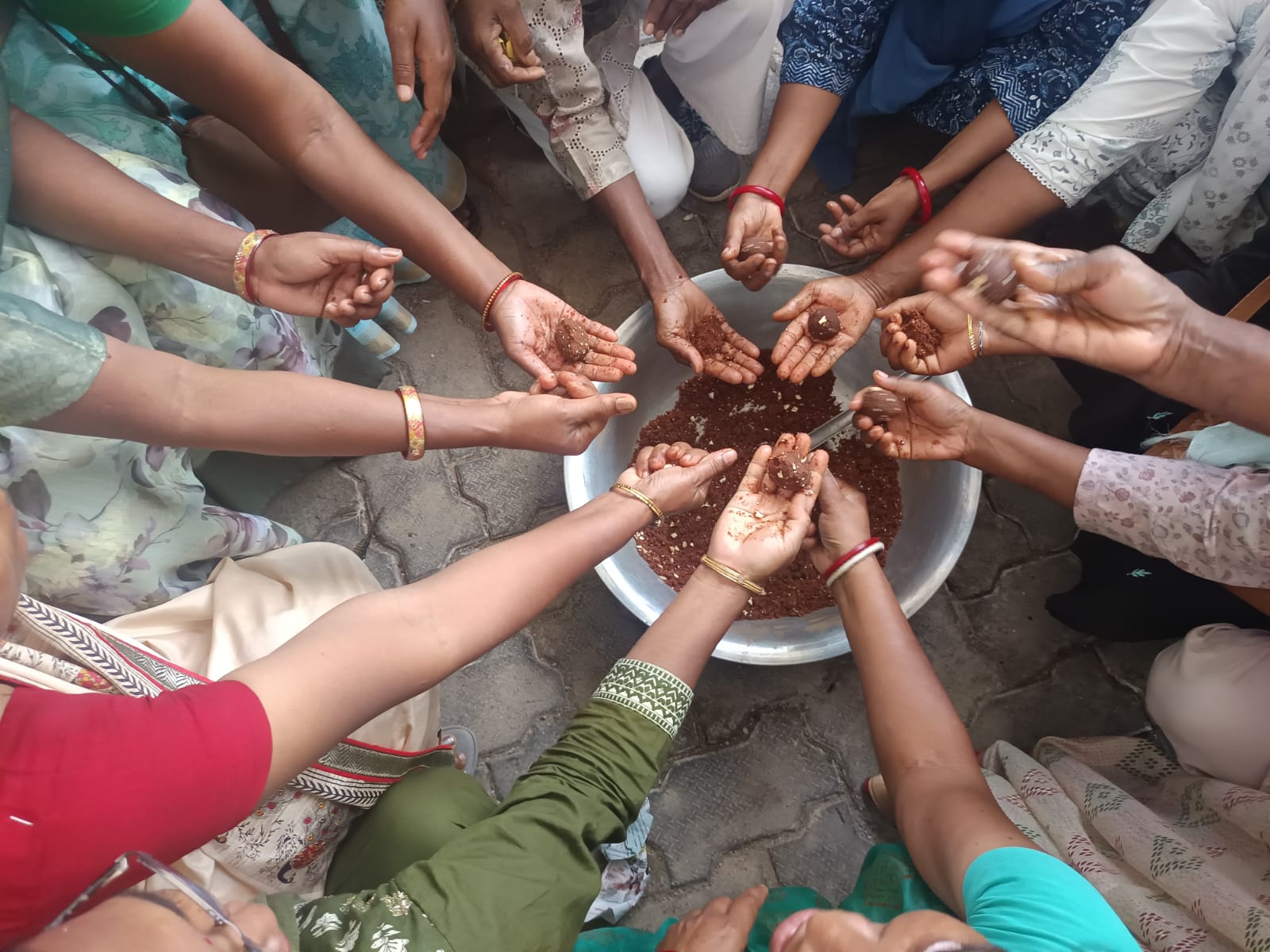
Roja Lia Tirkey taught the women how to prepare laddus using mandua, maize, and mahua, explaining their importance. She said that people often associate mahua negatively with Adivasi communities. However, communities can use it as a source of livelihood and make their villages model examples through its proper use.
After lunch, the women participated in a hands-on training session on preparing laddus from mahua and mandua. The participants expressed that they see this as a livelihood opportunity but need proper guidance to take it forward. Other women also shared their views on climate change, traditional food, and related health issues. Around 37 participants attended the program, including approximately 27 women from Namkum block, Dhurwa, and Ranchi Sadar.