Shiny Mariam Rehel, Biodiversity Conservation
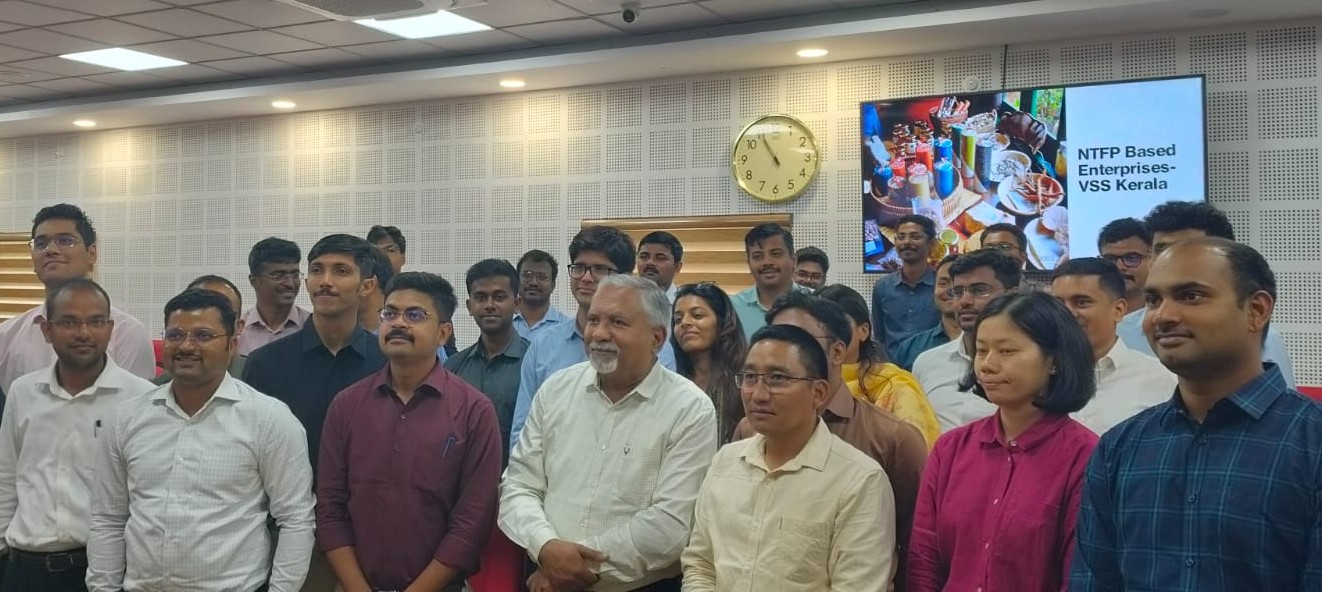
The IFS Probationers Course 2026 at the Indira Gandhi National Forest Academy (IGNFA), Dehradun, included the elective course “Social-Ecological Dimensions of Non-Timber Forest Products (NTFPs). The course covered 15 lecture hours along with practical exercises and group discussions.
The course focused on understanding the ecological, social, and economic dimensions of NTFPs and their importance for livelihoods, cultural identity, biodiversity conservation, and local economies. It aimed to help probationers understand the role of NTFPs in sustainable forest management, community participation, and climate-resilient livelihoods.
The course was designed to achieve the following learning outcomes:
- Understand the ecological basis of NTFP production and regeneration.
- Analyse the dependence of tribal and forest-dependent communities on NTFPs.
- Evaluate governance mechanisms, tenure arrangements, and community rights related to NTFPs.
- Assess sustainability challenges in NTFP harvesting and value chains.
- Develop strategies to enhance conservation-linked livelihoods through NTFPs.
The course combined lectures, case studies, exercises, and group discussions:
Dr. Anita Varghese introduced key concepts related to the social-ecological dimensions of NTFPs. Dr. Shiny Mariam Rehel shared Keystone Foundation’s experience in the Nilgiri Biosphere Reserve, highlighting how conservation, livelihoods, and community enterprises can work together effectively. Adv. Roy Thomas (Retd. IFS) recounted his extensive experience in the Forest Department, where he served in various capacities, and elaborated on his significant contributions to strengthening VSS (Vana Samrikshana Samiti) and advancing eco-tourism across Kerala.
Mr. Jestin Paul, CEO of APPCL, delivered sessions on community enterprises, value addition, and NTFP marketing. He shared practical experiences on establishing, managing, and leading producer-owned enterprises. These enterprises support Indigenous livelihoods and sustainable natural resource management.
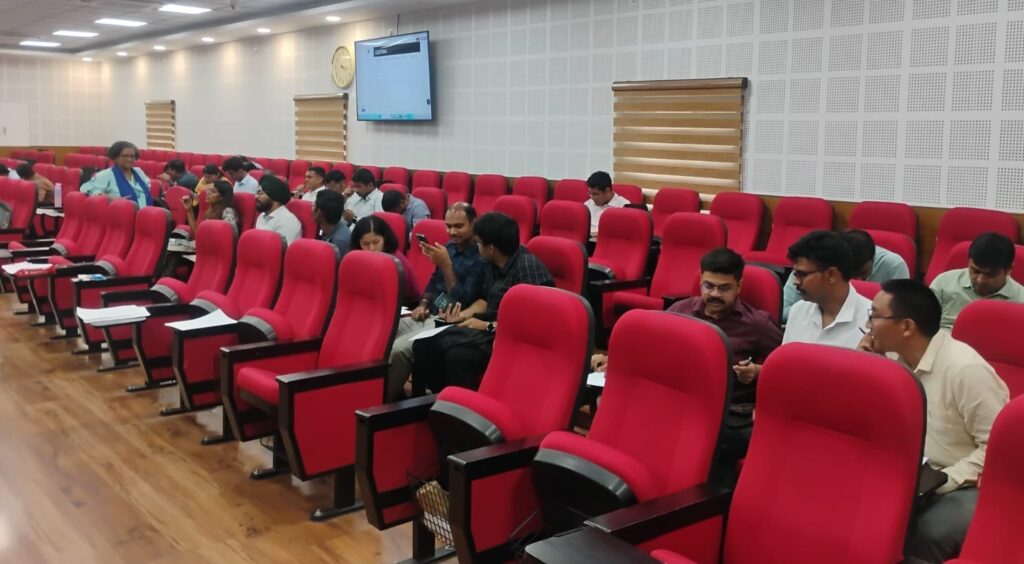
The facilitators divided the trainees into six groups. The groups were Amla (Emblica officinalis), Sal (Shorea robusta), and Wild Honey (Apis species). The remaining groups were Mahua (Madhuca longifolia), Kalmegh (Andrographis paniculata), and Reetha (Sapindus emarginatus).
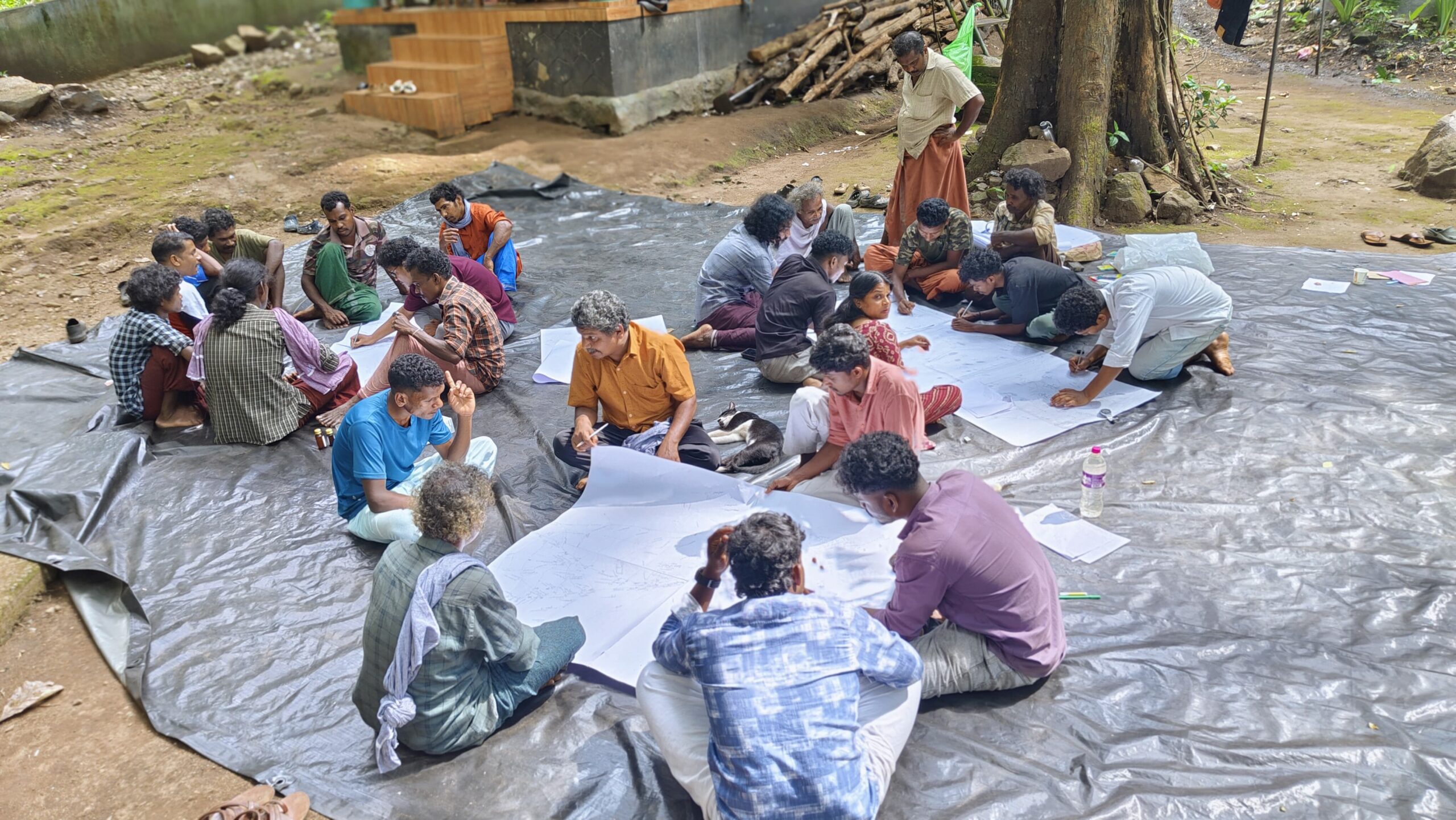
The trainees then completed exercises related to the topics covered. The assignment was to develop the Social-Ecological Dimensions of Non-Timber Forest Products assigned to each of the groups. This was presented by the group as part of the training session.