Monisha Ravi, Community Wellbeing
Access to nutritious food is fundamental to the health and well-being of every community. For Indigenous communities, traditional food systems have long provided diverse, nutritious, and locally adapted diets. However, changing food habits, the impact of climate change, reduced access to forests, and dependence on market foods have contributed to declining diet diversity and increased nutrition-related health concerns.
To address these challenges, Keystone Foundation, through its Community Wellbeing Programme and its cadre of Community Health Workers (CHWs), has been strengthening nutrition awareness and promoting the consumption of locally available, diverse, and traditional foods among Indigenous households.
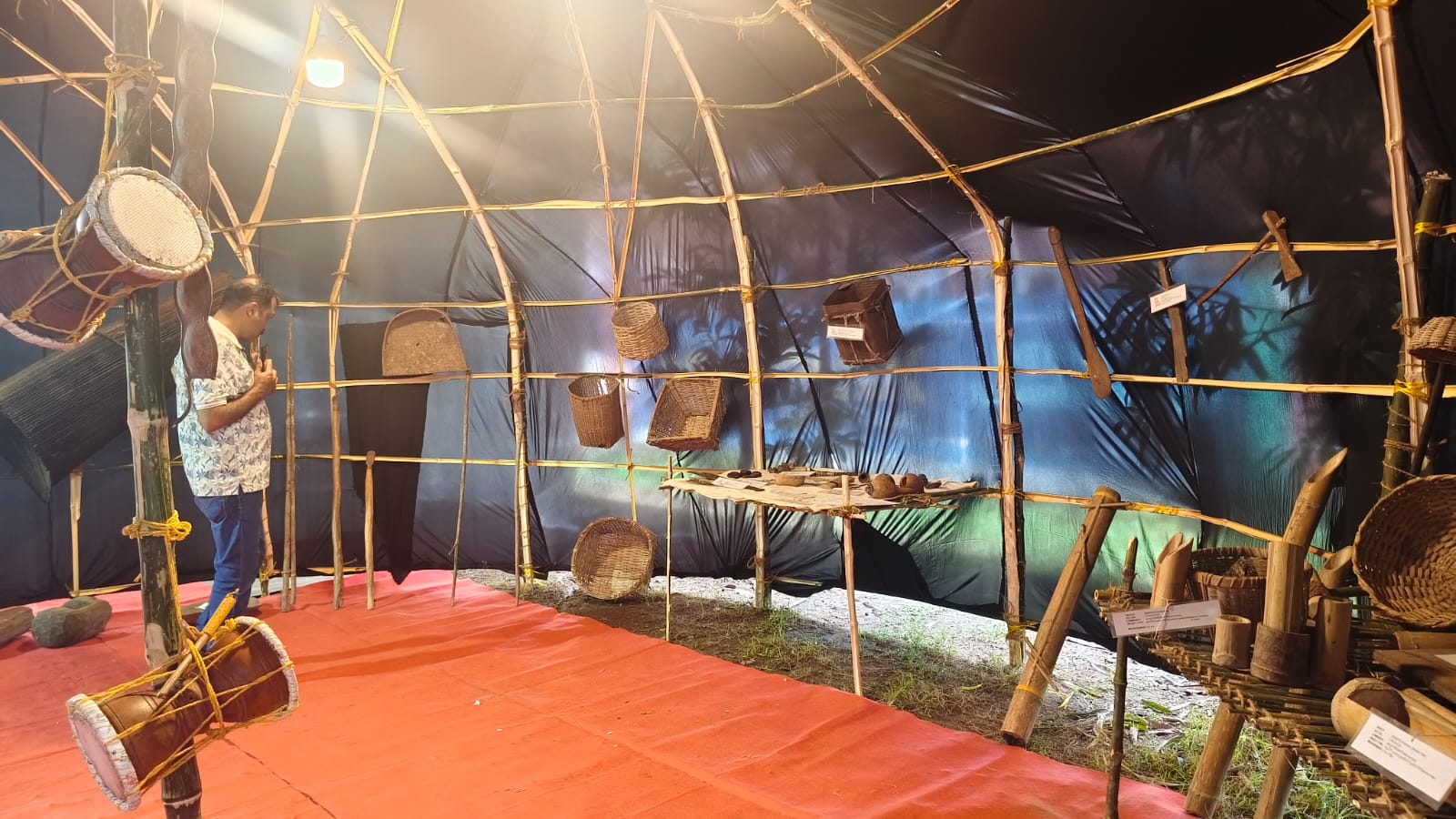
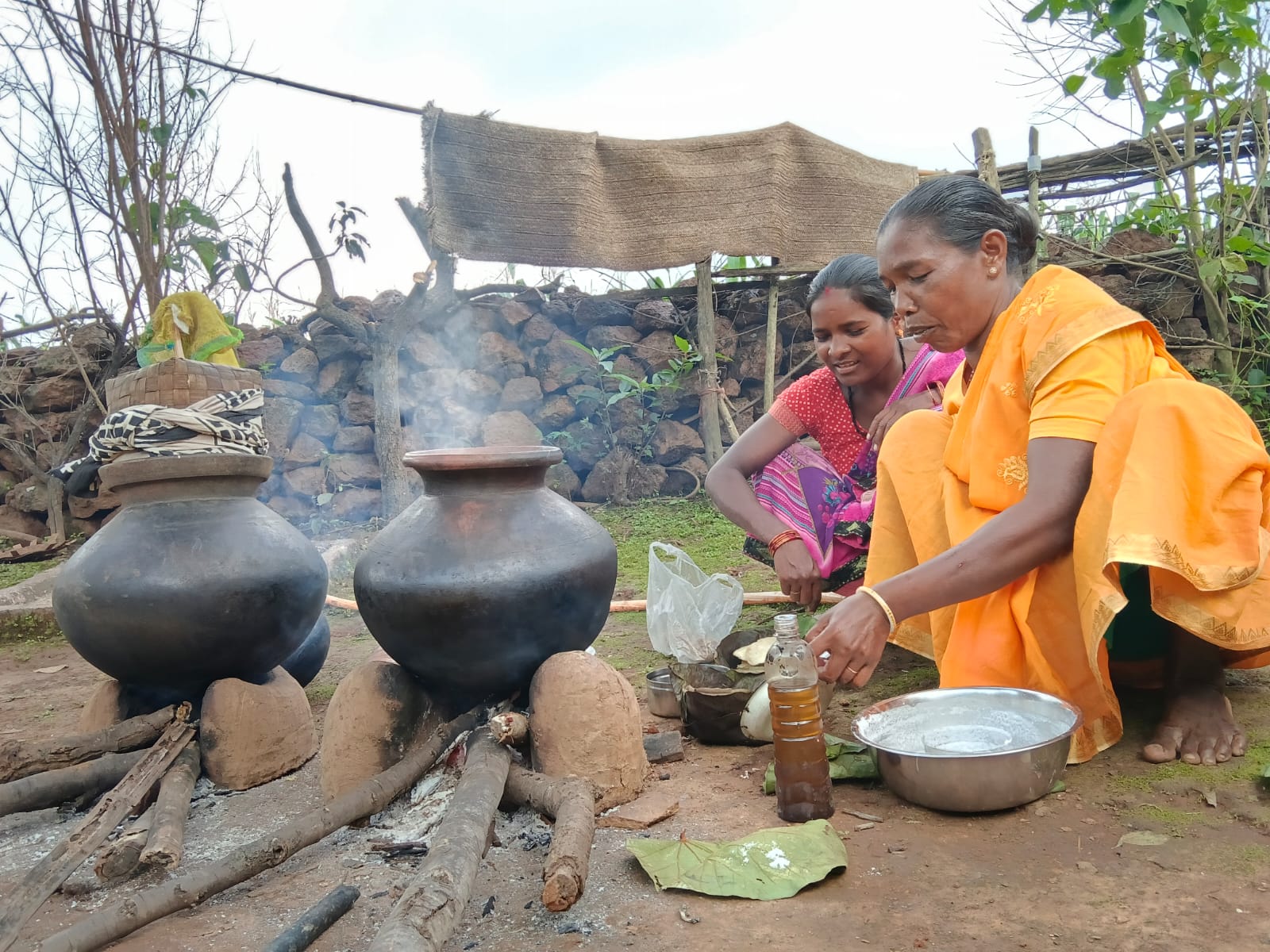
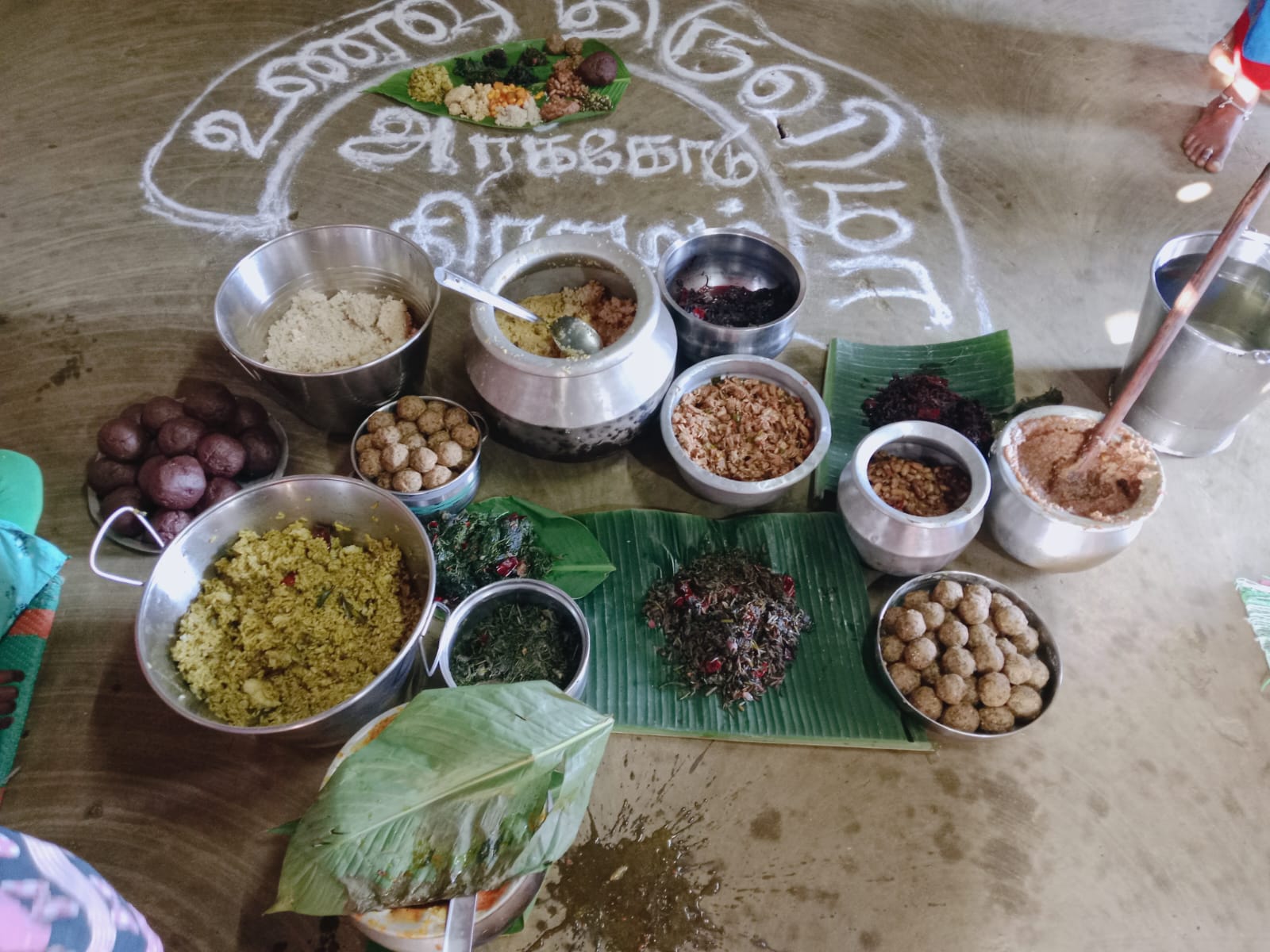
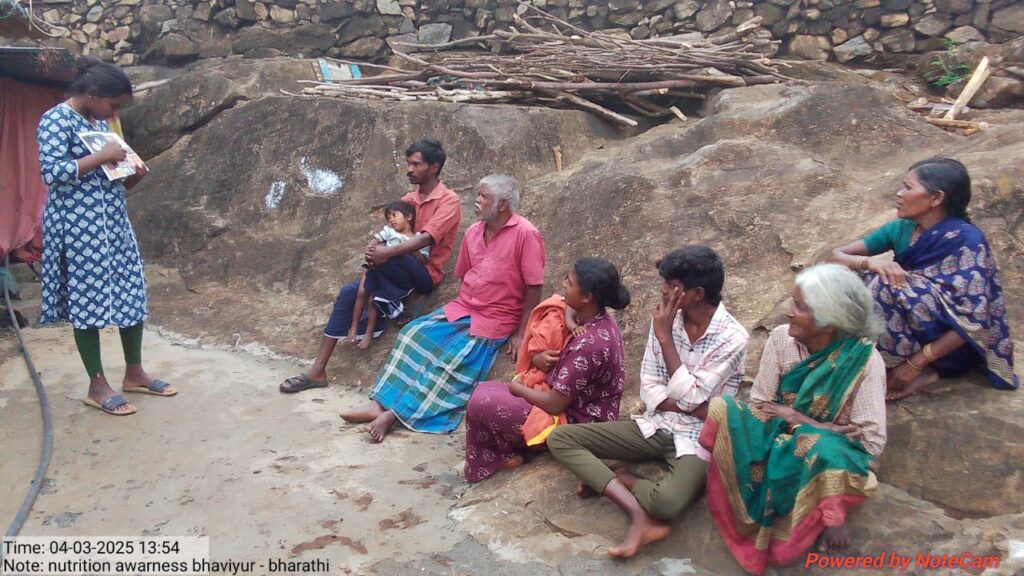
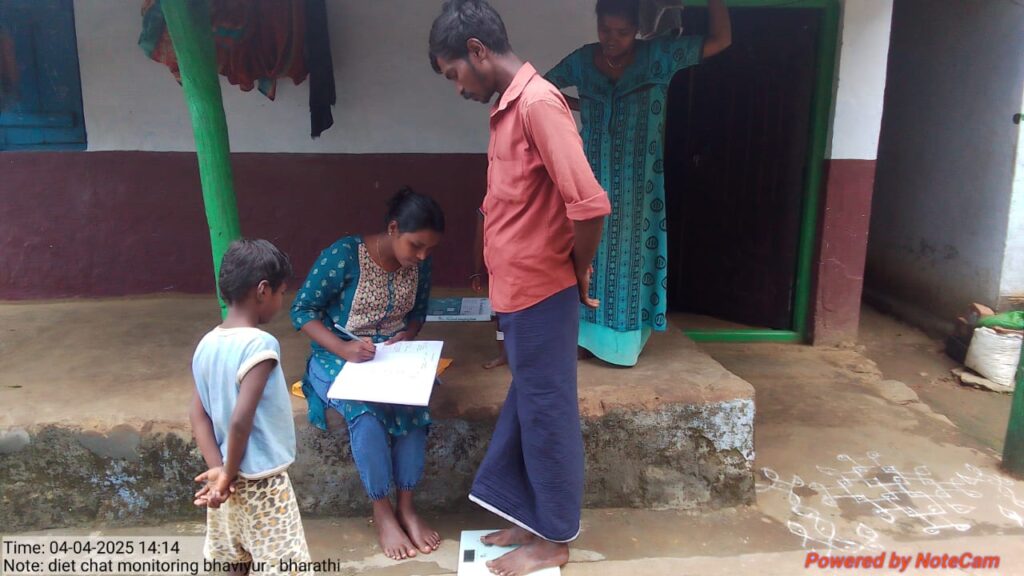
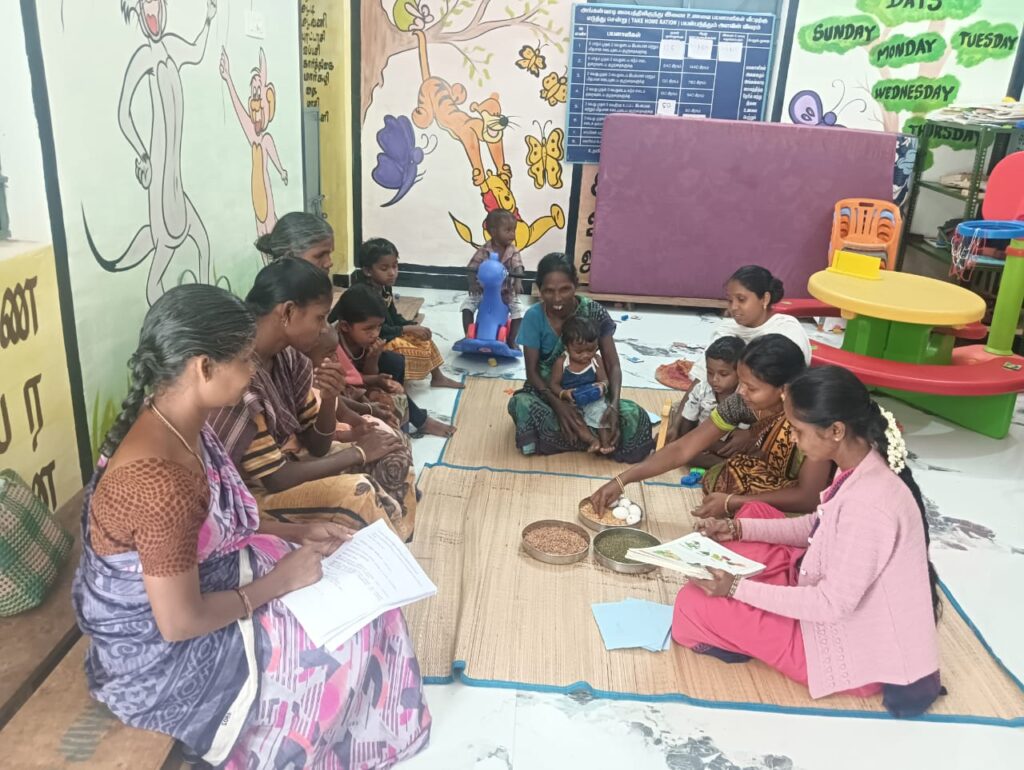
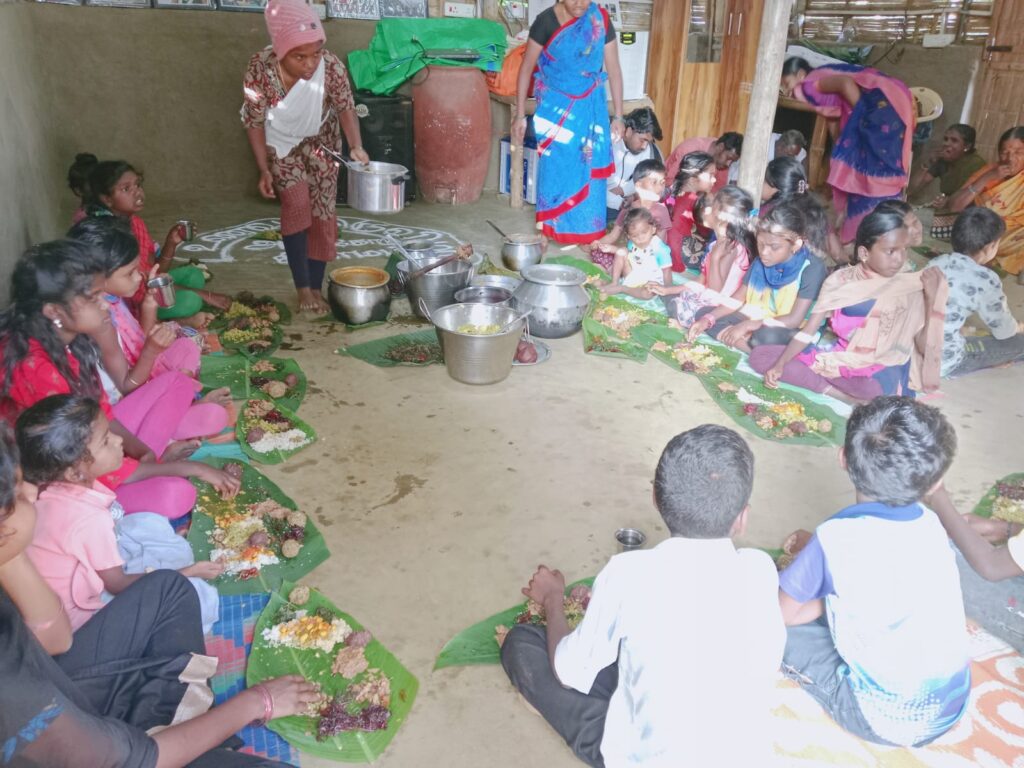
Women and adolescent girls were at the heart of the initiative. Through regular awareness sessions and household visits, Community Health Workers promoted balanced diets and greater dietary diversity. They also conducted practical demonstrations and monthly diet monitoring to promote anemia prevention and local foods’ nutritional benefits. Rather than introducing unfamiliar practices, the programme encouraged communities to reclaim and celebrate their traditional food heritage. Food festivals and elder programmes further encouraged communities to diversify their daily meals.
Measuring Diet Diversity
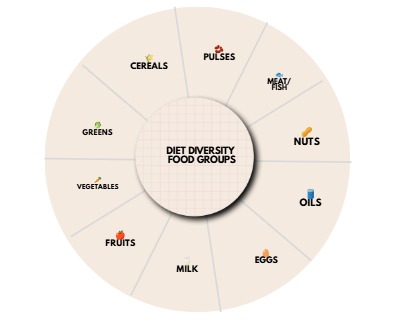
To understand whether these efforts translated into healthier eating habits, the community households were introduced to the Diet Diversity Score (DDS), a globally recognised indicator developed by the Food and Agriculture Organization (FAO). It is a simple, validated indicator that assesses the variety of foods consumed over the previous 24 hours. It serves as a proxy measure of the adequacy of micro nutrient intake and overall diet quality.
The tool records whether an individual has consumed foods from different food groups during the previous day. Each food group consumed scores one point, regardless of the quantity eaten.
A higher DDS reflects a more diverse diet and a greater likelihood of meeting essential vitamin and mineral requirements. FAO and other international agencies widely use the tool because it is simple, cost-effective, and suitable for community-level nutrition monitoring.
Within the programme,dietary diversity was measured, categorised and interpreted based on the following values
- 0–3 food groups: Low dietary diversity (high nutritional risk)
- 4–6 food groups: Moderate dietary diversity (needs improvement)
- 7 or more food groups: Good dietary diversity (healthy diet)
Tracking Change Through Evidence
To measure programme outcomes, we did baseline (pre-assessment) and endline (post-assessment) surveys.
The pre-assessment established the community’s existing nutrition knowledge, dietary practices, and diet diversity before the awareness sessions began. Following several months of nutrition education, Community Health Workers conducted the post-assessment. It measured changes in knowledge, behavior, and dietary practices to assess the intervention’s effectiveness.
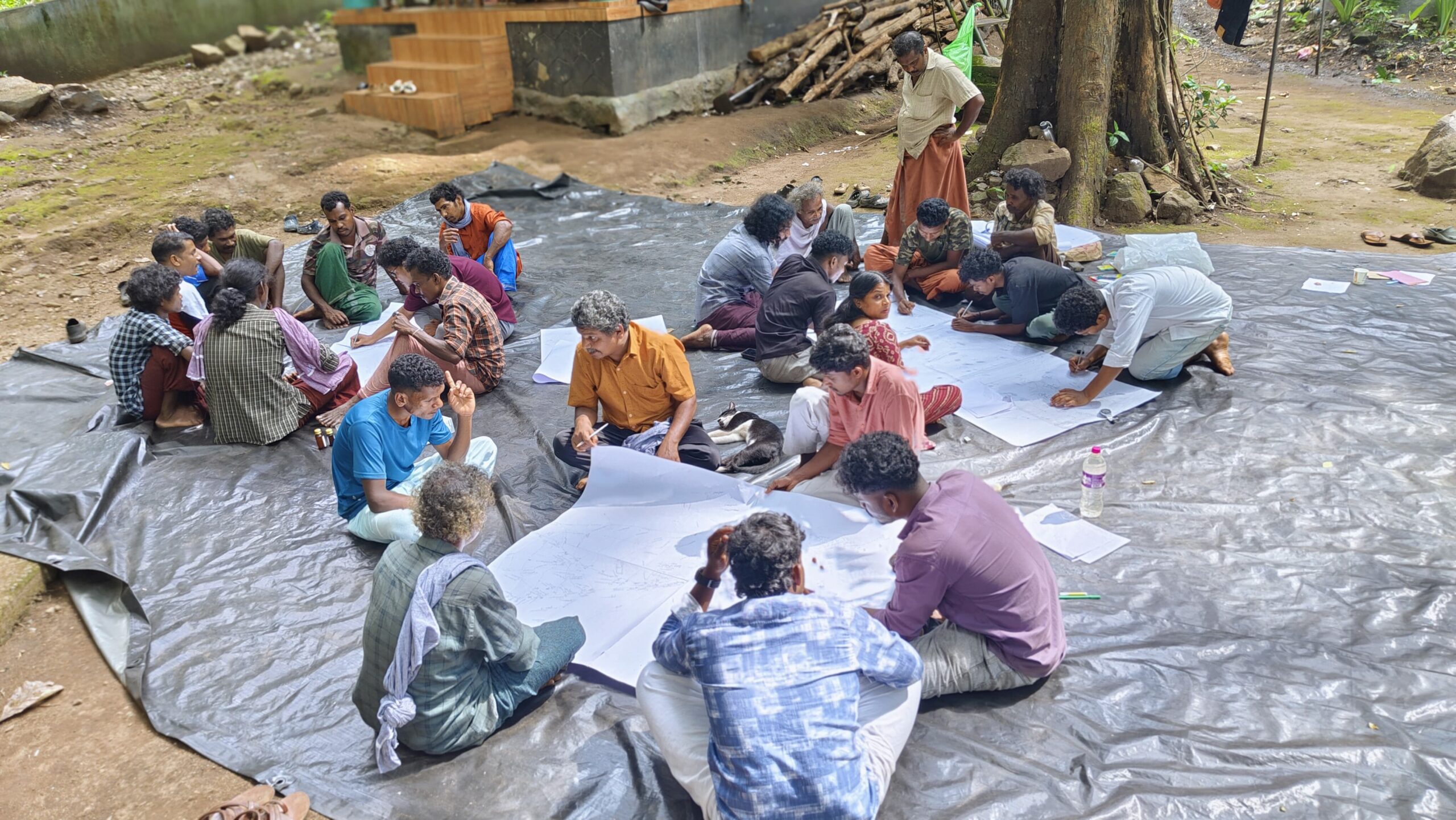
A total of 650 participants from five intervention regions participated through random sampling. The regions included Aracode, Konnavakkarai, Coonoor, Sigur, and Pillur. Twelve Community Health Workers assessed approximately 50 respondents each.
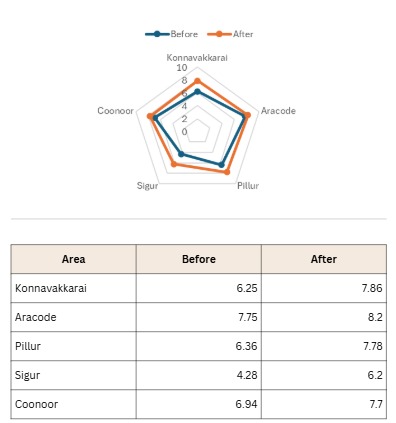
The pre- and post-assessment of the Diet Diversity Score (DDS) showed an overall improvement in diet diversity across all five intervention areas following the nutrition awareness programme. At baseline, Aracode (7.75) was already in the good diet diversity category, while Konnavakkarai (6.25), Pillur (6.36), Coonoor (6.94), and Sigur (4.28) were in the moderate category. Following the intervention, Konnavakkarai (7.86), Pillur (7.78), and Coonoor (7.70) progressed to the good dietary diversity category, while Aracode further improved to 8.20. Sigur showed the greatest improvement, increasing from 4.28 to 6.20, though it remained within the moderate category. These findings indicate that the nutrition awareness programme and promotion of locally available, wild and nutritious foods contributed to improved diet diversity and healthier food choices among Indigenous households.
Households gradually moved from consuming only two to three food groups towards including five to six or more food groups in their daily meals. Increased consumption of locally available vegetables, greens, pulses, eggs, wild foods, and traditional recipes contributed significantly to this improvement.
Conclusion
The programme demonstrates that improving nutrition is not only about increasing food availability but also about strengthening knowledge, confidence, and local food systems. By empowering Community Health Workers and encouraging Indigenous communities to reconnect with traditional foods, communities are making healthier food choices while preserving their rich ecological knowledge.
As Indigenous communities continue to face challenges from climate change, changing food systems, market and livelihood pressures, promoting diet diversity through forest-based wild foods remains an important pathway towards improving health, nutrition, and resilience.