Ujjainee Sharma, Community Wellbeing
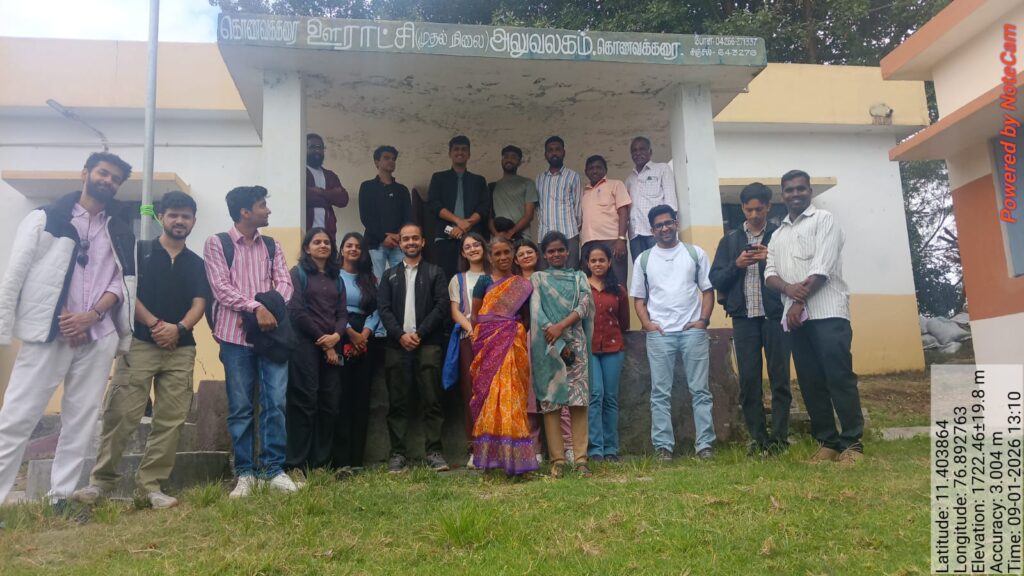
On 31 August, Keystone Foundation welcomed 40 students from the Indian School of Business (ISB), from its Hyderabad and Mohali campuses, accompanied by Sabareesh Ramachandran, Assistant Professor of Economics and two other ISB staff. They were here for a one-week immersive visit as part of its SEED (Sustainable Empowerment through Emerging Digitisation) programme.
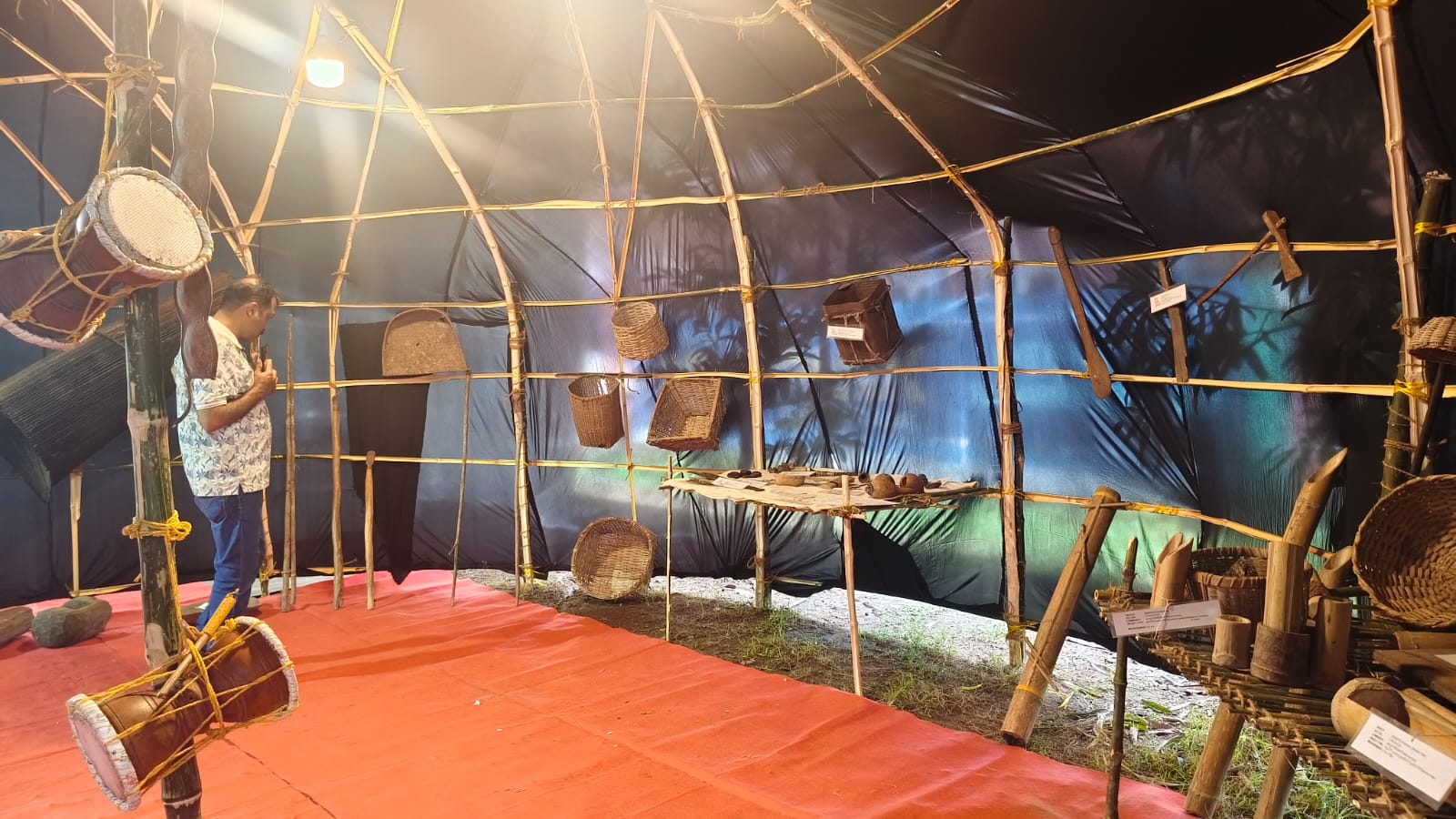
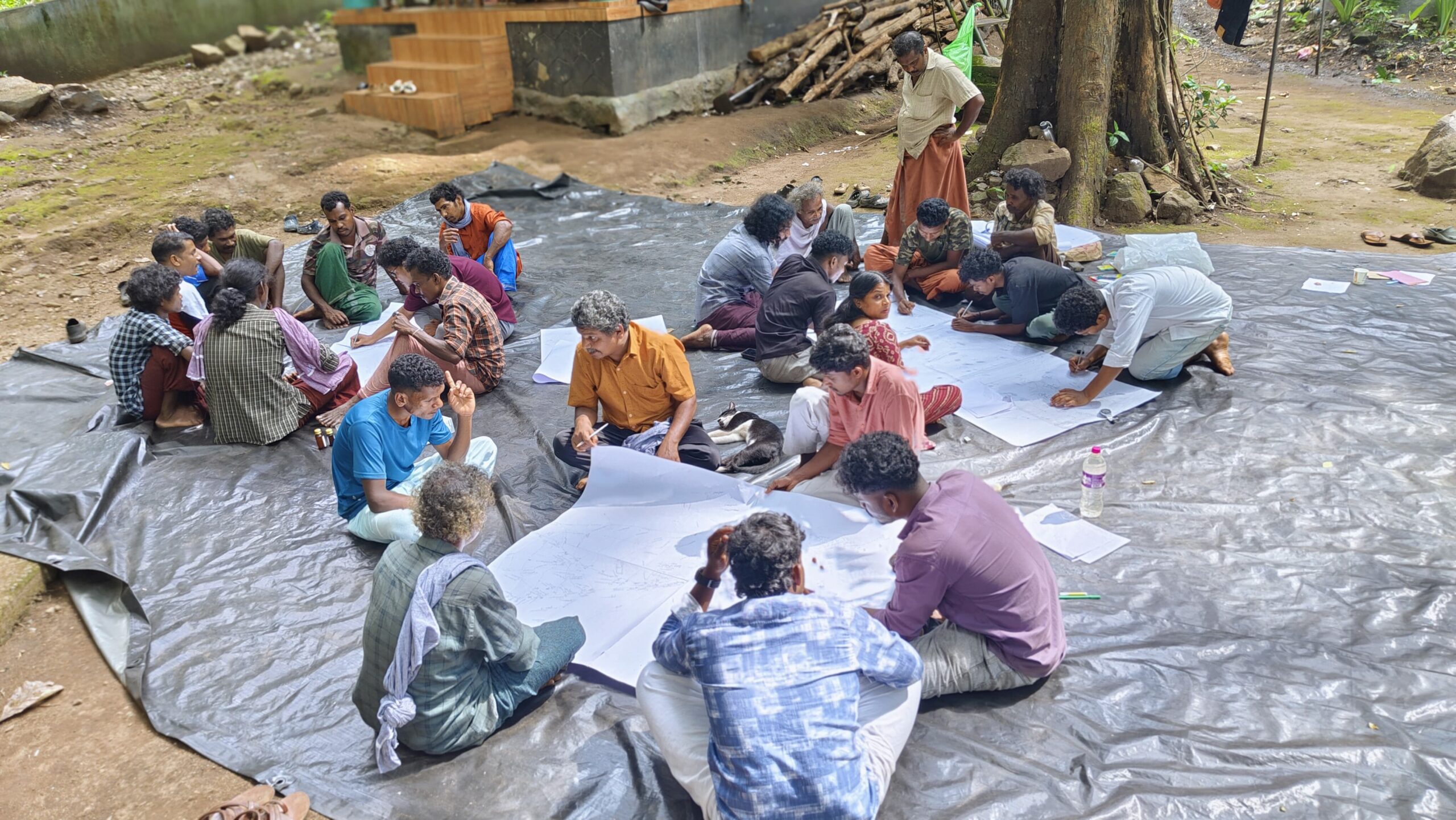
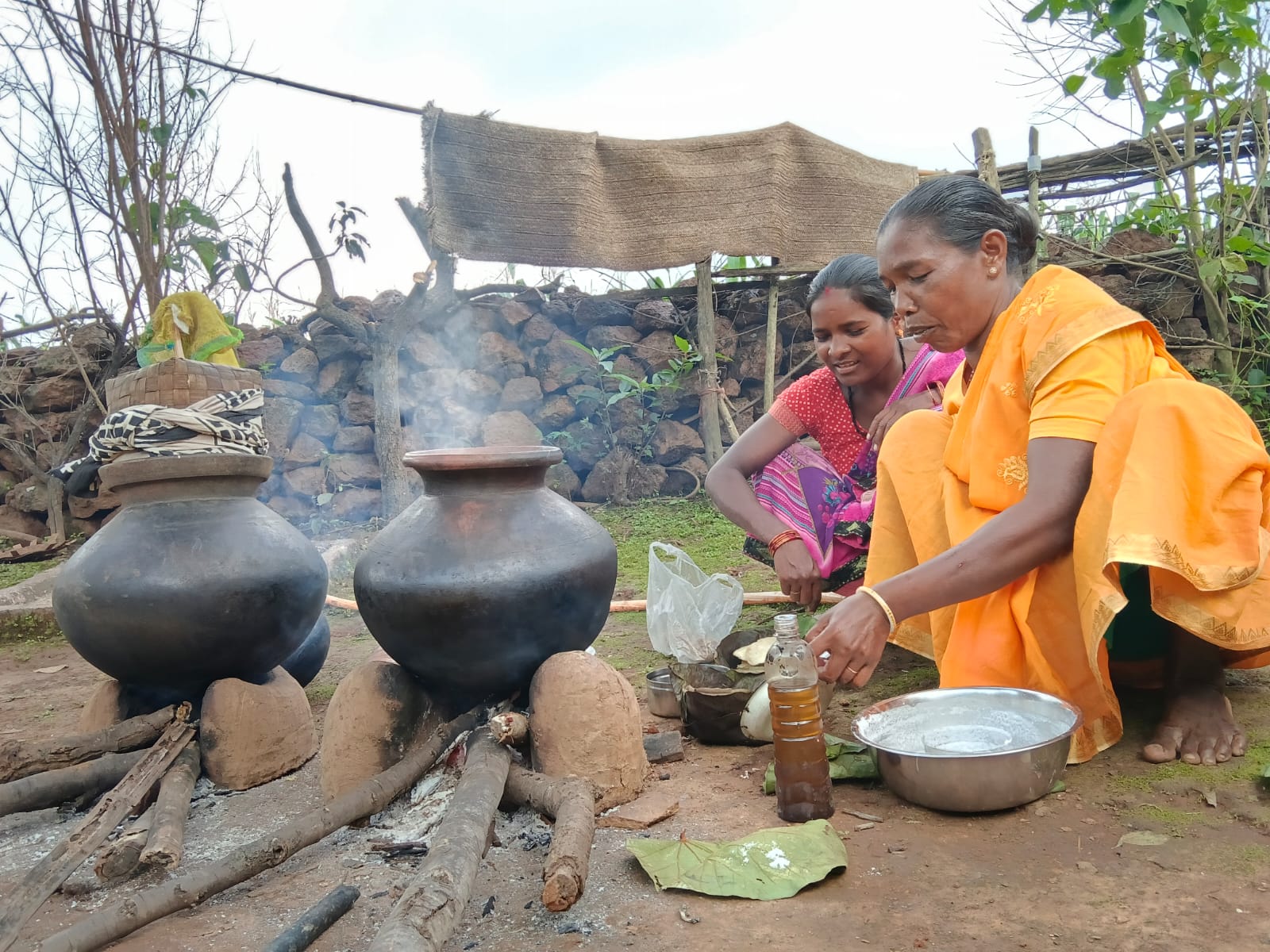
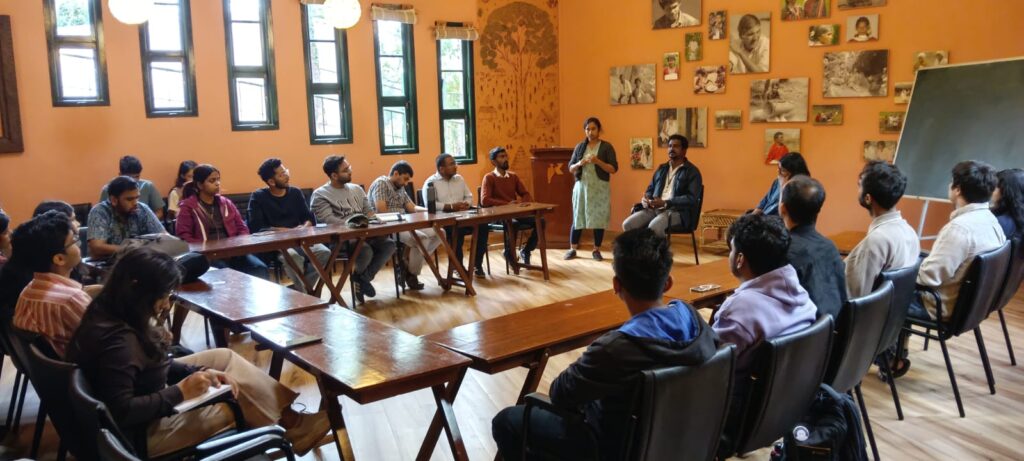
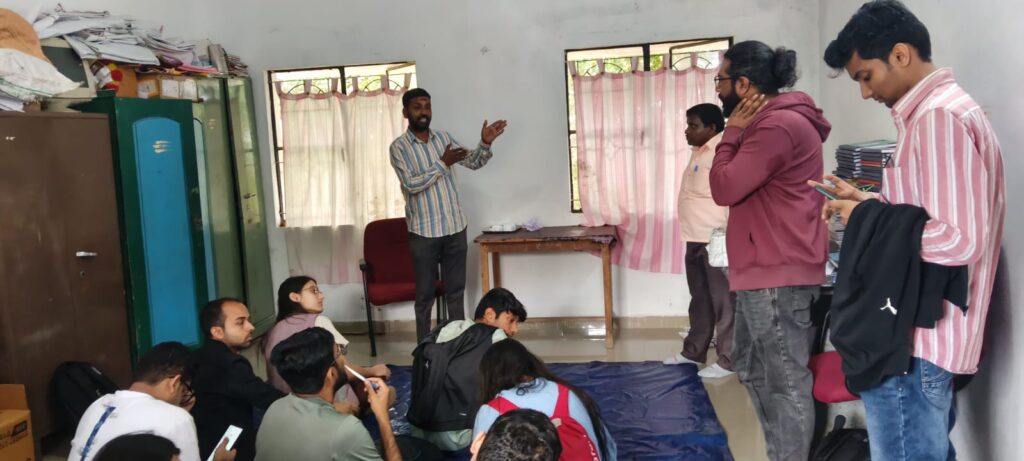
Over the course of the week, the students visited Keystone’s field centres in Konavakarai, Bangudi and Aracode, as well as urban settlements in Kotagiri. They also spent time with the Community Well Being team, headed by Dr. Jyotsna Krishnakumar, learning directly from communities about the opportunities and challenges of living in a biodiversity hotspot and a landscape where hundreds of plant and animal species co-exist with different Indigenous Peoples and Particularly Vulnerable Tribal Groups (PVTGs).
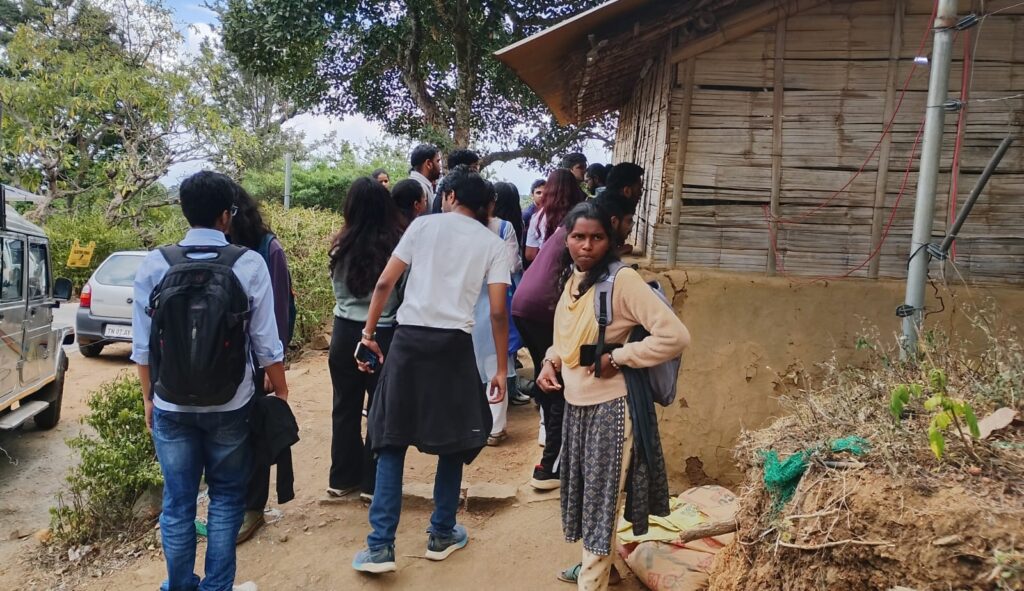
The immersion exposed students to interconnected challenges involving healthcare, water, finance, education, language, human-wildlife interactions, waste, and government services. Rather than viewing these as abstract problems, students explored them within the Nilgiris’ local social, ecological, and institutional context.
From Local Challenges to Digital Solutions
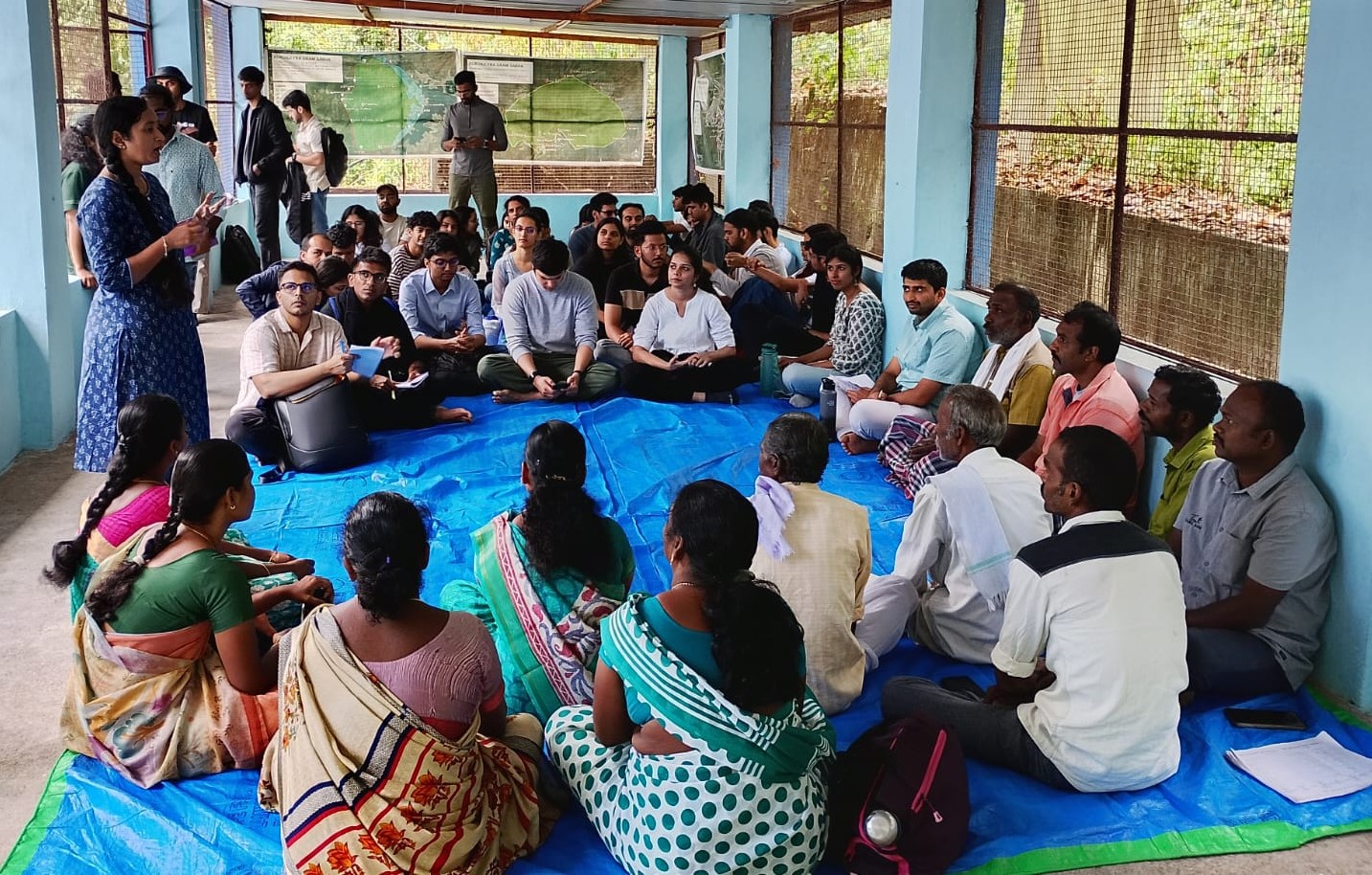
At the end of the week, the students presented their proposed solutions in groups. The presentations focused on practical, technology-enabled responses to challenges they had encountered during the week. Ideas included multilingual and adaptive learning tools, WhatsApp-based financial voice-bots, digital support systems for ASHA workers, wildlife reporting and tracking systems, assisted access to government services, app-based confidence-building and mentoring, smart waste-monitoring systems, and digital tools for identifying water infrastructure requiring repair or restoration.
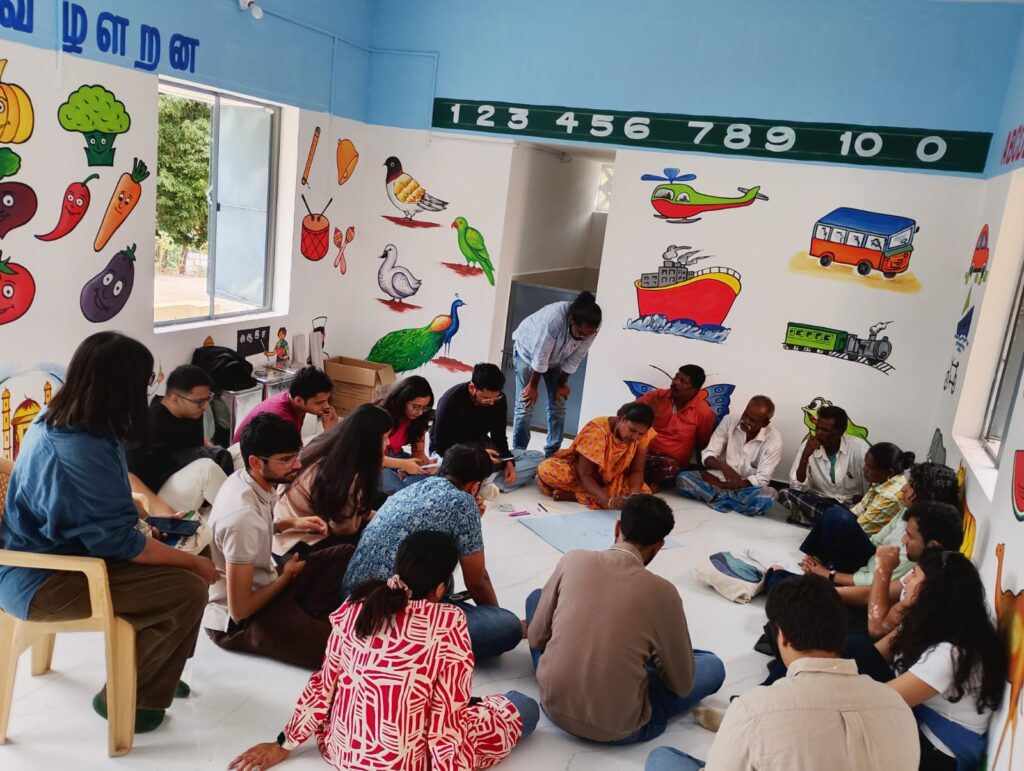
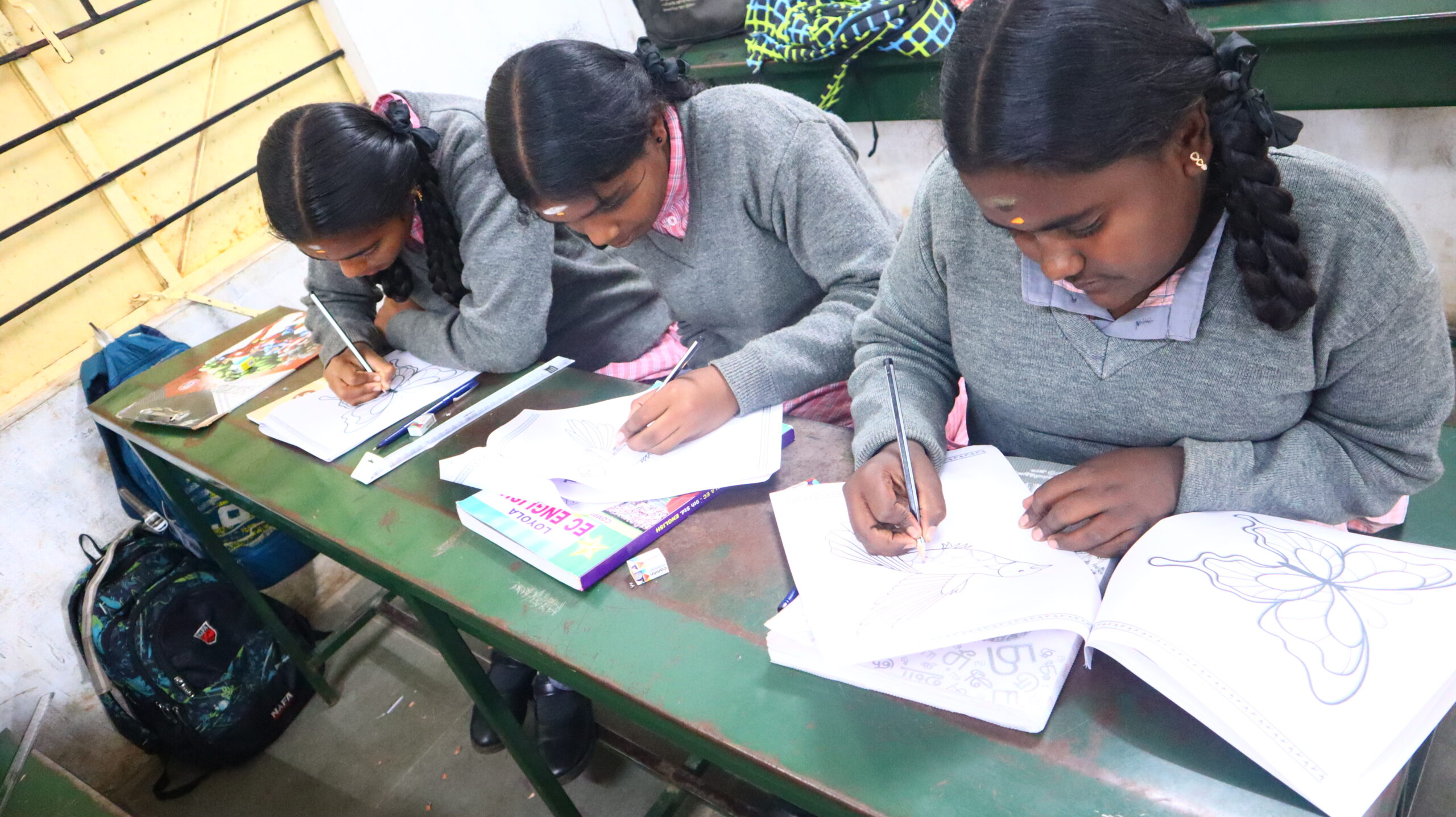
Importantly, the solutions were highly specific to the Nilgiris.For example, one group developed Kilai, an adaptive learning application addressing linguistic diversity and challenges faced by Indigenous students.
The application responds to challenges arising when Tamil serves as the medium of instruction. Inspired by a successful Odisha initiative, the application allows students to learn and answer questions in their home language. Students can progressively move through different levels towards fluency in Tamil. The aim was to help more Indigenous students remain in school through inclusive learning. Community members immediately recognised its relevance during the presentation. One audience member responded, “Please develop it quickly and give it to us soon,” receiving widespread agreement from others.
Another group developed Chitti, a financial voice Bot designed to help households gain financial literacy and make better decisions. Given high financial debt and vulnerability to predatory lending, Chitti would explain loan terms, repayment schedules, total amounts, and durations clearly. Users could also enter their existing debt details to assess whether additional borrowing would be financially feasible. The idea generated considerable interest, with one audience member suggesting that the students immediately turn it into a start-up.
The presentations allowed community health workers, local officials, and community members to engage directly with students’ ideas. They also assessed the potential usefulness of these proposed solutions. The exercise created a two-way exchange, introducing the Keystone team and stakeholders to digital tools and approaches. It also allowed students to test their ideas against the communities’ realities they experienced throughout the week.
Learning to Design Locally Relevant Solutions
Reflecting on the immersion, Jyotsna noted how intensive the visit had been despite its short duration, and how effectively the students had absorbed the specific challenges of the local context, tailoring solutions to fit this specific landscape. The programme encouraged students to move beyond identifying problems towards thinking critically about practical, locally relevant solutions. At the same time, it opened up new possibilities for Keystone and its community partners to consider how emerging digital technologies could be adapted to strengthen existing systems and make services more accessible.