Vidya S, Climate Change
When the opportunity came, we accepted it to test and try the replicability of Climate Smart School’s implementation in another mountain ecosystem. Thus started the journey of Climate education in Himachal. We work in 4 Government Schools following the greening education framework. Two local educators Ashish and Shrey facilitated the session and led the work on ground. This has helped to develop climate education with perspectives and lessons from Nilgiris and Himachal mountain ecosystems.
Strengthening Partnerships and Reviewing the Climate Education Program:
For the past one and half year a team from Nilgiris travel once in 6 months to strengthen the work and build connections.
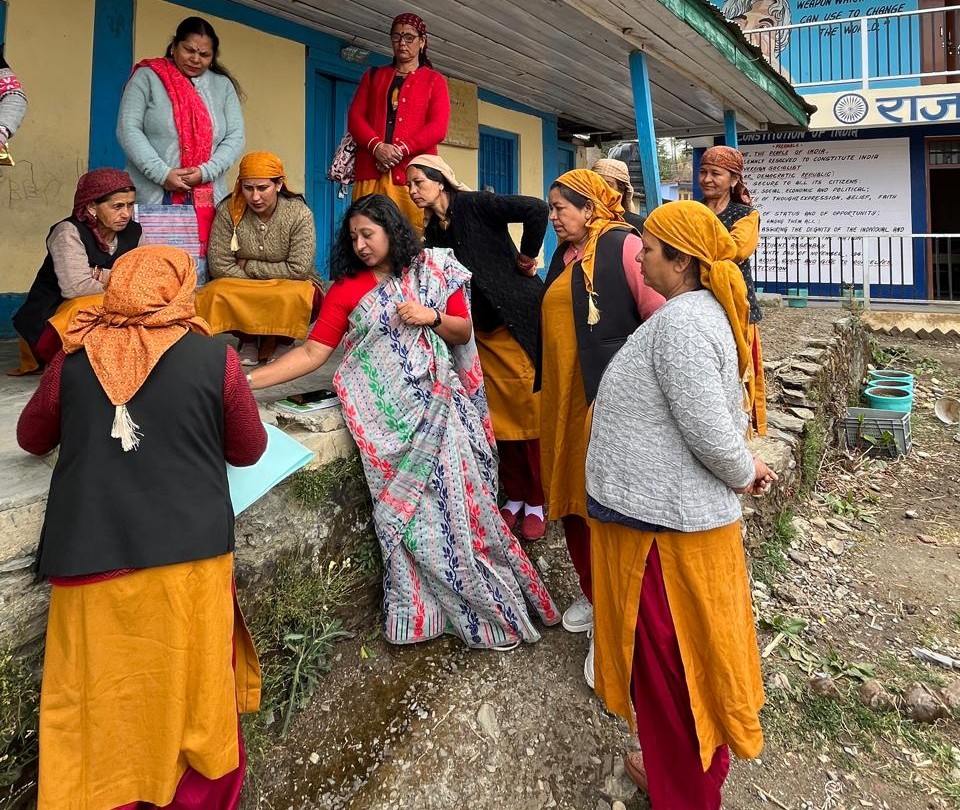
From March 14th to 18th, Bhavya and I travelled to Shimla, Himachal, to finalize project work and visit schools. One main intention was to conduct a stakeholder meeting to assess the Climate Education Program. We held the meeting on March 16th at Government Senior Secondary School, Sarog, with students, teachers, SMC members, and educators.
The session began with the principal’s welcome address, followed by Bhavya sharing an overview of the Climate Smart School Program. She explained its implementation across Shimla schools over one and half years, highlighting approach, key learnings, and climate integration efforts. Participants were divided into three groups: students, teachers, and community members, including women from the School Management Committee.
Each group discussed and presented what they liked about the program and their ideas for future plans. Students participated in the discussion, they shared takeaways from the sessions. While they mentioned that they enjoyed the activities as they were different from regular classroom learning. Students expressed interest in having more outdoor activities and showed willingness to take responsibility for managing their own waste.
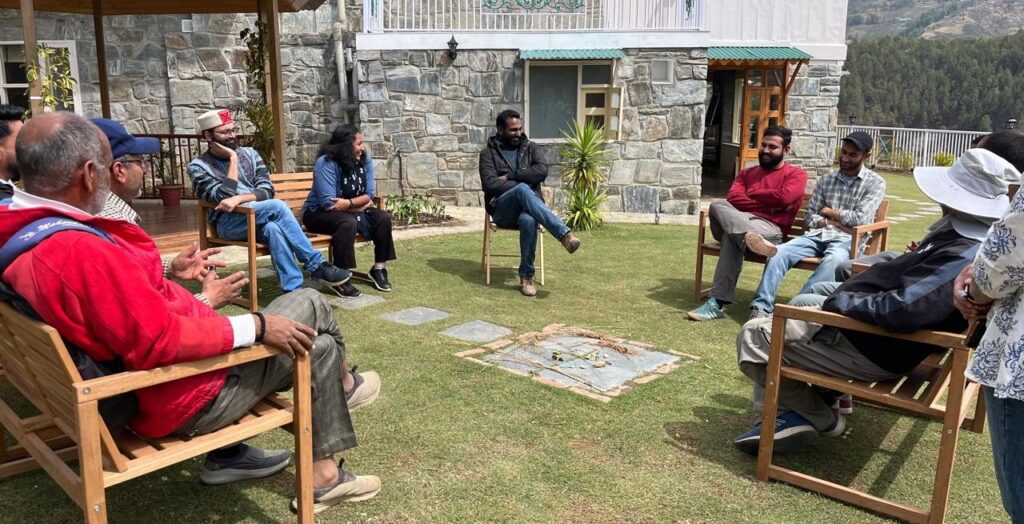
Photo credit: Vidya S
Challenges, Concerns, and Emerging Awareness:
Teachers shared their perspectives and challenges at Sarog stating that while the program was useful. They raised important questions about the roles of different stakeholders and observed that students have limited exposure to traditional knowledge systems. Practical concerns, such as increasing plastic waste, were discussed, with suggestions like installing an incinerator. Teachers also highlighted the rise in junk food consumption, linking it to health concerns and increased waste generation. Community members shared their interest in connecting livelihood to waste circularity and they were very vocal about changing the environment and climate in the recent past.
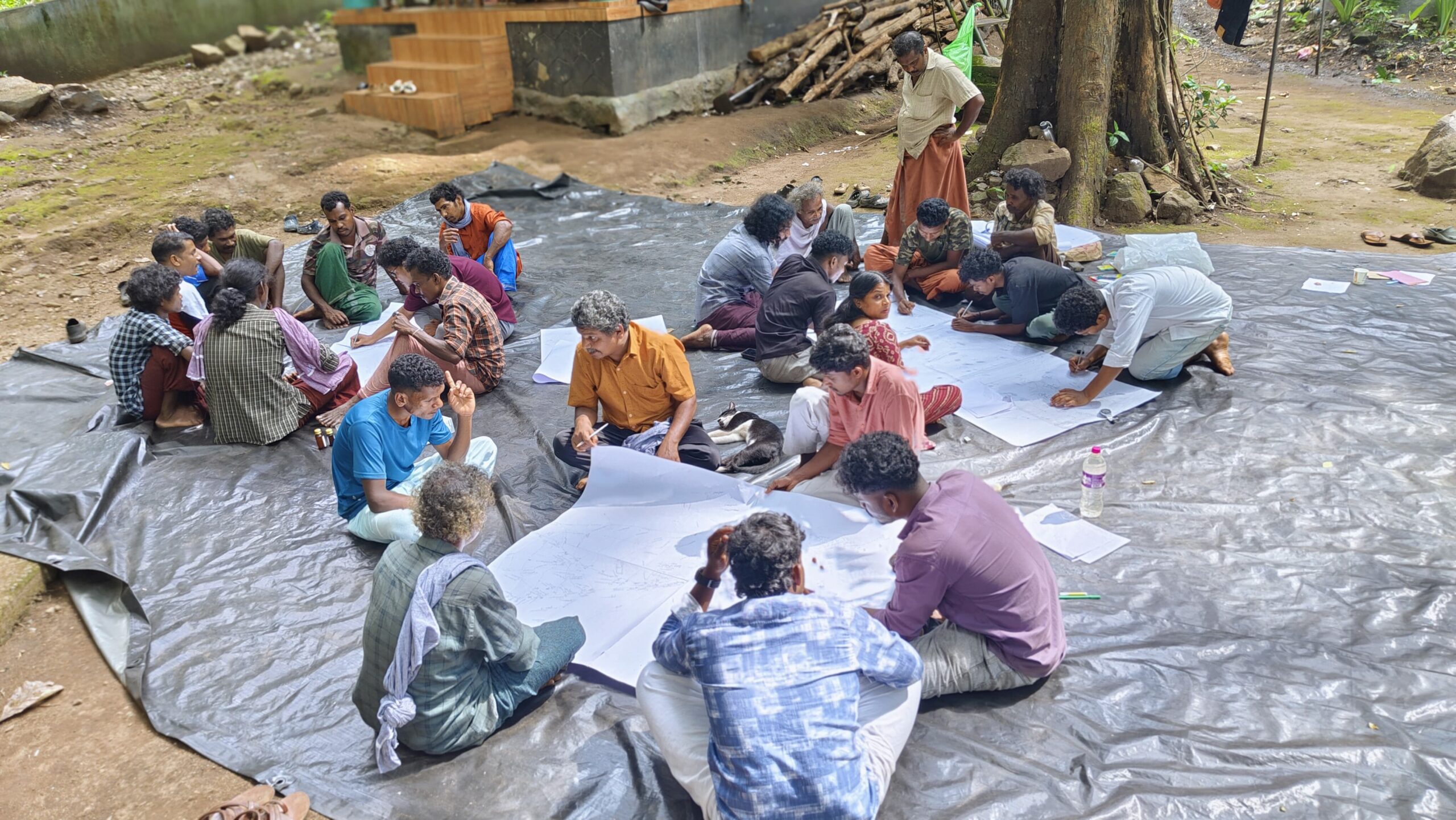
On the 17th, in Theog at the Himalayan Hub we met community members to discuss their perception and needs on climate education and beyond. The session began with an icebreaker, helping participants connect with their local environment. The discussion was initiated by Ashish on linking cow dung to cultural practices with ecological systems such as cattle, grasslands, forests, and agriculture. This opened up conversations on the growing disconnect between people and nature, especially youth.
Community members shared the importance of traditional agroecological practices and highlighted a visible gap, influenced by factors such as migration and changing family structures. Youth participants expressed interest in agriculture with a focus on modern practices and highlighted the need for capacity building in beekeeping, vermicomposting, and improved agricultural techniques. Participants took time to understand the ongoing initiatives, strengthening their connection with the program.
Three days in Himachal made us push through barriers, understand needs, and develop next plans. All these while strengthening the role of schools, communities, and youth in collectively addressing climate change.
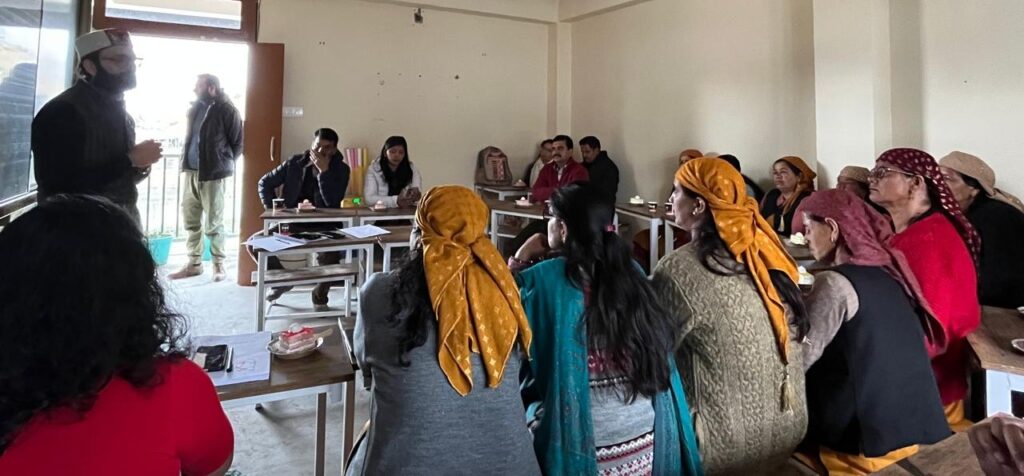
Photo credit: Vidya S