
Enhancing Nursery Management Skills Through Knowledge Exchange
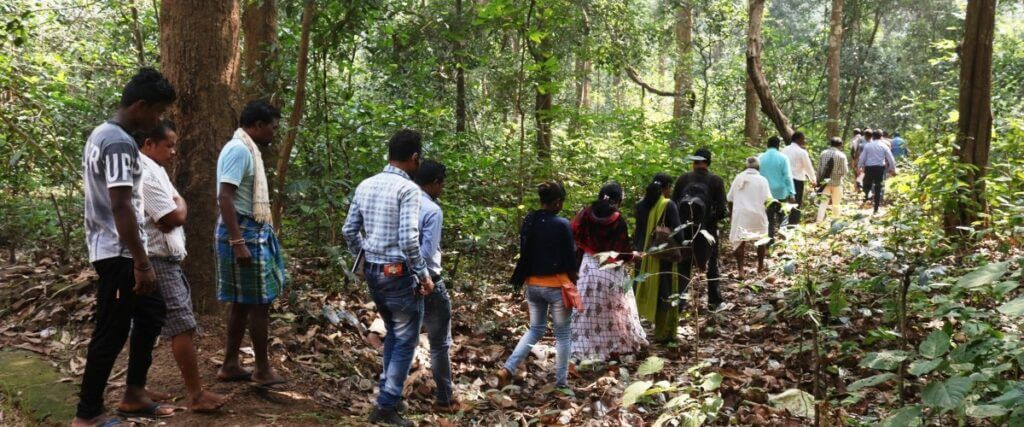
Community-managed nurseries across the globe have been lately explored as an approach to restoring forests. However, enabling them to actively engage in propagating native forest plants and managing nurseries requires the appropriate deployment of skill sets through trainings that will ensure seedling survival leading to successful forest restoration.
A Farmer Field School in the Making
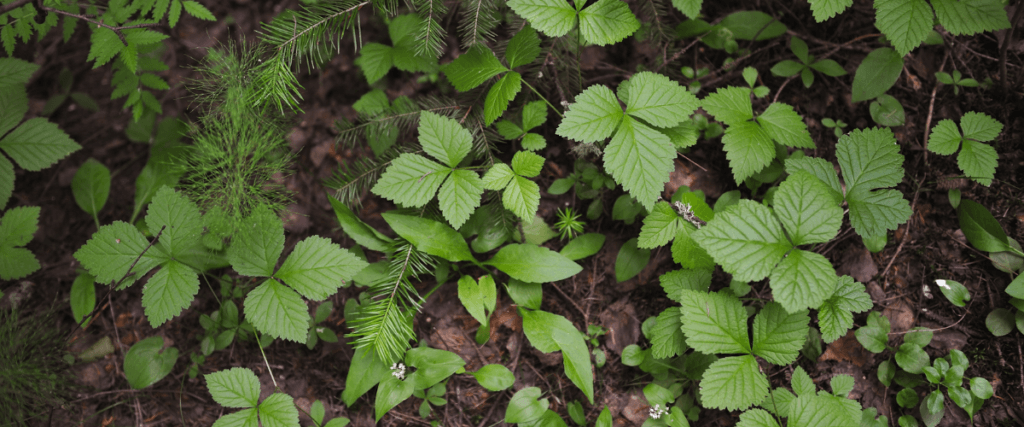
In Kokkalthorai, a valley (10 km away from Kotagiri town) which is the hub for the so-called English and Chinese hybrid vegetables, farmers are heavily influenced by Agri companies that have a stronghold on crop diversity and farming practices. This is one of the many factors that limit/restrict the success and spread of organic farming across this region.
A case against Apis Mellifera: Why we need native pollinators to maintain biodiversity
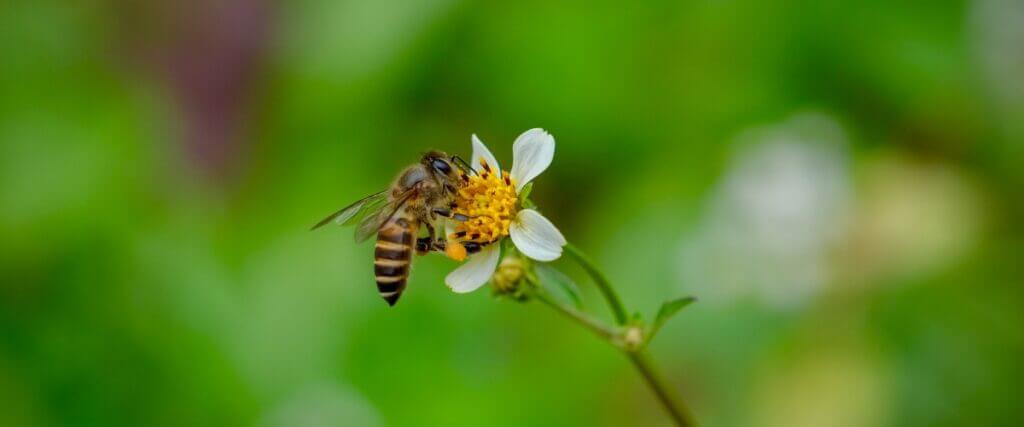
Apis mellifera, the Western bee or European bee, known for its ability to produce large amount of honey, has begun dominating the Indian apiculture scene. In a capitalist world where productivity is performance and exploitation is normalised, Apis mellifera has turned out to be the Jersey cow of honey trade.
Looking for pure honey in the market? You may find none
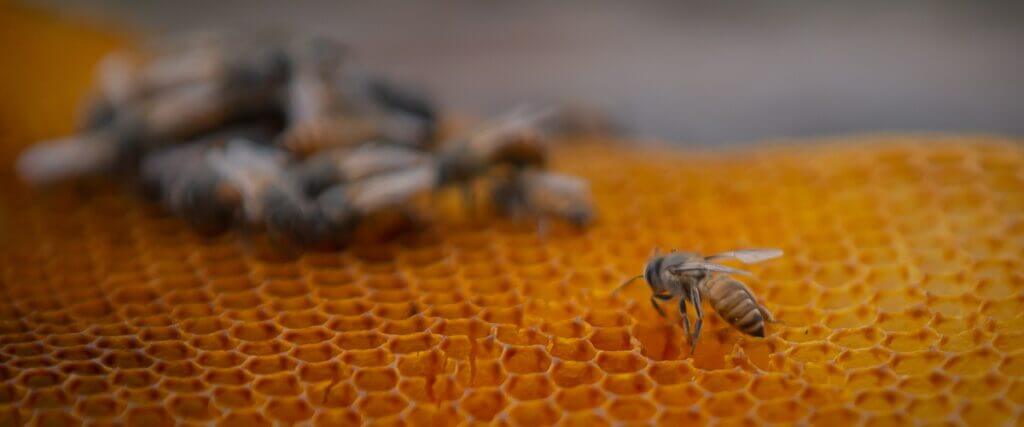
Credit – Abhishek Chinnappa Have you ever been told not to add honey to a hot cup of ginger-lemon tea? Or not to use it in cooking? According to Ayurveda, heating honey makes it toxic and harmful for health. Government regulations through Food Safety and Standards Authority of India (FSSAI) to make honey marketable, however, […]
Promoting Forest Gardens in Fallows
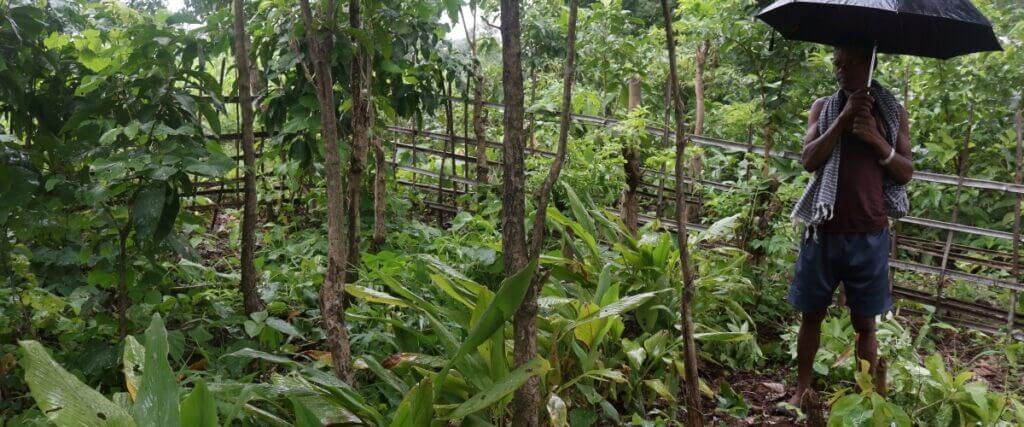
Traditionally, the Paharia community leave their land fallow after 2-3 years of cultivation. ideally, the minimum optimal fallow period should be 10 years, which has gradually declined over the years and brought in invasive species. In order to extend the fallow period, Pahariya families have been encouraged to develop Forest Gardens through the cultivation of shade-tolerant crops aimed at generating additional livelihoods and sources of food.
Visitors from the wild ( A book review)
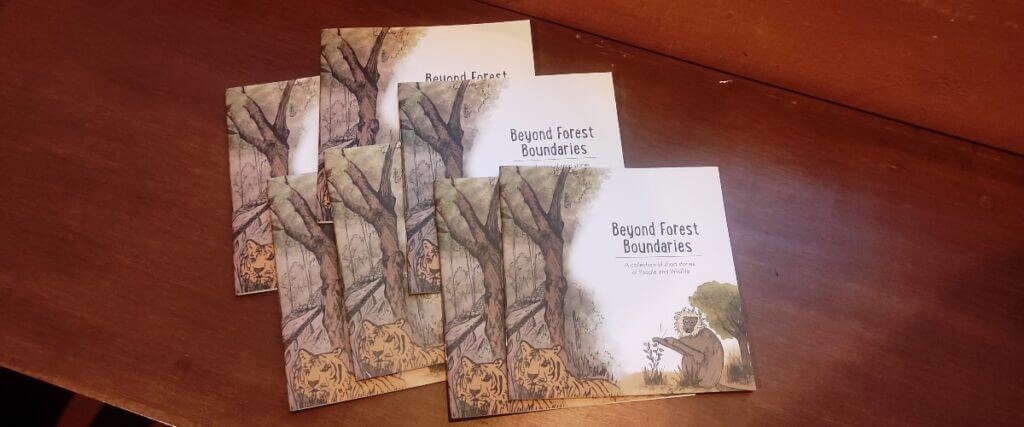
The life of the villagers of Kookalthorai in the Nilgiris district is very different from what life is for a majority of people.The region is connected to contiguous forests of the Mudumalai Tiger Reserve through the Moyar Valley which is an important elephant corridor. This makes interactions with wildlife an everyday occurrence in this village. […]
A visit to Mukurthi National Park
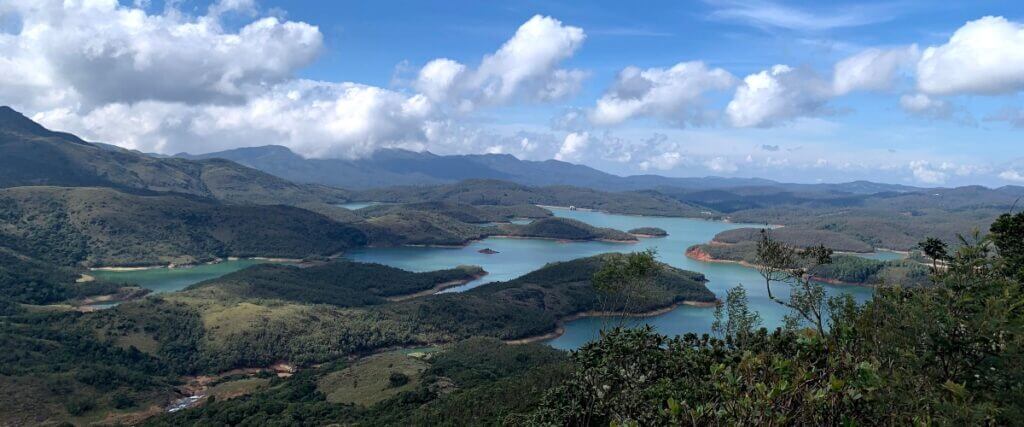
The Habitats Trust (THT) team was back this year again, in the third week of September, for their field verification for Keystone Foundation’s proposed project to study ecology, habitat use and distribution of the Nilgiri Marten. This year we had included the Mukurthi National Park as an area of study. Therefore, as part of the field […]
Introduction to Climate Change Concepts

A three-day workshop on Climate Change introductory concepts took place between 9-11th June 2021, for the Global Alliance for Green and Gender Action (GAGGA) partner networks alliance. On the second day, participants got to learn more about the scenario in our country – both for Climate Change impact and also got to hear examples of collective community action. The […]
Team meeting at the Field Ecology Centre
Last year, the COVID 19 pandemic has helped establish a new normal in terms of work methods, meetings and exchanges within a professional space. Like most responsible individuals and organizations, virtual meetings and interactions have become the norm around which we organize our work. A distinct downside has been the impact of increased screen time […]
Barefoot Ecologists from Nilmabur are making a video of their conservation efforts
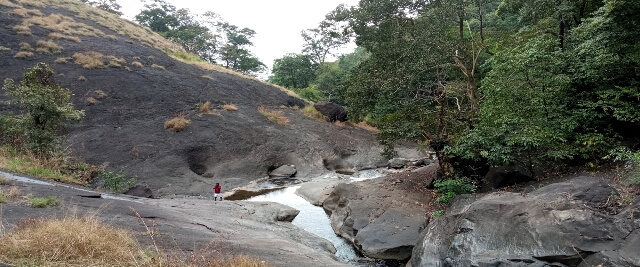
For Rajesh and Sumitra, the camera is an essential thing to be carried while they head out to the forest; whether they go to the forest to collect NTFPs or just on leisure walks. Jalaja and Krishnan have become wedding photographers at their family occasions. Babu likes to cover the various events happening in his […]