Vishnu N M, Justin Raj, Nithya V, Shivanna – Biodiversity Conservation, & Ayoob A – Community Wellbeing
May 20 is celebrated as World Bee Day; we have celebrated this since 2018. The United Nations has established a date to commemorate the birthday of Anton Jansa (born May 20, 1734), an 18th-century pioneer of modern beekeeping from Slovenia. Jansa hailed from a lineage of beekeepers in Slovenia, a country with a deep-rooted beekeeping tradition and significant agricultural importance. Every year, there is a theme for this celebration. This year is “Bee Together for People and the Planet – A partnership that sustains us all.”
Keystone Foundation celebrated Bee Day in the Nilgiri Biosphere Reserve across our field areas with the support of UNESCO’s ‘Women for Bees’ project. This year, we organized events in Mananthavady, Sigur, Pillur, and Hasanur, featuring engaging activities.
Wayanad, Kerala:
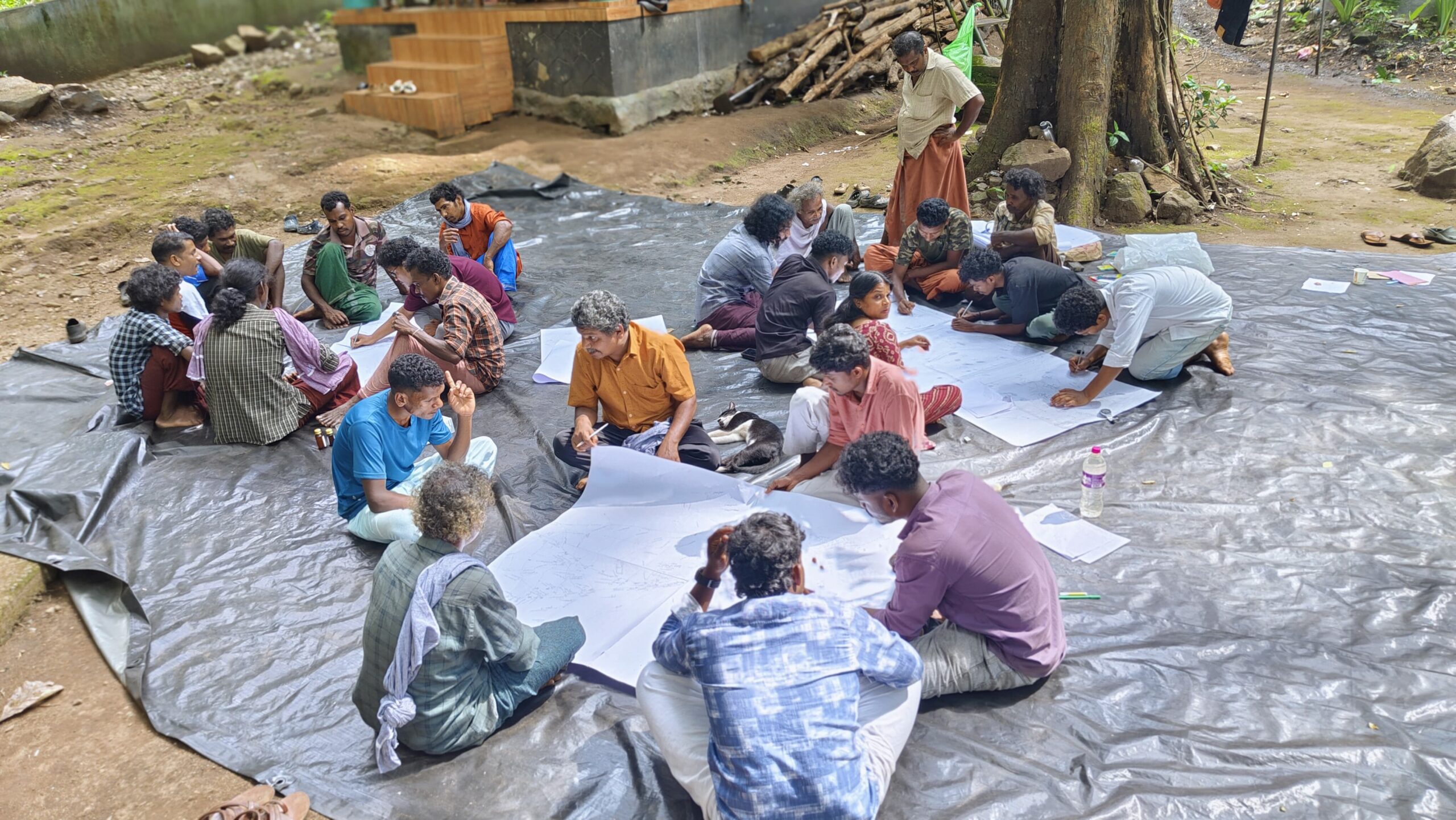
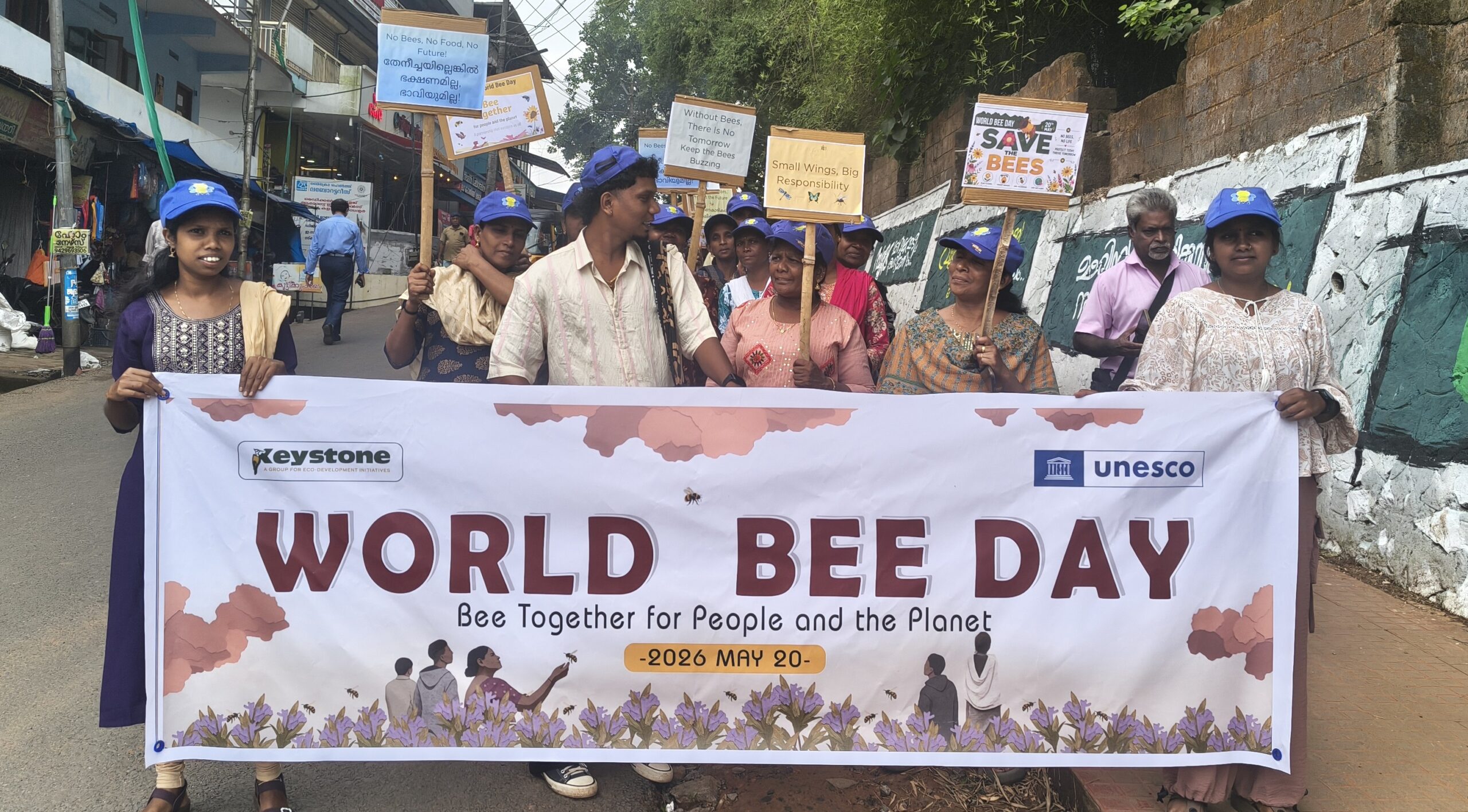
In Wayanad, the Keystone Resource Center celebrated Bee Day in Mananthavady, building on last year’s success with greater community involvement and institutional support. The event began with a rally to raise awareness about pollinator conservation. Mr. Jacob Sebastian, Chairperson of the Mananthavady Municipality, inaugurated the programme, while Adv. K.G. Ramachandran highlighted the importance of the celebration. The Pazhassi Raja Memorial Library, Gothradeepam Tribal Library, and the ‘Eruthe’ Women Farmers Group collaborated to organize the initiative. Mr. T. C. Jose, Mr. Harish, and Mr. Thomas Xavier also offered greetings and support.
After the inaugural session, two technical session was there; one is ‘Bees and Pollinators’ handled by Vishnu N M ( Technical Coordinator, Keystone Foundation). This is an informative session covering the diversity of pollinator species, their ecological roles, and the interconnections between pollinator health and the productivity of both wild and cultivated plant communities. Another session handled by Mr Sunil Kumar, ‘The Possibilities of Beekeeping,’ explores opportunities for income generation through apiculture and sustainable hive management practices.
The same day, the women beekeepers from Nilambur visited the field sites of active women beekeepers in Wayanad. This knowledge exchange fostered solidarity among women practitioners across the region.
Highlights includes
– Bee Day Awareness Rally
– Informative sessions for the participants
– Cross-Regional Knowledge Exchange
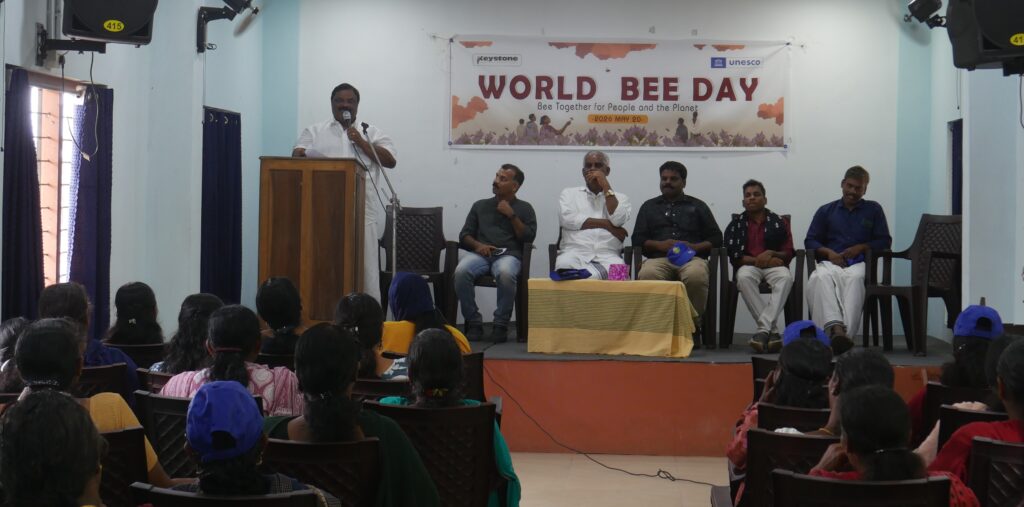
Photo credit: Vishnu
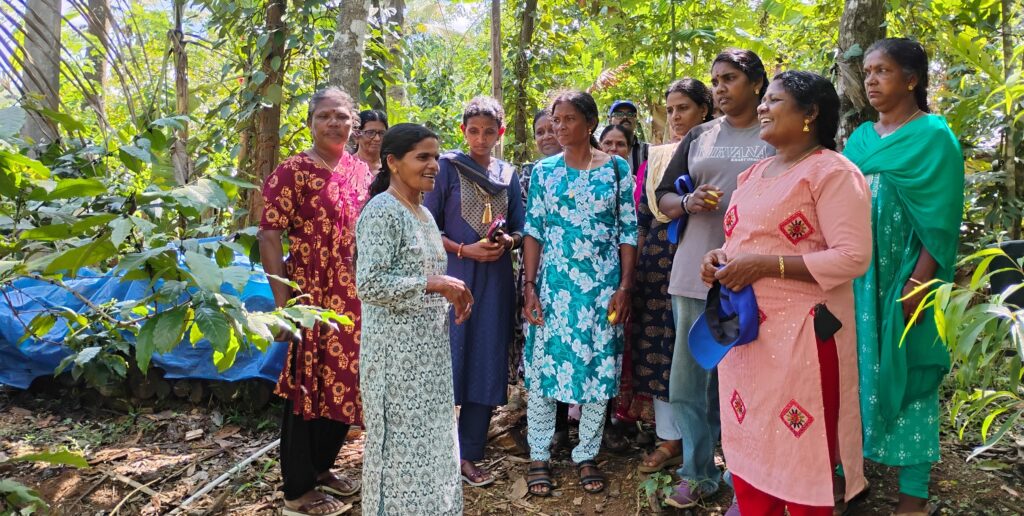
Sigur, Nilgiri district, Tamil Nadu:
At Chokkanalli, Sigur, from 10:00 AM to 2:00 PM, participants from Anaikatty, Chemmanatham, and Chockanalli engaged in activities centered on beekeeping, biodiversity, and community development. The program began with Justin Raj highlighting the Keystone Foundation’s work since 2002.
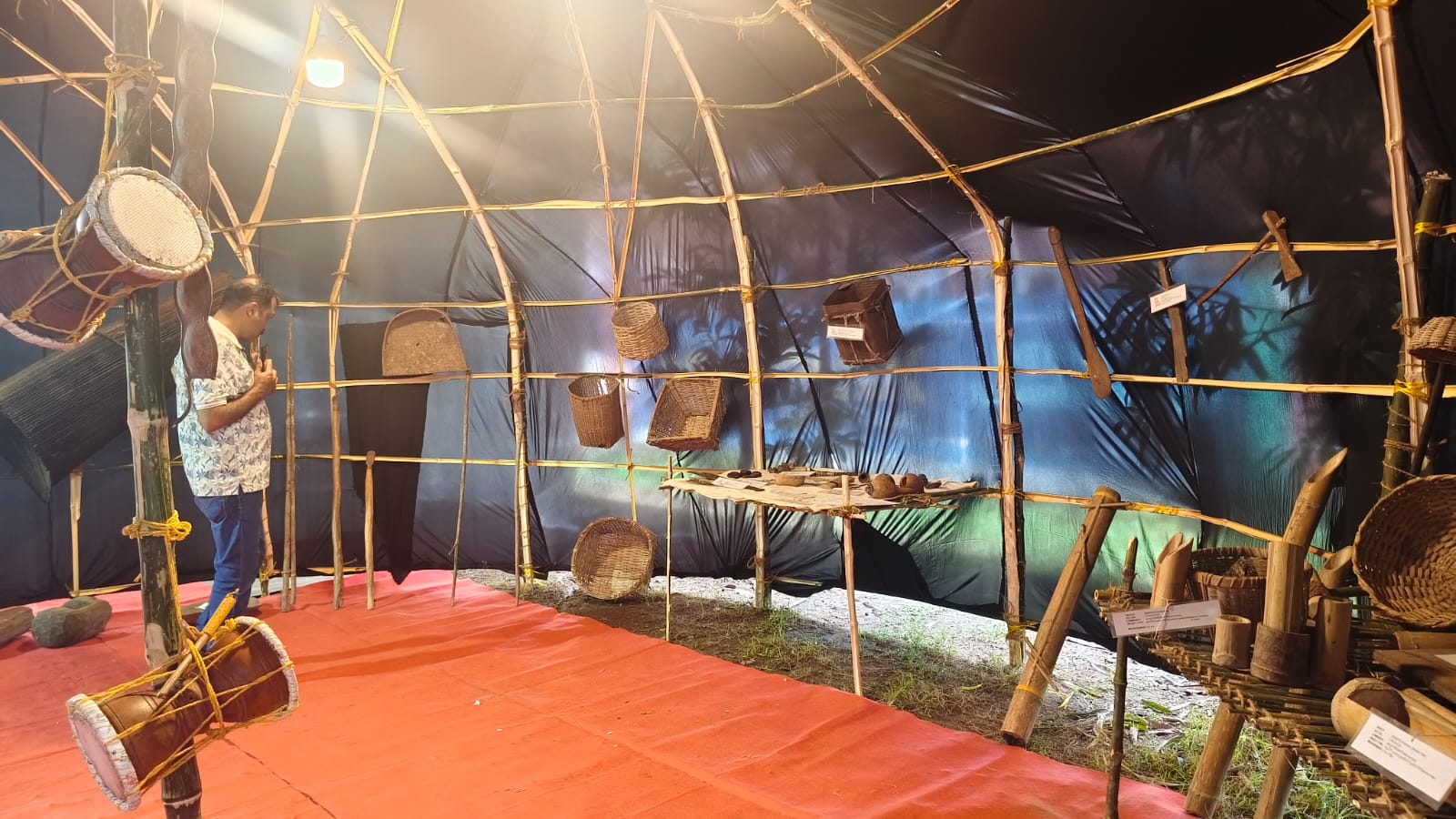
Exhibits included educational resources like flora books, beekeeping manuals, and various beekeeping tools, enhancing understanding of traditional and modern practices. Bellu Amma discussed traditional knowledge systems and community initiatives, while Pushpa emphasized health programs and the importance of organized community efforts.
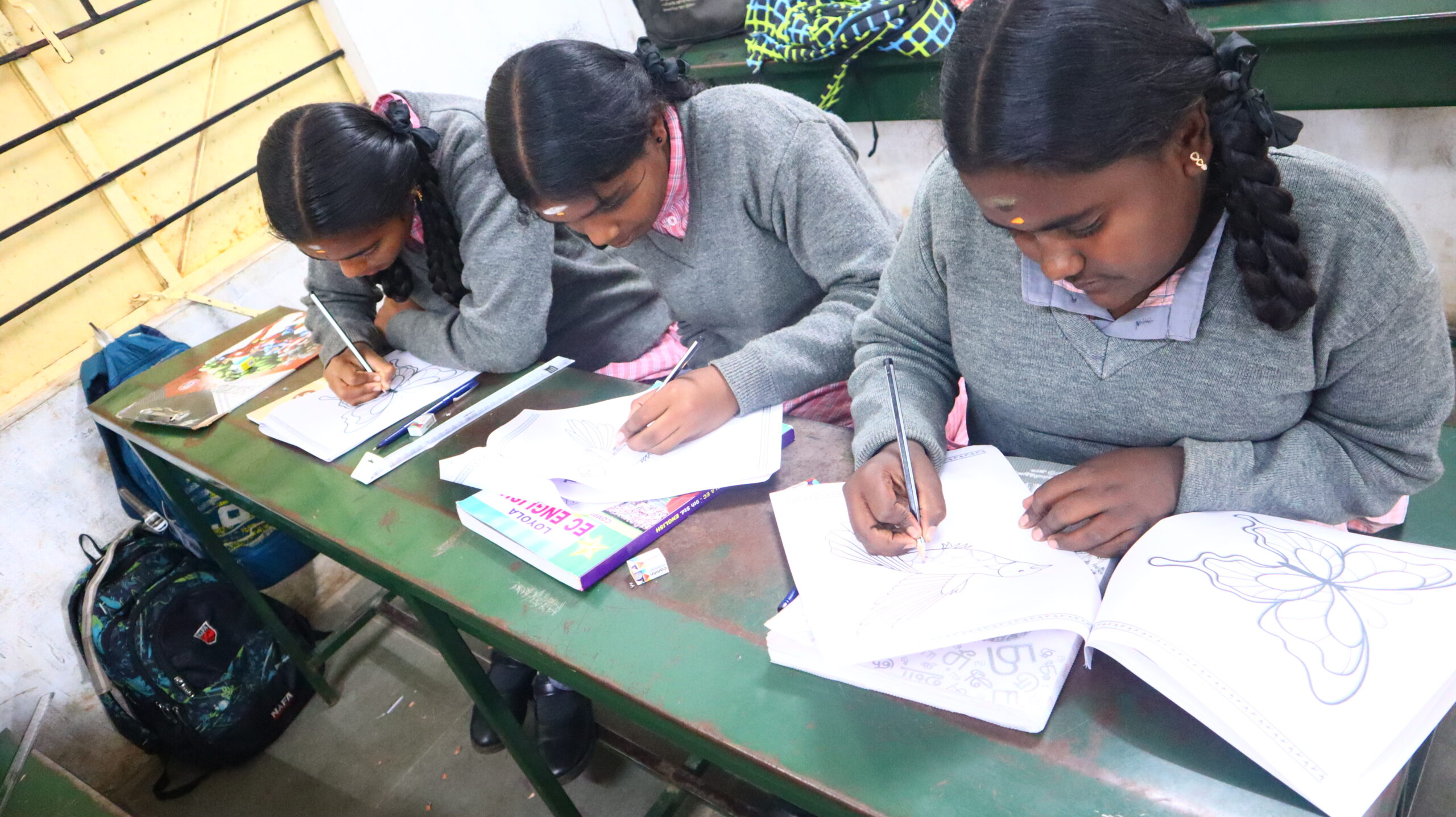
Interactive activities included a drawing competition with children illustrating themes related to bees and agriculture. A honey tasting session featured five honey varieties, showcasing local diversity.
The event concluded with a prize distribution for participating children.
Highlights include
– Interactive activities included a drawing competition
– Traditional knowledge sharing
– Experience sharing of Women beekeepers
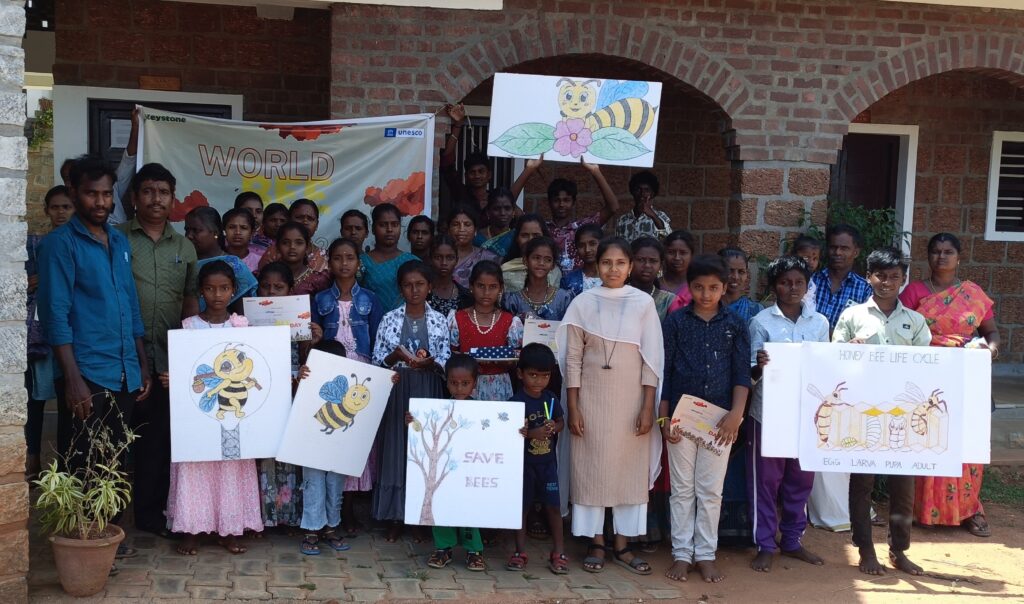
Photo credit: Vinod Kumar
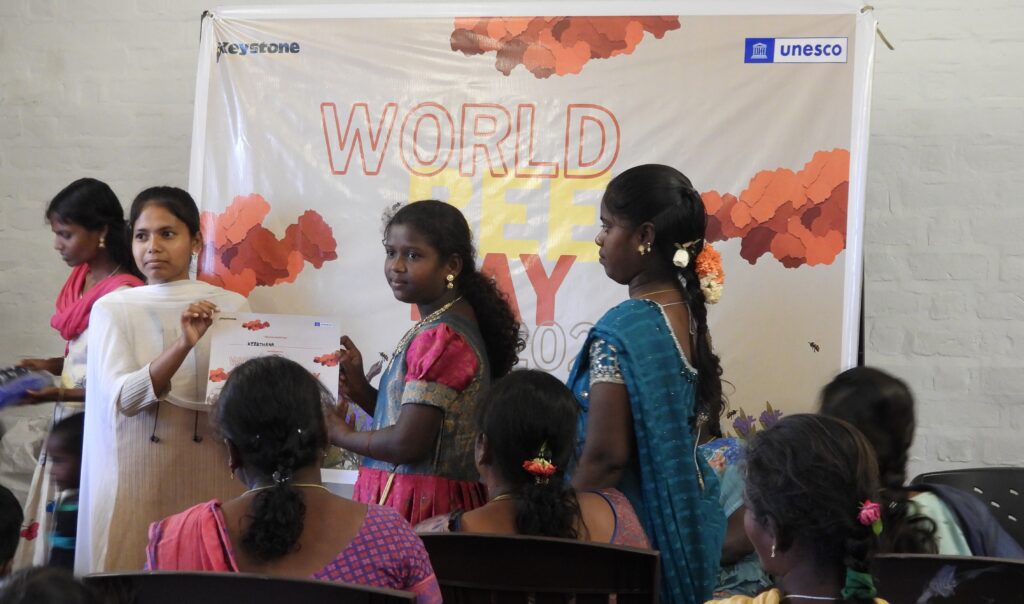
Photo credit: Vinod Kumar
Pillur, Coimbatore district, Tamil Nadu:
On 20.05.2026, a special World Bee Day celebration was held at Inbavanam, aimed at raising awareness about the importance of bees and sustainable beekeeping among children, Women for Bees members, and the public. The event attracted 55 participants, including school children and women beekeepers, fostering enthusiasm and active engagement.
Activities included quizzes, discussions, and creative sessions tailored for children, who eagerly shared their thoughts on bees, pollination, and biodiversity. Awareness talks and information-sharing sessions about bee-friendly plants were conducted, with women beekeepers sharing their experiences, sparking meaningful discussions.
Highlights included:
– Introduction to World Bee Day
– Awareness on bees’ role in pollination and food security
– Interactive quizzes and discussions on bee conservation and sustainable practices.
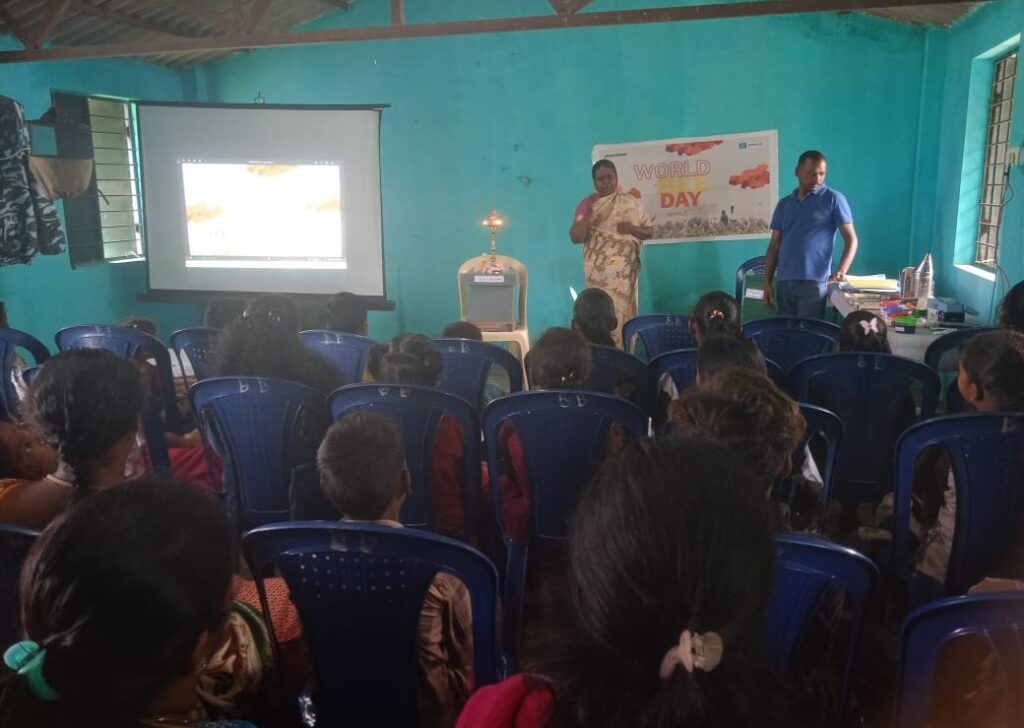
Photo credit: Justin Raj
Hasanur, Erode district, Tamil Nadu:
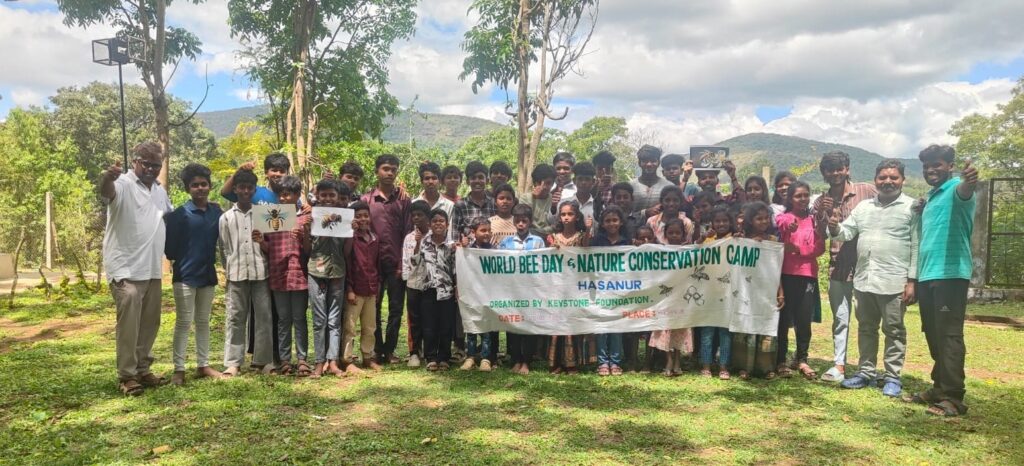
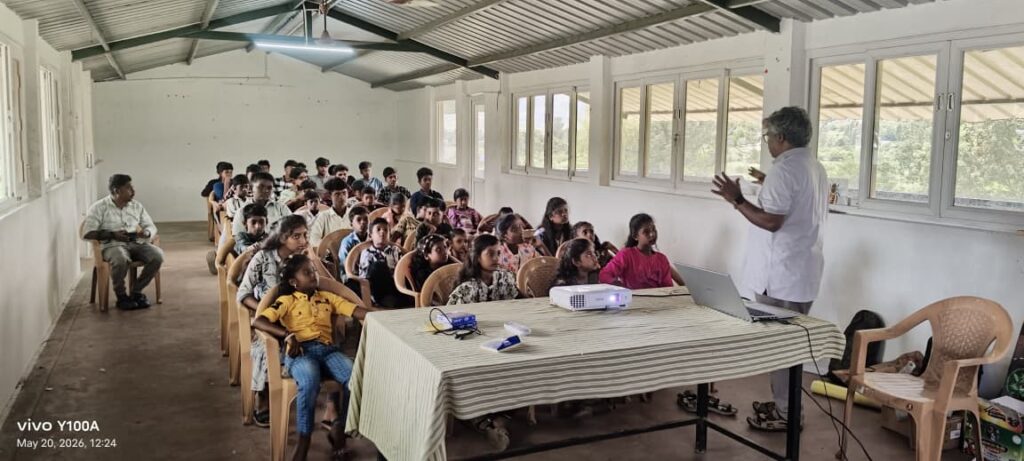
In Hasanur, the Keystone Field Ecology Center celebrated Bee Day in Arepalayam, engaging a total of 45 students from the village. The event began with an informative session on bees and their conservation, led by Mahadesh Basavegowda (Additional Programme Coordinator). Following this, an interactive session and games were conducted by Shivanna and Mathesan (Field Assistants). In the afternoon, a film screening titled “Honey hunters in the Blue Mountain” was shown to the students.
The World Bee Day celebration successfully raised awareness about the vital role of bees in sustainable development and biodiversity conservation. The 2026 event united government representatives, civil society organizations, and communities in their commitment to pollinator conservation. Through formal addresses, educational sessions, and public outreach, it emphasized that protecting bees is crucial for food security, ecological resilience, and economic prosperity for future generations.