Jyoti Patale, Biodiversity Conservation
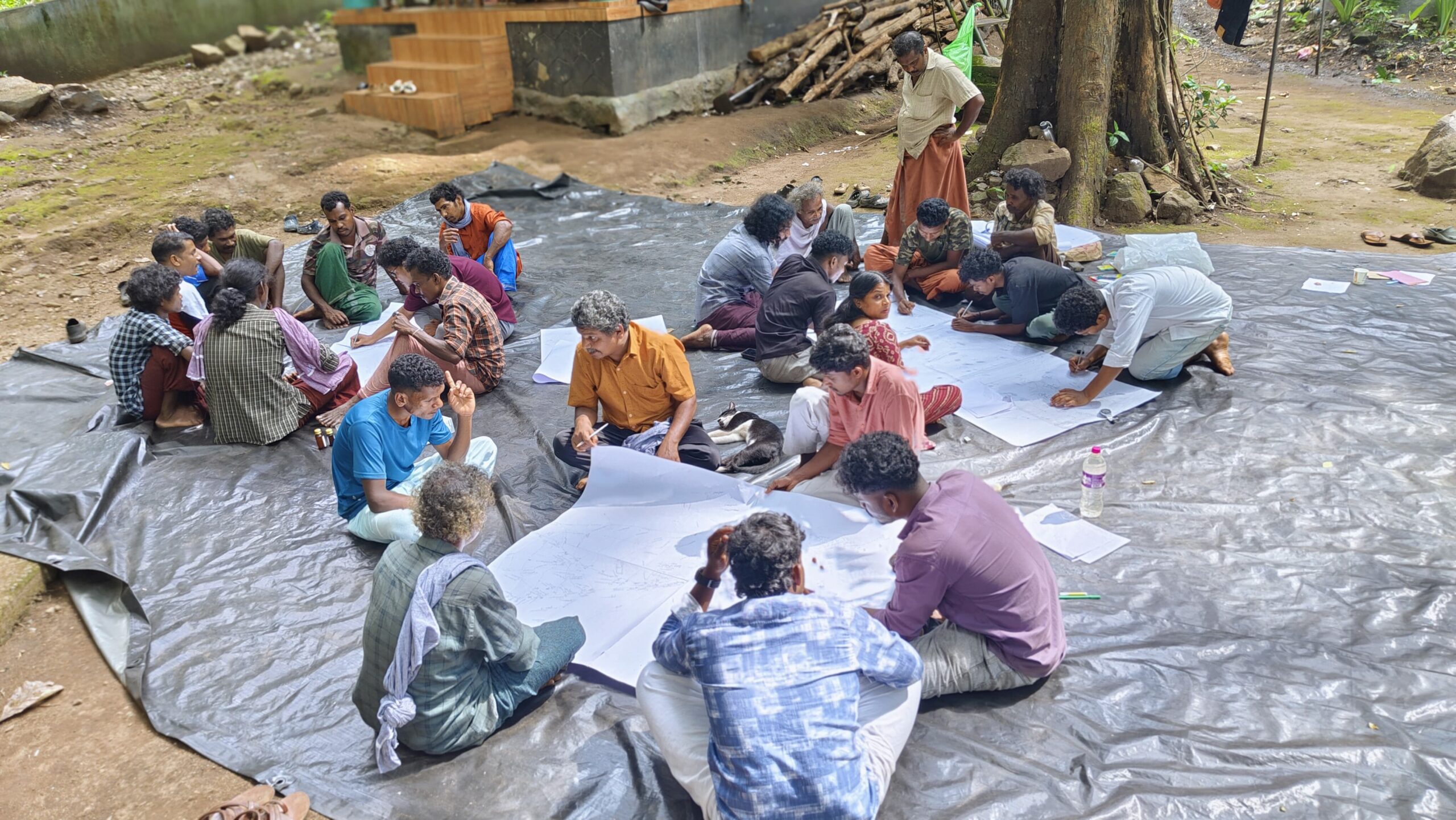
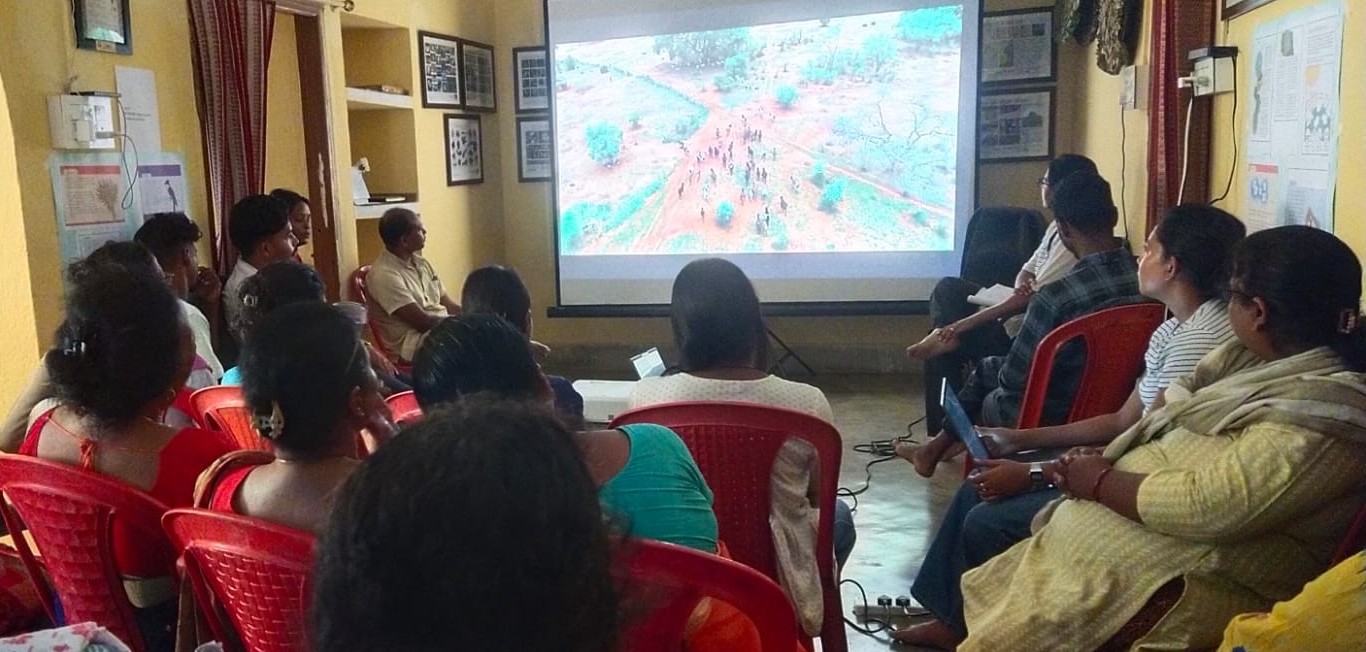
The first session of the monthly climate change dialogue series was conducted by Biju Toppo (Filmmaker, Akhra Ranchi) through discussions based on films. The session was held on 22nd May 2026, with 27 participants taking part.
The program started with an introduction to Keystone Foundation’s work and the topic of climate change. After that, we watched four different films related to water conservation, mining, pollution, and the traditional knowledge of communities.
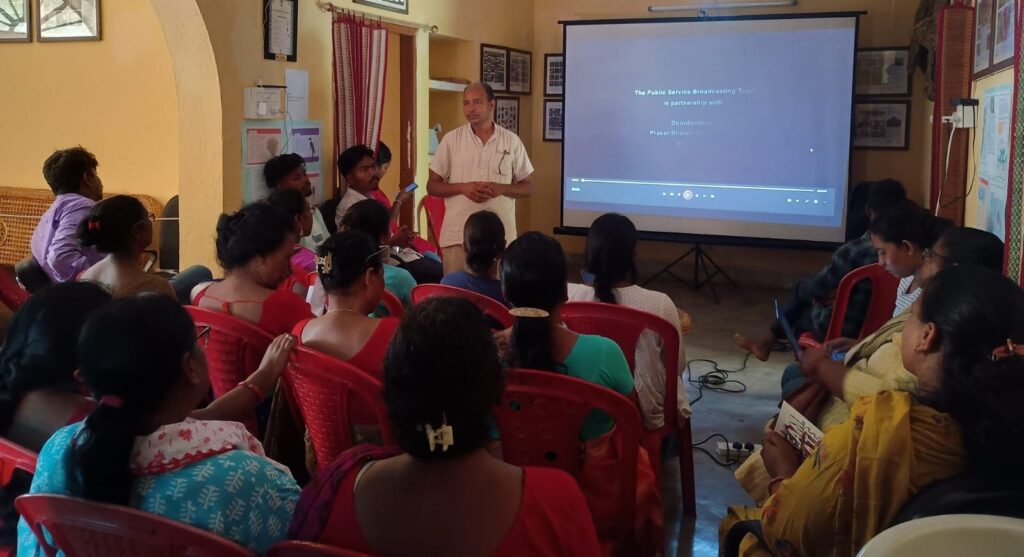
Photo credit: Jyoti Patale
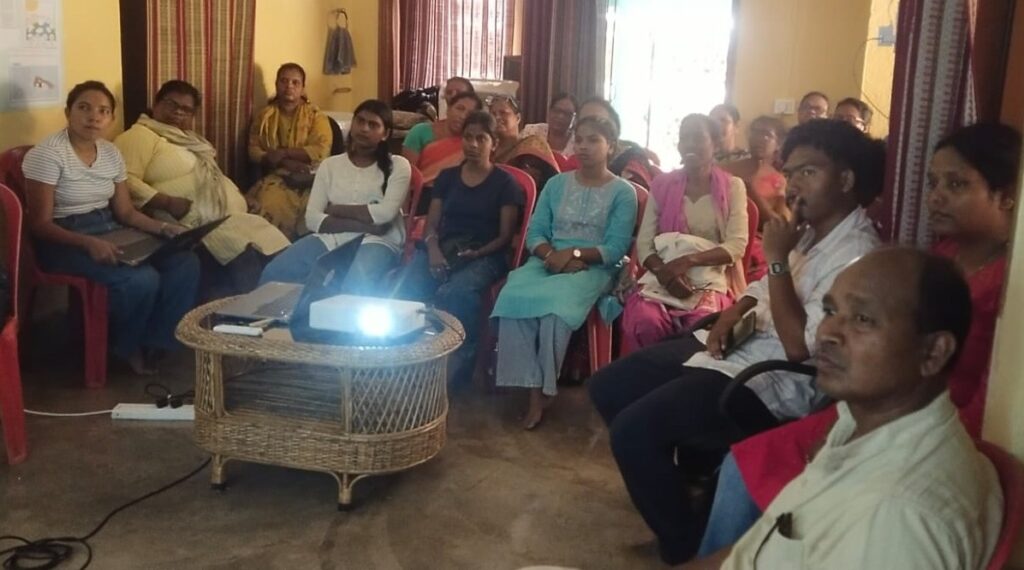
Photo credit: Jyoti Patale,
Some details of the program are as follows:
1. Jharia (2019)
The first film we watched was Jharia, directed by Biju Toppo. The film is about Simon Oraon, who worked for water conservation in Jharkhand. Even though he was not formally educated, he had deep knowledge about nature and water systems.
The film shows how the village was once dry and how people struggled to get enough water for farming and daily use. Simon Baba, along with the villagers, built small check dams, ponds, and canals using simple methods and local materials. Slowly, the groundwater level increased, and water started staying in the area for a longer time.
After the film, Biju Toppo initiated a reflection on the water crisis in Ranchi city. He discussed how the situation has changed over the last 20 years and how we are facing water scarcity day by day. Participants also shared their relationship with water in the city. They compared the village situation during their childhood with the current water challenges faced during summer days. “From bathroom flushes to storing water, we can start from our own homes, one step at a time,” Biju Toppo added during the discussion.
2. Mamody: The Last Baobab Digger (2022)
The second documentary was about Mamody, a man from Madagascar who lives in a dry region where water is very scarce. Rainfall is very low, and people face serious challenges in accessing drinking water and practicing farming. Mamody uses a unique traditional technique in which he carefully digs holes inside baobab trees. These trees naturally store water in their trunks, and by making these holes, water can be collected and used during dry periods. This method helps the community survive even when there is no rain.
It also shows that younger generations are slowly moving away from these traditional practices and depending more on modern systems. This can be risky because modern systems may not always be reliable.
After the screening, a discussion emerged on passing on traditional knowledge related to forests, food, and survival skills. Helen Minz, a retired teacher and participant, shared her memories of the wide variety of saag and seasonal uncultivated foods that people used to eat earlier. She said that nowadays children know only a few vegetables available in the market, and they have also lost the taste for traditional foods. She mentioned that in the time of climate change, it is important to learn from traditional knowledge holders along with school-based bookish knowledge.
3. No Water, No Village (2021/2022)
This film focused on Himalayan regions like Ladakh and Himachal Pradesh, where people depend on glaciers and snowfall for water. Due to climate change, glaciers are melting faster, and snowfall has become irregular. As a result, farmers are facing difficulties because water is not available at the right time for crops. Rivers and streams are also drying up, affecting both agriculture and daily life. In some places, people are even leaving their villages because of water scarcity.
Participants shared that they learned something new through the film. “We always thought snow-covered regions had plenty of water, but today we understand the impacts of climate change on Himalayan regions,” Shanti Lakra shared her thoughts. The discussion also highlighted the impacts of climate change on livelihood, migration, and health, as mentioned in the film.
4. Iron is Hot (2007)
The last film, Iron is Hot, focused on the sponge iron industry and its impact on the environment and local communities. The film showed how industries have expanded rapidly without proper planning or concern for nature. Due to pollution from smoke, dust, and industrial waste, air and water sources have become unsafe. Farming has also been affected, as the land is becoming less fertile.
The film highlighted the health problems faced by villagers, including breathing issues, skin diseases, and mental stress. It also showed the struggles of local people protesting to protect their land and livelihoods.
Kanchan Toppo shared that she felt very sad seeing the struggles of Adivasi communities. Rojaliya Tirkey from JAWA said that people should stay united and fight together against such problems. She also observed that many village women actively participated in these movements.
Retired nurse Mary shared her experiences of working in the mining areas of Jharkhand. She said that people’s mental health is deeply affected by the challenges they face. After watching the film, she realized how serious the situation is for communities living around mining and industrial areas.
Participants connected the films with the situations in their own geographies. They shared that water sources are drying up, rainfall is becoming irregular, farming is suffering, and pollution and deforestation are increasing. During the discussion, participants recognized that these challenges extend beyond one location and also affect their own communities.