Mohammed Rafiullah, Community Wellbeing
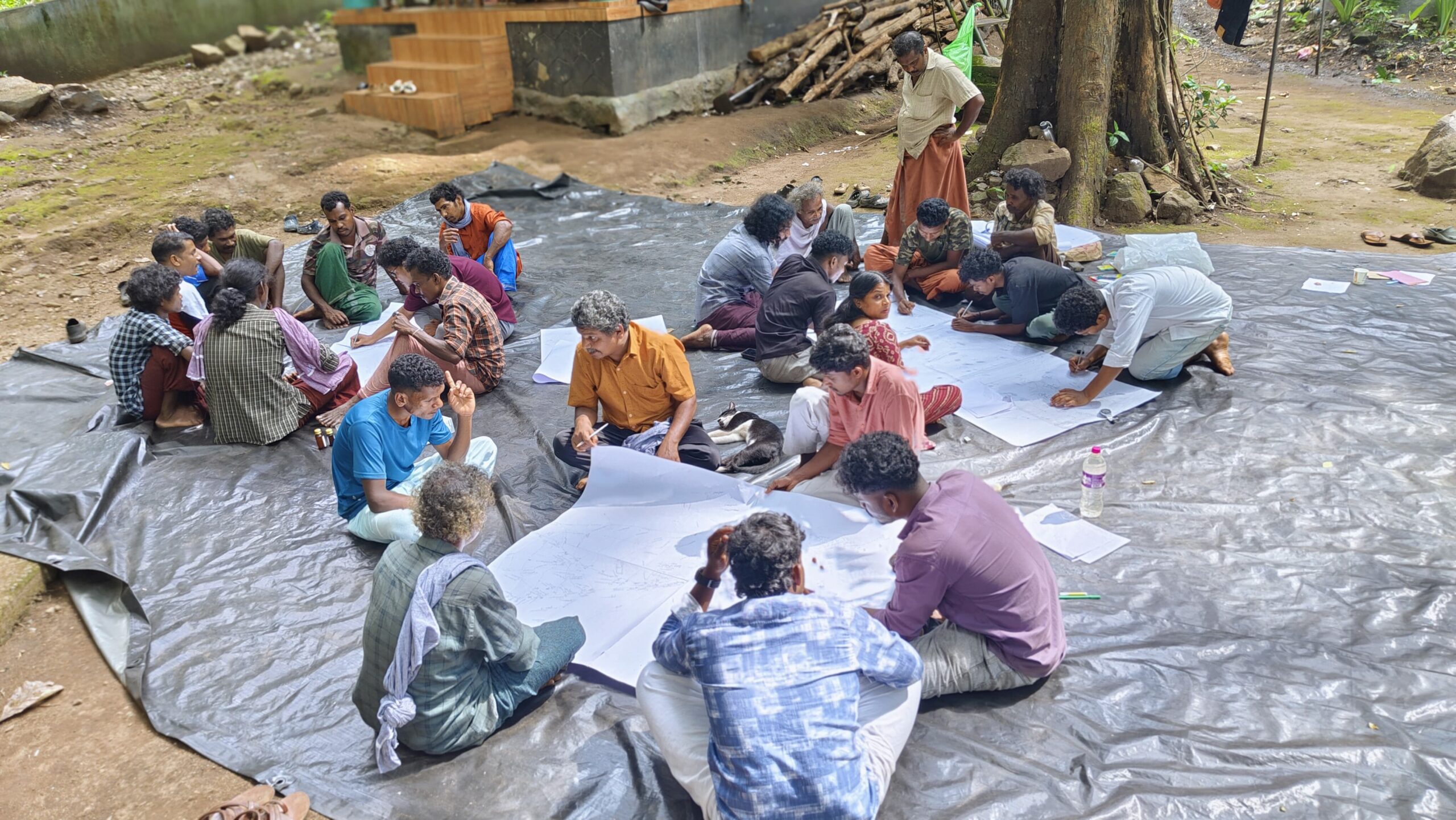
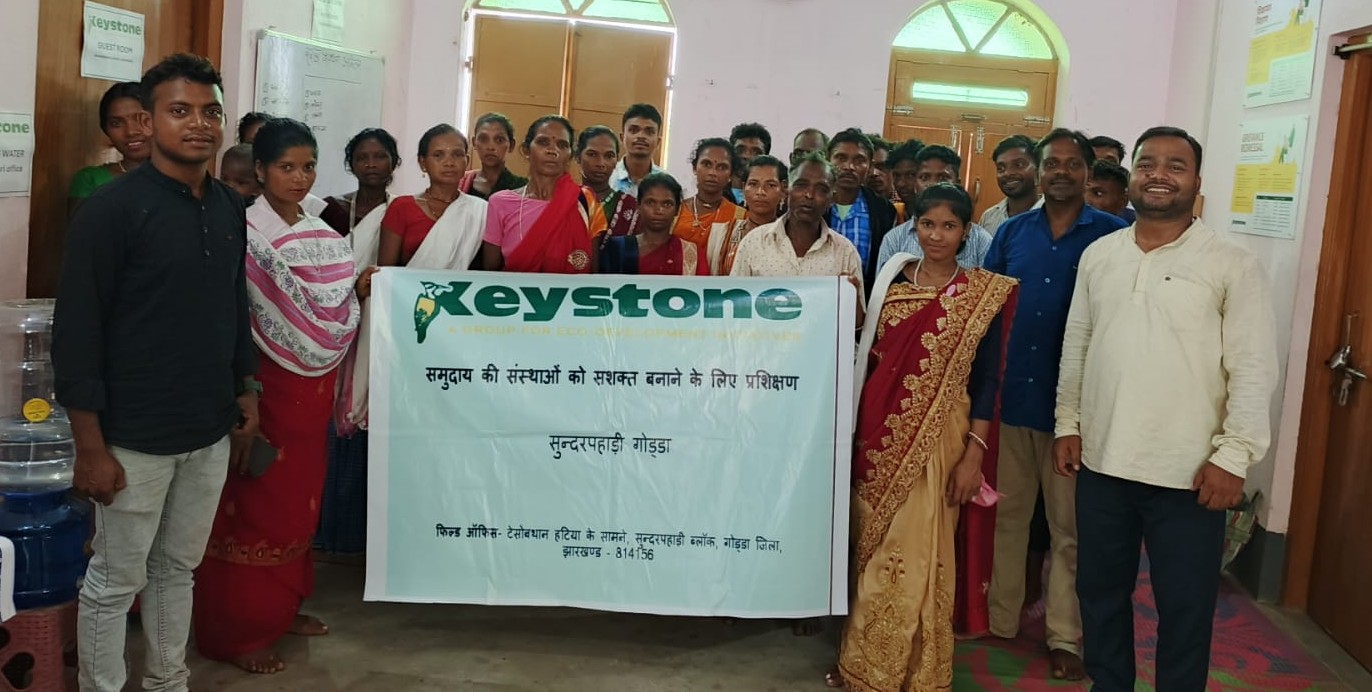
Mr. Mohammed Rafiullah led a key training session on May 18, 2026, at the Keystone field office in Sundarbahari. Members of Water User Groups (WUGs), social activists, and the village head (Mukhiya) participated in the session, which aimed to strengthen grassroots-level organizations.
Core Objective of the Training
The primary focus was to deepen the group’s understanding of the WUG framework and institutionalize the practice of monthly savings. These collective savings will act as a community-managed fund to redress future issues without external dependence. The participants discussed the installation of solar equipment as a key example. Once the 5-year warranty expires, the WUG will use its accumulated savings to address any technical or maintenance issues.
Understanding Rules, Regulations, and Collective Responsibility:
During the session, facilitators thoroughly oriented participants on the importance of the WUG, its operational bylaws, and each member’s role in community governance. They emphasized that the WUG is not merely a savings collective but also a decision-making body that supports local development and environmental protection

Photo credit: Sanjhla Soren
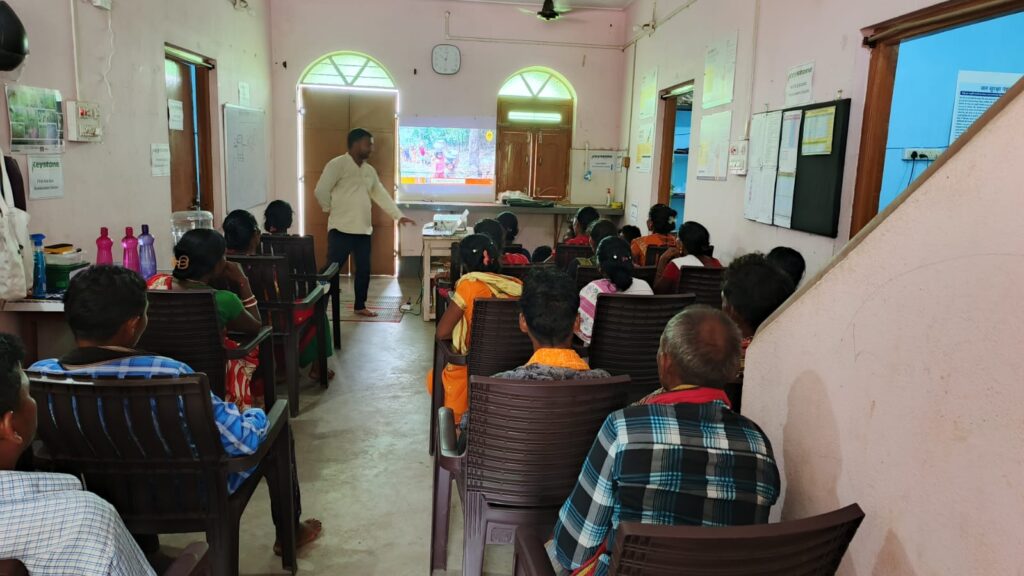
Key responsibilities assigned to the WUG include:
- Water Source Hygiene- No littering or waste disposal will be permitted near the village spring (jharna). The WUG holds full accountability for maintaining cleanliness in and around the water source.
- Local Conflict Resolution – Any issue arising at the local level—be it social, infrastructural, or resource-based—will be resolved through the WUG rather than external authorities.
- Water Conservation – Preventing the wastage of water and promoting judicious use.
- Forest Protection – Taking active measures to prevent forest fires.
- Soil Conservation – Implementing practices to reduce soil erosion.
- Rainwater Harvesting – Capturing and storing rainwater through various activities to recharge groundwater and support agriculture.
A Step toward Sustainable Self-Reliance:
This training marks a significant milestone in building resilient community institutions. By linking financial discipline (monthly savings) with environmental stewardship (water, forest, soil) and local governance, the WUG model ensures that communities are not just beneficiaries but active managers of their own resources and future.
The Keystone team remains committed to supporting these institutions as they take ownership of their development journey.