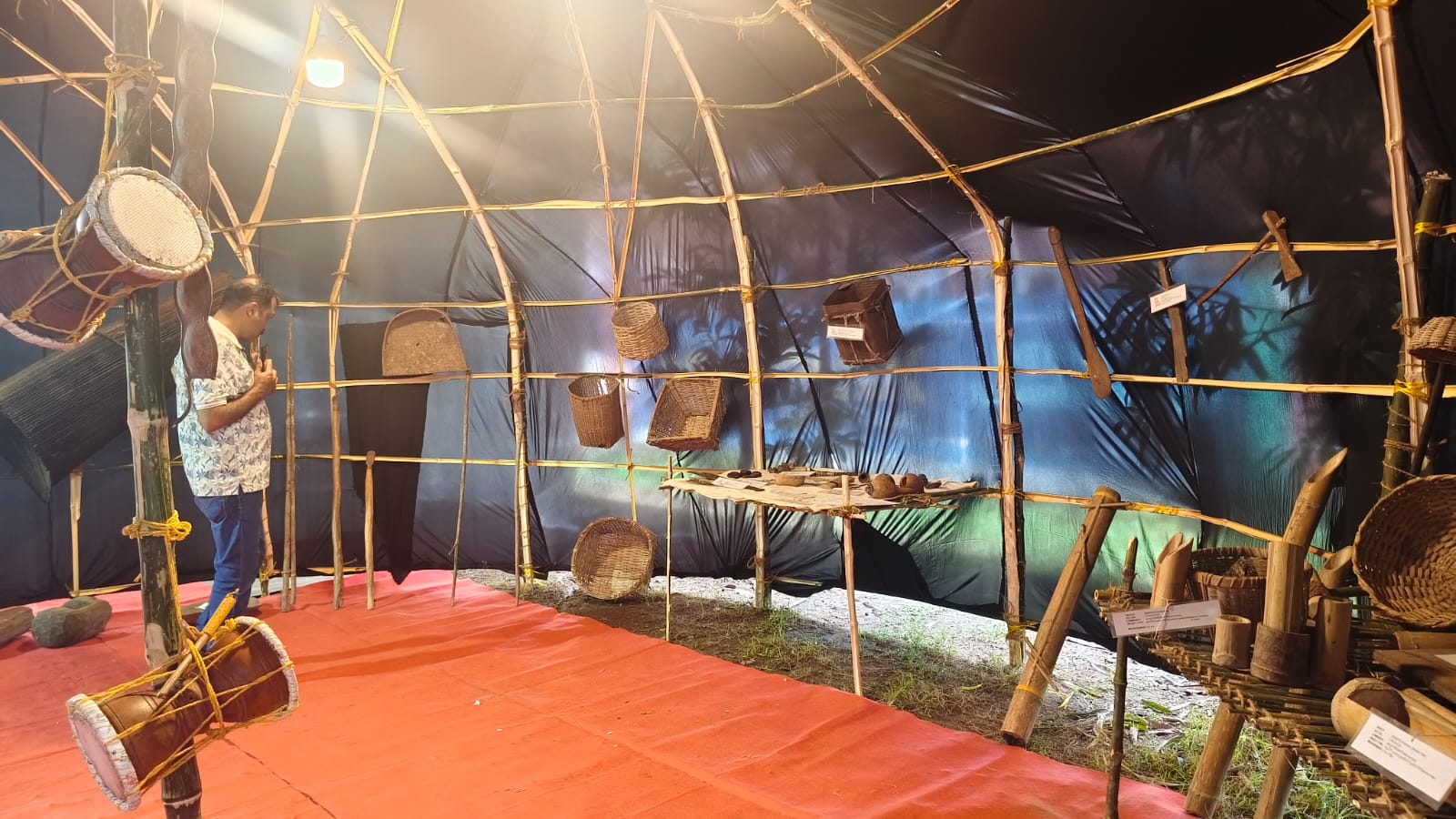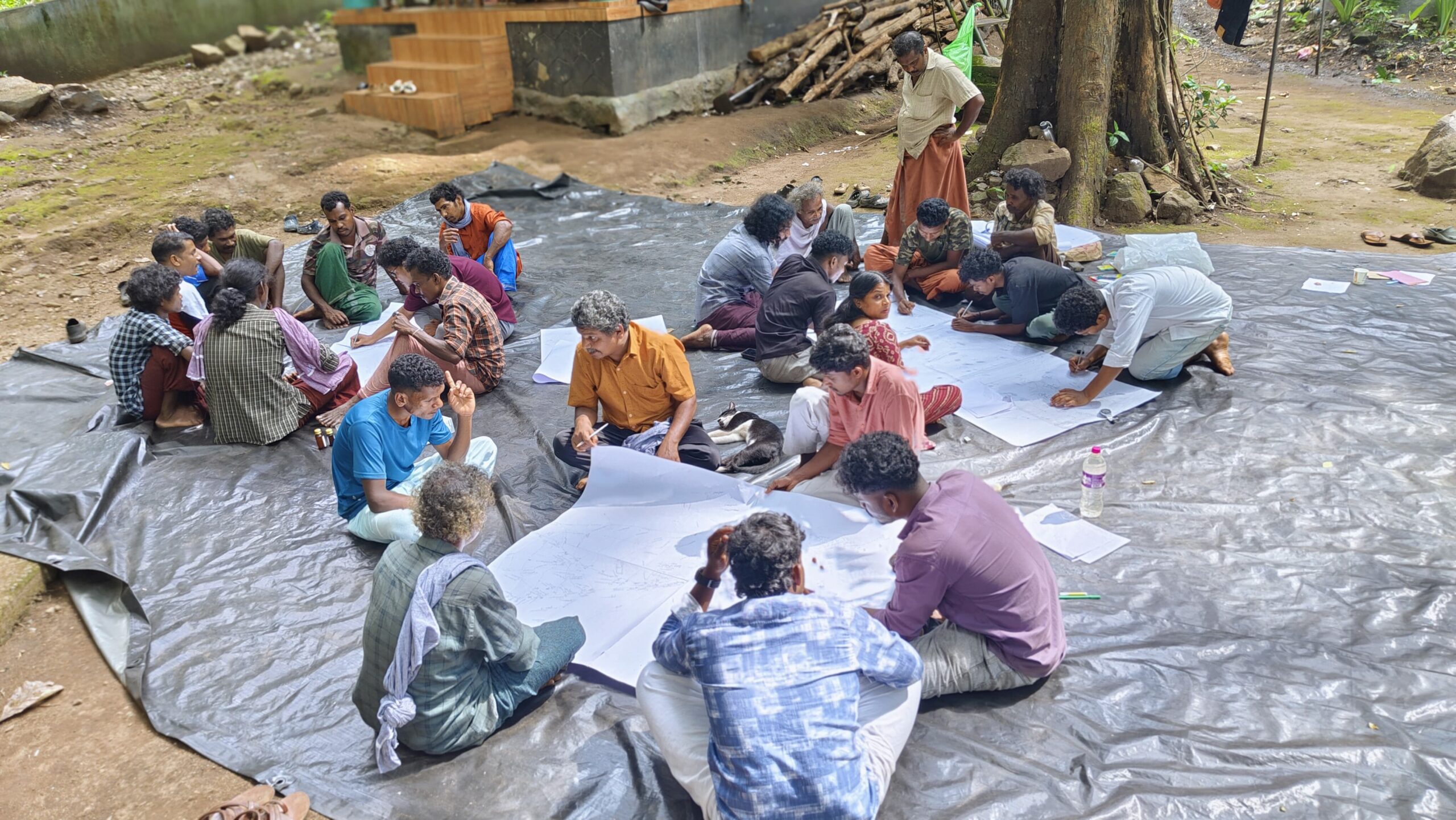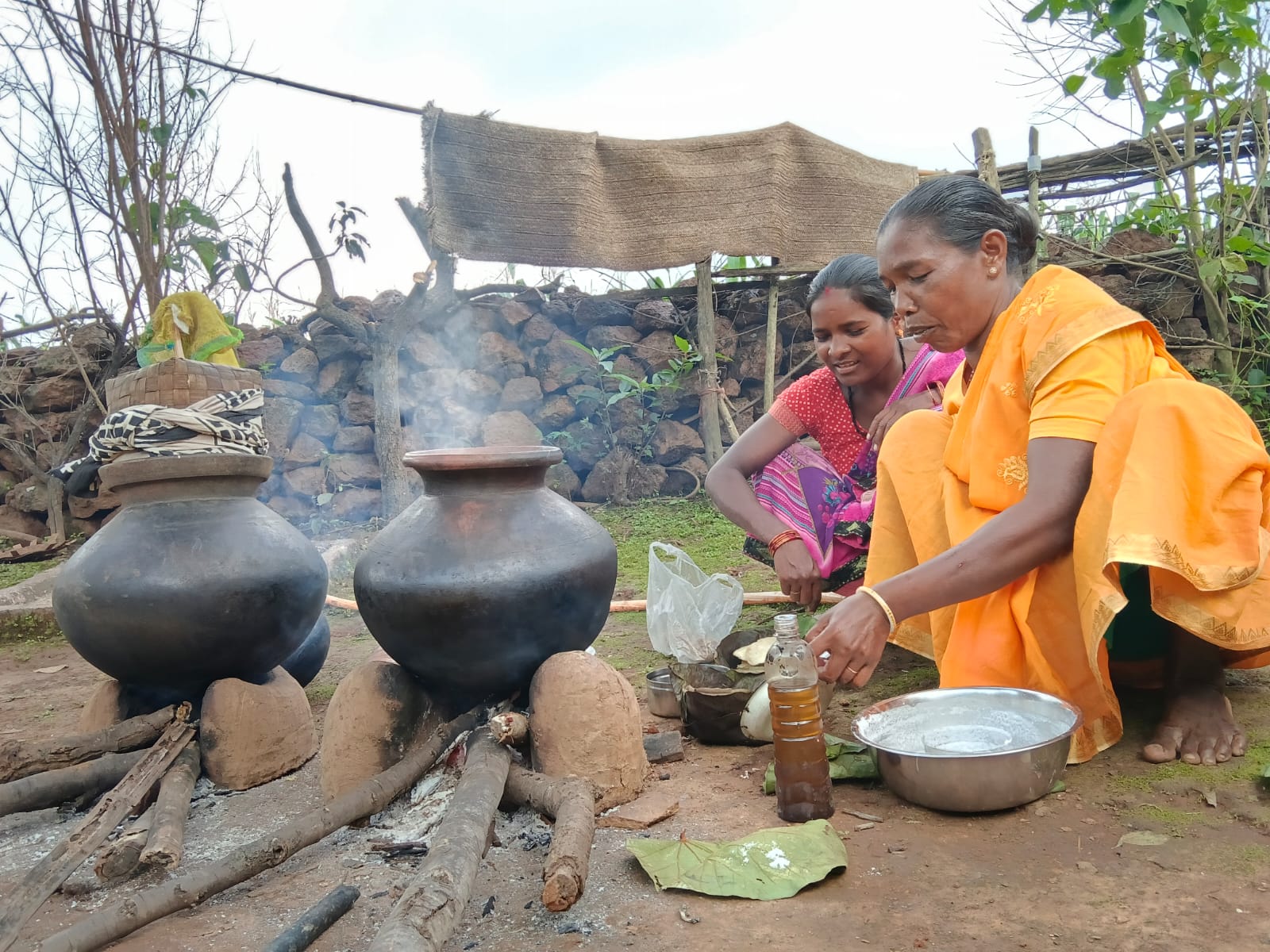

A three-day workshop on Ethical Narrative Building, organised by the Centre for Financial Accountability (CFA), HOPE, and supported by The Wire.
By Shawn Jacob Stephen, Knowledge Hub
Telltale Stories brought together 25 practitioners, journalists, activists, and communicators from over 12 states across India, hosted by CFA and HOPE from 1–3 April 2026 in Delhi. The workshop explored how NGOs, civil society organisations, and independent journalists can use diverse digital media formats to amplify grassroots work and expand its reach. What follows is a summary of its key sessions and outcomes.
“Storytelling is not merely a communicative act, but a political and ethical practice central to shaping public discourse.”
Day One: The Indian Media Landscape:
The opening sessions examined how news consumption patterns in India are shifting. Drawing on National Family Health Survey data, speakers noted declining television and print consumption across most demographics. They observed that YouTube now commands nearly the same share as television news and newspapers.combined. This has accompanied a broader shift from journalism toward content creation, raising questions about trust, reach, and framing.
The Wire journalist Jahnavi Sen spoke about structural constraints facing media organisations today. She highlighted restricted access to information, self-censorship, and the chilling effects of the IT and DPDP Acts. Down To Earth journalist Richard Mahapatra shared perspectives from social and environmental movements. He noted that pre-liberalisation reporting centred social and environmental dimensions of movements like Chipko, Veerappan, and Right to Food. Jahnavi Sen observed that post-liberalisation coverage increasingly prioritised economy and development narratives over livelihoods and rights concerns. He added that Indian environmental movements remain deeply connected to livelihoods, rights, and social justice issues.
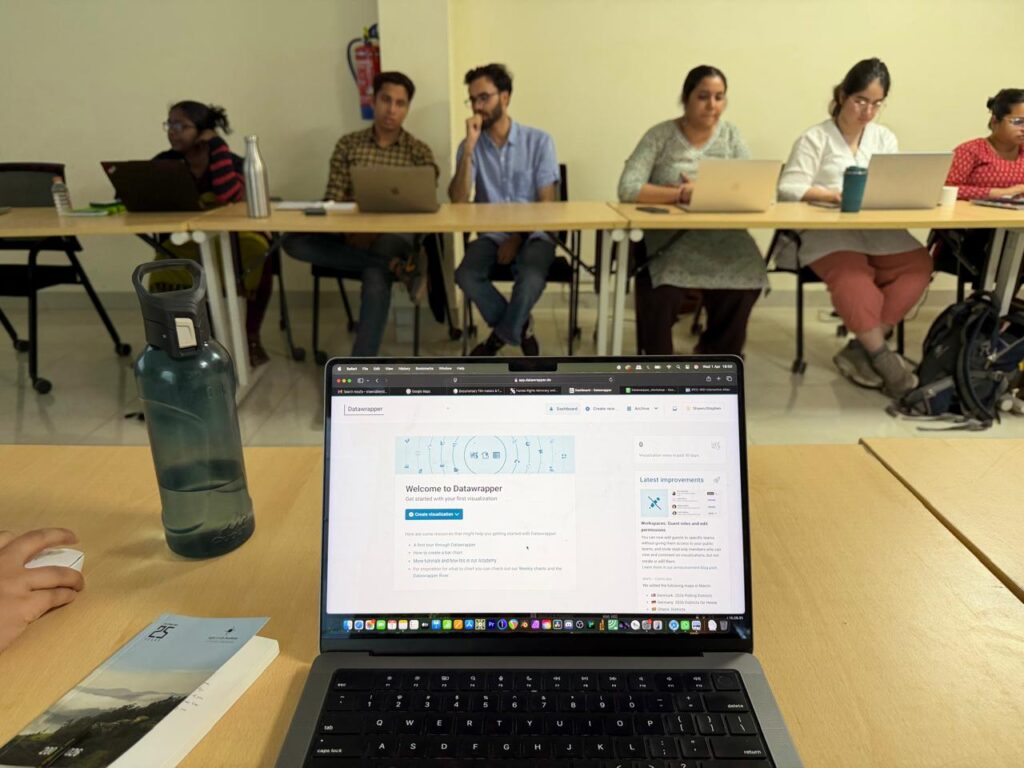
The day closed with a hands-on session on data storytelling, led by Pulaha Roy from the Centre for Science and Environment, exploring how tools like Datawrapper can turn complex data into accessible, interactive visuals.
Day Two: Craft, Social Media & Digital Rights:
Vaishnavi Suresh of CFA opened the second day with a session on storytelling craft. Drawing from her published work, she illustrated classic structures, including the 3-act and 5-act forms. Additionally, she explained practical techniques such as the “hook and segue” method. Through this approach, a powerful opening draws readers in before guiding them toward the core issue. Furthermore, she demonstrated how these storytelling structures apply to journalism, photography, and film alike.
Let India Breathe member Yash Marwah led a session on social media storytelling. He encouraged participants to identify audiences, understand platform-specific formats, and cultivate a distinctive storytelling voice. He stressed monitoring trends and adapting strategies to changing digital media environments. Yash Marwah drew examples from Let India Breathe’s experience building engaged communities around environmental content.
The afternoon turned to digital rights, with Anjali Bharadwaj (co-convenor, NCPRI) and Amrita Jhori leading a session on the DPDP Act, 2023. Moreover, the Act significantly amends the RTI Act and removes the earlier exemption for journalistic data processing. Consequently, the practical implications are severe for investigative journalists and media organisations. For instance, a reporter investigating a builder linked to fatal construction failures could face legal jeopardy.
This is because naming the accused may now constitute processing “personal data” without consent. The absence of a journalistic-purpose exemption, participants heard, effectively ties the hands of reporters and RTI activists alike.
Day Three: Ethics, AI & Responsible Reporting:
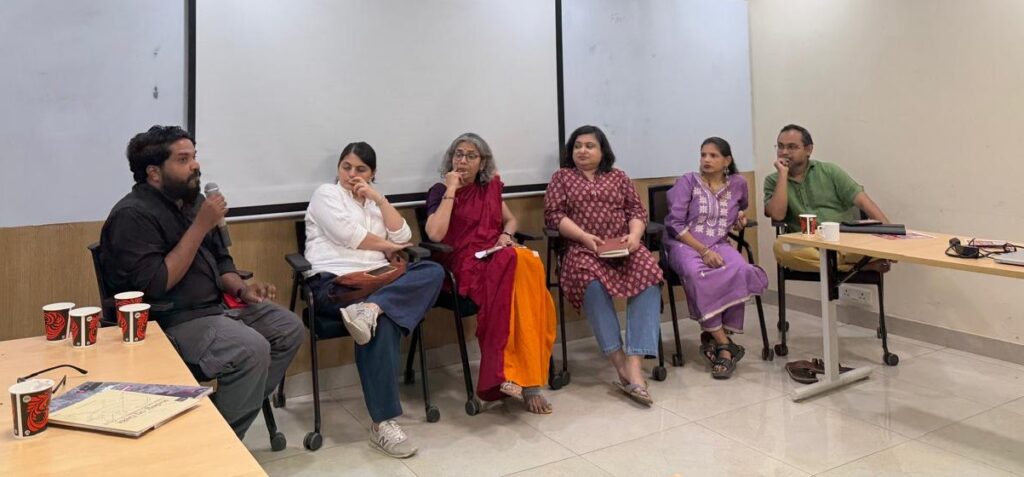
The final day focused on the ethics and practicalities of storytelling in complex, contested contexts. Sessions explored narrative empathy and how grounded details build stronger audience connections. They also discussed strategies for sustaining engagement during an era of digital fatigue. The workshop covered media communication formats including press releases, op-eds, and story pitches. Facilitators shared practical advice on digital safety and protecting sources amid increasing surveillance. Discussions on artificial intelligence examined both its utility and associated risks. Speakers highlighted concerns about data exploitation and the erosion of audience trust. The workshop concluded with discussions on responsible reporting in high-stakes contexts like land conflicts. Speakers stressed careful, evidence-based journalism amid competing regulations and entrenched interests. They encouraged journalists to treat community members as subject-matter experts, not passive subjects.