Rohan Mukerjee, Community Wellbeing
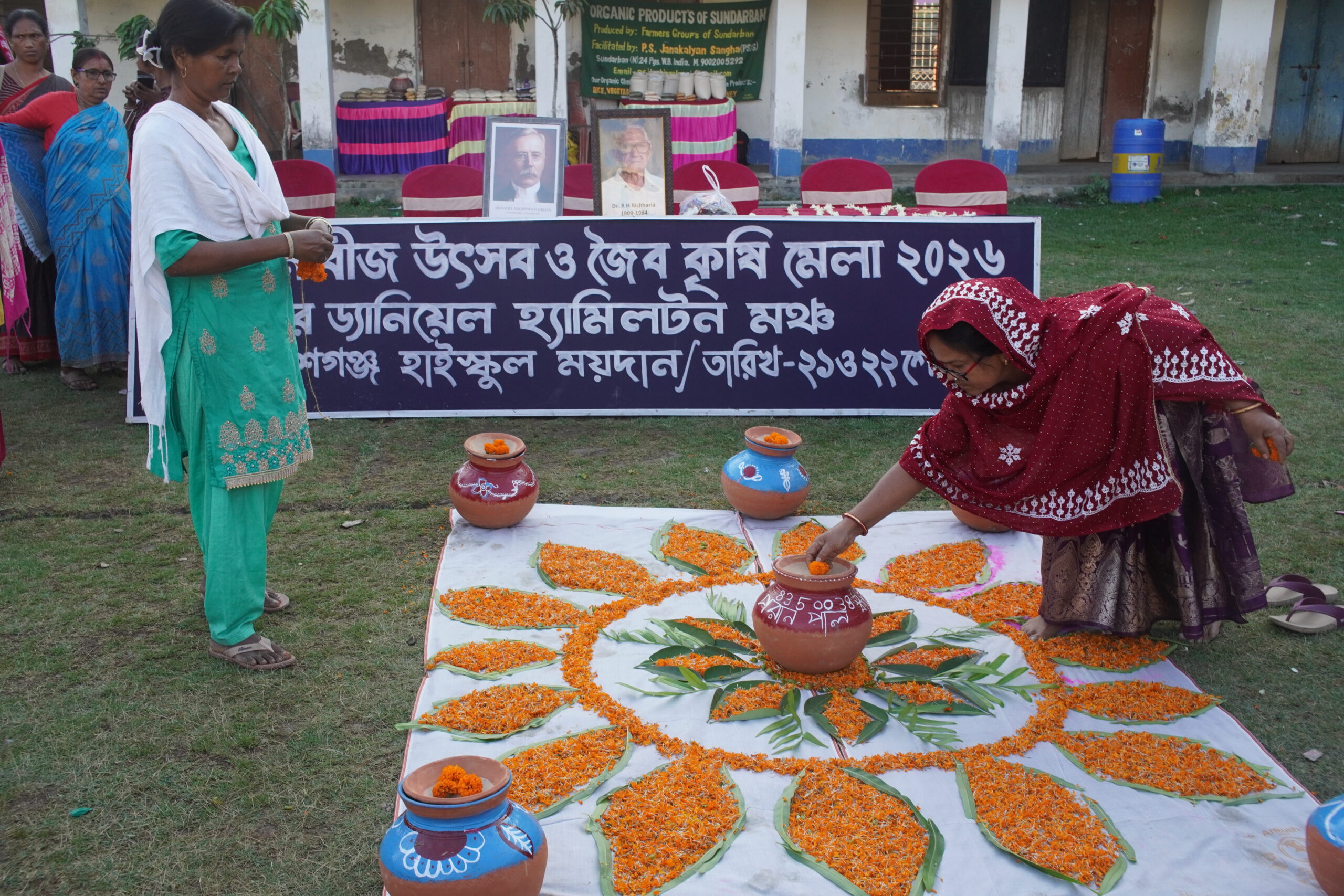
On March 21 and 22, the 2026 Sundarbans Beej Utsav cum Organic Farming Fair took place at Jogeshgunj High School, North 24 Parganas, West Bengal. Paschim Sridharkati Jana Kalyan Sanghya (PSJKS), Keystone Foundation, PSKUS, and FIAM jointly organized the Sundarbans Beej Utsav, with support from Bharat Beej Swaraj Manch, BothEnds, MISEREOR, WASSAN, Bharat Agroecology Fund (BAF), and the Revitalizing Rainfed Agriculture (RRA) Network.
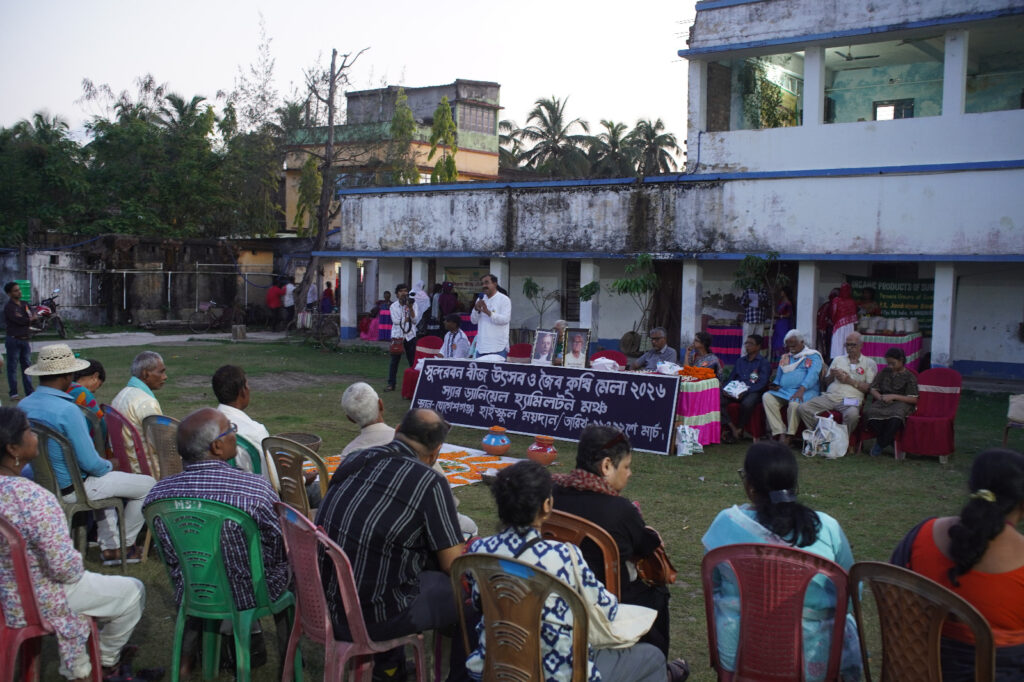
Photo credit: Rohan Mukerjee
The event brought together over 340 farmers, seed conservators, grassroots organisation representatives, researchers, and individuals committed to organic farming and traditional practices. Twenty-three representatives from Keystone Foundation’s Eastern India initiative, including farmers, CRPs, staff, PBKSKS members, and consultants, attended the event.
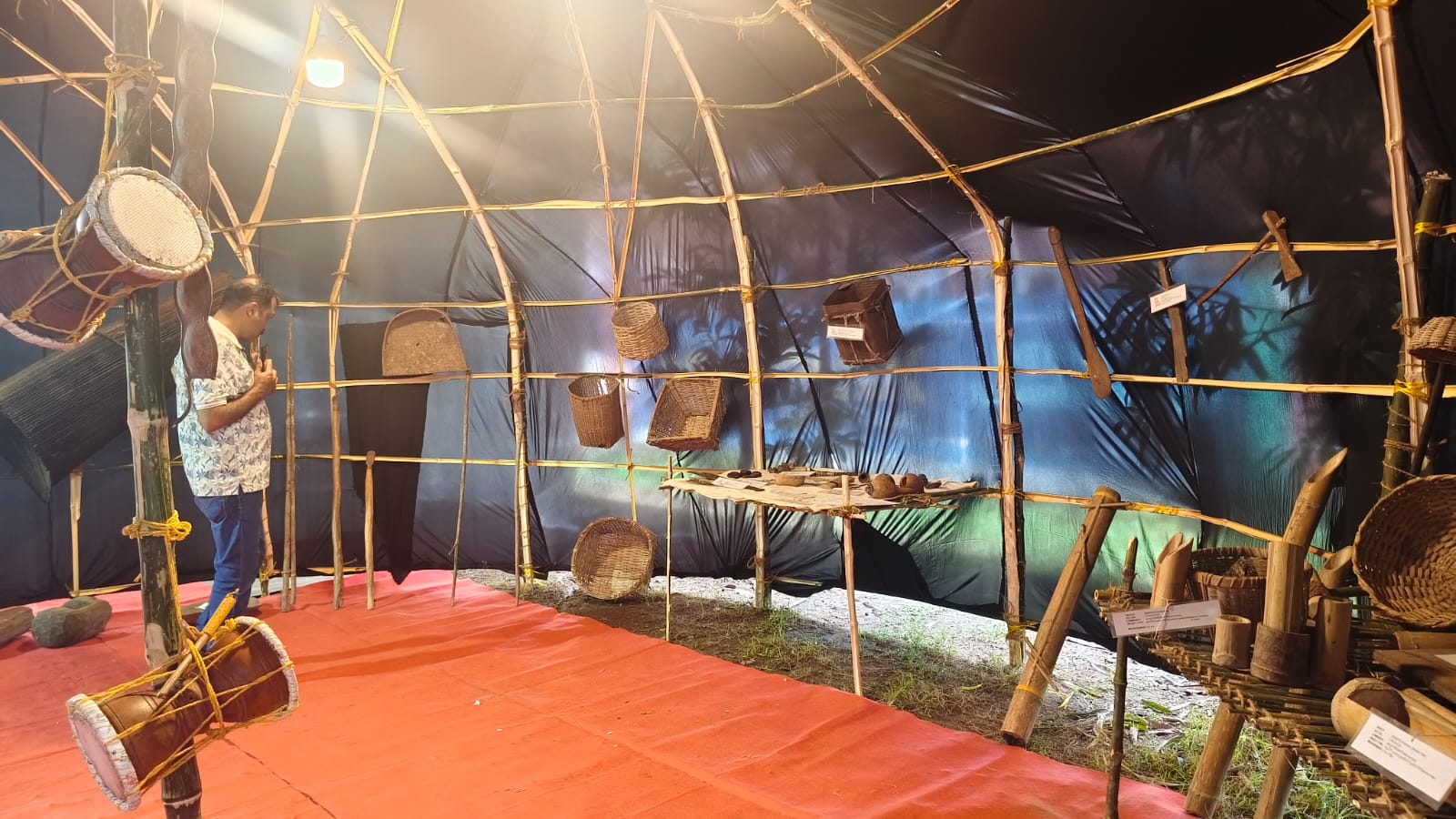
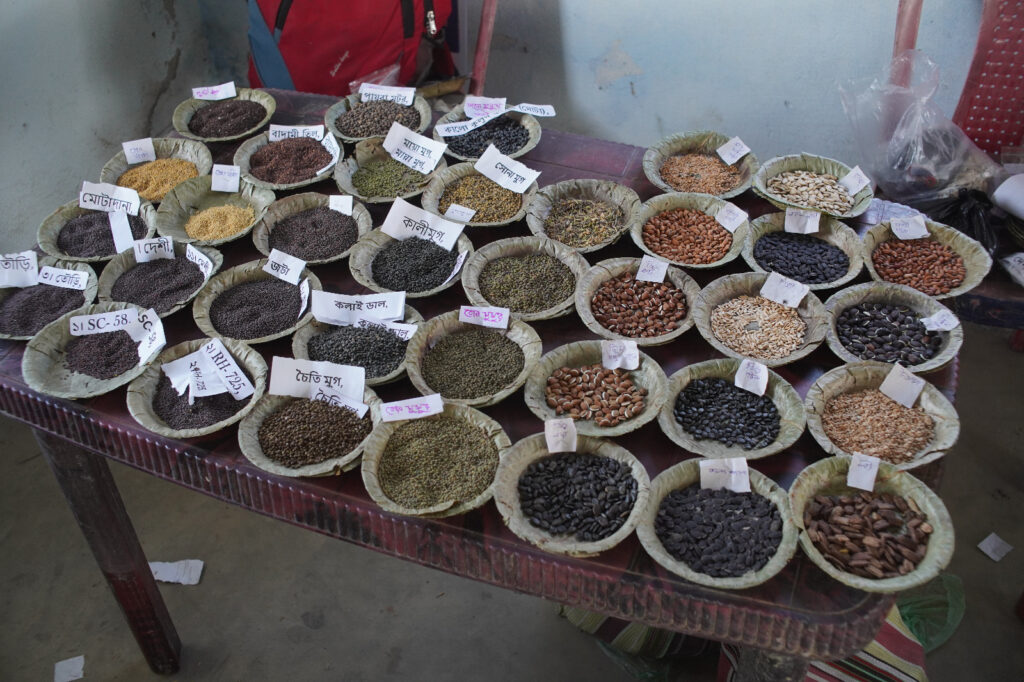
Keystone Foundation put up two exhibits one from Purulia and Bankura and the other from Kolhan region of Jharkhand. The marketplaces featured a variety of traditional seeds—such as paddy, pulses, vegetables, greens, tubers, fruits, and seeds—as well as wild and uncultivated food products.. The team from Purulia and Bankura also had a range of handicrafts made from local grasses for sale.
In addition to Keystone Foundations several other organisations from various parts of West Bengal and other states like Jharkhand, Bihar, Odisha, Chhattishgarh, and Assam set up diverse stalls with a variety of products on display.
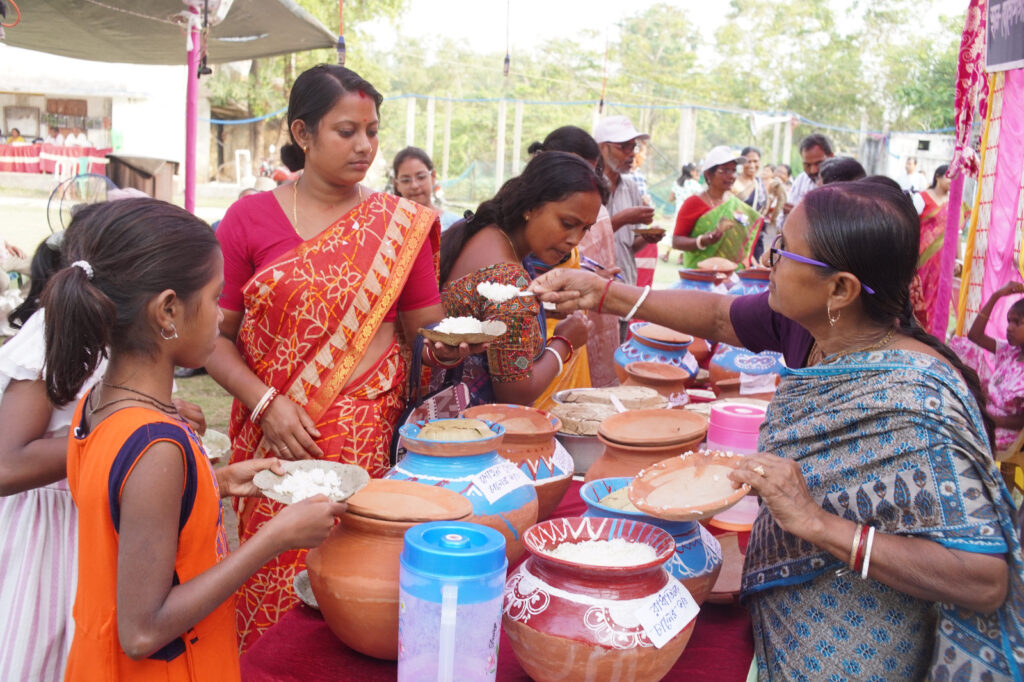
Photo credit: Rohan Mukerjee
Exhibitions and Seed diversity:
One exhibit featured a stall by Durga Shankar Prasad from Narendrapur, West Bengal, displaying local seeds stored in matchboxes with labeled names. Durga Shankar Prasad, an active organic farming trainer, collected these seeds during trainings conducted across different parts of West Bengal and Jharkhand.
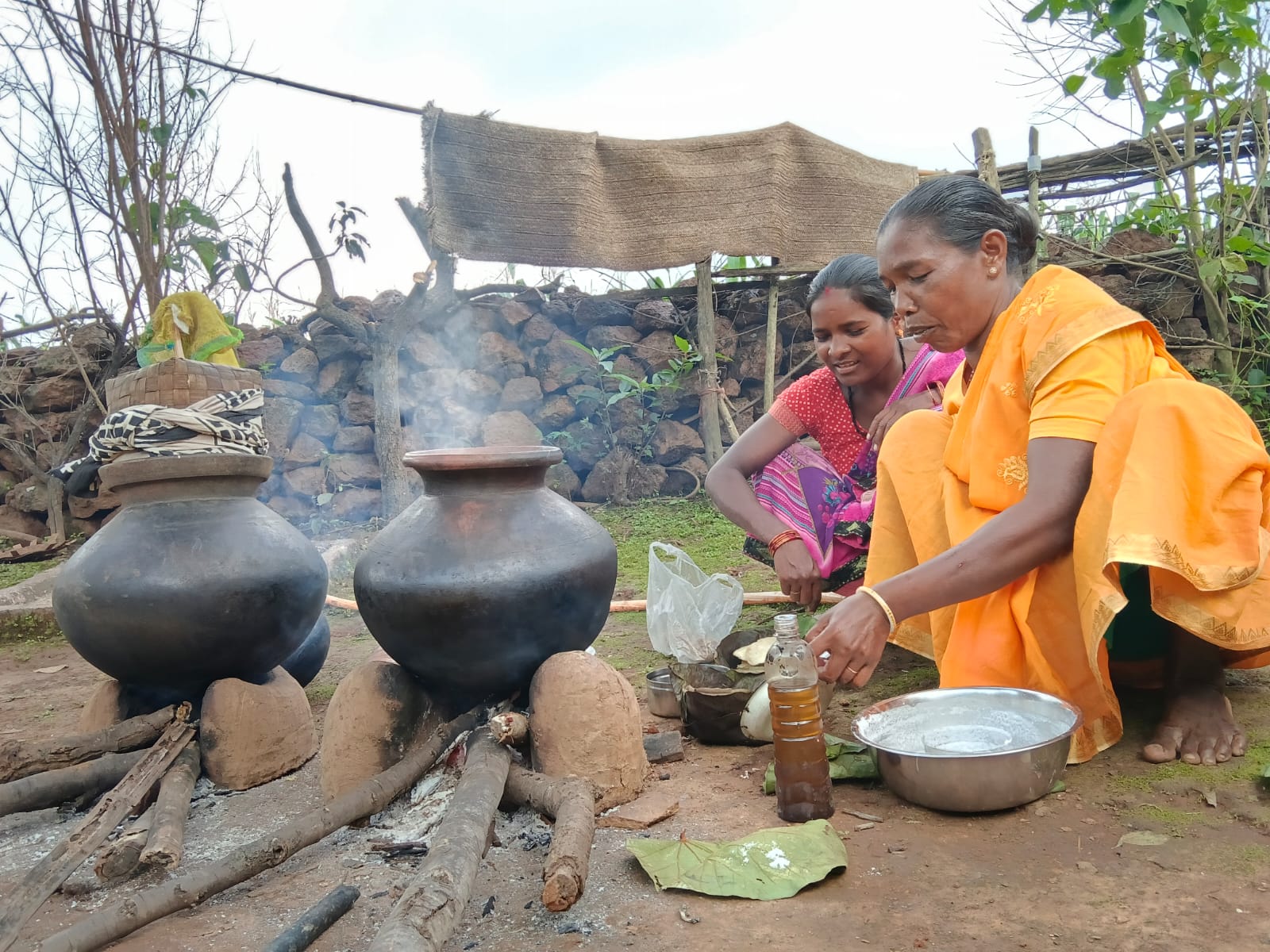
A group of women from the Sundarbans has worked for over two years to popularise uncultivated foods. They set up a tasting table where visitors sampled dishes prepared using various wild and uncultivated foods.
Competition Showcasing Tradition:
The Beej Utsav also had two competitions. The first was a Traditional Agriculture competition, where farmers from across the Sundarbans displayed a rich diversity of traditional seeds and crops. Some, like veteran farmer Bibhu Ranjan Mandal from Pathargora, have cultivated traditional varieties using organic methods throughout their entire lives. The second competition involved women and groups preparing traditional foods, including fritters, chops, rice dishes, sweets, and other items.
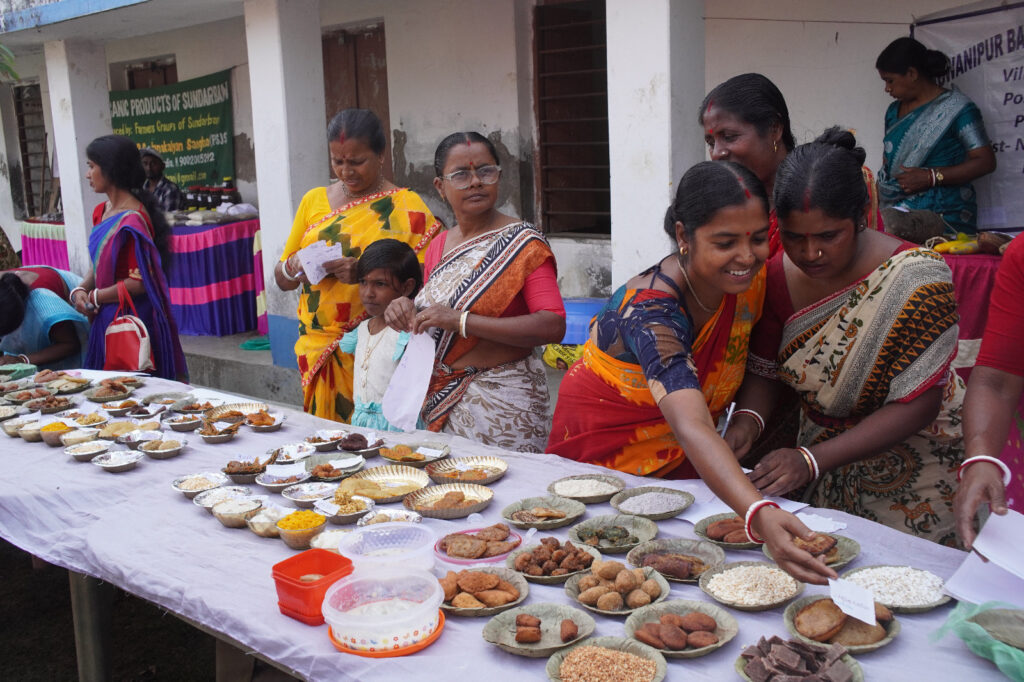
Photo credit: Rohan Mukerjee
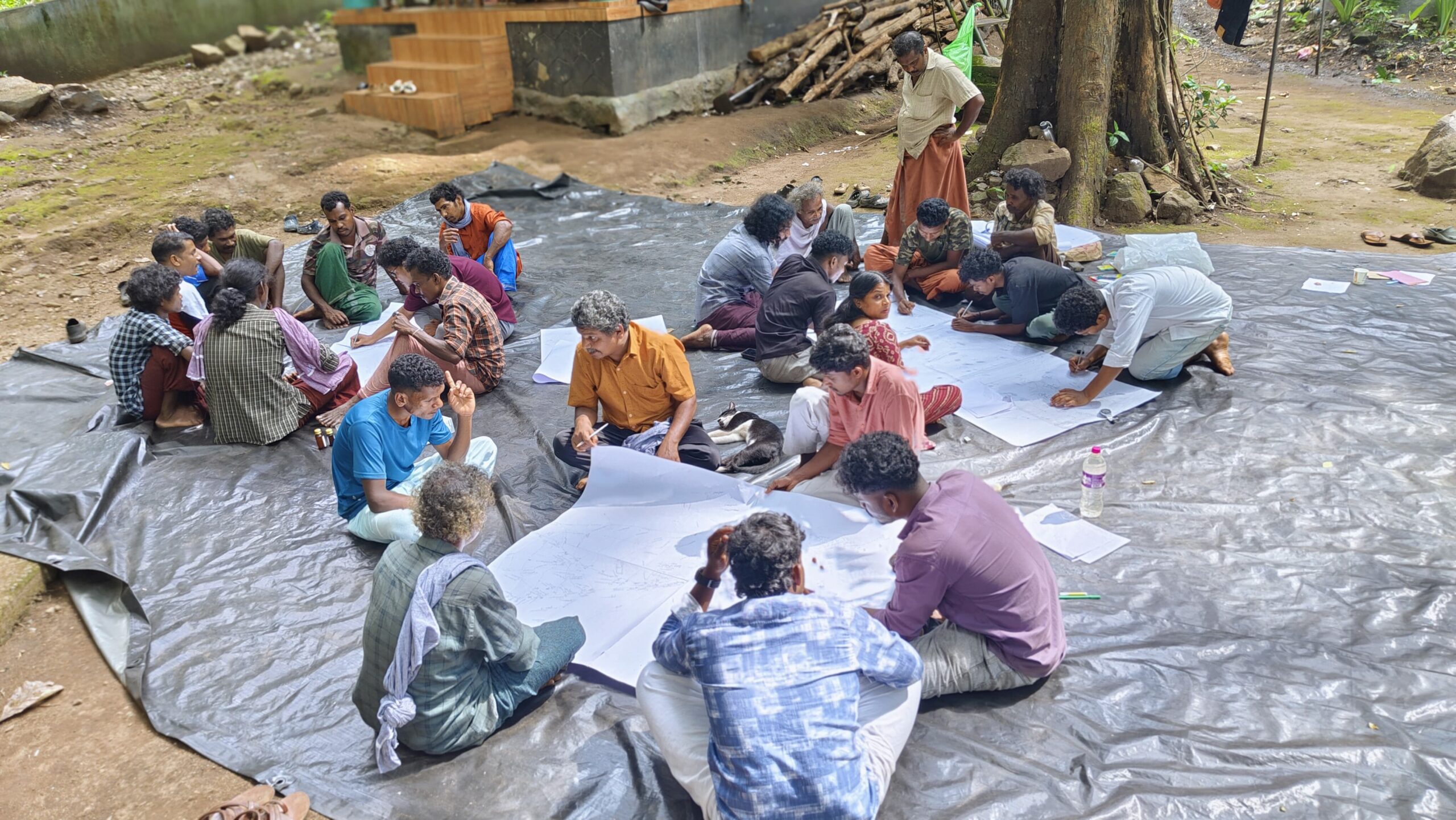
A series of sessions of different topics focussing on Agroecology and Traditional Agriculture practices were also organised and several publications were also released. The event ended with a cultural program with local artists, children’s groups and participants presenting plays, songs and dances.
The enthusiastic participation of communities and organizations—as well as the keen interest they demonstrated in strengthening the future of the ecological agriculture movement—stood out prominently.