Bhavya George, Climate Change
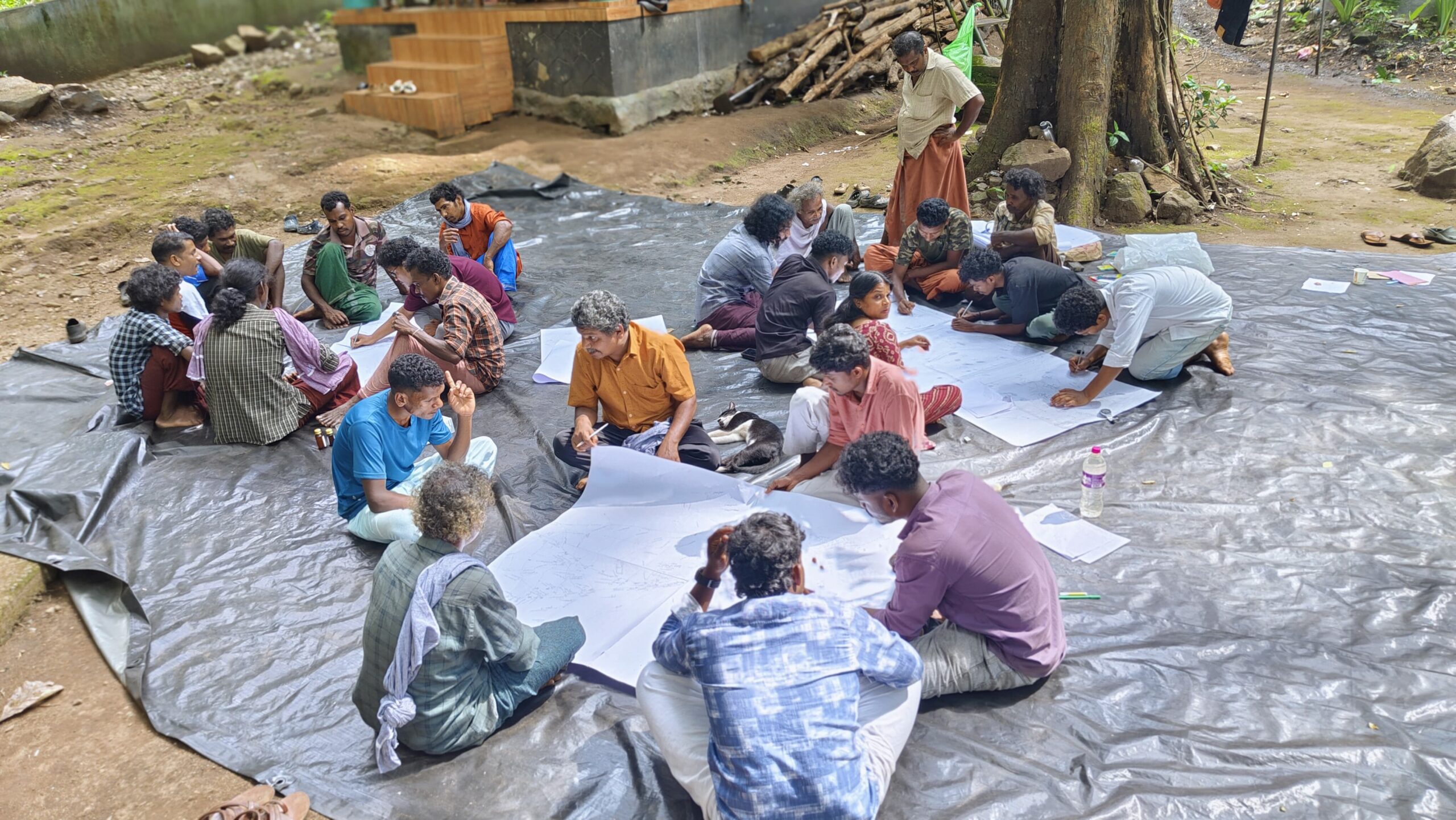
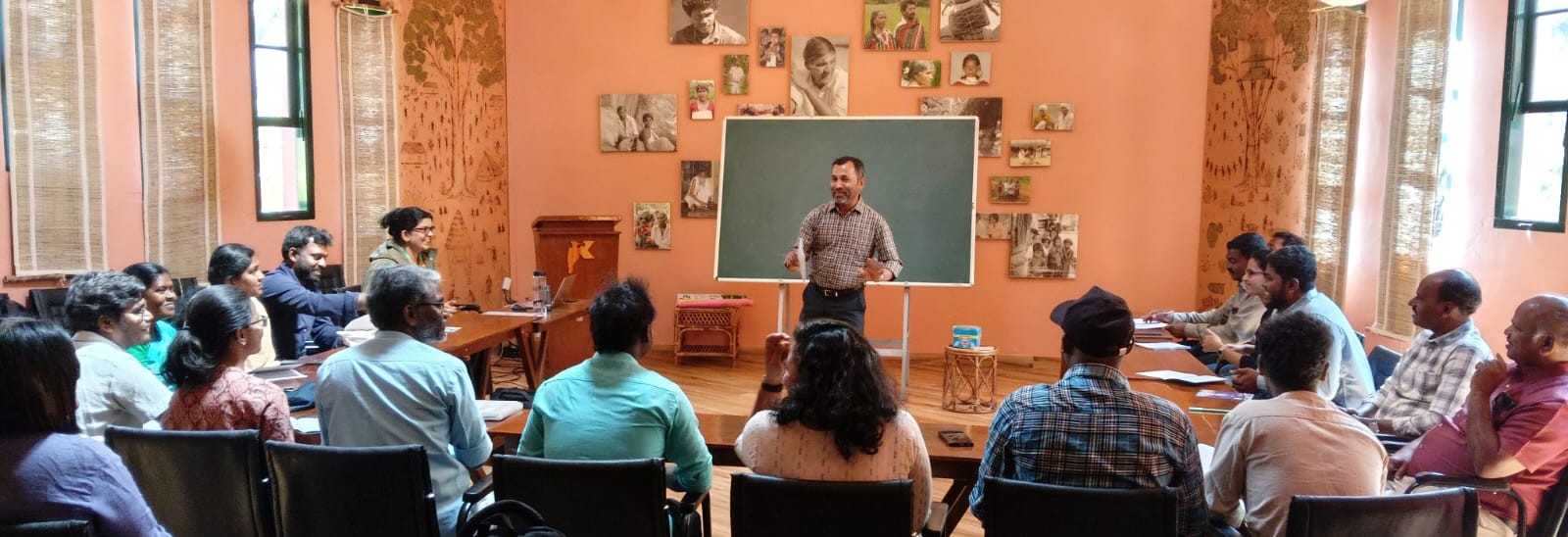
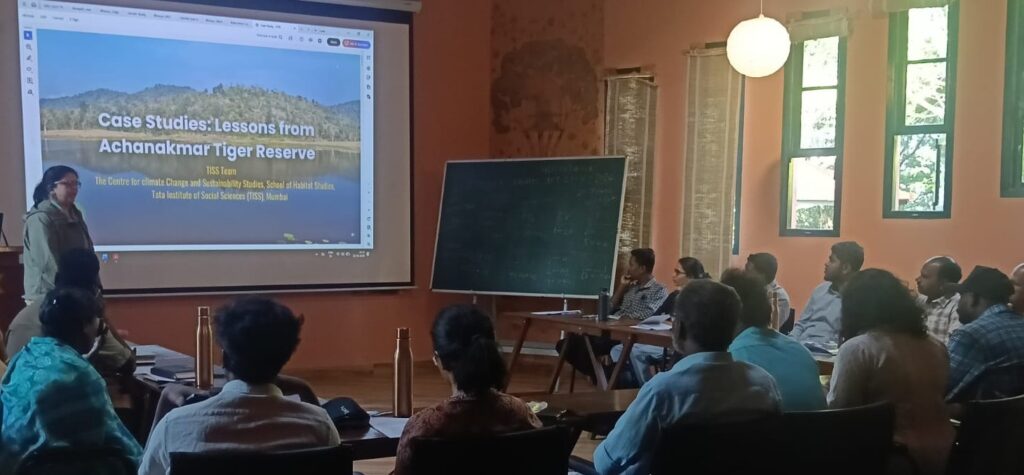
On 12th and 13th of April 2026, Keystone Foundation’s Community Wellbeing and Climate Change programme, in collaboration with Centre for Climate Change & Sustainability Studies, Tata Institute of Social Sciences, Mumbai, hosted a joint workshop at Keystone Foundation, Kotagiri. The key focus of the workshop was to understand the process of relocation from tiger reserves in southern Indian states. Along with it, another aspect was to reflect on the status of FRA implementation within Protected Areas.
The technical note from the IUCN World Commission on Protected Areas discusses climate change, biodiversity loss, and Protected Areas. It states that biodiversity loss and climate change are twin crises requiring integrated, comprehensive, and holistic approaches. António Guterres, Secretary-General of the United Nations, highlighted the need for coordinated action on both global challenges:
“Climate change threatens biodiversity conservation efforts, while nature offers effective solutions to reduce the worst impacts of global warming.” Creating new Protected Areas and expanding existing ones remain key policy tools for addressing these global environmental crises. Protecting conservation corridors and improving Protected Area management also help address climate change and biodiversity loss effectively.
Understanding Relocation and Rights in Protected Areas:
The issue that we see on the ground is how PAs are designated, established and managed. Mostly in a fortress conservation model. The process of relocation of people from the PAs, though claimed to be voluntary, has gaps. There are cases of denial of human rights and basic facilities with larger repercussions on overall well-being.
In this context, the workshop discussion centred on the current situation on the ground, the legal and procedural safeguards available to affected communities, and how we can collectively strengthen awareness and capacity among community members to better understand and engage with these processes.
The workshop had representation from Karnataka, Tamil Nadu, Kerala and Telangana with 20 participants. This representation enriched the discussions with state-specific cases and experiences. With 58 Tiger Reserves in the country populated with 7000 villages, 65000 families in the core, there is a necessity to understand the process and impact of relocation.
Over two productive days, participants deliberated on existing laws and legal procedures, learned from one another, and planned next steps. They also stressed the importance of addressing gender aspects in the relocation process to ensure this perspective is not overlooked. The workshop provided an opportunity for meaningful dialogue, shared learning, and exchange across diverse experiences and perspectives from the region.