Monisha Ravi, Community Wellbeing
Keystone Foundation hosted six University of Colorado students for a three-week field immersion programme from 27th June to 9th July. The programme focused on Development Practice and Policy Implementation. Two Keystone students from Sigur and Wayanad also joined the programme. Their participation created a collaborative environment encouraging peer learning, cross-cultural exchange, and shared reflection.
Designed to bridge classroom learning with grassroots realities, the programme introduced students to the complexities of development practice through direct engagement with Indigenous communities, development practitioners, and participatory research methods in the Nilgiris.
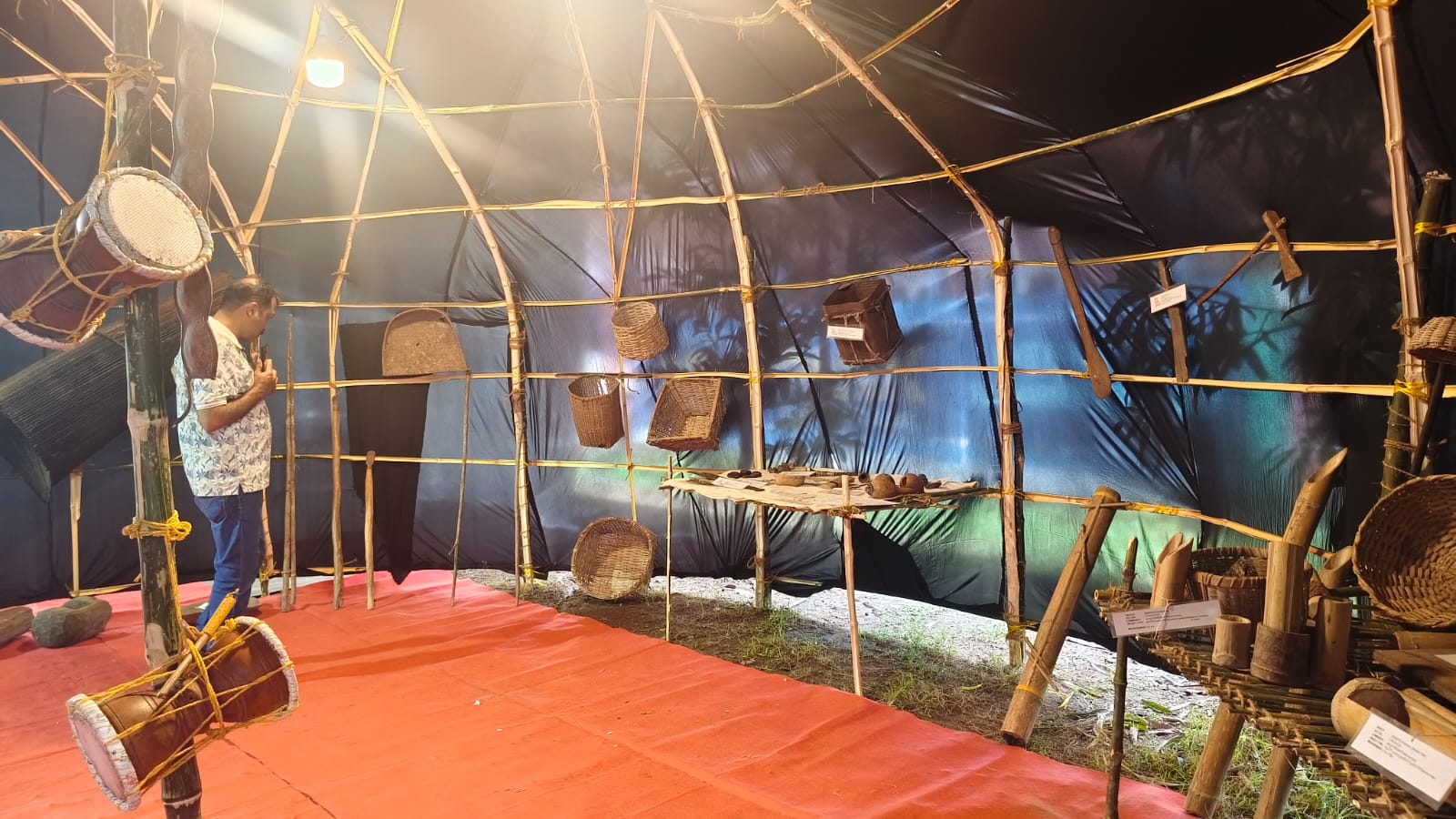
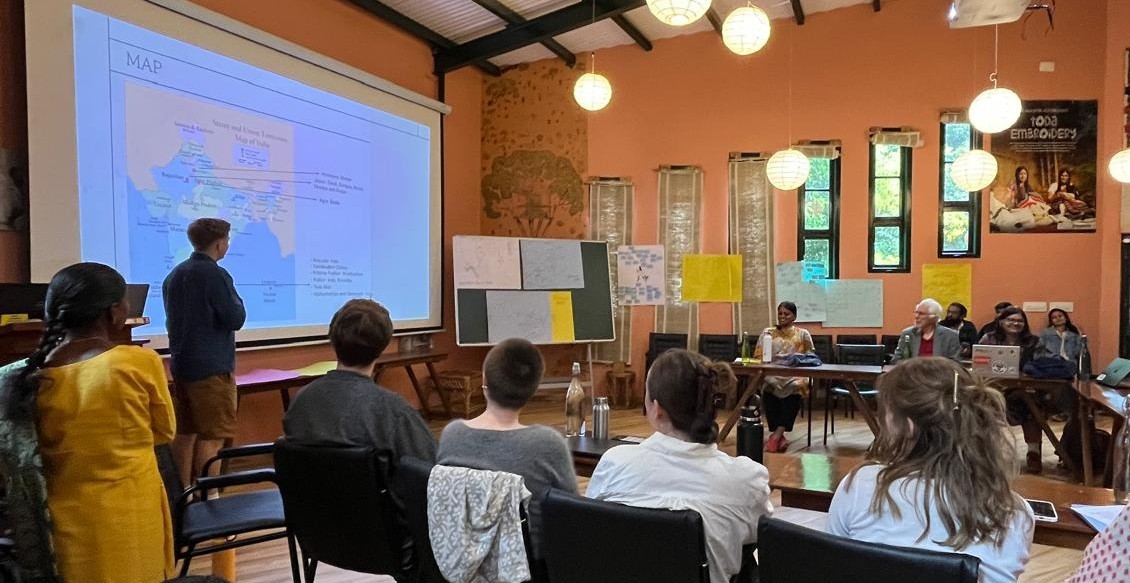
Alongside field visits, students participated in lectures, discussions, and campus sessions introducing Keystone Foundation’s integrated work. These sessions covered biodiversity conservation, climate resilience, community well-being, sustainable livelihoods, Indigenous knowledge, and policy advocacy.
Interactions with staff across programmes demonstrated how these areas come together to support equitable and sustainable development. Students also met Keystone’s founders to learn about the organisation’s history and philosophy, participated in sessions with the People and Nature Collectives (PNC) team on rights, identity, and advocacy, and explored urban governance and sanitation challenges.
Learning through Community Engagement:
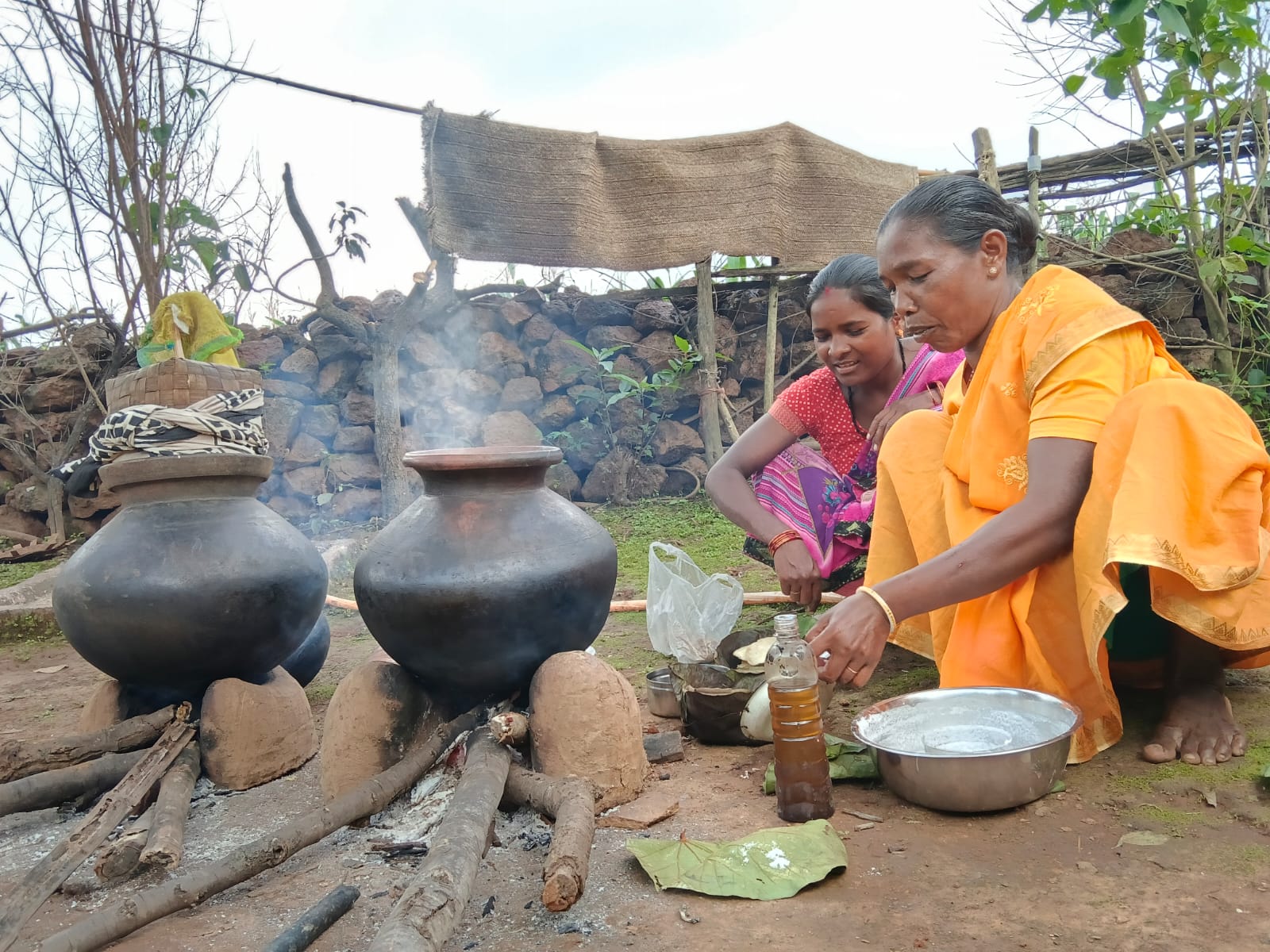
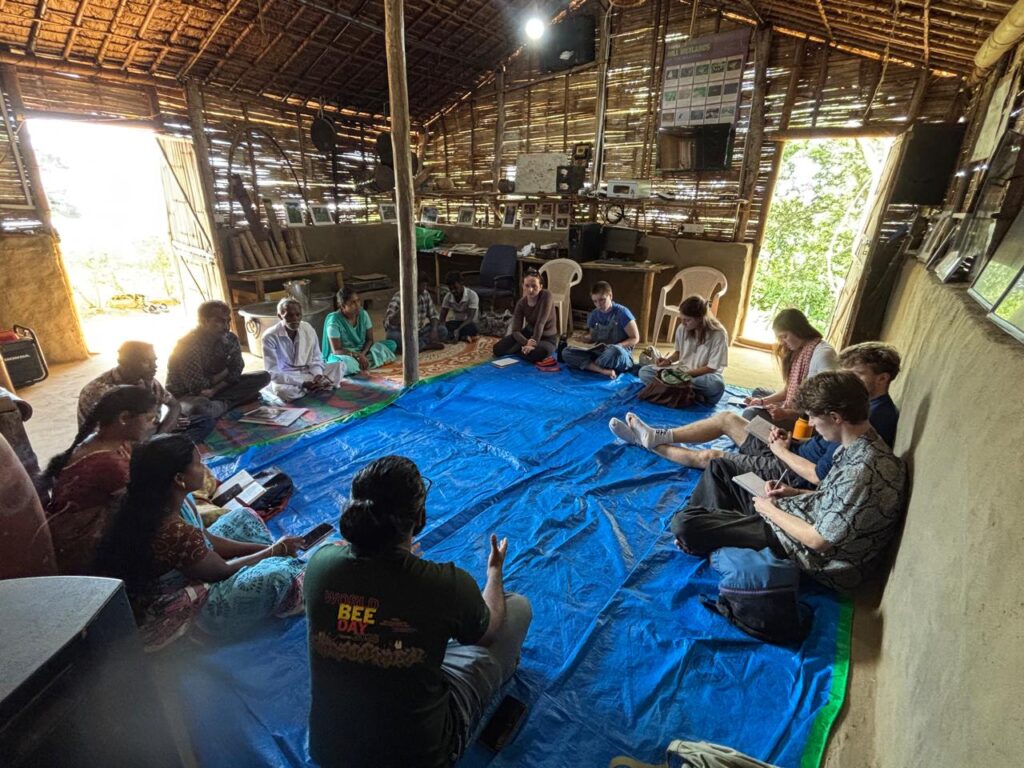
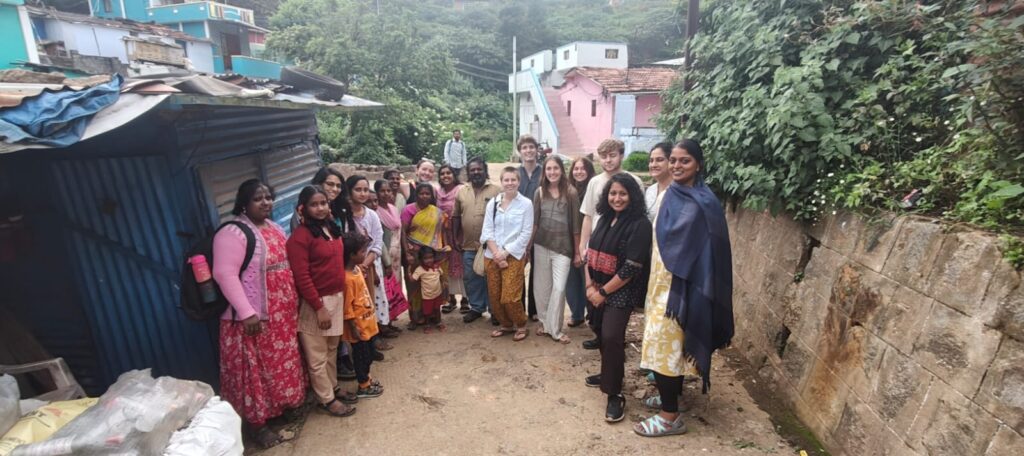
The field component enabled students to learn directly from Community Health Workers, Key Community Stakeholders, and Forest Rights Committee leaders. They also interacted with Gram Sabha representatives and community members during their field visits. Visits included restoration sites, Kotagiri’s urban settlements, Konavakkarai, Sigur landscape, and Mudumalai Tiger Reserve. These visits exposed students to community health, forest rights, ecological restoration, and local governance. They also explored livelihoods, biodiversity conservation, and gender-responsive climate action.
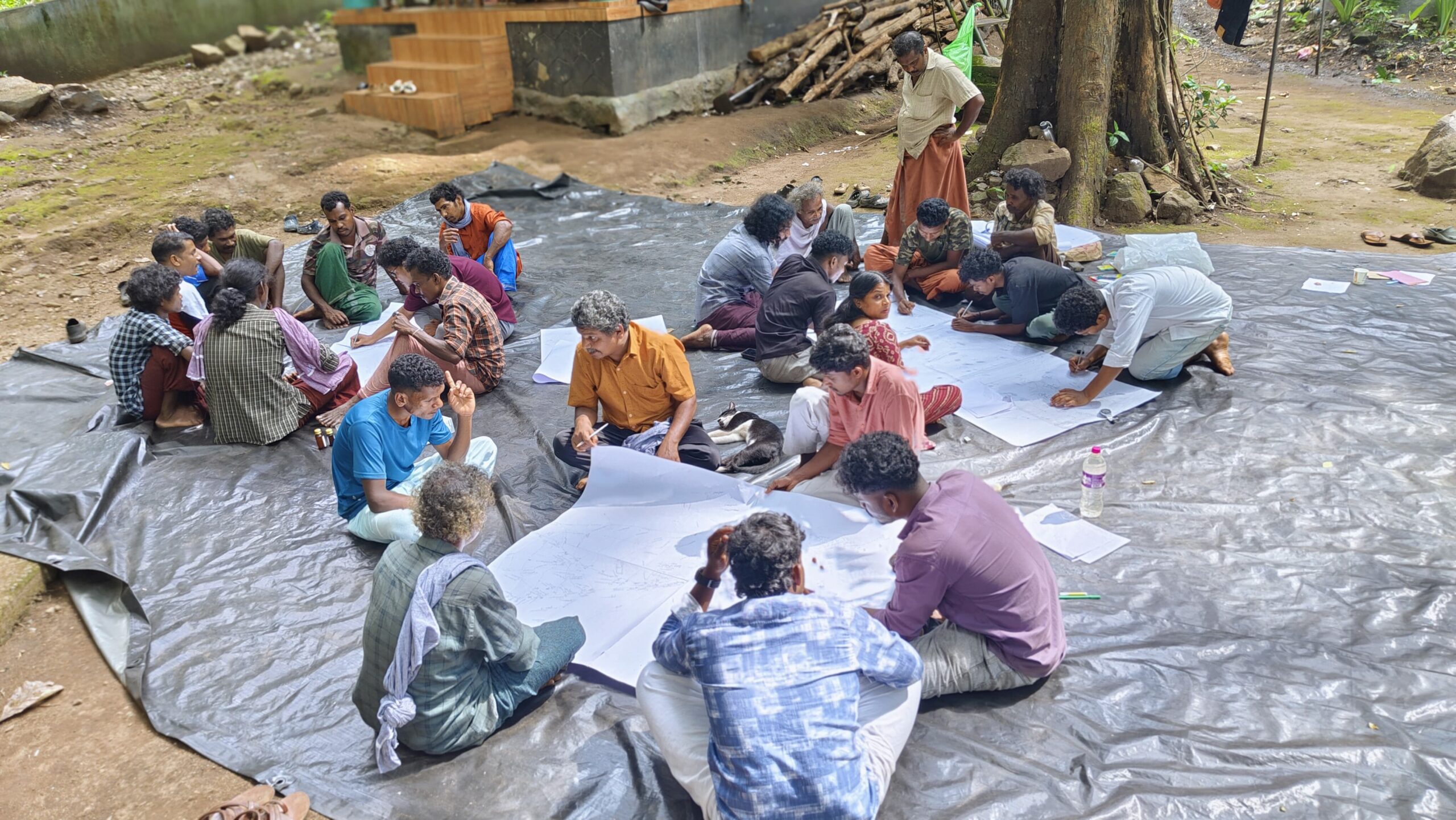
Together, these experiences highlighted the close relationship between Indigenous stewardship, environmental conservation, and community wellbeing. Mr. Stanley Joseph from Praxis trained students in Participatory Rural Appraisal (PRA) methods. They learned participatory tools including social mapping, transect walks, seasonal calendars, focus group discussions, and resource mapping. These methods equipped students to work alongside communities as research partners rather than treating them solely as research participants.
From Field Learning to Community-Centered Research:
Building on this training, students designed and conducted small group research projects in rural and urban settings with guidance from Keystone mentors and community members. They applied participatory methods, triangulated information from multiple sources, and critically examined issues relating to development, public health, livelihoods, governance, and environmental justice.
The final research projects reflected the depth of students’ engagement with the programme and communities. Rather than producing superficial observations, the projects demonstrated a nuanced understanding of local social, ecological, and institutional contexts. They thoughtfully drew on field experiences, participatory methods, and conversations with community members. Their recommendations were practical, well-reasoned, and grounded in local realities.
They reflected genuine appreciation of communities’ interconnected challenges and the importance of respectful, community-centred development approaches.
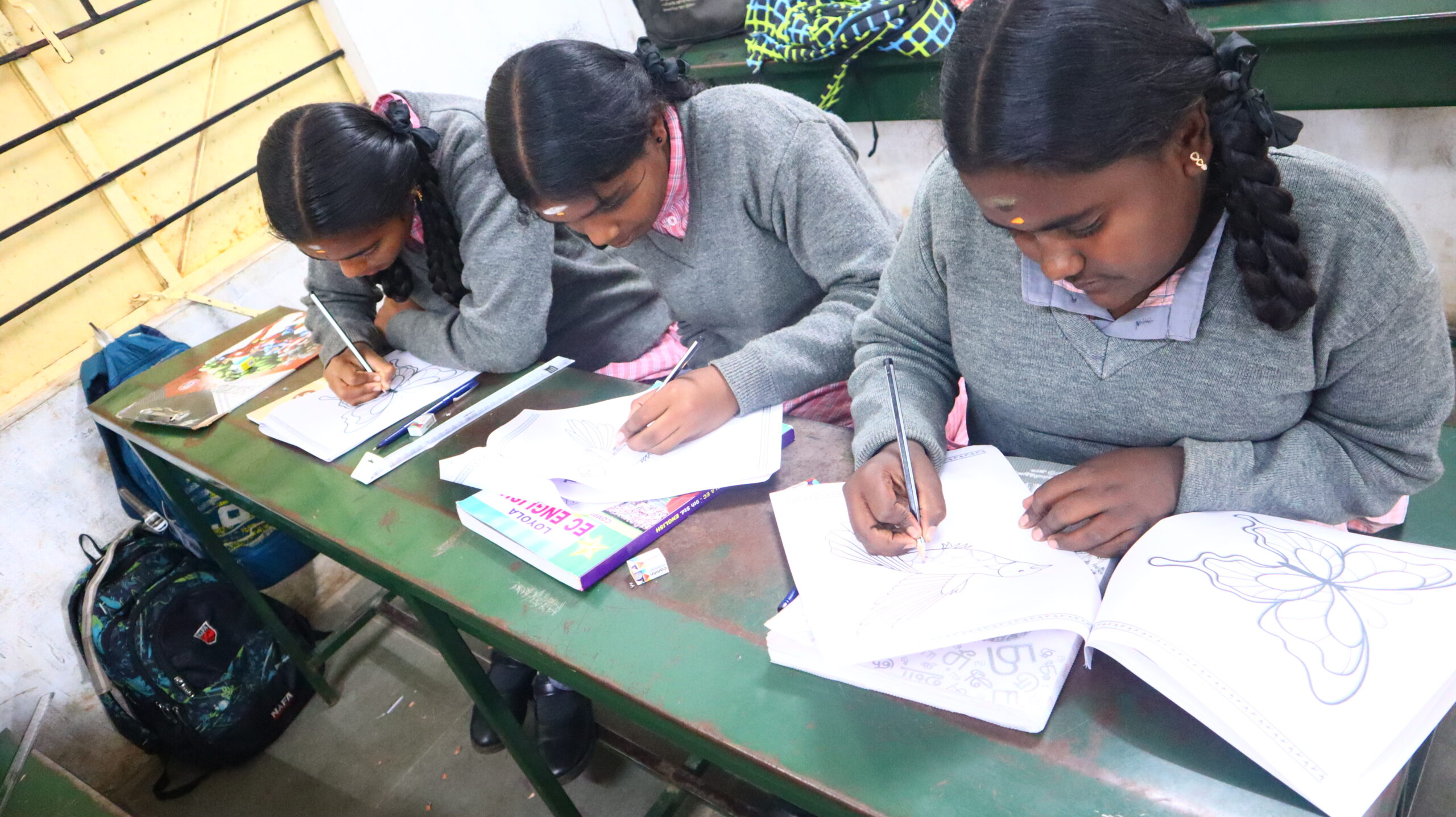
Beyond academics, the programme fostered meaningful cultural exchange. The participation of the Keystone students from Sigur and Wayanad enriched discussions by bringing local perspectives and lived experience into the learning process, while informal conversations, reflection sessions, and other cultural activities like a Badaga dance created opportunities for participants to build lasting relationships across cultures.
The immersion concluded with student presentations showcasing their research findings and reflections. By combining academic learning with field engagement, participatory research, and dialogue with communities, the programme equipped students with practical skills and a deeper understanding of inclusive approaches to sustainable development in the Nilgiris.