Bimla Nagesia with Rohan Mukerjee, Biodiversity conservation
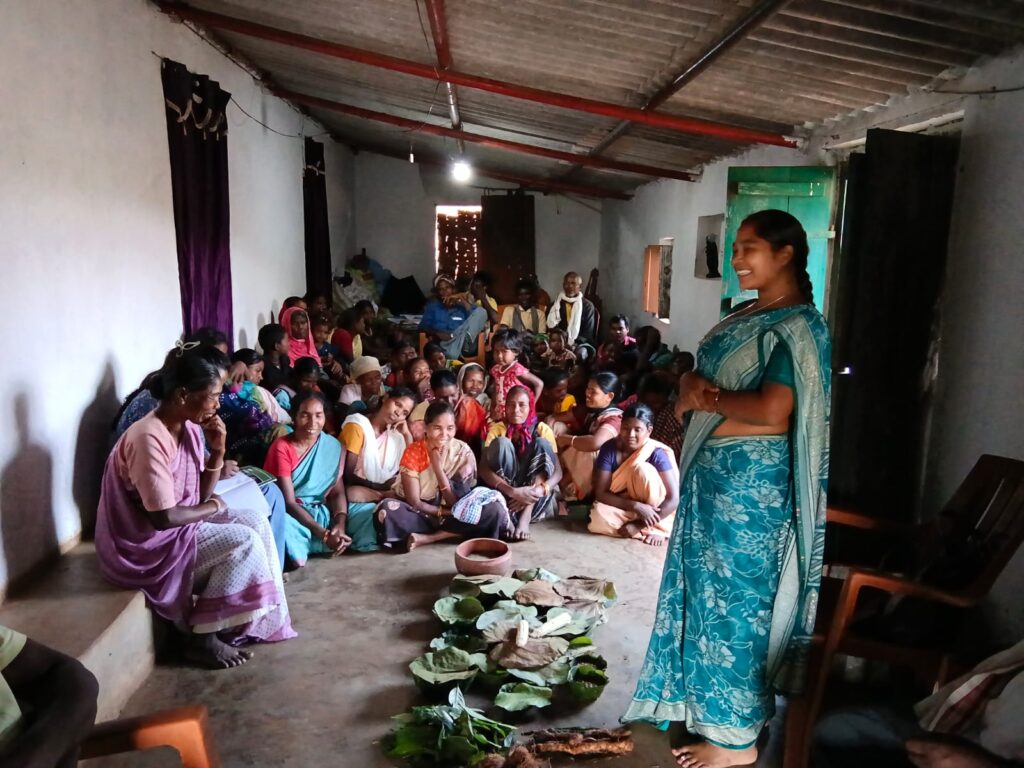
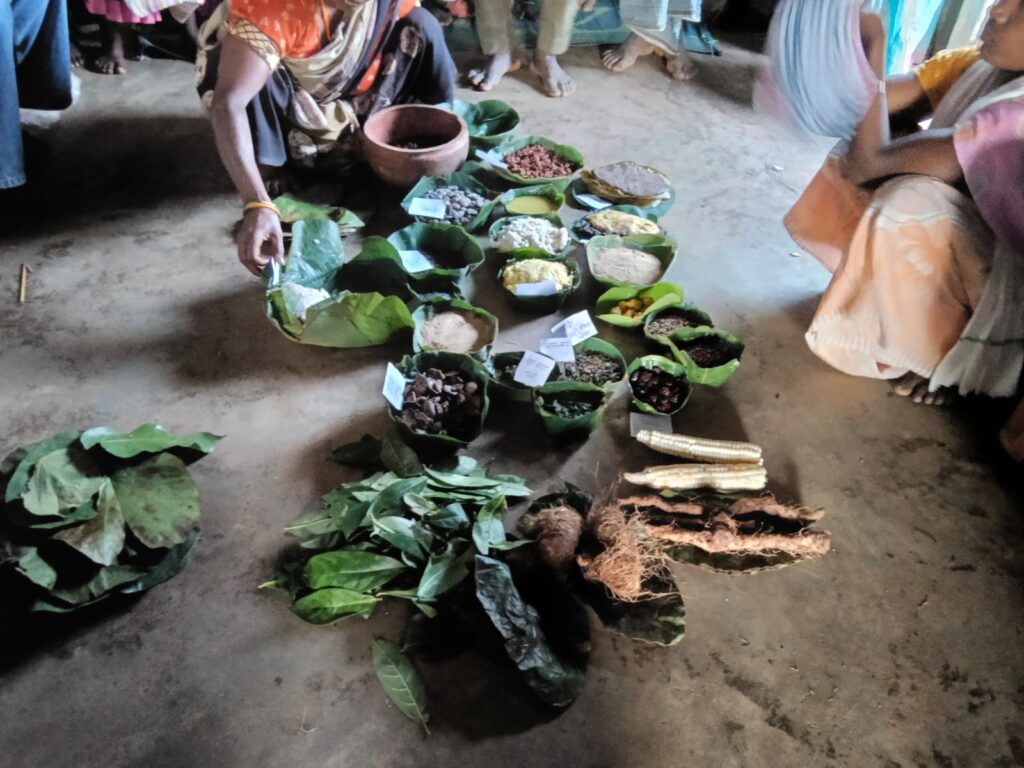
On September 28th and 29th, Keystone Foundation organized a two-day Traditional Food Documentation, Knowledge Sharing and Exchange Program in Chiro Nawa Toli and Chirchiri Path, Orsa Pat, Mahuadanr Block, Latehar District, Jharkhand. Prema Tigga and Bimla Nagesia facilitated the programmes, which engaged 80 participants over two days. The program focused on documenting, displaying, and preparing a diverse range of traditional foods while creating a space for community members to share their knowledge, recipes, and experiences with traditional crops and foodways.
Celebrating Traditional Foods and Community Knowledge:
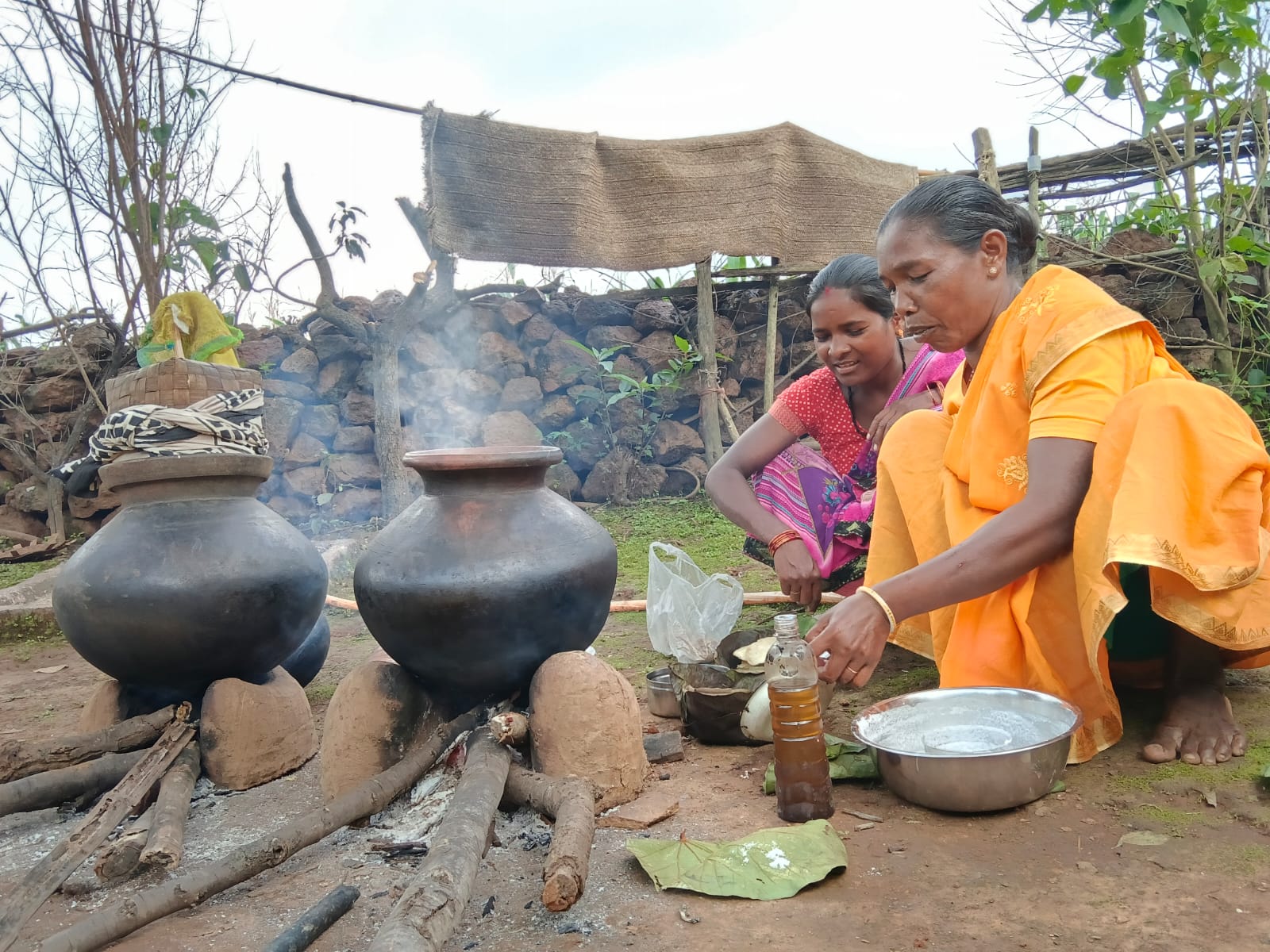
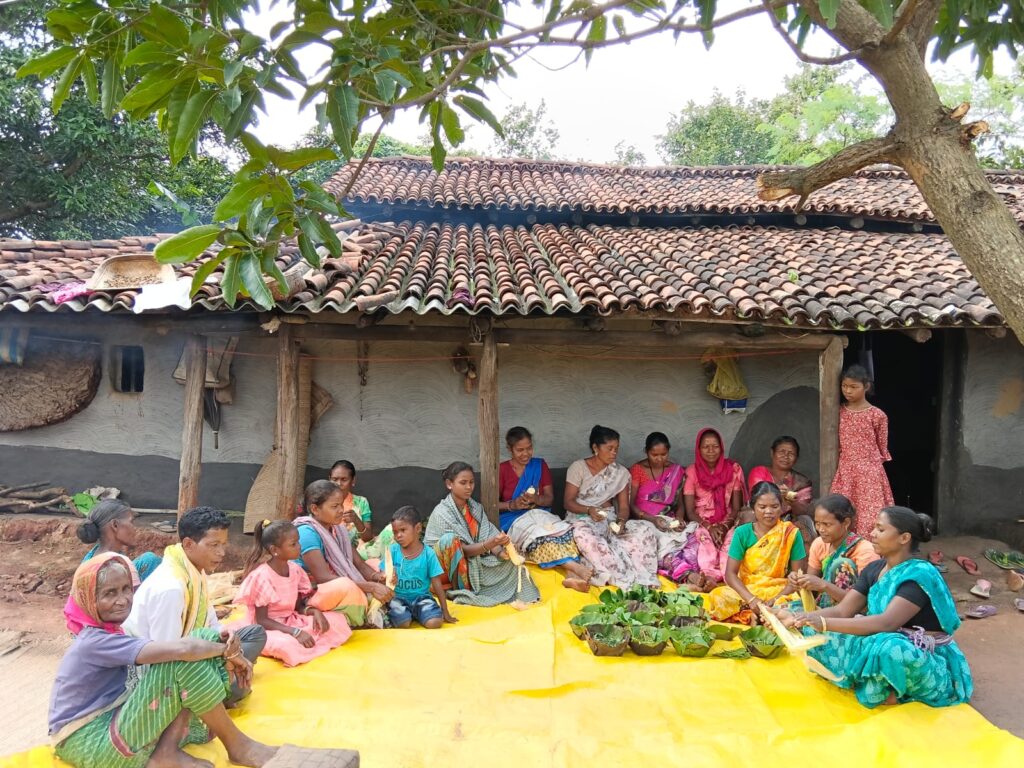
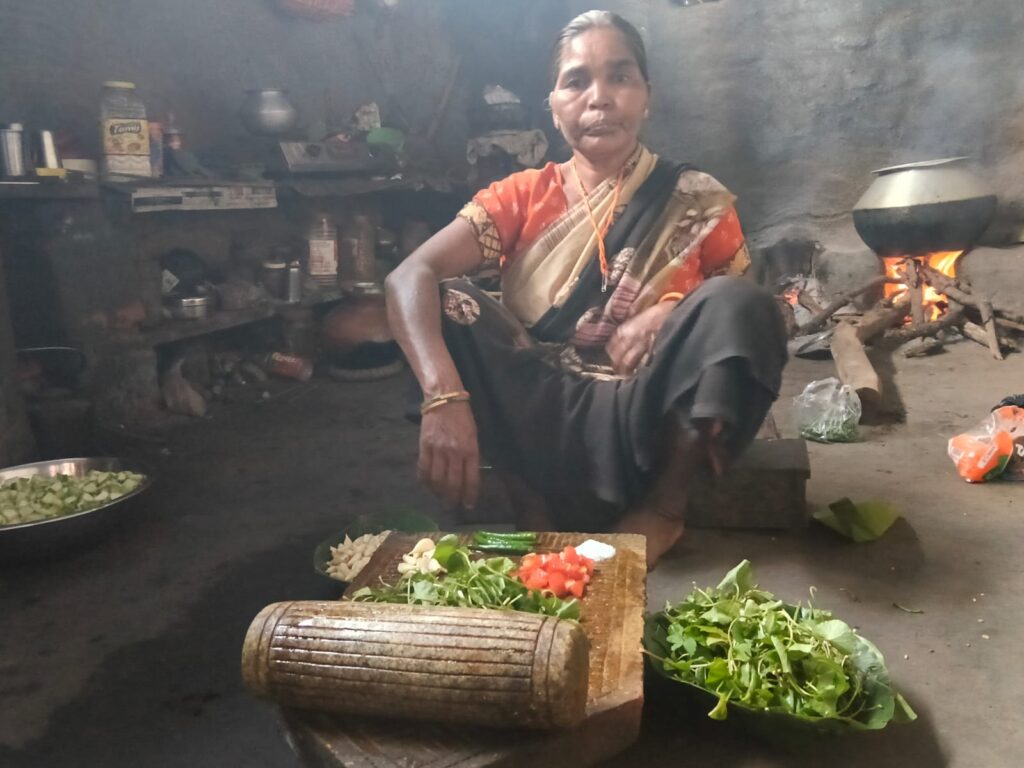
Across the two days, participants displayed and prepared a wide variety of traditional foods. Community members, including Bihani Nagesia, Birendra Nagesia, Kavita Nagesia and Jasmita Nagesia, shared traditional food knowledge. Narendra Nagesia, Lalita Nagesia, Jyoti Nagesia, Jacintha Nagesia and Martus shared recipes, ingredients and preparation methods. and demonstrated displayed ten varieties of wild greens and prepared dishes using Beng Saag and Saru Saag. They also demonstrated traditional food preparations using Arwa Chawal (rice), Gundli (little millet), Madua (finger millet) and Makkai (maize) in addition to preparing and sharing five traditional Mahua flower dishes with the group.
On the second day, additional preparations included three types of makai and madua (Finger Millet) roti, muchri kado (a wild green preparation), and amba Koil, a traditional preparation made using mango seed kernel.
The food demonstrations provided an opportunity for participants to learn not only how different foods were prepared, but also about the crops, wild foods and traditional practices associated with them.
PC: Bimla Nagesia.
Changing Food Habits and Community Health:
An important part of the discussions was the community’s reflection on changes in dietary habits and the decline in the preparation and consumption of traditional foods. Participants expressed concern that the reduced consumption of traditional crops and foods was occurring alongside increasing health challenges. They recalled that foods such as gundli (Little Millet) and maize rice were important components of their diets in the past and were considered filling and strengthening.
Some participants said that regular consumption of traditional foods often only require two daily meals . They noted that increased dependence on the Public Distribution Service and market rice that number had increased three daily meals to satisfy hunger.
PC: Bimla Nagesia.
These reflections highlighted the importance of dietary diversity and the nutritional, cultural and livelihood value of traditional foods. Participants emphasized that declining traditional food practices involve more than the loss of recipes and culinary knowledge ; traditional food systems are also an essential aspect of community ecological knowledge.
With the decline in the cultivation and use of diverse local crops and wild foods. Community participants also highlighted the loss of knowledge associated foodways and traditional cultivation practices. They pledged to work together for the revival and strengthening of their Traditional Food Systems.