Vidya S, Climate Change & Monisha Ravi, Community Wellbeing
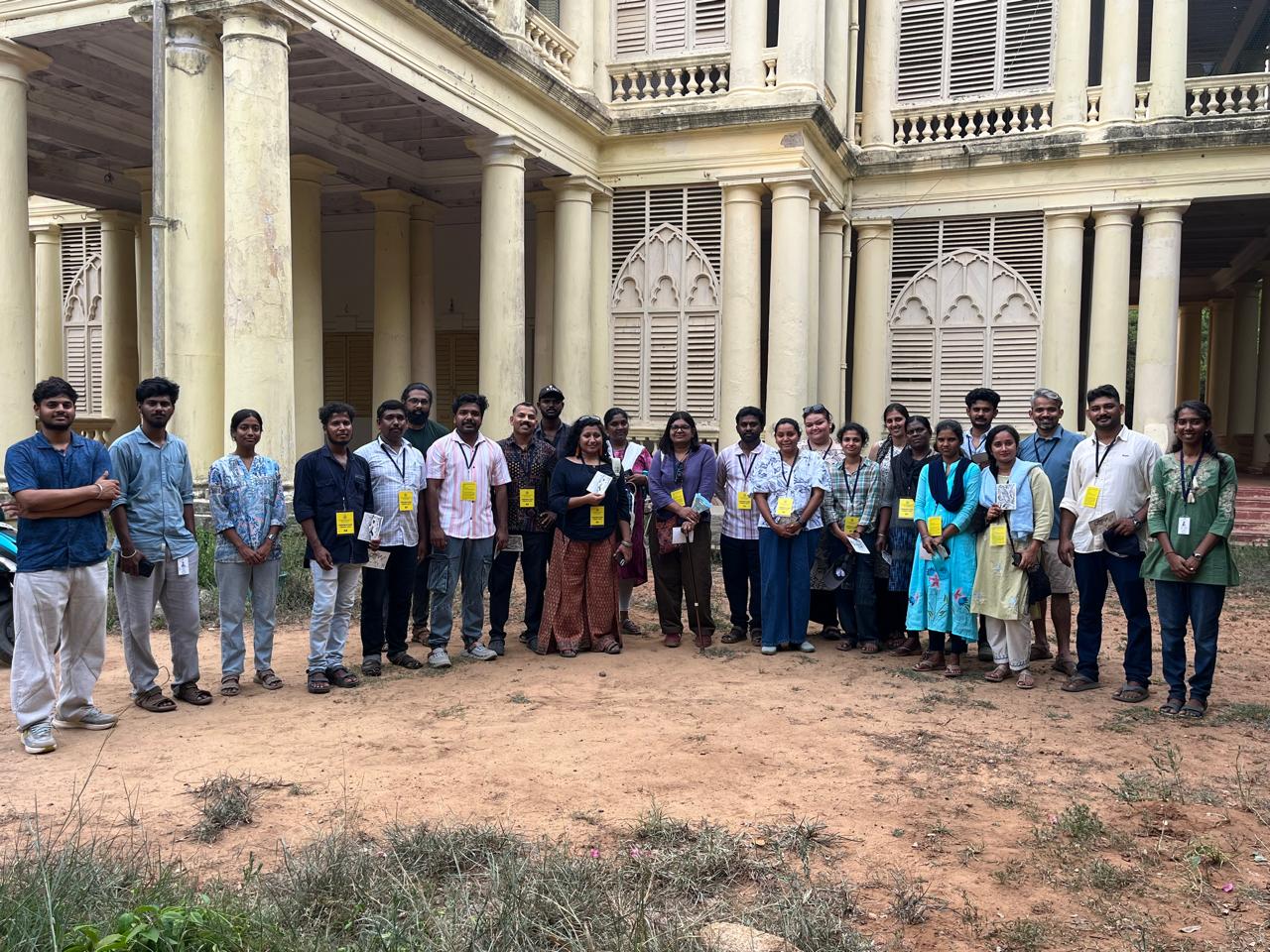
On 24th and 25th July, 20 staff from the Community Well-being and Climate Change teams came together in Chennai for a two-day team retreat. While retreats had traditionally been organised separately for each team, this marked the first opportunity for both teams to gather in a shared space. Although Chennai was a familiar location for many participants, the retreat was designed to be more than an exposure visit. It provided an opportunity to step away from routine responsibilities, strengthen team bonds, reflect collectively on ongoing work, and engage in structured conversations and activities aimed at fostering learning, connection, and collaboration across the two programmes.
The retreat began with a simple activity where each participant shared an object representing themselves or their team. As stories unfolded, participants shared personal values and experiences, creating an atmosphere of openness and trust for the days ahead. Lalitha from Sigur described feeling nervous at first, but the activity helped everyone understand each other’s journeys and personalities beyond work, strengthening their sense of connection.
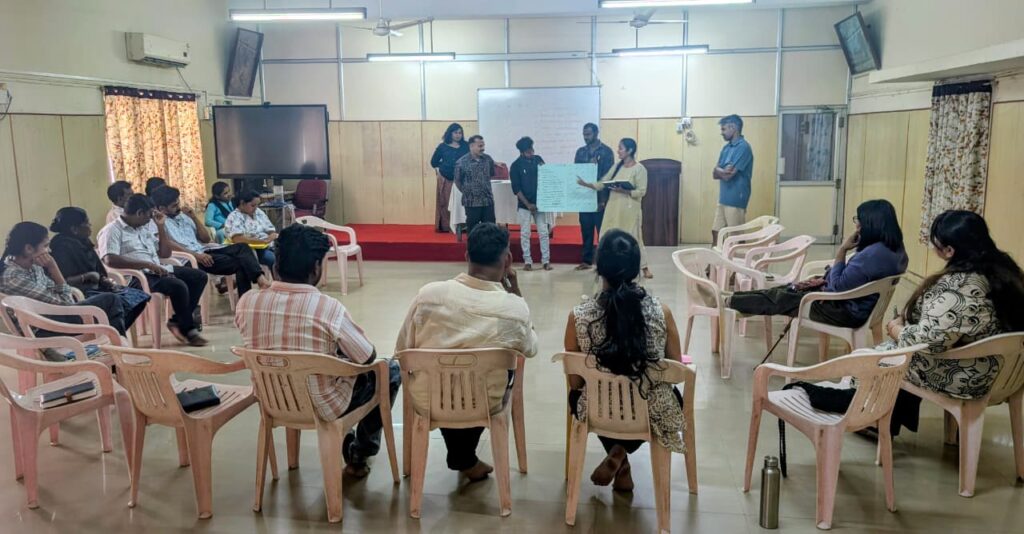
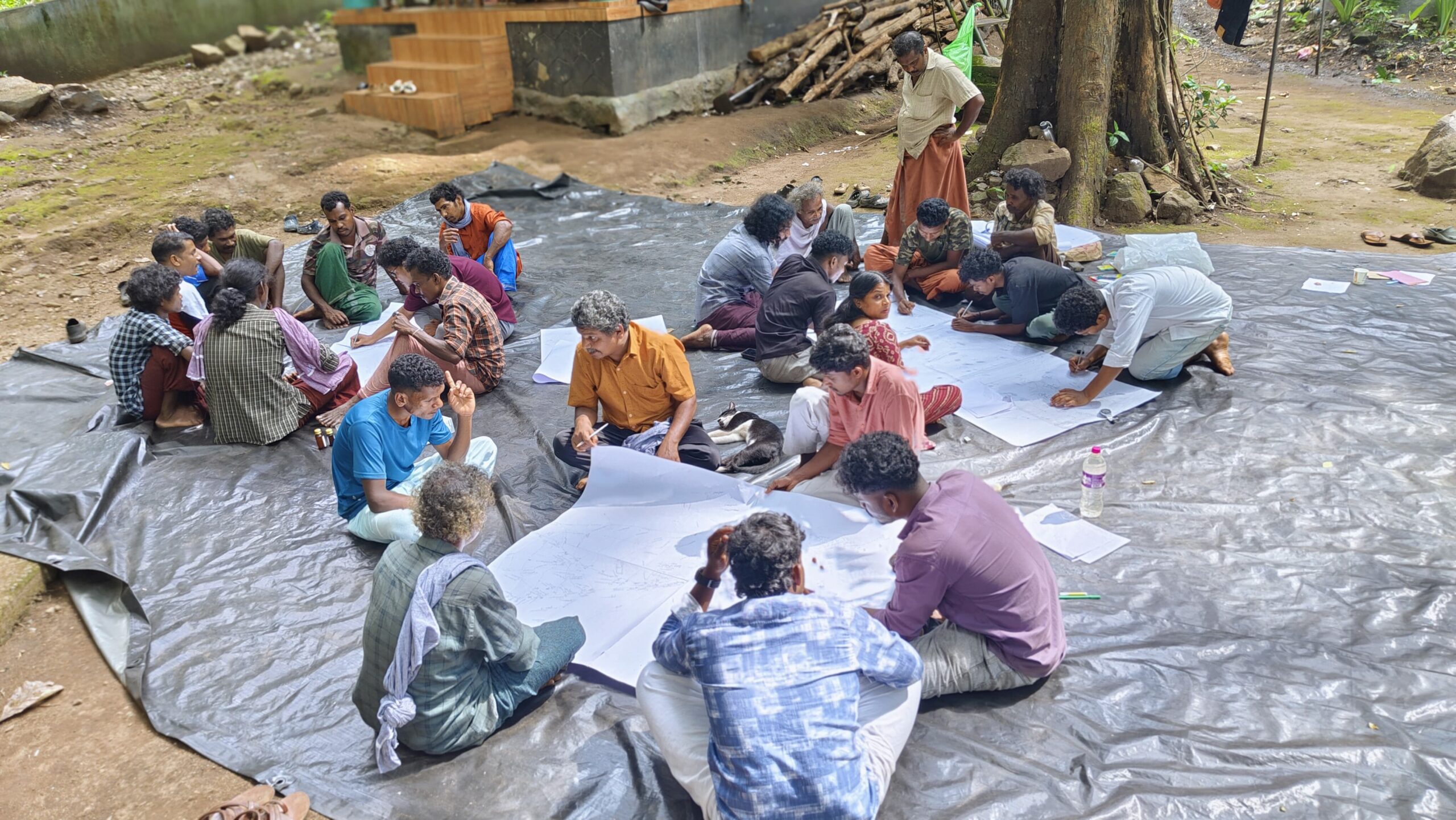
It continued with the Attributes Activity, where participants divided into four groups reflected on qualities that make teams effective. They discussed team cohesion, balance, encouraging differences, shared understanding, values and metrics, suitable working methods, engagement, support, and continuous improvement. Each group examined how these attributes appeared within their team and influenced their ways of working. Vijayan from Kadambur said this gave him an opportunity to step away from regular fieldwork and reflect differently on his work.The Attributes Activity helped him recognise team strengths and discuss practical ways to work together more effectively.
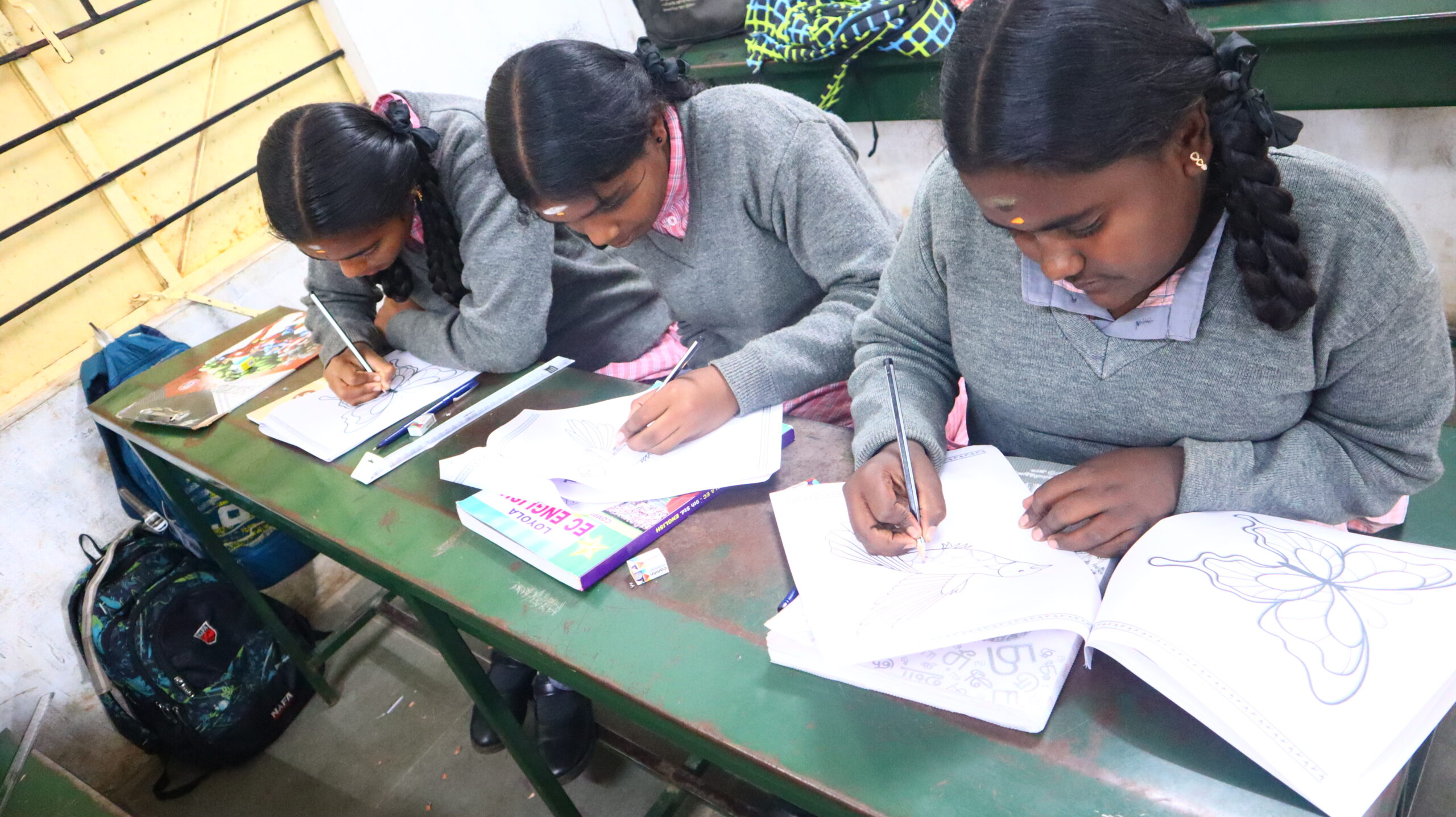
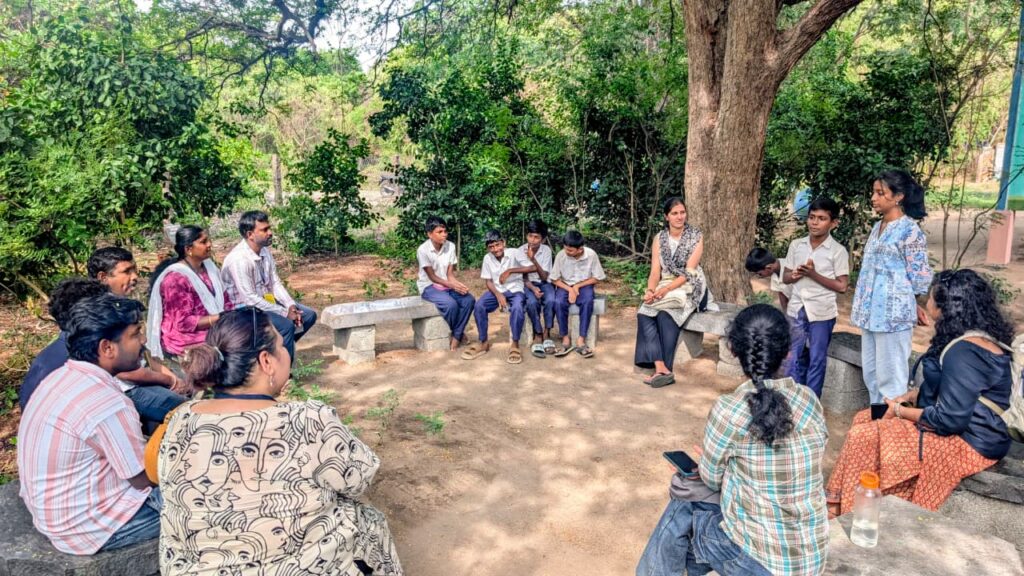
The learning journey continued with a visit to Pichandikulam’s Blue Green Centre at the Theosophical Society, inside Olcott Memorial High School. The visit explored environmental restoration, local biodiversity, and nature-based learning for children. The children who regularly attended sessions at the centre proudly showed the team around. Their excitement and enthusiasm made the visit especially engaging. Interacting with them became one of the most joyful parts of the day.
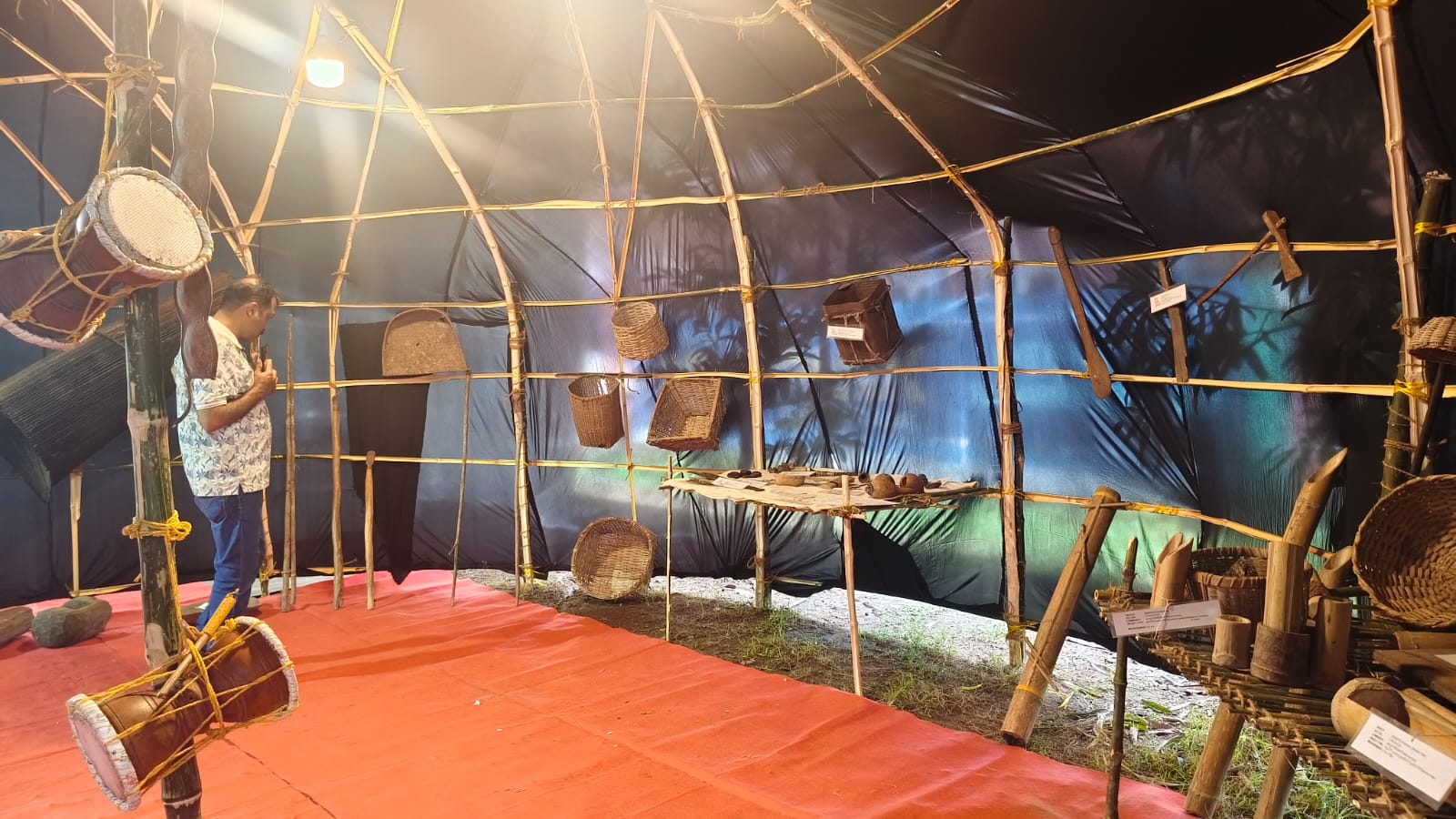
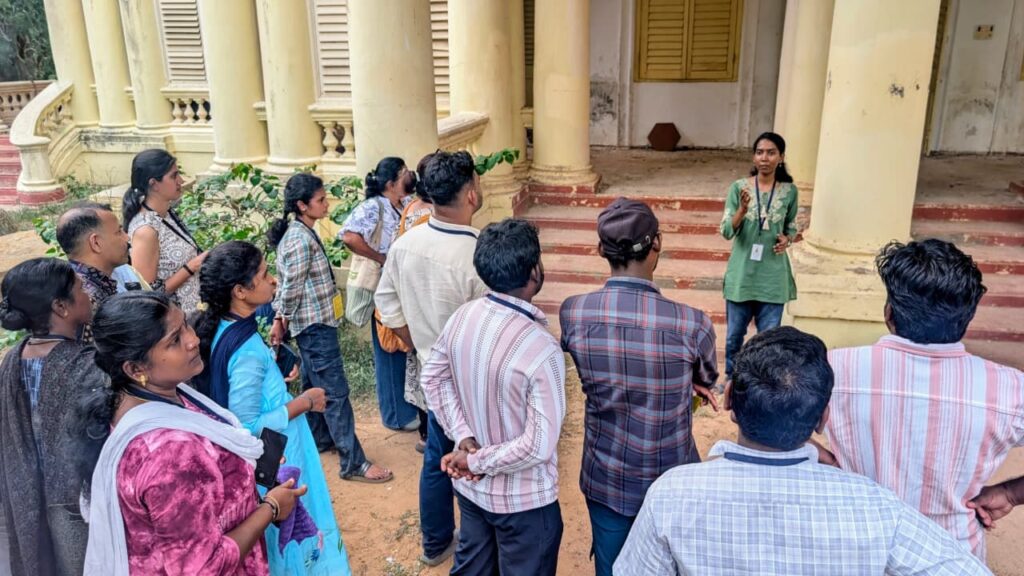
The team also visited the Olcott Bungalow, a 300-year-old building once home to Colonel Henry Steel Olcott, co-founder of the Theosophical Society. The bungalow preserves exhibits on local biodiversity and conservation, offering the team valuable ideas for using creative educational tools. For some teammates, including Kalpana from Sigur, this was their first visit to Chennai. Kalpana said all the stories shared along the journey made her trip memorable, and she especially enjoyed the showcase at the Blue Green Centre which demonstrated how communities can learn environmental issues through simple and engaging methods.
From Shared Visions to Stronger Collaboration:
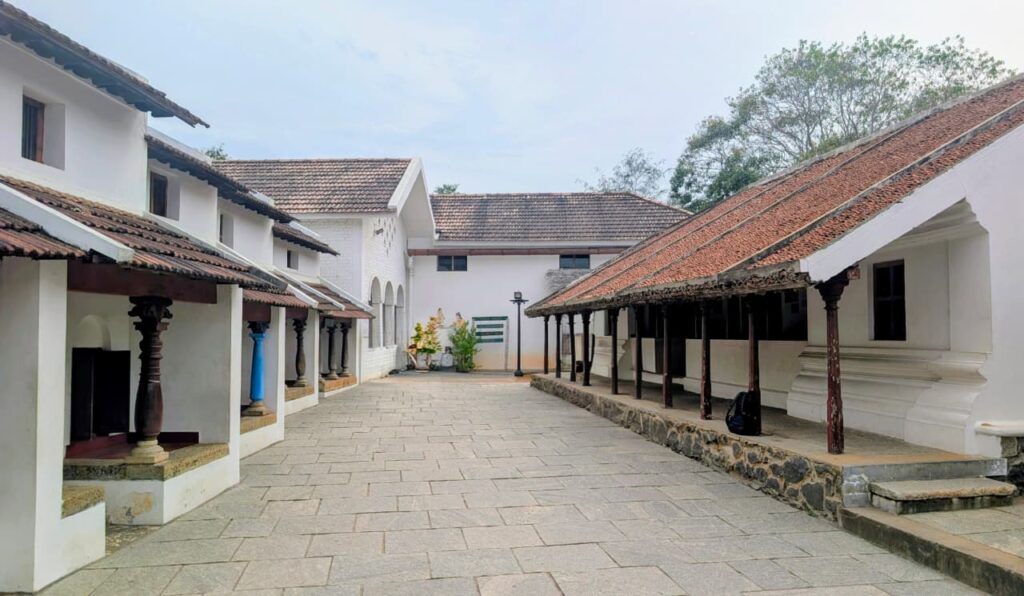
The next day, we continued identifying solutions from the previous day’s exercises i.e: the Attributes activity. This was followed by a “Dreaming session” to share our short and long-term programme visions. The retreat concluded with a visit to Dakshina Chitra Museum.
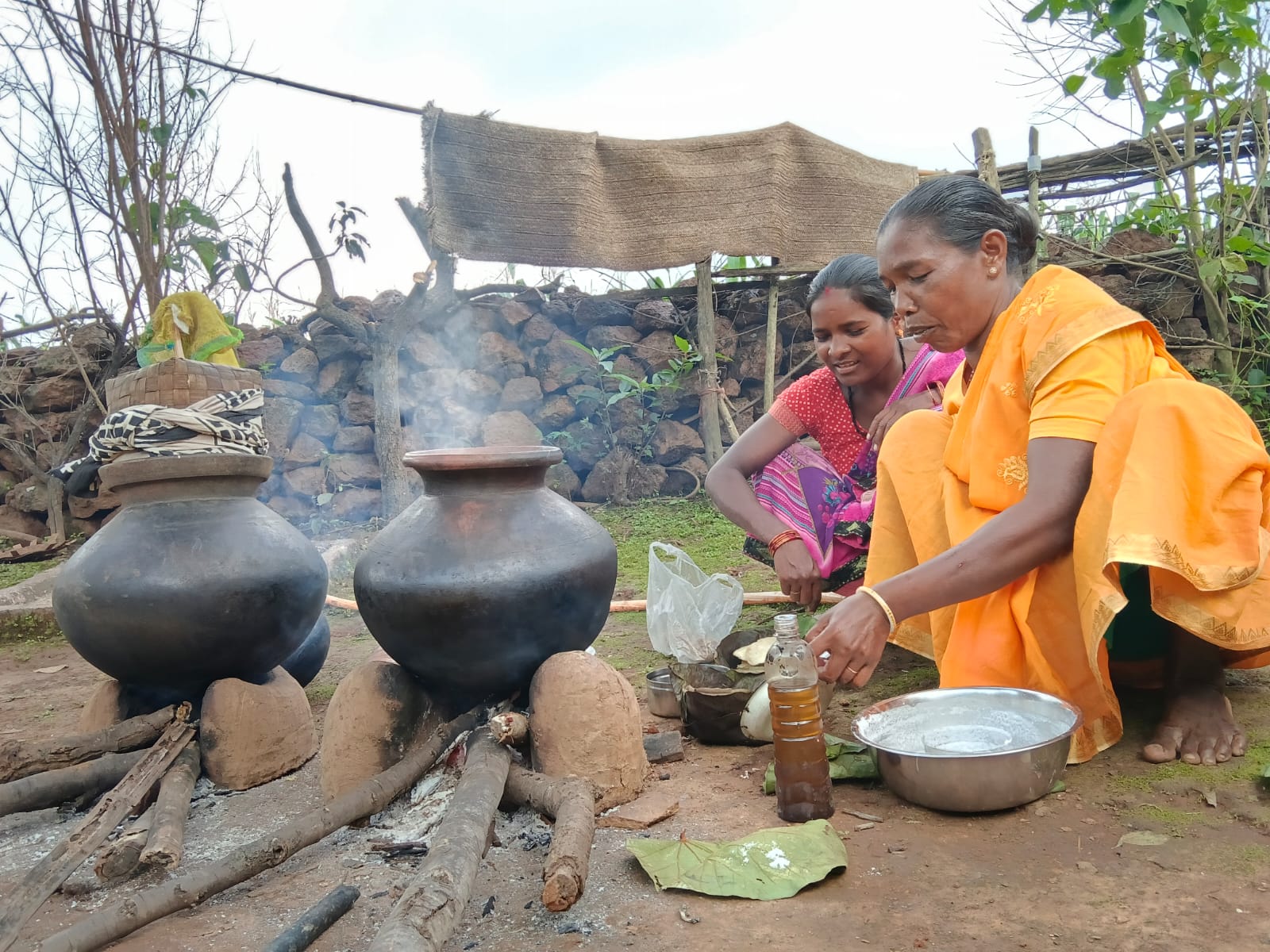
Participants explored South India’s living heritage through traditional homes, architecture, craft demonstrations, and cultural exhibits. The visit offered valuable insights into indigenous knowledge systems, cultural diversity, and sustainable ways of living. Sriram found it meaningful that the place allowed not only adults but also school students to engage. Beyond that, the museum stood out as a space that connected cultural knowledge with economic value.
This retreat taught us that coordination, logistics management, and partner alignment truly hold a team together. Keeping everyone on the same page also strengthened teamwork throughout the retreat. Taking ownership of each activity during the visit helped us build our management skills.
More than visiting new places, the two days in Chennai provided opportunities for meaningful conversations and shared experiences. It offered both teams a chance to connect beyond their regular work, exchange perspectives, and better understand each other’s contexts. As we returned to our respective programmes, we carried new ideas for collaboration and a better understanding of each other’s work. We also identified possibilities for greater collaboration between our teams.