Kavyanjali K K, People and Nature Collectives
Keystone Foundation celebrated the International Day of the World’s Indigenous Peoples 2026 on 9 August at Little Flower U.P. School, Mananthavady. The event brought together indigenous communities, knowledge holders, students, cultural practitioners and community representatives to celebrate the richness of indigenous knowledge, culture, language, food traditions and ecological practices.
Celebrating Indigenous Knowledge, Culture and Youth:
The programme aimed to felicitate the invaluable knowledge systems maintained by indigenous communities of the Wayanad region and share them with a wider public.
The event was inaugurated by Meenakshi Raman, Block Panchayat President, and was presided over by Adv. K.G. Ramachandran, Senior Programme Coordinator, Keystone Foundation. Sri. Vasudevan Cheekalloor, writer and member of the Paniya community, delivered the keynote address, highlighting the importance of indigenous identity, knowledge and cultural continuity. Representatives of various organisations and members of the Keystone Foundation team also addressed the gathering.
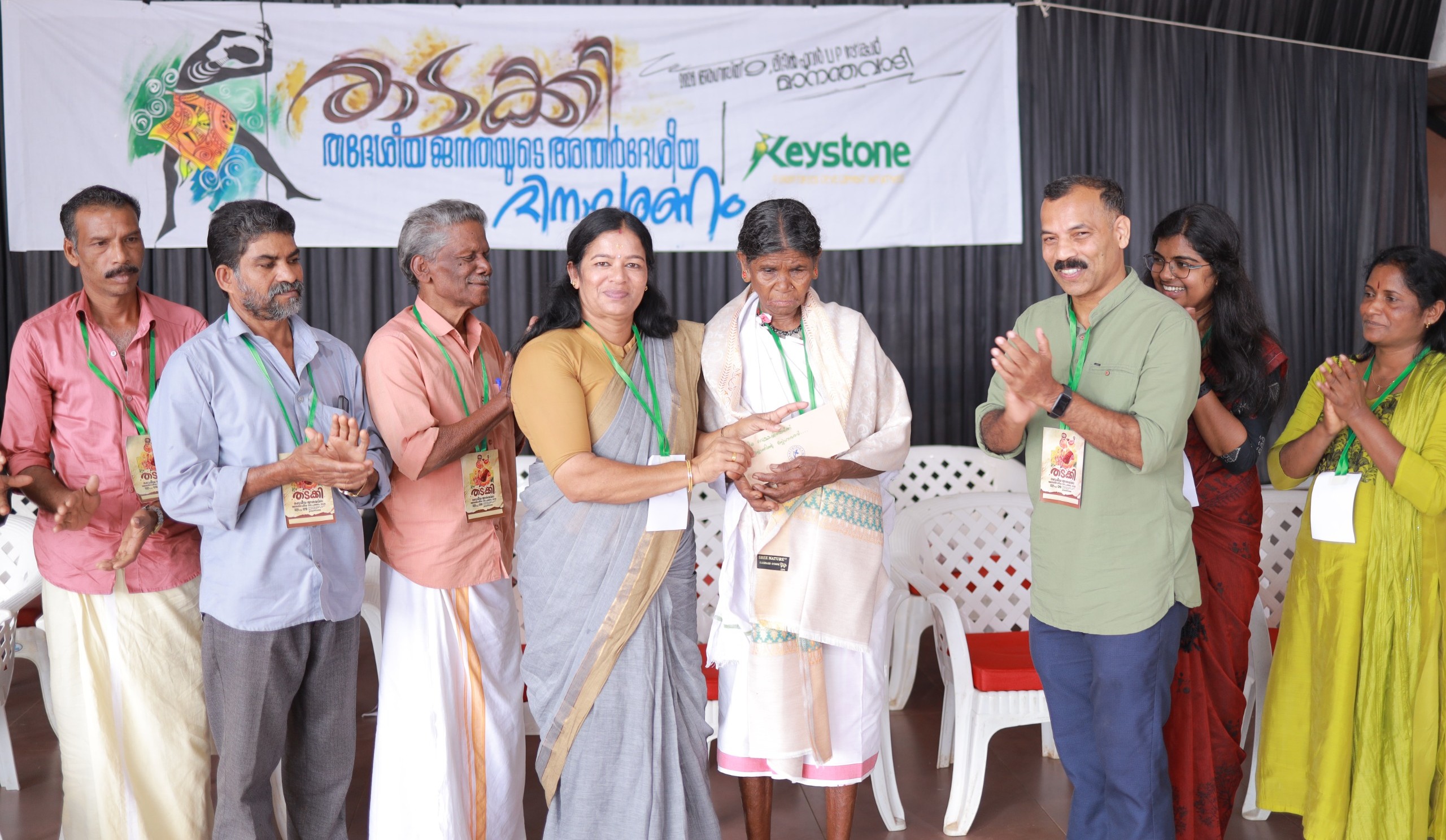
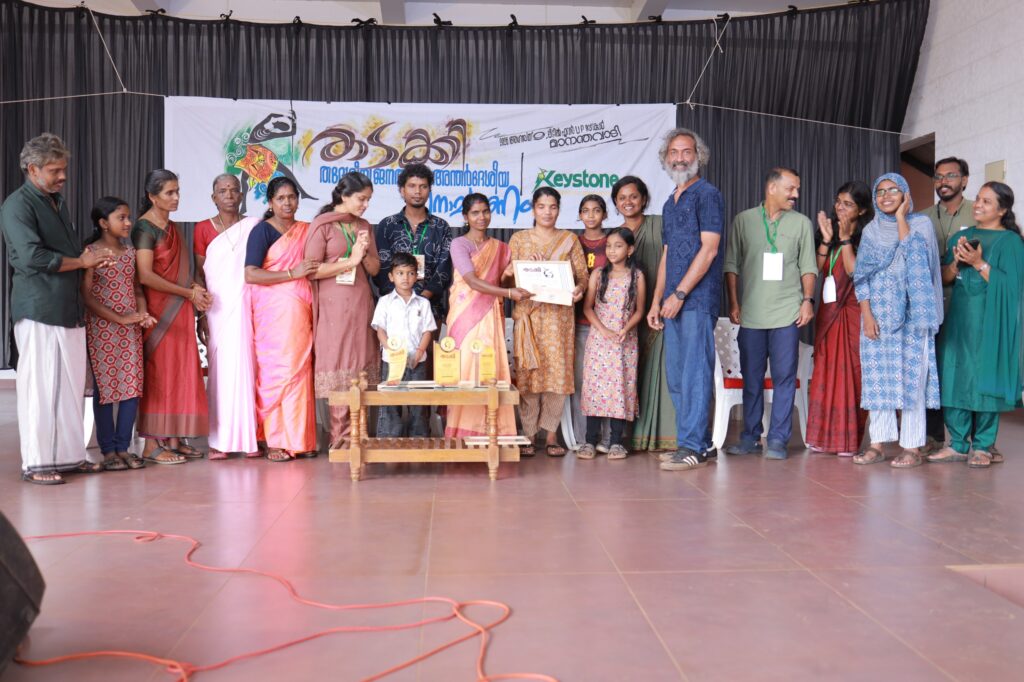
Five indigenous knowledge holders representing the Paniya, Adiya, Kattunaikka, Kuruma and Kurichya communities were felicitated during the event. They were honoured for their lifelong contributions to preserving and passing on traditional knowledge, cultural practices and community heritage. Traditional cultural performances by artists from different indigenous communities further added colour and meaning to the celebration.
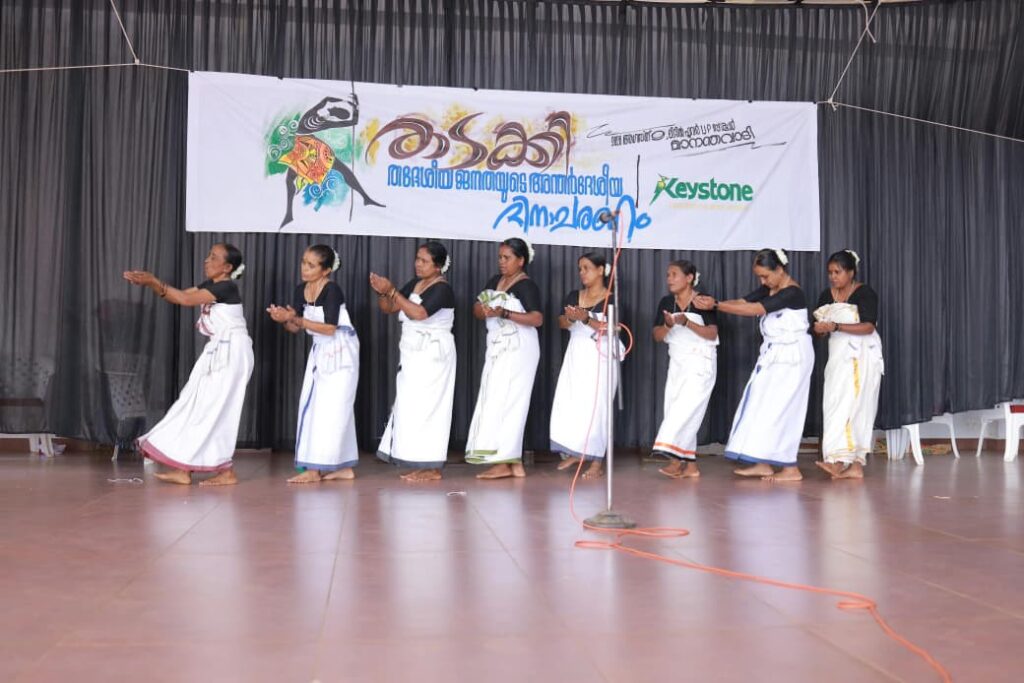
Photo credit : Baiju
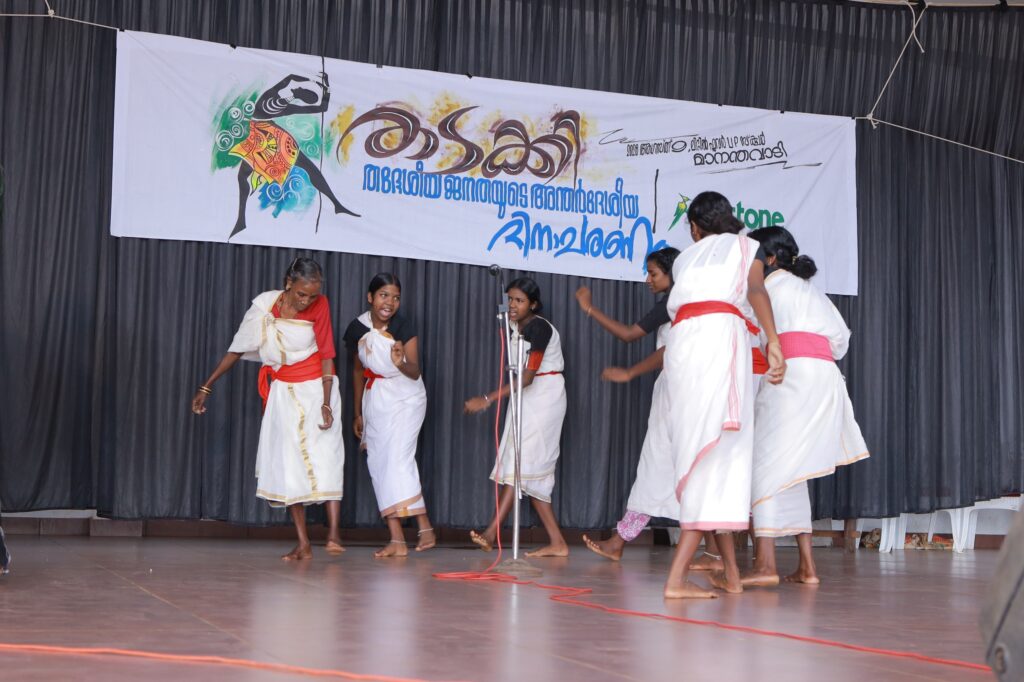
Photo credit : Baiju
A panel discussion on “The Role of Youth in Indigenous Communities” provided an important platform for dialogue on the role of younger generations in shaping the future of their communities. The discussion brought together diverse perspectives on community development, traditional knowledge and youth engagement.
Indigenous Youth Shaping Community Futures:
Rakesh spoke about the Kattunaikka community and the potential of community-led enterprises to create sustainable livelihood opportunities. He highlighted how these enterprises can strengthen community ownership. Renju shared insights into community-based ecological restoration and nursery management. She highlighted the importance of indigenous communities leading environmental conservation initiatives. Amrutha discussed the Paniya community’s experiences related to health. She highlighted the need for more inclusive and community-sensitive health interventions. I spoke about the role of Language Clubs in influencing education within indigenous communities emphasising their role in strengthening children’s connection with their mother tongue, identity and cultural knowledge.
Together, these discussions highlighted the importance of creating spaces where indigenous youth can actively participate in addressing contemporary challenges while remaining connected to their communities, languages, knowledge systems and cultural heritage.
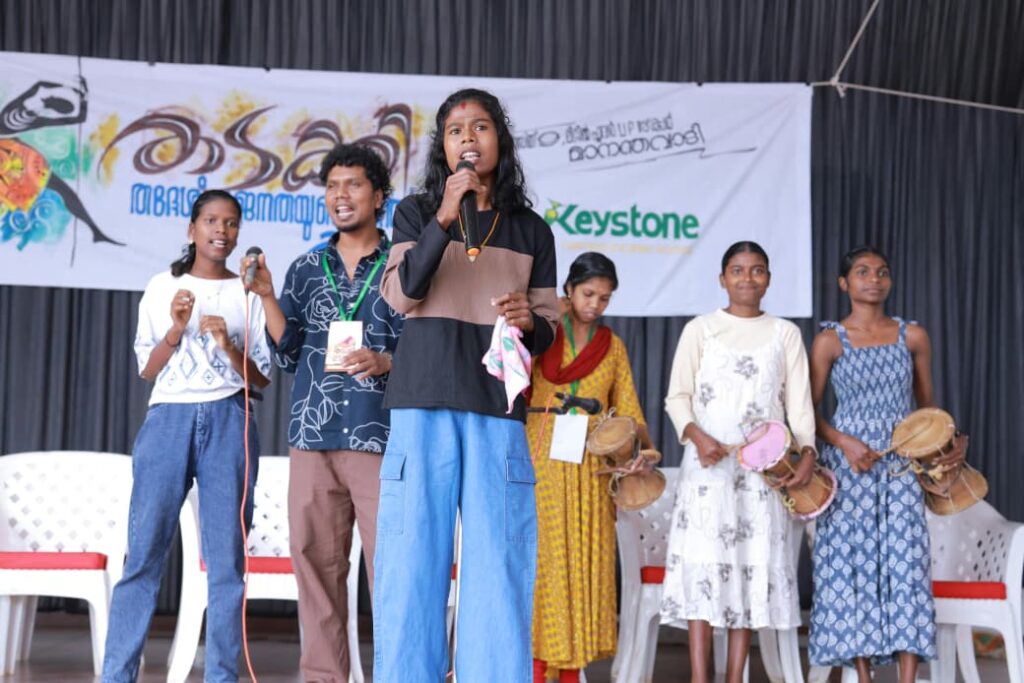
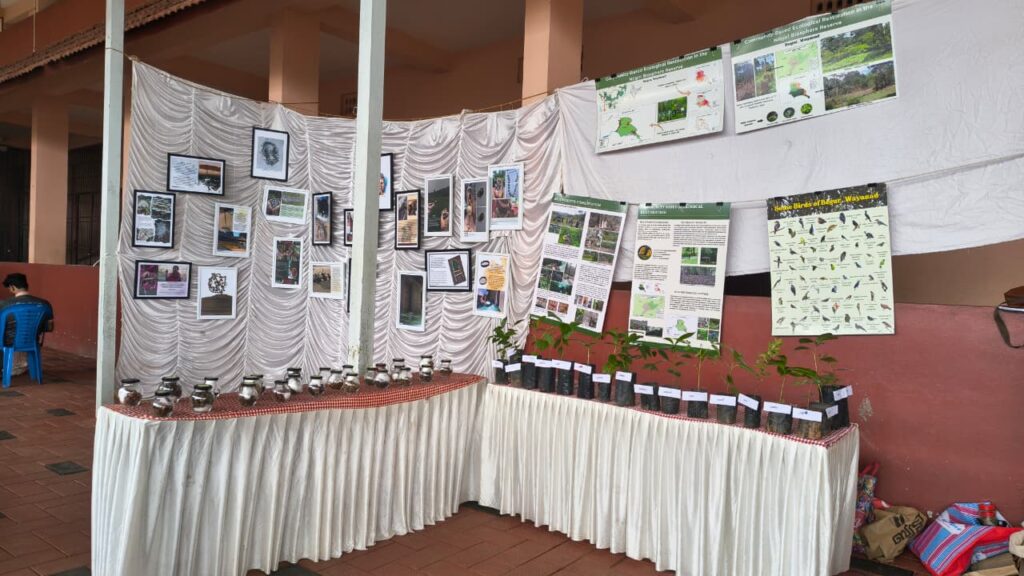
Photo credit : Baiju
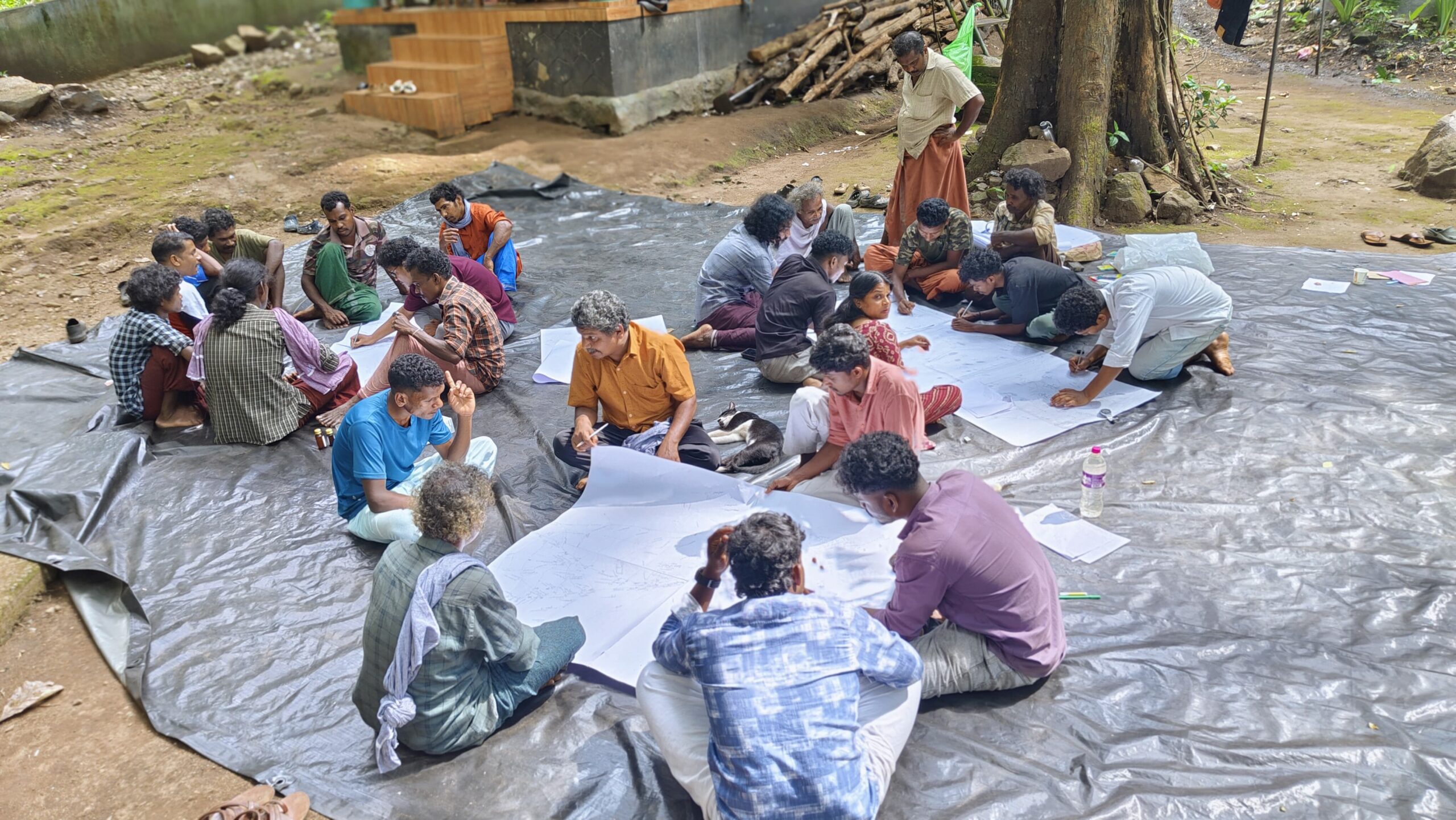
The celebration also featured an exhibition on community-based ecological restoration, showcasing initiatives led by indigenous communities. The exhibition highlighted their practices for environmental conservation and restoration. Through these displays, participants understood the close relationship between indigenous communities, traditional knowledge and the ecosystems they inhabit.
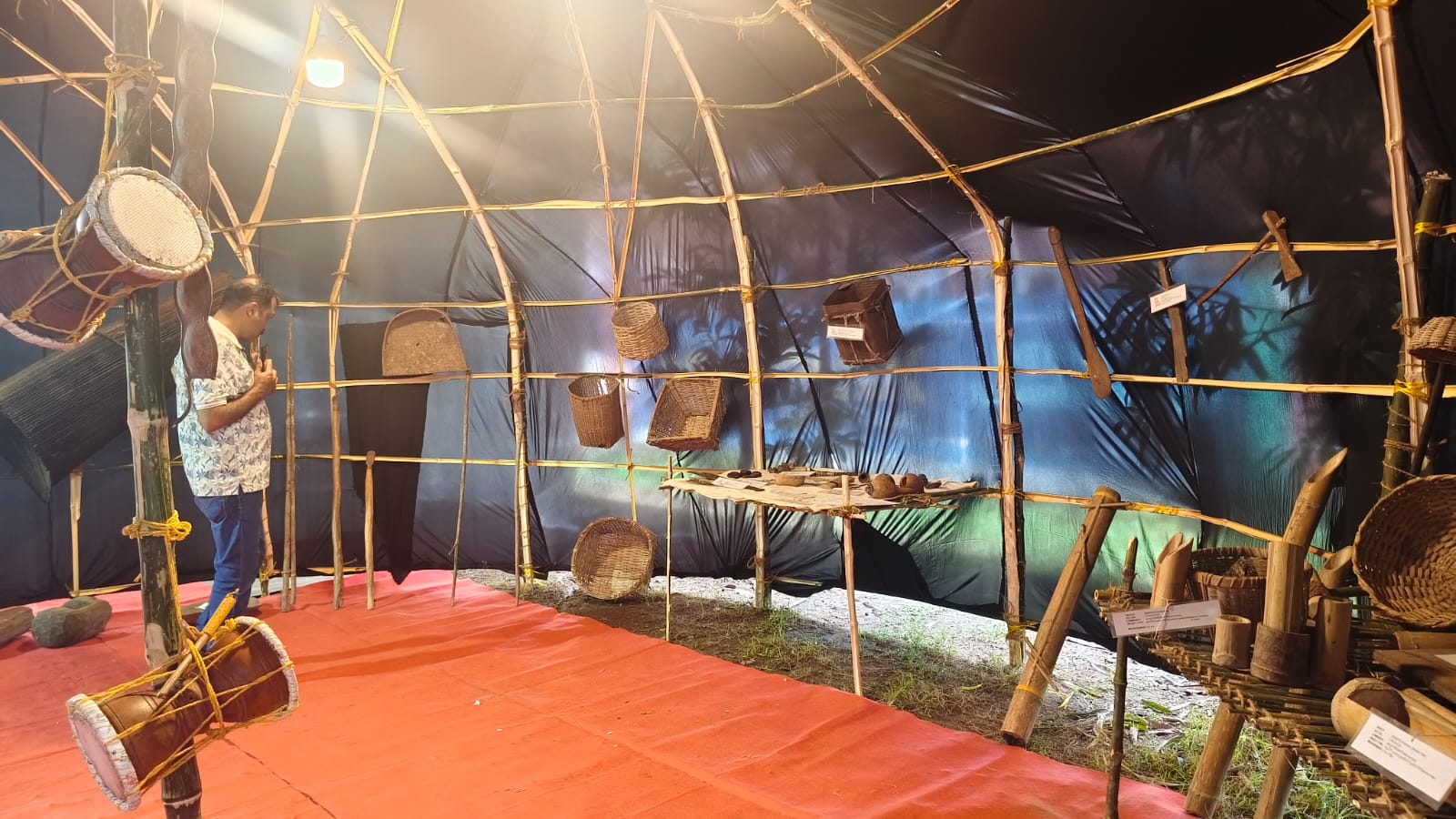
Indigenous Material Cultures : exhibition
A photo and heritage exhibition further highlighted the diversity and richness of indigenous cultures. The exhibition featured traditional household objects, agricultural practices, musical instruments, ornaments and other important aspects of everyday community life, offering visitors a glimpse into the living heritage of indigenous communities.
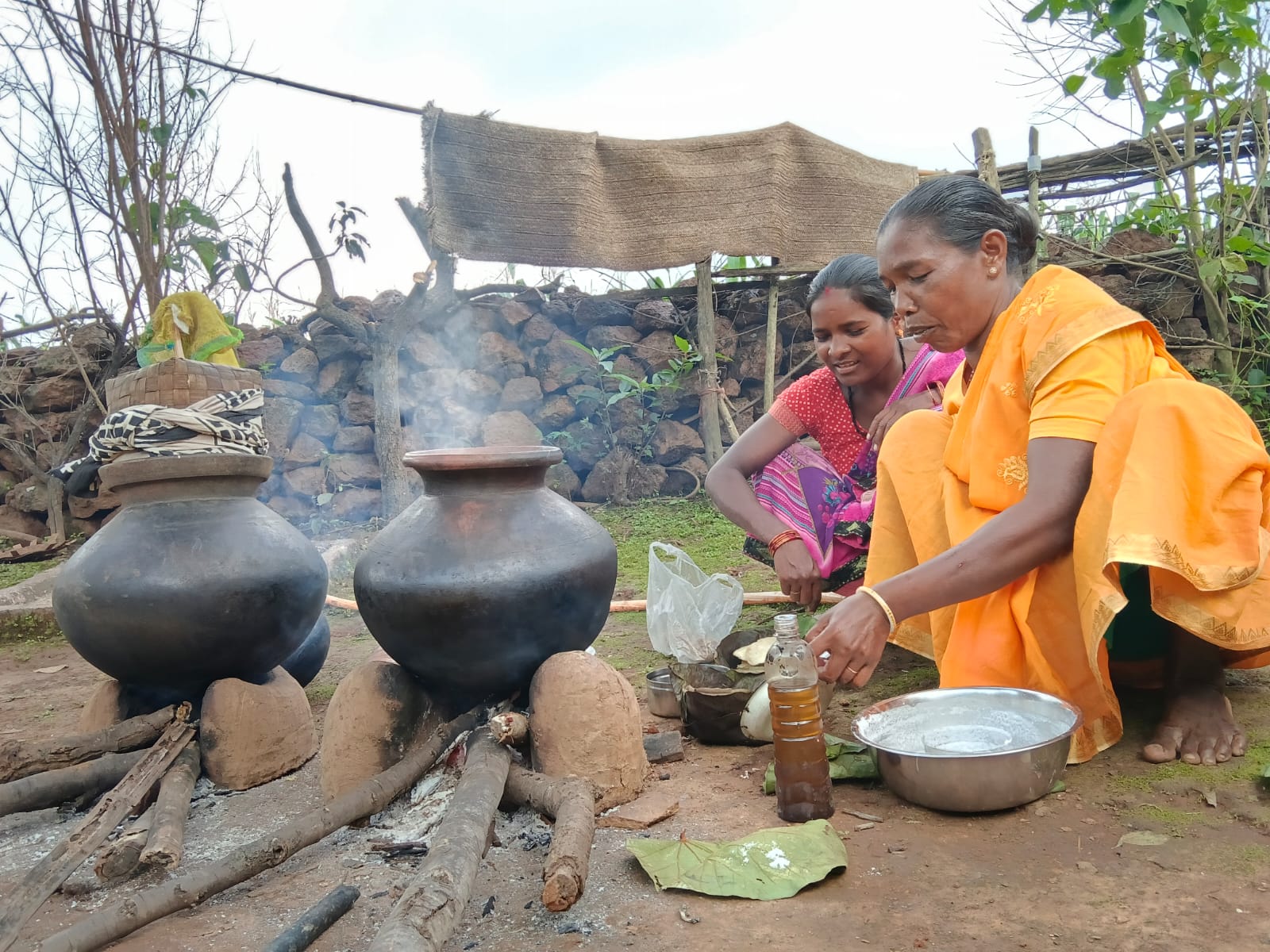
One major highlight was the Diverse Traditional Food Festival, which featured around 100 traditional food items. The festival celebrated the richness of indigenous food cultures and highlighted traditional knowledge about local ingredients, cultivation and food preparation.
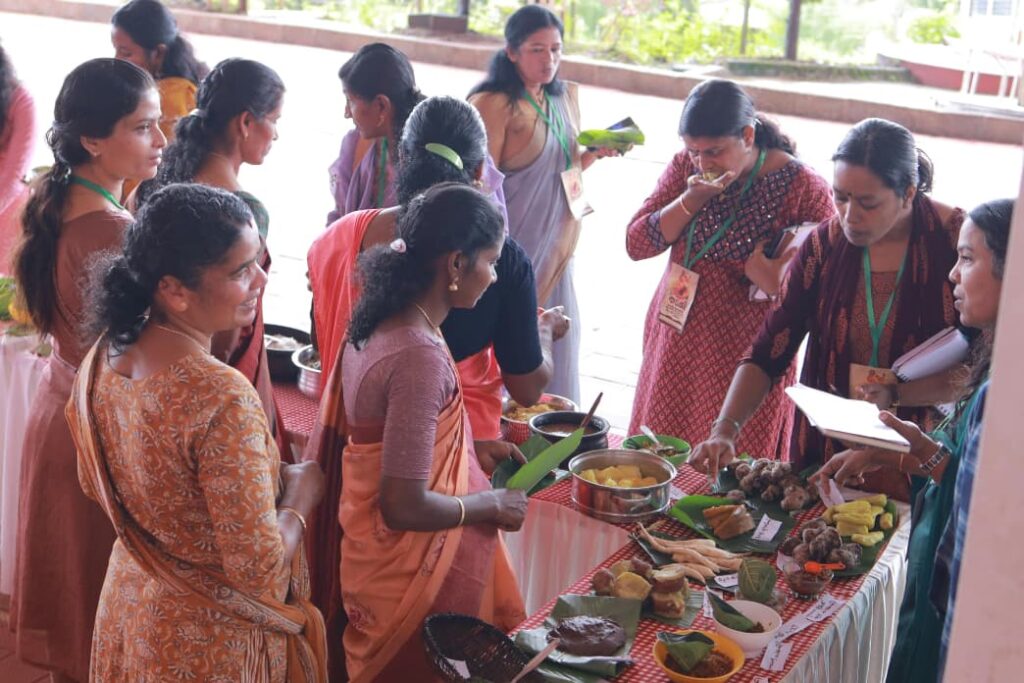
Photo credit : Baiju
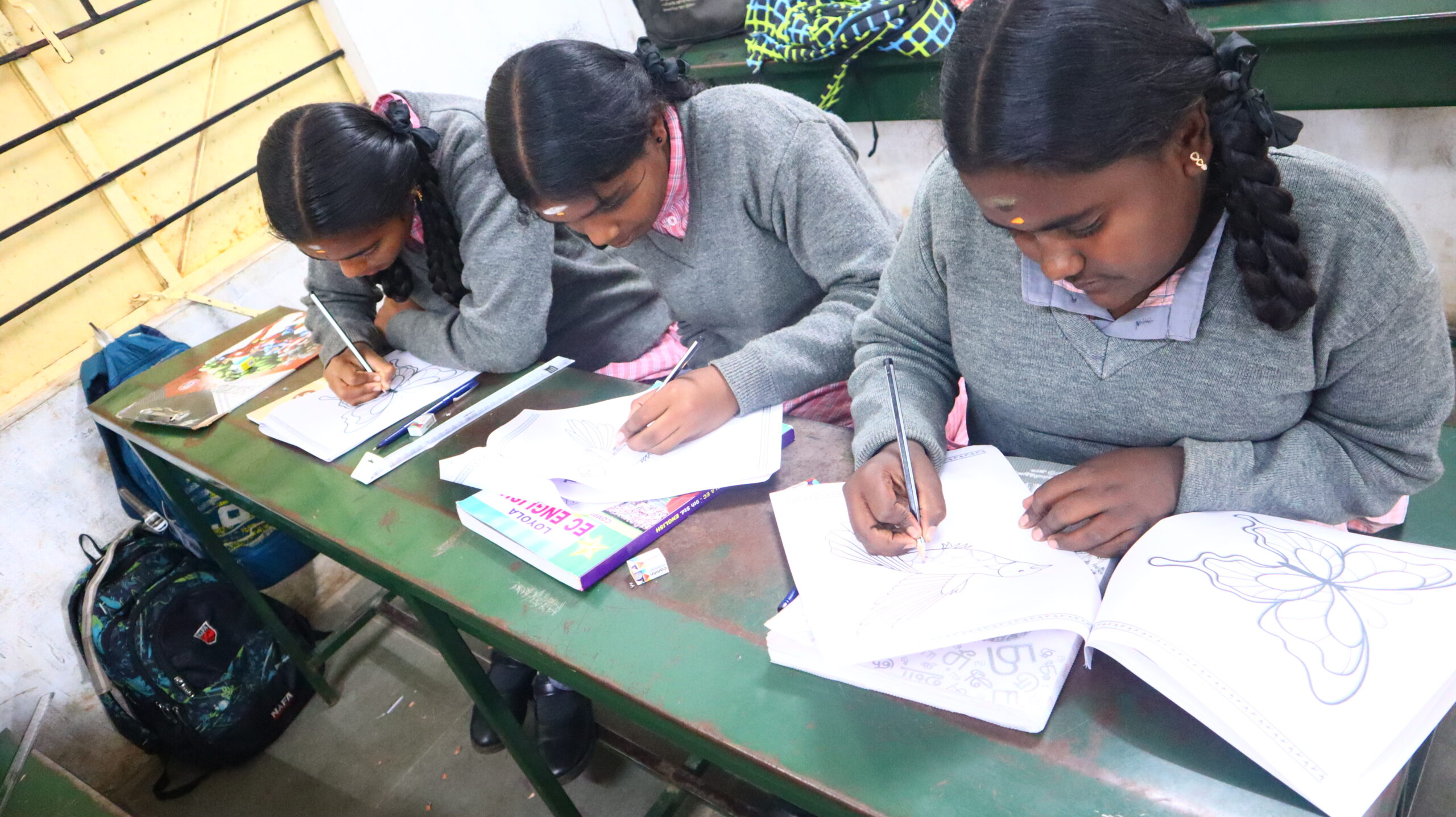
Students from around 10 high schools in Mananthavady Block also actively participated in a traditional knowledge documentation and presentation activity. The students collected knowledge from their own communities and presented their findings during the programme, creating an important bridge between generations and encouraging young people to engage with their cultural heritage.
More than a celebration, the programme became a meaningful space for dialogue, learning and recognition. It reaffirmed the importance of indigenous communities as knowledge holders and active contributors to cultural and ecological sustainability. By bringing together elders, knowledge holders, youth and students, the celebration strengthened efforts towards cultural preservation, language revitalisation, intergenerational knowledge transmission and community-led action.
The event reflected Keystone Foundation’s continued commitment to supporting indigenous communities in preserving, celebrating and carrying forward their diverse knowledge systems for future generations.